


Healthcare authorities have reported that, on average, patients are facing delays of up to six weeks for elective surgeries. This situation is particularly concerning for individuals requiring time-sensitive operations, such as those related to cancer treatment or critical orthopedic procedures. Hospitals are struggling to manage the influx of rescheduled patients while maintaining emergency services.
Key stakeholders, including hospital administrators and government officials, are engaged in negotiations to resolve the strike. Talks have been ongoing since the beginning of the strike, but no agreement has yet been reached. The implications of these delays extend beyond individual health outcomes, as they also strain the overall healthcare system and may lead to increased costs for both patients and providers.
In response to the crisis, some healthcare facilities have begun to implement contingency plans, such as prioritizing urgent cases and reallocating resources to manage the surgical backlog. However, the effectiveness of these measures remains uncertain as the strike continues and the number of affected patients rises. The situation remains fluid, with both sides hoping for a resolution that will restore normalcy to surgical services and alleviate the impact on patients.
Exploring the background of the doctor strike and its implications
The ongoing doctor strike has emerged as a critical issue, drawing attention to the broader challenges facing the healthcare system. Over the past few years, increasing workloads, inadequate funding, and stagnating wages have led to widespread dissatisfaction among medical professionals. This unrest has culminated in a month of worry for patients awaiting surgeries, as the strike has resulted in significant delays and cancellations of essential medical procedures.
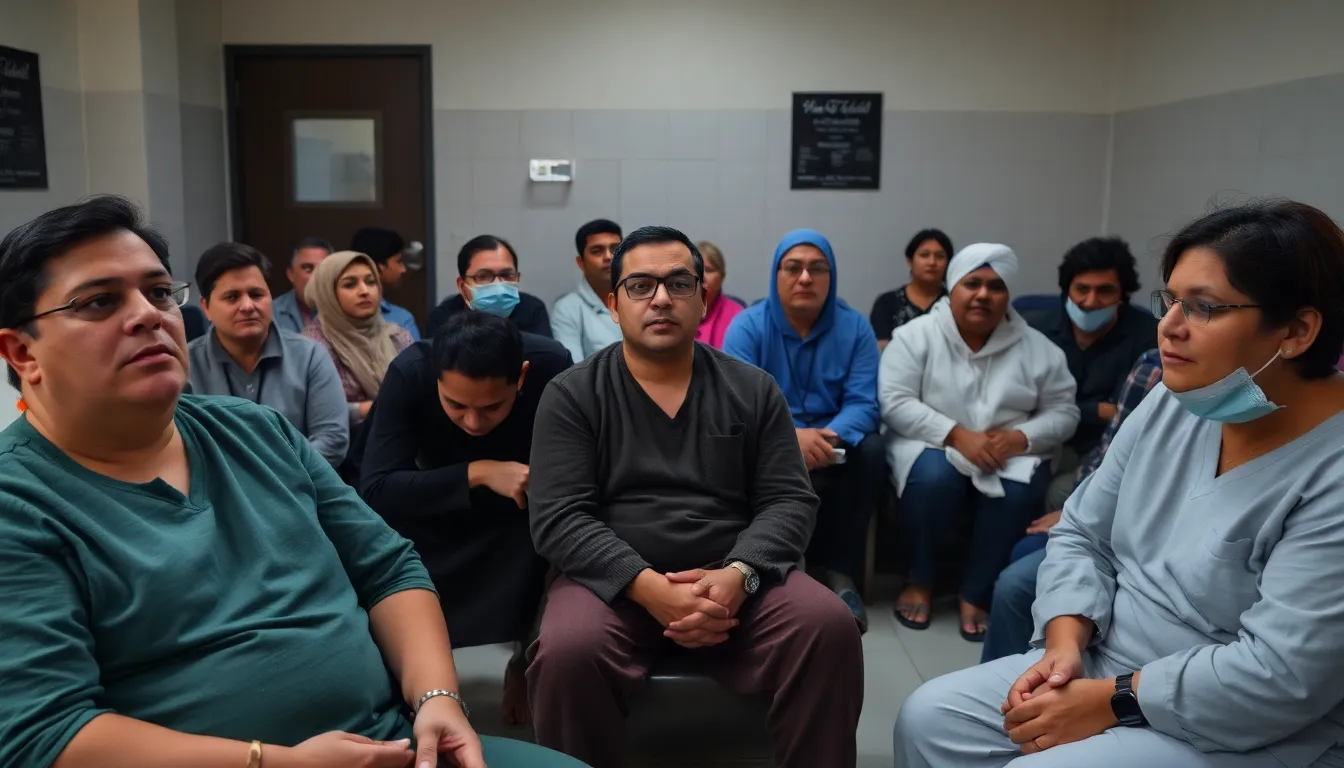
Historically, the relationship between healthcare providers and government bodies has been fraught with tension. In many regions, healthcare funding has not kept pace with rising costs, leading to a strain on resources. For instance, previous strikes in the healthcare sector have often highlighted the frustrations of doctors over working conditions and pay, but this current strike is notable for its duration and the extent of its impact on patient care.
Key milestones leading to the current strike
Several key events have contributed to the current situation. In 2020, the onset of the COVID-19 pandemic placed unprecedented pressure on healthcare systems worldwide, exacerbating existing issues such as staff shortages and burnout. Following the pandemic, many doctors expressed their concerns through protests and negotiations, but these efforts were met with limited response from policymakers. The lack of substantial change has fueled discontent, leading to the current strike, which has been described as a last resort for many healthcare professionals.
Economically, the rising cost of living has also played a significant role in the current unrest. Many doctors feel that their compensation does not reflect the increasing demands of their profession, leading to calls for wage increases and better working conditions. As the strike continues, the implications for patients are profound, with many facing uncertainty regarding their healthcare needs and the potential long-term effects on their health outcomes.
Analyzing the key stakeholders and issues involved in the strike
The ongoing doctor strike has brought to the forefront a complex web of stakeholders, each with their own interests and concerns. The primary actors include healthcare professionals, hospital administrations, government bodies, and patients. Each group plays a pivotal role in the dynamics of the healthcare system and is affected differently by the strike and its consequences.
Healthcare professionals, particularly doctors, are advocating for better working conditions, fair compensation, and improved patient care standards. Their primary interest lies in ensuring that their rights are recognized and that they can provide quality care without being overburdened. In contrast, hospital administrations are focused on maintaining operational efficiency and minimizing financial losses during the strike, which can lead to postponed surgeries and other critical services.

Government bodies, including health departments and regulatory agencies, are tasked with mediating the conflict while ensuring that public health is not compromised. They face the challenge of balancing the needs of medical professionals with the urgent healthcare demands of the population. This often leads to trade-offs that may favor one group over another, resulting in tensions between the stakeholders.
Patients represent another crucial stakeholder group, as they are directly affected by surgery delays and the overall impact of the strike on healthcare services. Their interests include timely access to medical care and the assurance that they will receive quality treatment. The delay in surgeries can lead to deteriorating health conditions, creating a pressing need for resolution.
- Healthcare professionals: Seeking improved working conditions and fair compensation.
- Hospital administrations: Aiming to sustain operations and minimize financial impact.
- Government bodies: Mediating the conflict while protecting public health interests.
- Patients: Desiring timely access to surgeries and quality healthcare services.
- Legal and economic issues: Potential ramifications of the strike on healthcare legislation and funding.
Assessing the impact of surgery delays on patients and the healthcare system
The ongoing doctor strike has created a ‘Month of Worry’ for many patients awaiting surgical procedures. Those most affected include individuals with chronic conditions requiring timely interventions, such as heart surgeries, orthopedic procedures, and cancer treatments. The delay in surgeries not only impacts patients but also places additional strain on the healthcare system, leading to a ripple effect across various sectors.
In the short term, patients face increased anxiety and uncertainty regarding their health outcomes. Many may experience deteriorating conditions while waiting for necessary surgeries, which can lead to higher rates of emergency room visits and hospitalizations. This situation can overwhelm healthcare facilities, leading to longer wait times and reduced availability of resources for non-strike related medical care.
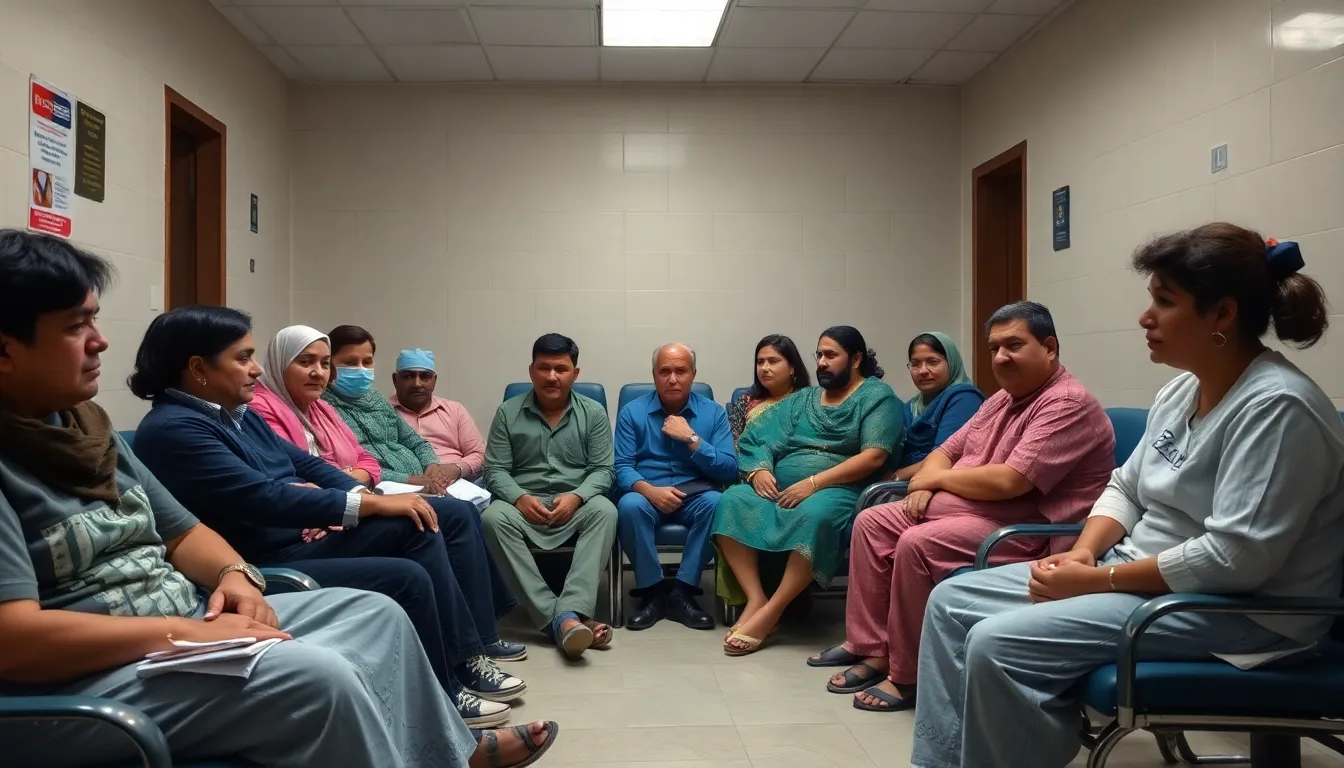
Mid-term impacts extend beyond individual health concerns, affecting healthcare policies and insurance practices. As the backlog of surgeries grows, hospitals may need to implement new strategies to manage patient care, which could include prioritizing cases based on urgency. This shift may lead to changes in how insurance providers assess coverage for delayed procedures, potentially resulting in increased costs for patients.
- Increased healthcare costs: Patients may incur additional expenses due to complications arising from delayed surgeries.
- Opportunity for telehealth: The rise in virtual consultations could provide alternative care options during the strike.
- Policy changes: Potential reforms in healthcare regulations may arise to address the challenges posed by such strikes.
Moreover, the strike may prompt a reevaluation of the healthcare workforce’s conditions, leading to potential opportunities for reform. If the situation encourages a dialogue between healthcare providers and policymakers, it could lead to improved working conditions and better patient care in the long run. However, the immediate risks remain significant, with many patients left in limbo as they wait for critical surgeries.
A: The doctor strike is primarily due to disputes over pay, working conditions, and patient care standards. These issues have led healthcare professionals to demand better terms. A: Surgery delays may continue for an uncertain period, depending on the duration of the strike and negotiations between doctors and healthcare authorities. A: Patients requiring elective surgeries and those with urgent health conditions are most affected, facing increased wait times and potential health risks. A: Patients should stay in contact with their healthcare providers for updates and explore alternative treatment options if necessary. A: Yes, emergency services typically remain operational, but patients should check with local hospitals for specific availability.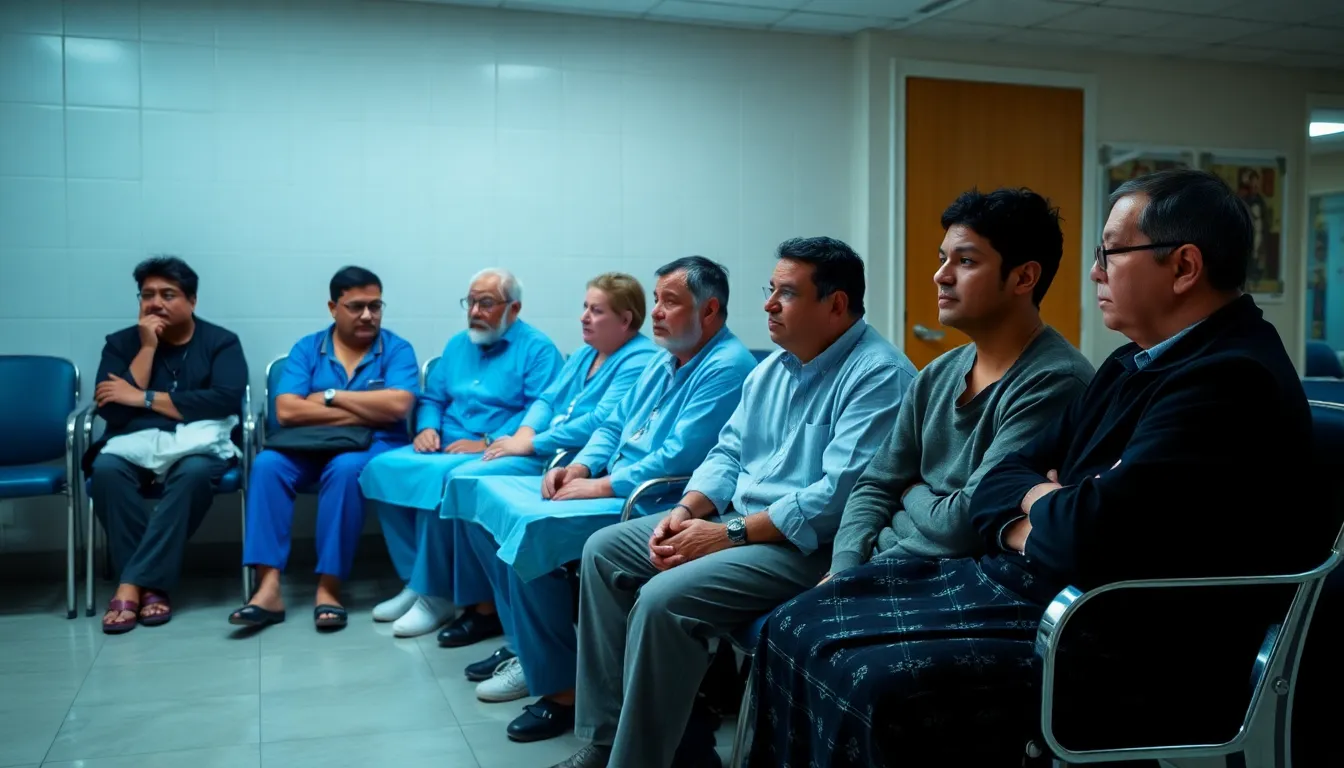
Frequently asked questions about the surgery delays and doctor strike
Summarizing the key points and future outlook on the situation
The ongoing doctor strike has raised significant concerns regarding surgical delays, impacting not only patients but also the broader healthcare system. As the month progresses, the implications of these delays are becoming increasingly evident, with many individuals facing prolonged wait times for essential procedures. This situation poses challenges not only for healthcare providers but also for patients who are navigating uncertainty in their treatment timelines.
Looking ahead, it is crucial to monitor how healthcare authorities respond to this crisis and what measures will be implemented to mitigate the backlog of surgeries. Understanding the long-term effects on patient care and the potential for policy changes will be essential as we move forward in addressing these pressing issues.
- Watch for potential government interventions aimed at resolving the strike and expediting surgical procedures.
- Consider the long-term impact on patient health outcomes as delays in surgeries may lead to worsening conditions.
- Stay informed about the negotiations between healthcare professionals and authorities, as these discussions will shape the future of healthcare delivery.
- Monitor public sentiment and its influence on policy changes regarding healthcare funding and resources.
- Be aware of alternative healthcare solutions that may emerge in response to the ongoing crisis.