


The company reported that in recent weeks, several of its vehicles were observed driving into areas affected by flooding, which posed significant risks to passengers and other road users. As a precautionary measure, Waymo is reassessing its systems and protocols to ensure that its vehicles can safely navigate unpredictable weather events. For more on the implications of climate change on transportation, see our article on regulatory challenges.
This pause is particularly significant as it highlights the ongoing challenges faced by autonomous vehicle technology in real-world applications. With increasing climate-related incidents, the ability of self-driving cars to adapt to rapidly changing environments is under scrutiny, impacting public perception and regulatory discussions surrounding autonomous transportation.
Waymo’s decision reflects a broader trend in the autonomous vehicle industry, where companies are grappling with the complexities of integrating advanced technologies into everyday life. As the company works to refine its systems, stakeholders are closely monitoring the implications for future deployments and the overall viability of robotaxi services, similar to advances seen in automotive technology.
Understanding the background of Waymo’s operations
Waymo, a subsidiary of Alphabet Inc., has been at the forefront of autonomous vehicle technology since its inception in 2009. Originally part of the Google X lab, Waymo has evolved from a research project into a commercial entity focused on delivering self-driving taxi services. The company has invested billions in research and development, aiming to revolutionize urban transportation and reduce traffic accidents caused by human error.
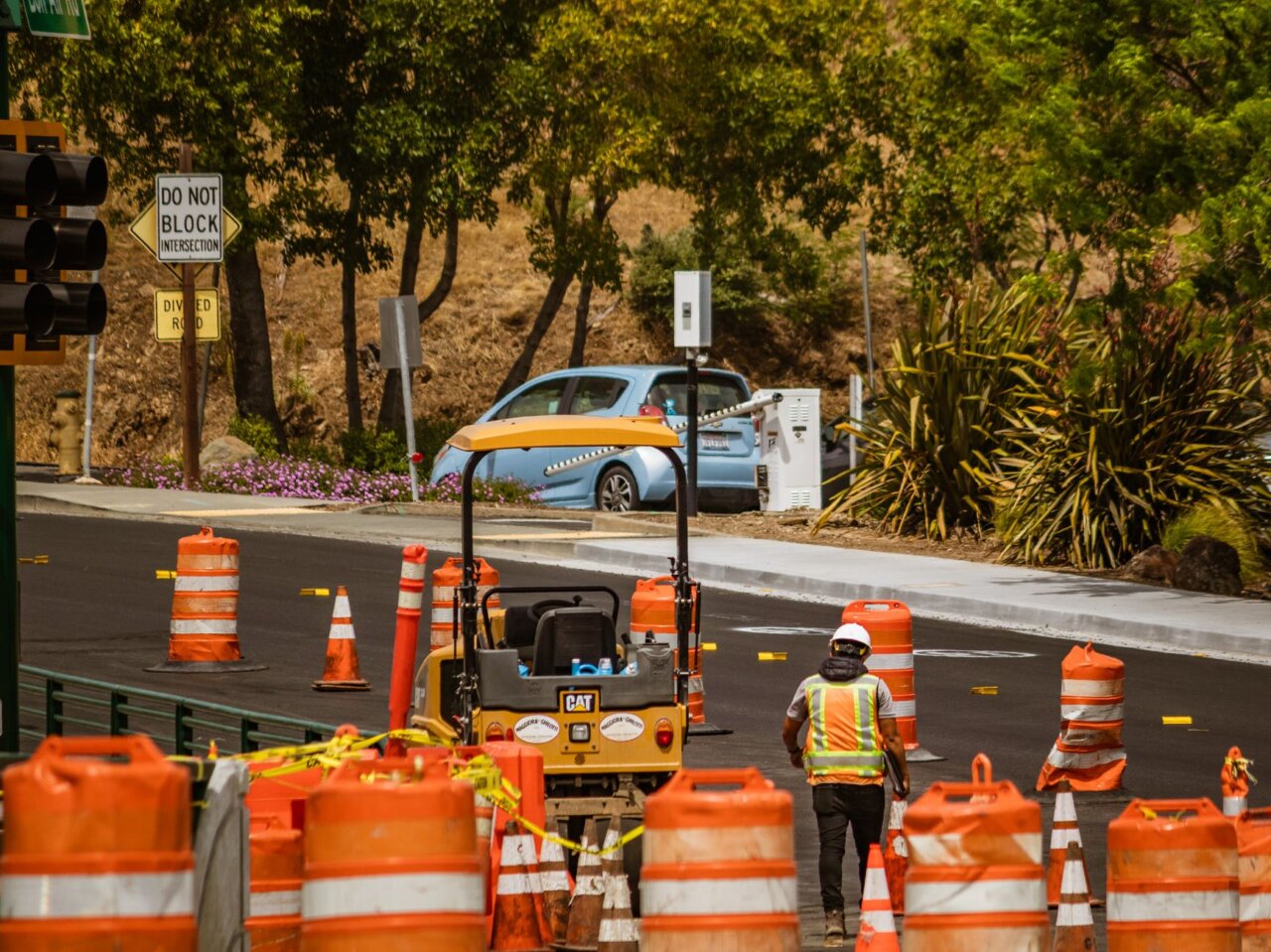
The deployment of Waymo’s robotaxi services has been met with both excitement and skepticism. As cities across the United States grapple with the implications of autonomous vehicles, regulatory frameworks have struggled to keep pace with technological advancements. This has led to a patchwork of laws and regulations that vary significantly from one city to another, influencing how and where Waymo operates its fleet.
In recent years, Waymo expanded its services to five major U.S. cities, aiming to provide a safe and efficient alternative to traditional taxis. However, the challenges of operating in diverse urban environments have become apparent, particularly in the face of extreme weather conditions. The recent decision to pause operations in response to incidents involving flooded roads highlights the vulnerabilities of autonomous systems when faced with unpredictable environmental factors.
The impact of climate on autonomous vehicles
Extreme weather events have become increasingly frequent due to climate change, raising concerns about the readiness of autonomous vehicles to navigate such conditions. Flooding, heavy snowfall, and ice can significantly impact the safety and functionality of self-driving cars. For more insights on the financial implications of technological advancements, check our coverage of SpaceX’s financials ahead of its IPO.
Key stakeholders and issues surrounding the pause
The recent decision by Waymo to pause its robotaxi operations in five U.S. cities has raised significant concerns among various stakeholders, including the company itself, local governments, and the communities affected by this technology. Each of these actors has distinct interests that shape their perspectives on the implications of this pause.
Waymo, a subsidiary of Alphabet Inc., is primarily focused on advancing its autonomous vehicle technology and ensuring the safety of its operations. The company’s interests lie in maintaining public trust and regulatory compliance, which are crucial for its long-term viability in the competitive autonomous vehicle market. The pause in operations due to vehicles driving into flooded roads highlights the challenges of deploying such technology in unpredictable weather conditions.
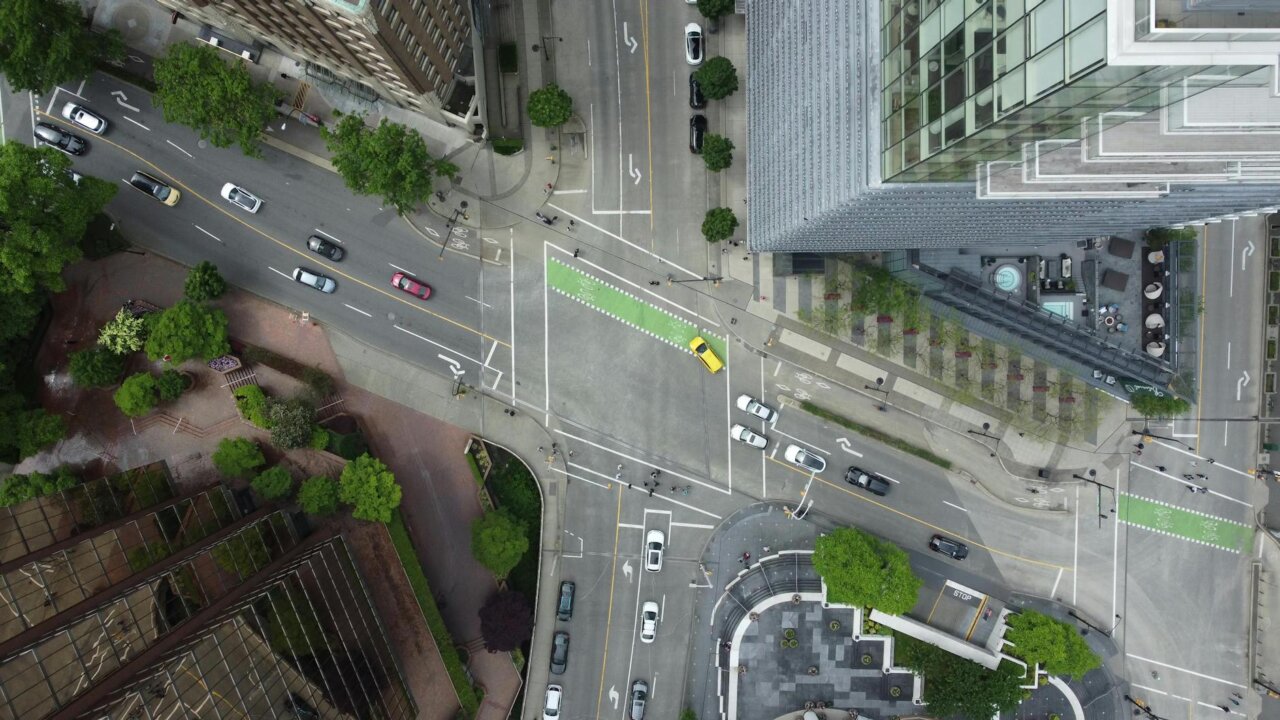
Local governments are also key stakeholders in this situation. They have a vested interest in ensuring public safety and managing the implications of autonomous vehicles on urban infrastructure. The pause may lead to discussions about the regulatory frameworks governing autonomous vehicles, especially in relation to extreme weather events. This could prompt a reevaluation of existing policies and practices regarding road safety and emergency response.
- Public Safety: Concerns about the safety of autonomous vehicles in adverse weather conditions.
- Regulatory Framework: The need for updated regulations to address the challenges posed by autonomous technology.
- Economic Impact: Potential effects on local economies dependent on innovative transportation solutions.
- Public Perception: The impact of this pause on community trust in autonomous technology.
- Liability Issues: Legal ramifications concerning accidents involving autonomous vehicles.
Furthermore, the pause raises important legal and economic issues. Questions around liability in the event of accidents involving autonomous vehicles become more pressing, particularly when external factors like weather conditions are involved. Additionally, the economic implications for cities that are investing in smart transportation infrastructure may be significant, as they balance innovation with the need for public safety.
The impact of the pause on users and the market
The recent decision by Waymo to pause its robotaxi services in five US cities has significant implications for various stakeholders, including users, local businesses, and the broader transportation industry. This suspension primarily affects residents who rely on autonomous vehicles for their daily commutes, particularly in urban areas where public transportation options may be limited.
In the short term, users who depend on Waymo’s services may face increased inconvenience as they seek alternative transportation methods. This could lead to longer wait times for traditional taxis or rideshare services, potentially straining local transportation networks. Additionally, businesses that benefit from the influx of customers using robotaxis, such as restaurants and retail stores, may experience a decline in foot traffic and sales.
From a mid-term perspective, the pause could influence policy discussions around autonomous vehicle regulations and safety standards. Local governments may feel pressure to reassess their infrastructure and emergency response strategies to better accommodate emerging technologies. This could lead to increased investment in transportation systems that prioritize safety and reliability, ultimately benefiting the community.

However, the situation also presents opportunities for innovation and collaboration. Companies involved in flood management and urban planning could find new avenues for partnerships with Waymo and similar firms to enhance vehicle safety in adverse weather conditions. Additionally, the pause may prompt Waymo to refine its technology and safety protocols, potentially leading to more robust and reliable services in the future.
- Increased inconvenience for users relying on robotaxis.
- Potential decline in business for local establishments.
- Policy shifts towards enhanced regulations and infrastructure improvements.
- Opportunities for innovation in flood management and vehicle safety technology.
A: Waymo paused its services due to incidents where cars drove into flooded roads, raising significant safety concerns for passengers and pedestrians. A: The pause affects five US cities where Waymo operates, although specific city names have not been disclosed. A: The duration of the pause has not been specified, as it depends on the assessment of safety measures and operational adjustments. A: This pause may impact Waymo’s business model by delaying revenue generation and potentially affecting investor confidence. A: Waymo is currently evaluating its technology and operational protocols to enhance safety and prevent similar incidents in the future.
Frequently asked questions about Waymo’s robotaxi pause
Future outlook and key takeaways from the situation
The recent decision by Waymo to pause its robotaxi operations in five U.S. cities due to incidents involving flooded roads underscores the challenges autonomous vehicles face in adapting to unpredictable weather conditions. This move not only highlights the importance of safety in the deployment of self-driving technology but also raises questions about the readiness of such systems to handle real-world scenarios that can compromise their functionality.
As cities continue to grapple with climate change and its effects on infrastructure, the implications for autonomous vehicle operators will be significant. Stakeholders will need to consider how to enhance the resilience of these technologies while ensuring public trust in their safety and reliability.
- Monitoring the development of adaptive algorithms that can better assess environmental conditions in real-time will be crucial for autonomous vehicle companies.
- Regulatory frameworks may evolve to address the unique challenges posed by autonomous vehicles in adverse weather, impacting operational guidelines.
- Public perception of safety in autonomous technology may shift, necessitating increased transparency and communication from companies like Waymo.
- Investment in infrastructure improvements that support autonomous vehicle operations during extreme weather events could become a priority for local governments.