


The decision to join Formula 1 comes as the sport expands its reach, with new regulations and a growing audience. Cadillac’s entry is expected to be supported by GM’s extensive engineering capabilities, particularly in hybrid and electric vehicle technologies, aligning with the sport’s increasing focus on sustainability and innovation.
The collaboration aims to integrate cutting-edge technology and design, showcasing Cadillac’s commitment to performance while also appealing to a younger, tech-savvy audience.
By participating in Formula 1, Cadillac seeks to position itself alongside other luxury brands that have successfully utilized motorsport as a platform for innovation and brand enhancement.
The evolution of Cadillac’s motorsport strategy
Cadillac, a brand synonymous with luxury and innovation, has a storied history that intertwines with the world of motorsport. Established in 1902, Cadillac quickly gained a reputation for its engineering excellence and performance. However, it wasn’t until the late 20th century that the brand began to seriously invest in motorsport as a means to enhance its image and showcase its technological prowess.
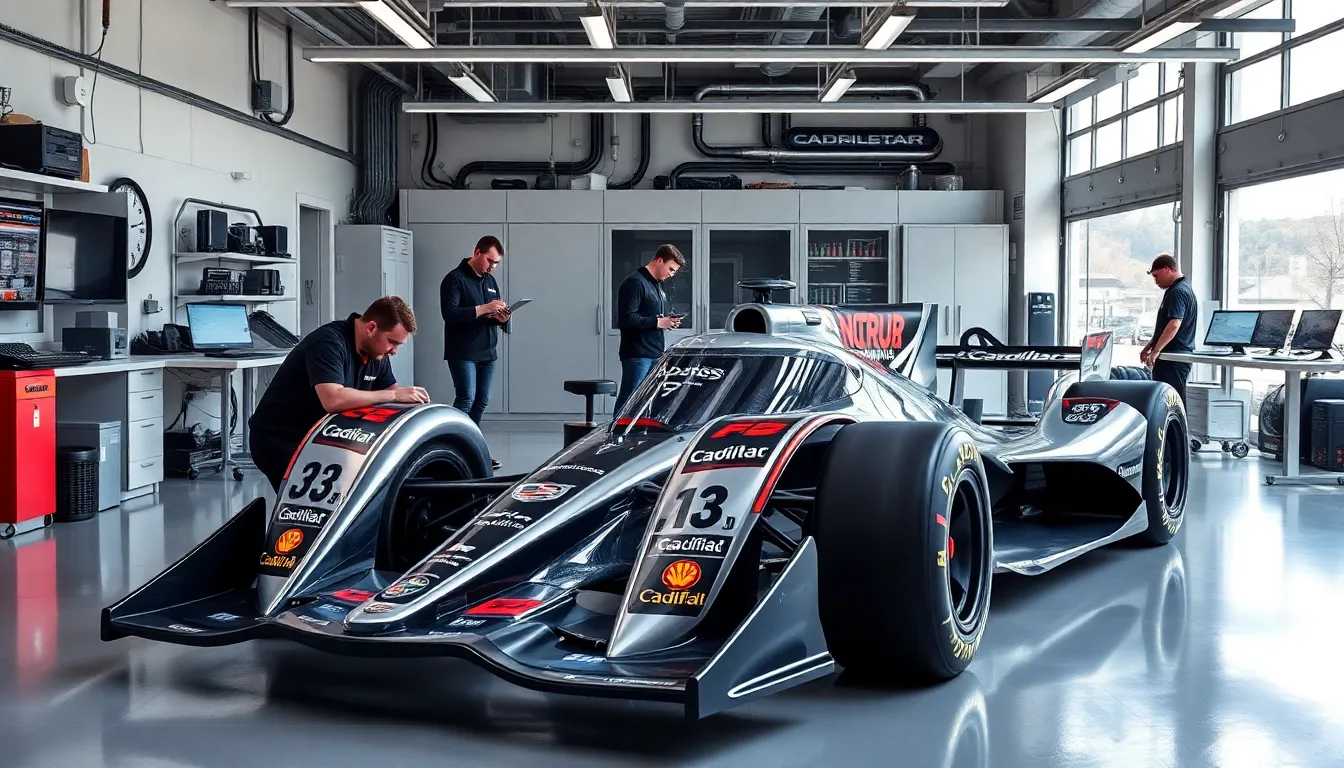
The 1990s marked a pivotal shift for Cadillac, as the company sought to redefine itself in a competitive automotive landscape. The introduction of the Cadillac V-Series in the early 2000s signaled a commitment to performance, with models like the CTS-V and ATS-V designed to compete against European luxury sport sedans. This strategy not only aimed to attract a younger demographic but also laid the groundwork for Cadillac’s future endeavors in high-stakes racing.
Key milestones in Cadillac’s racing history
In 2004, Cadillac made its debut in the American Le Mans Series (ALMS) with the Cadillac Racing team, showcasing its engineering capabilities and commitment to performance. This involvement in endurance racing allowed the brand to test and refine technologies that would eventually filter down to its production vehicles. The success in ALMS helped to solidify Cadillac’s reputation as a serious player in the motorsport arena.
This strategic decision aligns with global trends in motorsport, where manufacturers increasingly seek to integrate advanced technologies, such as electric powertrains and data analytics, into their racing programs.
As Cadillac prepares for its entry into F1, it stands on the shoulders of its historical engagements in motorsport, equipped with a wealth of experience and a vision for innovation. The brand’s evolution from a luxury automaker to a competitive force in racing exemplifies its commitment to pushing boundaries and redefining what is possible in the automotive industry.
Key stakeholders and their roles in Cadillac’s F1 journey
The entry of Cadillac into Formula 1 (F1) represents a significant shift in the automotive landscape, fueled by General Motors’ (GM) technological advancements. Key stakeholders in this venture include GM executives, Cadillac’s management team, F1 governing bodies, and the broader motorsport community. Each of these actors has distinct interests and motivations that shape the direction of this ambitious project.
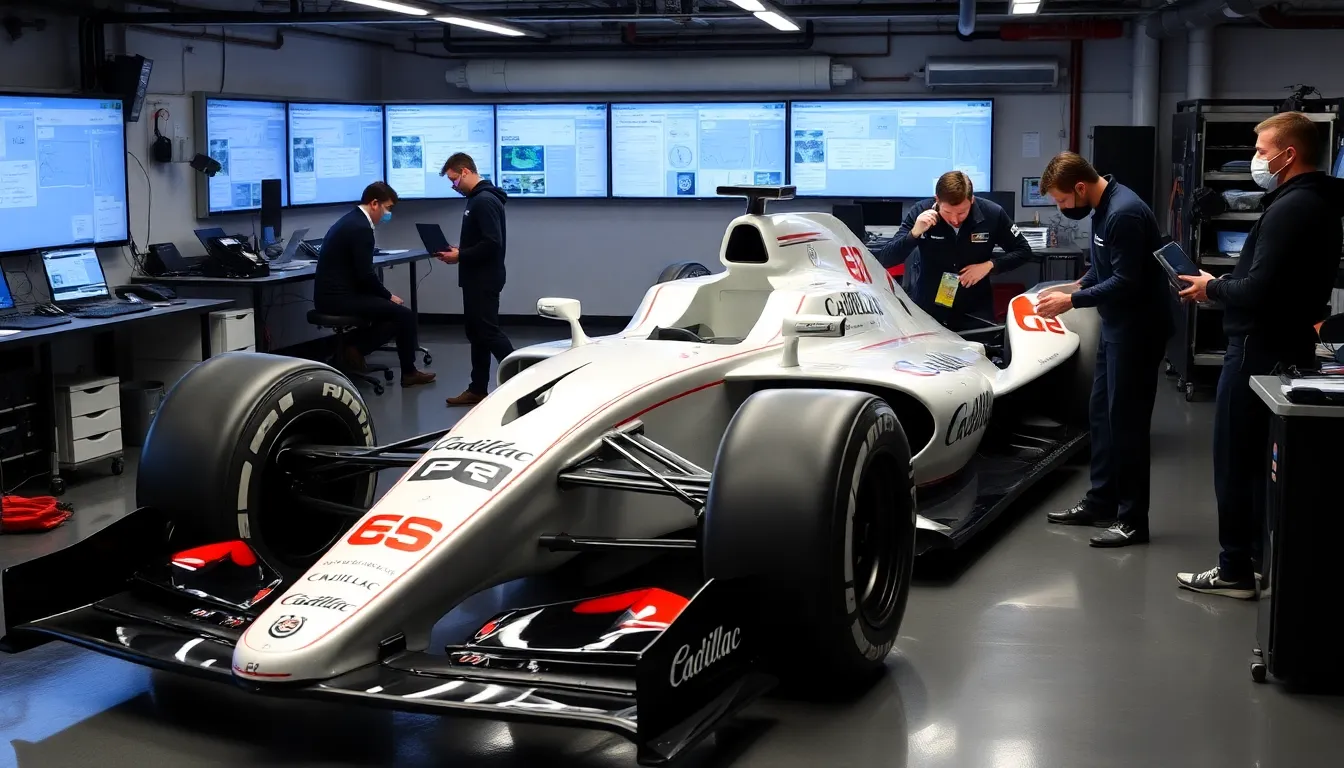
General Motors, as the parent company, is primarily interested in leveraging Cadillac’s F1 participation to enhance brand visibility and showcase its engineering prowess. This move is also seen as a strategic effort to appeal to younger, performance-oriented consumers, thereby revitalizing Cadillac’s image. Additionally, GM aims to capitalize on the growing popularity of F1 in North America, particularly with the sport’s expanding fan base and the introduction of new races in the region.
Cadillac’s management team plays a crucial role in executing the vision set forth by GM, focusing on the development of competitive technology and marketing strategies that align with the brand’s luxury image. Their challenge lies in balancing the demands of high-performance racing with the expectations of traditional Cadillac customers. This dual focus raises questions about resource allocation and the potential impact on Cadillac’s core vehicle lineup.
On the regulatory side, F1 governing bodies such as the FIA (Fédération Internationale de l’Automobile) have a vested interest in maintaining the sport’s integrity and competitiveness. They impose strict regulations that govern vehicle performance, sustainability, and financial practices. This creates a complex environment where Cadillac must navigate legal frameworks while striving for competitive advantage.
- GM’s focus on brand revitalization through F1 participation.
- Cadillac’s challenge in balancing performance with luxury expectations.
- FIA’s regulatory framework impacting vehicle development and competitiveness.
- The potential for economic benefits in the North American market.
- Collaborations with technology partners to enhance performance capabilities.
Furthermore, the broader motorsport community, including fans, sponsors, and media, plays a significant role in shaping the narrative around Cadillac’s F1 entry. Their reactions and engagement will influence the brand’s reputation and the success of its marketing initiatives. The interplay between these stakeholders highlights the multifaceted nature of Cadillac’s F1 journey, where conflicts and trade-offs are inevitable as they navigate this high-stakes environment.
The potential impact on the automotive and motorsport markets
The entry of Cadillac into Formula 1, propelled by advancements in GM technology, marks a significant shift in both the automotive and motorsport landscapes. This move affects various stakeholders, including automotive manufacturers, motorsport teams, and fans, as well as industries connected to technology and engineering.
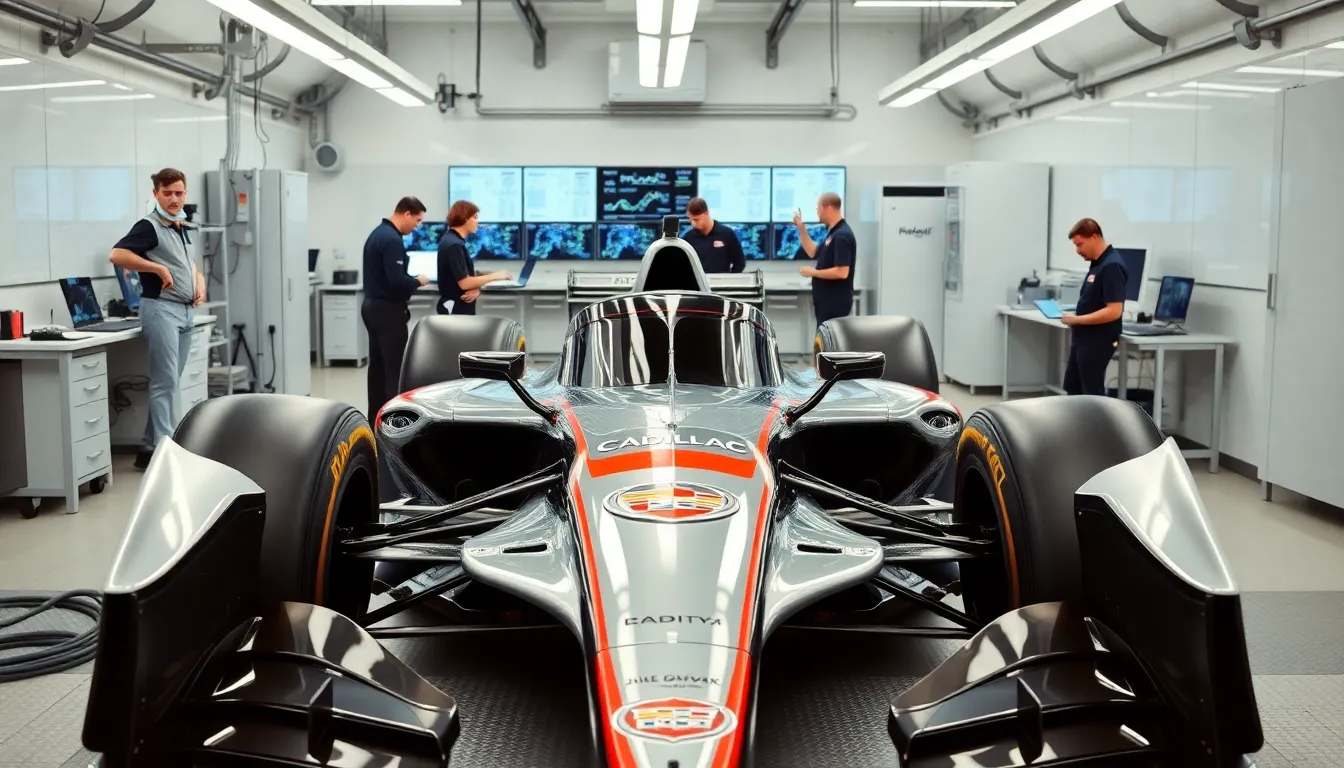
In the short term, the immediate impact will be felt by automotive engineers and designers who will need to adapt to new technologies and methodologies introduced by GM’s simulation tools. This could lead to an increased demand for skilled professionals in the automotive sector, particularly in regions where GM and Cadillac have a strong presence, such as Detroit and other manufacturing hubs in the U.S.
Mid-term effects may include a transformation in business strategies among competitors. Other automotive brands might accelerate their own motorsport initiatives or invest in similar technological advancements to keep pace with Cadillac’s innovative approach. This could stimulate competition and lead to a more dynamic market, potentially benefiting consumers with enhanced vehicle performance and technology.
- Opportunities: Increased collaboration between automotive and tech sectors, leading to innovative solutions.
- Risks: Potential overspending on R&D by competitors trying to match Cadillac’s advancements.
- Impact on Policy: Possible shifts in regulations as motorsport innovations influence automotive safety and environmental standards.
Moreover, the increased visibility of Cadillac in the global motorsport arena could enhance brand recognition and attract a younger demographic, creating new marketing opportunities. This not only benefits Cadillac but also has the potential to uplift the entire GM portfolio, leading to increased sales and market share.
A: GM is supplying advanced engineering solutions, including hybrid powertrains and aerodynamics expertise, to enhance Cadillac’s performance in Formula 1. A: Cadillac aims to elevate its brand image and showcase its technological advancements by participating in the prestigious Formula 1 racing series. A: The insights gained from F1 technology are expected to influence Cadillac’s production vehicles, enhancing performance and innovation across its lineup. A: Cadillac faces significant challenges, including competition from established teams, the need for rapid technological adaptation, and securing sponsorships. A: Cadillac’s entry introduces a new American manufacturer to F1, potentially attracting a broader audience and increasing interest in motorsport in the U.S.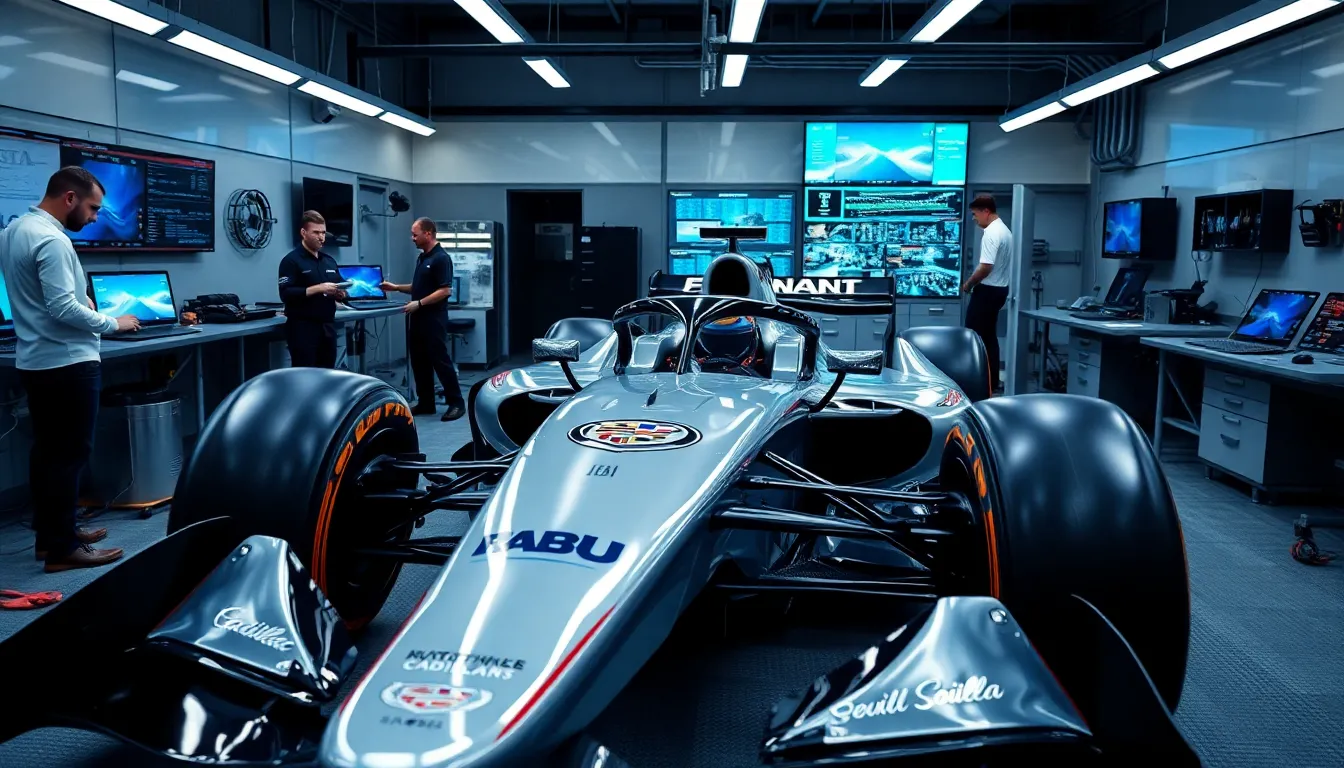
Frequently asked questions about Cadillac’s F1 entry
Future outlook on Cadillac’s involvement in Formula 1
The entry of Cadillac into Formula 1, bolstered by GM’s advanced technology and simulation capabilities, signifies a pivotal shift in the automotive and motorsport landscape. This move not only enhances Cadillac’s brand visibility on a global stage but also showcases the potential of leveraging cutting-edge technology in competitive racing environments. As the automotive industry increasingly intersects with high-performance motorsports, Cadillac’s strategic positioning may inspire other manufacturers to explore similar avenues.
Looking ahead, the implications of this venture extend beyond mere participation. The integration of simulation technology into Cadillac’s F1 strategy could lead to significant advancements in vehicle performance and efficiency, setting new benchmarks for innovation in the automotive sector. Observers should remain vigilant as the developments unfold, particularly in how they influence both Cadillac’s brand trajectory and the broader implications for the industry.
- Increased Brand Recognition: Cadillac’s presence in F1 may enhance its global brand appeal and attract a younger demographic.
- Technological Advancements: The use of simulation technology could lead to breakthroughs that benefit consumer vehicles in the future.
- Competitive Dynamics: Cadillac’s entry may alter the competitive landscape, prompting other manufacturers to invest in motorsport initiatives.
- Sustainability Focus: Future developments could emphasize eco-friendly technologies, aligning with industry trends towards sustainability.
- Collaborative Opportunities: Partnerships with tech firms may emerge, further driving innovation in both racing and consumer automotive applications.