


As of the end of 2022, SpaceX reported revenues exceeding $2 billion, driven largely by its satellite internet service, Starlink, and contracts with NASA and other government entities. This financial transparency is crucial as it allows investors to assess the company’s profitability and growth potential ahead of its anticipated IPO, which is expected to occur in the next year. For more insights into the market implications, see this article.
Elon Musk’s venture has been a key player in the space industry, with its advancements in reusable rocket technology and ambitious plans for Mars colonization. The financial details reveal not only the company’s revenue streams but also its significant investments in research and development, essential for maintaining its competitive edge.
The timing of this financial disclosure is particularly noteworthy, as it aligns with a broader trend of increased scrutiny and regulation in the tech and aerospace industries. Investors and analysts are keenly watching how this move will impact SpaceX’s valuation and its ability to attract capital in a rapidly evolving market.
Understanding the background of SpaceX’s IPO plans
SpaceX, founded by Elon Musk in 2002, has revolutionized the aerospace industry by significantly reducing the cost of space travel and making advancements in rocket technology. The company’s ambitious goals include enabling human life on Mars and developing a sustainable presence in space. Over the years, SpaceX has achieved numerous milestones, such as the first privately-funded spacecraft to reach orbit and the first to deliver astronauts to the International Space Station (ISS).
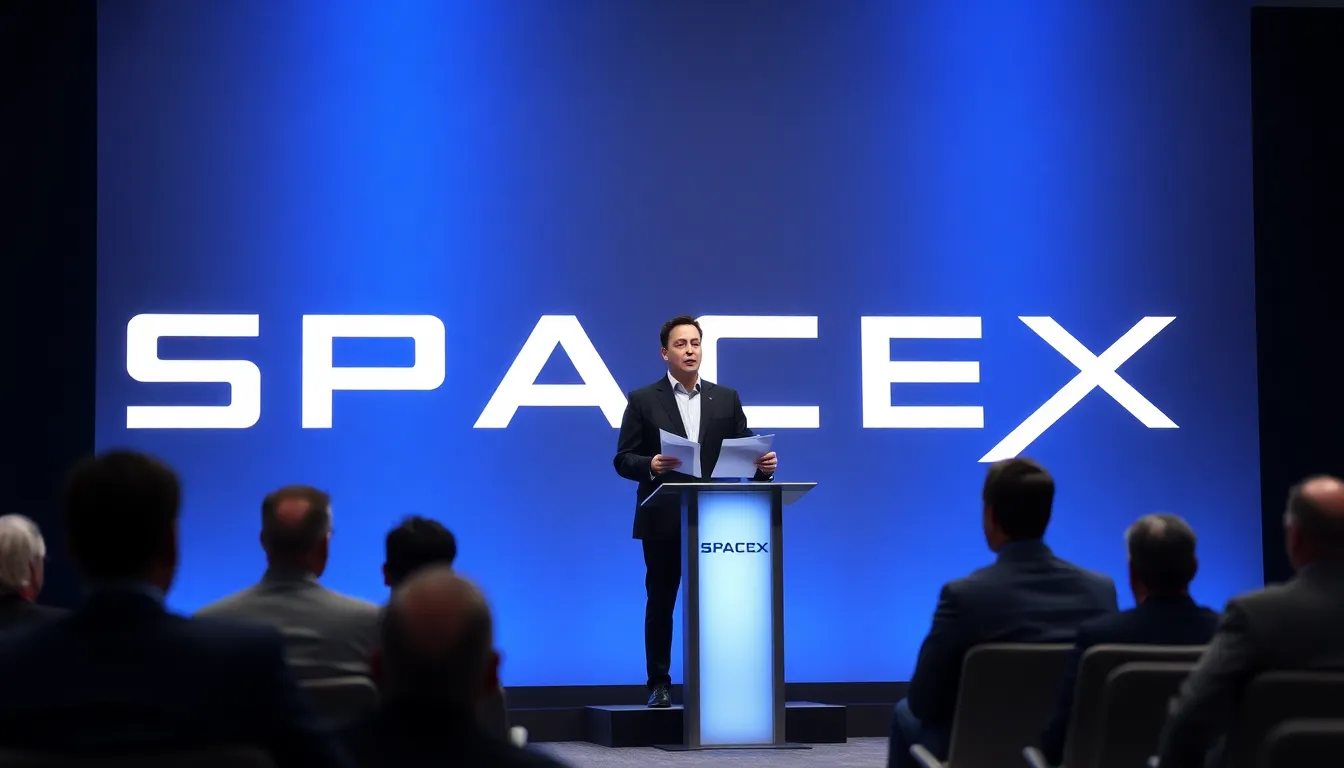
The decision to prepare for an Initial Public Offering (IPO) comes at a time when the commercial space sector is experiencing unprecedented growth. With increasing interest from both private investors and government contracts, SpaceX has positioned itself as a leader in the industry. The recent disclosure of its financials marks a significant shift for the company, which has historically kept its financial matters private. This transparency is likely aimed at attracting investors and bolstering confidence in its future profitability, similar to the trends highlighted in this piece.
Key Milestones Leading to the IPO
Several key events have paved the way for SpaceX’s IPO plans. In 2018, the company successfully launched the Falcon Heavy, the most powerful operational rocket in the world, showcasing its capabilities. Additionally, SpaceX’s partnership with NASA for the Commercial Crew Program has provided a steady revenue stream and credibility within the industry. The successful deployment of the Starlink satellite constellation has further diversified SpaceX’s business model, positioning it to tap into the lucrative global internet market.
Furthermore, the growing demand for satellite launches and space exploration has created a favorable economic environment for SpaceX. As other companies enter the commercial space race, the competition is intensifying, prompting SpaceX to solidify its market position through public investment. The anticipated IPO not only reflects SpaceX’s maturation as a company but also highlights the broader trend of privatization in the aerospace sector.
Key stakeholders and issues surrounding SpaceX’s financials
As SpaceX prepares for its initial public offering (IPO), several key stakeholders emerge, each with distinct interests in the company’s financial disclosures. These stakeholders include investors, regulatory bodies, competitors, and the general public. Each group has its own perspective on the implications of SpaceX’s financial health and future prospects.
Investors are primarily focused on the potential return on investment. With the IPO, they seek transparency regarding SpaceX’s revenue streams, profitability, and growth potential. The financial data released will influence their confidence in the company and their willingness to invest. Meanwhile, existing investors, including venture capitalists and private equity firms, will be assessing how the IPO affects their current stakes and the overall valuation of SpaceX.

Regulatory bodies, such as the U.S. Securities and Exchange Commission (SEC), play a crucial role in overseeing the IPO process. They are interested in ensuring compliance with financial reporting standards and protecting investors from potential fraud. The scrutiny of SpaceX’s financials may uncover legal or regulatory issues that could impact the IPO timeline or the company’s operational practices.
Competitors, including established aerospace firms and emerging space startups, will closely monitor SpaceX’s financial performance. They may use this information to gauge their own market strategies and assess the competitive landscape. A strong financial position for SpaceX could lead to increased competition and innovation within the industry, while any weaknesses could present opportunities for rivals. This competitive analysis is reminiscent of the insights discussed in our latest article.
- Investor interests: Seeking transparency and potential ROI.
- Regulatory scrutiny: Ensuring compliance and protecting investors.
- Competitive dynamics: Competitors adjusting strategies based on SpaceX’s performance.
- Public perception: The general public’s interest in space exploration and technological advancement.
- Economic implications: The impact of SpaceX’s success on the broader aerospace sector.
The potential impact on investors and the aerospace market
The revelation of SpaceX’s finances marks a significant moment for investors and the aerospace industry. As the company prepares for its initial public offering (IPO), various stakeholders are poised to experience both immediate and lasting effects. Investors, particularly those in the tech and aerospace sectors, will closely monitor the financial performance and growth potential of SpaceX, which could redefine investment strategies across these industries.
In the short term, the IPO could lead to increased volatility in the stock market, especially among companies involved in aerospace and defense. Investors may rush to buy shares, driving up prices and creating a speculative atmosphere. Additionally, the newfound transparency in SpaceX’s finances may prompt other private aerospace companies to disclose their own financials, fostering a more competitive environment.

Mid-term impacts may include shifts in policy and funding for space exploration. Government agencies and private investors might reassess their strategies based on SpaceX’s performance, potentially leading to increased investment in space technology and infrastructure. This could create opportunities for startups and established companies alike, as they align their offerings with the growing interest in commercial spaceflight and satellite services.
- Investors: Increased opportunities and risks in the aerospace market.
- Aerospace Companies: Competitive pressure to disclose financials.
- Governments: Potential shifts in funding for space initiatives.
- Startups: New opportunities in the space tech sector.
However, there are risks associated with this newfound focus on SpaceX. If the IPO does not meet market expectations, it could lead to a broader skepticism about the viability of private space ventures. Additionally, regulatory challenges may arise as more companies enter the sector, potentially stalling innovation and growth. Investors and companies must navigate these challenges carefully to capitalize on the evolving landscape.
A: SpaceX is preparing for an IPO, which requires transparency about its financial health to attract potential investors. A: SpaceX has seen significant growth in revenue due to increased contracts with NASA and commercial satellite launches. A: Key challenges include regulatory approvals, market competition, and ensuring consistent revenue growth. A: The IPO could provide SpaceX with additional capital to expand its operations and invest in new technologies. A: Investors will gain access to a previously private company, but they will also need to consider the risks associated with the aerospace industry.
Frequently asked questions about SpaceX’s IPO
Looking ahead: insights on SpaceX’s future
As SpaceX prepares for its initial public offering (IPO), the unveiling of its financials marks a significant moment for the company and the aerospace industry. This transparency not only sheds light on SpaceX’s operational efficiency and profitability but also sets the stage for how it will navigate the competitive landscape of space exploration and satellite deployment. Investors and industry analysts will be closely monitoring how these financial insights influence SpaceX’s strategic decisions moving forward.
The implications of these financial disclosures extend beyond immediate investor interest. They signal a potential shift in the dynamics of space commercialization and may attract new partnerships and funding opportunities. Furthermore, as SpaceX continues to innovate and expand its services, its financial health will be a critical factor in sustaining its ambitious goals.
- Watch for market response: The financial data could influence investor confidence and stock performance post-IPO.
- Impact on competition: SpaceX’s financial strength may reshape competitive strategies among other aerospace companies.
- Funding for future projects: Increased transparency could lead to new investment opportunities for upcoming missions and technologies.
- Regulatory considerations: As a public entity, SpaceX may face heightened scrutiny that could affect its operational practices and strategic decisions.