


The mission included a series of critical tests designed to ensure the safety and functionality of the spacecraft. During its flight, Orion traveled over 1.4 million miles, orbiting the Moon before returning to Earth. This journey not only tested the spacecraft’s systems but also demonstrated NASA’s commitment to sustainable lunar exploration.
On December 11, 2022, Orion splashed down in the Pacific Ocean, concluding a 25-day mission that exceeded expectations. The successful recovery of the spacecraft highlighted the effectiveness of NASA’s collaboration with various partners, including private aerospace companies. This accomplishment is a testament to the hard work and dedication of thousands of engineers and scientists involved in the project.
The significance of this mission extends beyond the immediate achievements. It sets the stage for future lunar missions and the establishment of a sustainable human presence on the Moon. As NASA prepares for the next phases of the Artemis program, including crewed missions, the agency aims to inspire a new generation of explorers and scientists.
The significance of lunar exploration in today’s world
Lunar exploration has long been a cornerstone of human curiosity and ambition, symbolizing our quest for knowledge beyond our planet. The Moon, as Earth’s closest celestial body, serves not only as a destination for scientific inquiry but also as a potential resource hub for future space endeavors. The renewed interest in lunar missions reflects a blend of scientific, political, and economic motivations that have evolved significantly over the decades.
The Apollo program of the 1960s and 1970s marked a pivotal moment in space exploration, culminating in the historic Apollo 11 mission that first landed humans on the Moon in 1969. This achievement was not merely a technological triumph; it was a demonstration of American ingenuity during the Cold War, showcasing the United States’ capabilities in the face of competition with the Soviet Union. The legacy of Apollo has inspired generations, setting the stage for contemporary missions and international collaborations aimed at returning to the Moon.
In recent years, the geopolitical landscape has shifted, with new players entering the arena of space exploration. Nations such as China and India have made significant strides in their lunar programs, prompting a renewed sense of urgency within the United States to assert its leadership in space. The Artemis program, launched by NASA, aims to return humans to the Moon by the mid-2020s, with the goal of establishing a sustainable presence and paving the way for future missions to Mars. This initiative not only aims to reignite public interest in space but also seeks to foster international partnerships.
Economic implications of lunar exploration
The economic potential of lunar resources has become a focal point in discussions about the future of space exploration. The Moon is believed to harbor valuable materials, such as helium-3, which could be used in fusion energy, as well as rare earth elements essential for technology production. As private companies increasingly invest in space technology and exploration, the prospect of mining the Moon has become a viable economic opportunity. This shift towards commercialization of space underscores the importance of developing frameworks for cooperation and regulation among nations and private entities.
Key stakeholders and their roles in the mission
The historic mission to the Moon involved a diverse array of stakeholders, each with distinct interests and responsibilities. At the forefront is NASA, the United States government agency responsible for the nation’s civilian space program. NASA’s primary goal is to advance human knowledge and capabilities in space exploration, which includes scientific research, technological innovation, and international collaboration.
Another critical player is the U.S. government, which provides funding and legislative support for NASA’s missions. The government’s interest lies in showcasing technological prowess, fostering international partnerships, and stimulating economic growth through advancements in aerospace technology. Additionally, the mission serves as a platform for national pride and global leadership in space exploration.

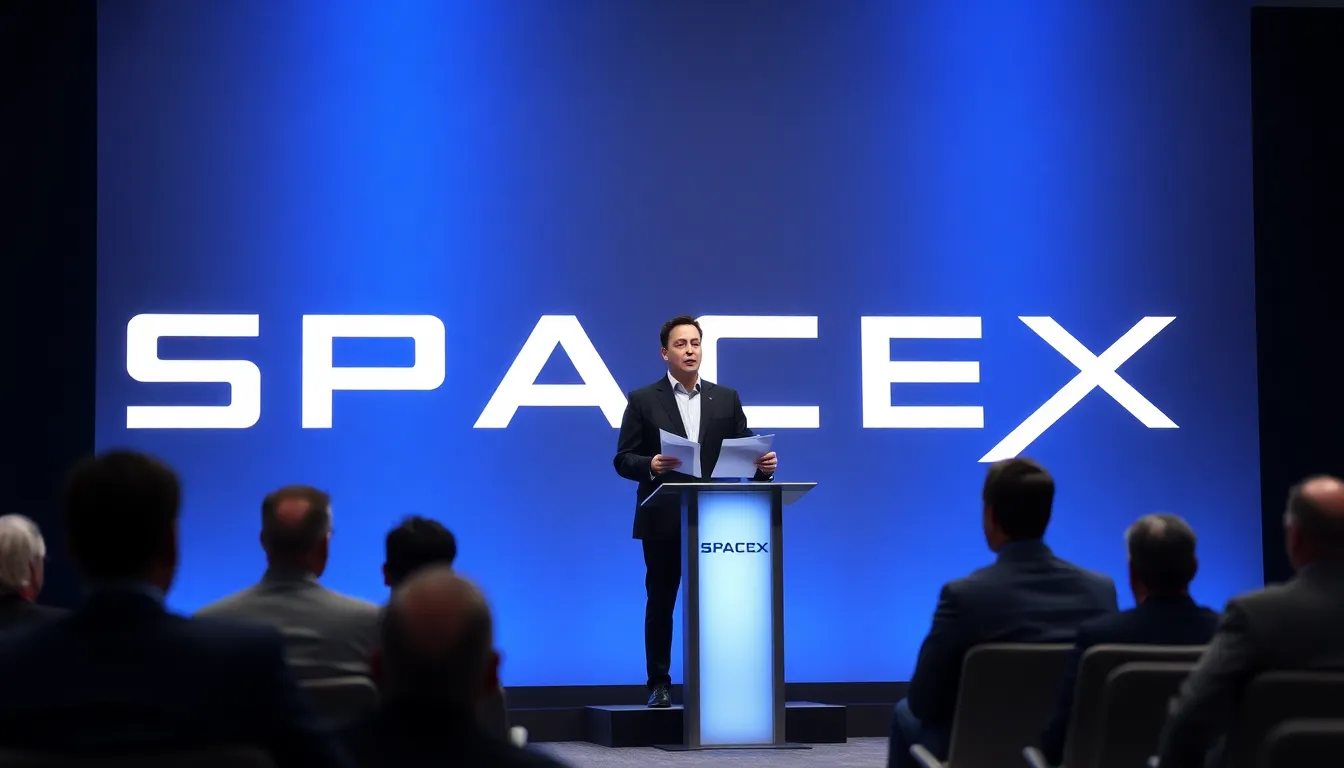
Private aerospace companies, such as SpaceX and Boeing, are also significant stakeholders. These organizations are contracted by NASA to develop spacecraft and launch systems. Their interests include profit generation, technological advancement, and establishing a foothold in the emerging space economy. The collaboration between NASA and these private entities highlights the increasing role of commercial interests in space exploration.
- International Space Agencies: Agencies like the European Space Agency (ESA) and the Indian Space Research Organisation (ISRO) have shown interest in collaborative opportunities, sharing data and expertise.
- Scientific Community: Researchers and scientists are stakeholders who seek data and findings from the mission to enhance understanding of lunar geology and potential resources.
- Environmental Advocates: Concerns regarding the environmental impact of space missions are raised by various organizations, emphasizing the need for sustainable practices in space exploration.
Conflicts may arise between governmental priorities and private sector interests, particularly regarding funding allocations and regulatory frameworks. The balance between encouraging innovation and ensuring safety and compliance is a key issue that stakeholders must navigate. Furthermore, the economic implications of space exploration, including job creation and technological advancements, create a complex landscape of trade-offs that must be carefully considered by all involved parties.
Who benefits from Nasa’s lunar mission and how
Nasa’s historic lunar mission stands to impact a wide array of groups, industries, and regions. From scientists and researchers to commercial space enterprises and educational institutions, the ripple effects of this monumental event are far-reaching. The mission not only aims to advance our understanding of the Moon but also fosters collaboration across various sectors.
In the short term, industries related to aerospace engineering, technology, and research are likely to see immediate benefits. Companies involved in satellite technology, propulsion systems, and materials science may experience increased demand for their products and services. Additionally, educational institutions could see a rise in student interest in STEM fields, as the mission sparks curiosity and inspires the next generation of scientists and engineers.
In the mid-term, the mission could lead to significant policy shifts regarding space exploration and funding. Governments may allocate more resources to space programs, resulting in enhanced international collaboration. This could open doors for public-private partnerships, enabling businesses to innovate and expand their offerings in the space sector.

- Economic Growth: Increased investments in space-related industries.
- Job Creation: New opportunities in aerospace and technology sectors.
- Educational Advancement: Growth in STEM programs and research initiatives.
- Global Collaboration: Strengthened international partnerships in space exploration.
However, there are also risks associated with such ambitious missions. The potential for budget overruns and technical failures could lead to public skepticism and reduced funding in the future. Additionally, the environmental impact of increased space launches must be carefully monitored to mitigate any adverse effects on our planet.
Overall, while challenges exist, the opportunities presented by Nasa’s lunar mission are vast, promising to reshape industries, inspire future generations, and foster a collaborative spirit in the pursuit of knowledge beyond Earth.
A: The primary goal was to explore the Moon’s surface, conduct scientific experiments, and prepare for future human missions to Mars. A: The mission spanned several weeks, including the launch, lunar orbit, and splashdown phases. A: The mission utilized advanced spacecraft technology, including autonomous landing systems and state-of-the-art communication tools. A: Public engagement included live broadcasts, educational programs, and social media updates to keep audiences informed and involved. A: This mission sets the groundwork for sustainable lunar exploration and paves the way for potential human settlement on Mars.
Frequently asked questions about the Moon mission
Key takeaways and future outlook on lunar exploration
The successful execution of NASA’s historic mission to the Moon marks a significant milestone in space exploration, showcasing advancements in technology, international collaboration, and scientific inquiry. As we reflect on the achievements and challenges faced during this journey, it becomes clear that the implications extend far beyond the lunar surface, influencing future missions and the broader landscape of space exploration.
Looking ahead, the lessons learned from this mission will inform the design and execution of upcoming lunar expeditions, paving the way for sustained human presence on the Moon and potential exploration of Mars. The integration of new technologies and international partnerships will be crucial in shaping the future of space endeavors.
- Technological advancements: Continued innovation in spacecraft design and propulsion systems will enhance mission efficiency and safety.
- International collaboration: Future missions will likely involve partnerships among nations, fostering shared knowledge and resources.
- Scientific research opportunities: The Moon serves as a key site for scientific experiments that can inform our understanding of the solar system.
- Public interest and support: Engaging the public through education and outreach will be essential for sustaining funding and enthusiasm for space exploration.
- Preparation for Mars: Insights gained from lunar missions will be critical in preparing for future human exploration of Mars and beyond.