


Granholm highlighted that factors such as the ongoing conflict in Ukraine and production cuts by major oil-producing nations are contributing to price volatility. For more insights on oil price dynamics, check out Understanding the Surge in Oil Prices Following Strategic Reserve Releases. These elements, coupled with rising global demand as economies recover from the pandemic, create a complex landscape for energy prices. As of mid-October 2023, Brent crude oil was trading above $90 per barrel, a level not seen since early 2022.
The Energy Secretary’s remarks underscore the challenges facing the Biden administration in managing energy costs for American households. With inflationary pressures already affecting many sectors, the potential for sustained high oil prices could exacerbate economic concerns. The administration is actively exploring various strategies to mitigate these impacts, including increasing domestic production and promoting alternative energy sources.
As the situation evolves, market analysts are closely monitoring the developments in both domestic and international oil markets. The uncertainty surrounding future oil supply and demand dynamics will play a crucial role in shaping energy policies and consumer behavior in the coming months. Stakeholders are urged to stay informed as these factors continue to unfold.
Factors contributing to current oil price trends
The global oil market has been experiencing significant fluctuations in prices due to a combination of geopolitical tensions, supply chain disruptions, and economic recovery patterns post-pandemic. For example, oil prices surged recently as Qatar signaled a potential Gulf production halt. Historically, oil prices have been sensitive to events such as conflicts in oil-producing regions, changes in production quotas by OPEC, and shifts in demand driven by economic growth or recession.
One key milestone in recent history was the COVID-19 pandemic, which led to an unprecedented drop in oil demand as countries imposed lockdowns and travel restrictions. In 2020, oil prices briefly turned negative for the first time in history, reflecting the severe oversupply and lack of storage capacity. As economies began to recover in 2021, demand surged, but supply struggled to keep pace, leading to upward pressure on prices.
Political factors also play a crucial role in shaping oil prices. The ongoing conflict in Ukraine has disrupted energy supplies and heightened concerns about European energy security, leading to increased prices. Additionally, sanctions on countries like Iran and Venezuela have restricted their oil exports, further tightening global supply.
Economic Indicators and Market Speculation
Economic indicators such as inflation rates, employment data, and consumer spending also influence oil prices. Rising inflation can lead to higher production costs, which are often passed on to consumers. For a deeper understanding of how conflicts affect pricing, consider reading Energy bills could rise by £160 as Iran conflict drives up gas prices. Furthermore, market speculation can amplify price movements; traders reacting to news and forecasts can create volatility that may not necessarily reflect the actual supply and demand fundamentals.
As the U.S. Energy Secretary has indicated, the combination of these factors suggests that oil prices may remain elevated for the foreseeable future. The interplay of geopolitical instability, economic recovery, and market dynamics creates a complex landscape that will continue to challenge both consumers and policymakers alike.
Key stakeholders and issues surrounding oil pricing
The dynamics of oil pricing involve a complex interplay of various stakeholders, each with their own interests and agendas. Key players include government entities, oil-producing nations, multinational corporations, and consumers. Understanding their motivations is crucial for analyzing the current state of oil prices and the potential for future fluctuations.
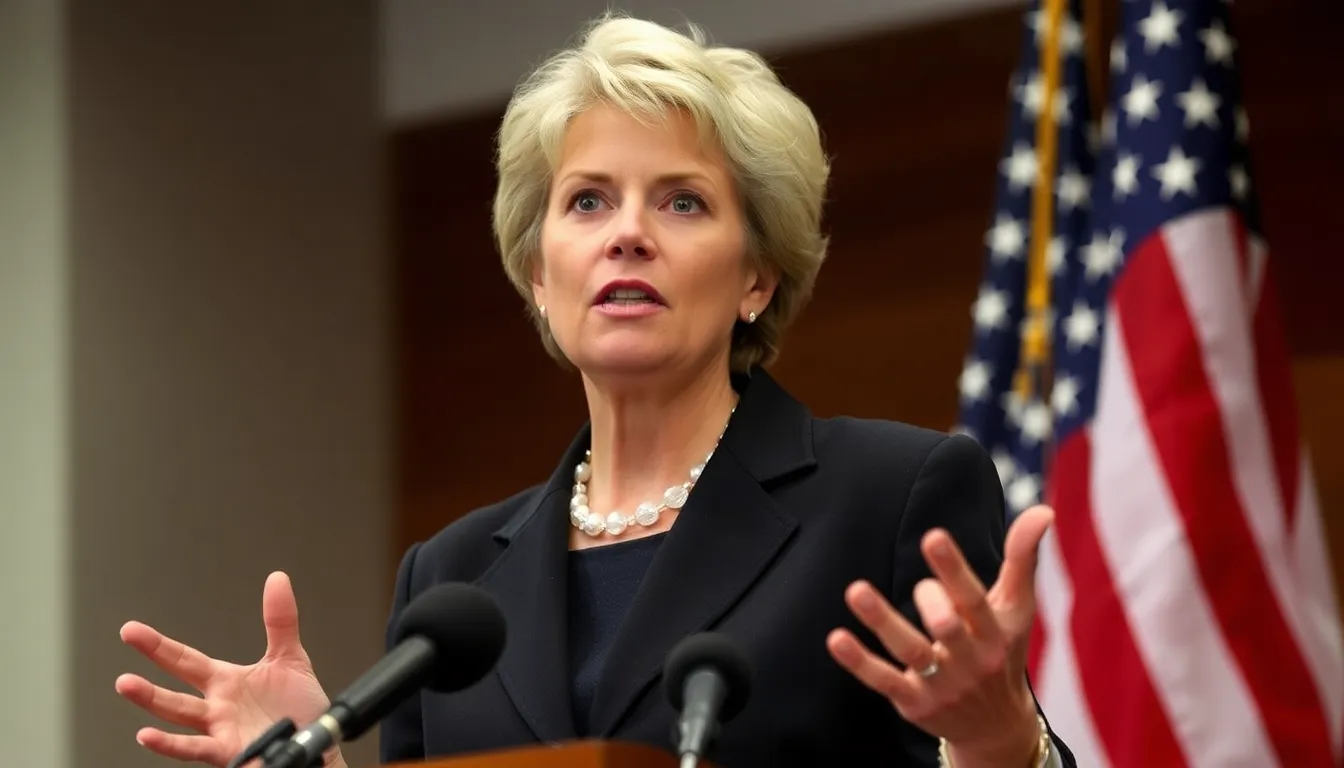
One of the primary stakeholders is the U.S. government, particularly the Department of Energy, which is tasked with ensuring energy security and stability in pricing. U.S. Energy Secretary’s recent statements suggest a focus on balancing domestic energy needs with international market pressures. This can lead to conflicts between promoting energy independence and responding to global supply chain issues.
Another significant group comprises OPEC (Organization of the Petroleum Exporting Countries) and its allies, who collectively influence oil production levels and, consequently, prices. Their decisions often reflect geopolitical tensions and economic strategies that can directly impact global oil supply. For instance, production cuts by OPEC can lead to higher prices, while increased output can drive prices down, affecting both consumers and producers.
Consumers, including businesses and individuals, also play a critical role in the oil market. Fluctuating oil prices can affect transportation costs, heating expenses, and overall economic stability. The interests of consumers often conflict with those of producers and governments, especially when prices rise sharply, leading to calls for regulatory interventions or alternative energy solutions.
- Geopolitical tensions: Conflicts in oil-rich regions can disrupt supply chains and lead to price volatility.
- Environmental regulations: Increasing focus on sustainability may impact production methods and costs.
- Technological advancements: Innovations in energy extraction and alternative energy sources could alter market dynamics.
- Global economic conditions: Economic downturns or booms influence oil demand and pricing structures.
- Consumer behavior: Changes in consumer preferences toward electric vehicles and renewable energy can shift market demand.
How high oil prices affect consumers and markets
High oil prices have a ripple effect that touches various groups, industries, and regions. Consumers, particularly those in low- to middle-income brackets, feel the strain as fuel costs rise, leading to increased prices for goods and services. Transportation and logistics industries, heavily reliant on fuel, face higher operational costs, which may be passed on to consumers in the form of elevated prices for everyday items.

In the short term, households may tighten their budgets, cutting back on discretionary spending as they allocate more funds toward fuel and heating costs. This shift can lead to a slowdown in economic growth, affecting retail sectors and service industries that thrive on consumer spending. Additionally, businesses may be forced to reevaluate their supply chains and pricing strategies, potentially leading to layoffs or reduced hiring.
Regions that are heavily dependent on oil imports will experience greater economic strain, particularly if prices remain high for an extended period. Conversely, oil-producing regions may see short-term economic boosts as their revenues increase, but this can create volatility in local economies that are overly reliant on oil income.
Despite the challenges, there are potential opportunities that may arise from sustained high oil prices. Renewable energy sectors may gain momentum as consumers and businesses look for alternatives to fossil fuels. Additionally, companies focused on energy efficiency technologies could see increased demand as businesses seek to mitigate rising energy costs.
- Increased consumer prices for goods and services
- Budget constraints for households
- Potential job losses in affected industries
- Opportunities for renewable energy and efficiency technologies
- Economic volatility in oil-dependent regions
A: Various factors, including geopolitical tensions and supply chain disruptions, contribute to the high prices. The Energy Secretary highlighted these issues as ongoing challenges. A: High oil prices can lead to increased costs for fuel and transportation, which may affect household budgets and overall economic growth. A: While some measures may be considered, the Secretary indicated that significant reductions in prices are not anticipated in the near term. A: Fluctuating oil prices can influence inflation rates, consumer spending, and investment decisions, ultimately impacting economic stability. A: Consumers may need to prepare for sustained high fuel prices, as the Secretary suggested that no immediate relief is on the horizon.
Frequently asked questions about oil prices
Outlook on oil prices and economic implications
The recent statements from the U.S. Energy Secretary highlight a complex landscape for oil prices, suggesting that significant declines may not be on the horizon. Factors such as geopolitical tensions, supply chain disruptions, and fluctuating demand continue to exert pressure on market stability. As the global economy navigates these challenges, the implications for consumers and industries alike are profound.
Stakeholders should remain vigilant as oil prices could influence inflation rates, transportation costs, and overall economic growth. Understanding the interplay between these elements will be crucial for businesses and policymakers aiming to mitigate potential risks associated with prolonged high oil prices.
- Monitor geopolitical developments that may impact oil supply and pricing dynamics.
- Watch for changes in consumer behavior as fuel costs affect discretionary spending.
- Consider the potential for increased investment in alternative energy sources as a response to high oil prices.
- Evaluate the impact of sustained oil prices on inflationary trends and interest rate decisions.