


In recent months, Kushner has reportedly reached out to various investors, including those from the Middle East, seeking financial backing for his firm. Notably, he has been involved in discussions with prominent figures in the region, which critics argue could compromise his ability to negotiate impartially on behalf of the U.S. government. This situation is similar to how China stockpiled more oil before war broke out in Iran.
The timing of these fundraising activities has drawn scrutiny, especially as Kushner was appointed to his diplomatic role in 2017 and continued through the end of the Trump administration in January 2021. Observers are questioning whether his financial pursuits could influence U.S. foreign policy, particularly in relation to key allies in the Middle East.
As the situation unfolds, the implications of Kushner’s actions could have lasting effects on public trust in diplomatic processes and the integrity of U.S. foreign relations. Lawmakers and ethics experts are calling for greater transparency and accountability regarding the intertwining of private business interests and public service.

Understanding Kushner’s dual roles in government and business
The intertwining of business and government roles has long been a contentious issue in American politics, and few examples are as striking as that of Jared Kushner. Appointed as a senior advisor to his father-in-law, President Donald Trump, Kushner was tasked with a range of responsibilities, including the complex role of Middle East peace envoy. However, his ongoing involvement with his family’s real estate business raised significant ethical concerns.
Kushner Companies, the family business, has a history of leveraging political connections for financial gain. This practice is not unique to Kushner; many politicians have faced scrutiny for their business interests while in office. However, the scale and visibility of Kushner’s dual roles have sparked debates about potential conflicts of interest and the appropriateness of soliciting investments while serving in a government capacity.
Key milestones in Kushner’s career illustrate the challenges of maintaining ethical boundaries. His appointment in 2017 coincided with a series of high-profile deals, including a controversial investment from Qatar that raised eyebrows about the influence of foreign money in U.S. politics. Furthermore, Kushner’s efforts to secure funding for his firm while engaged in diplomatic negotiations have led to accusations of prioritizing personal financial interests over national security and foreign policy objectives, similar to discussions around political actions in other contexts.
The Blurred Lines of Ethics and Governance
The ethical implications of Kushner’s dual roles have prompted discussions about the need for stricter regulations on conflicts of interest. Precedent cases, such as those involving former Secretary of State Hillary Clinton and her family’s foundation, highlight the ongoing struggle to delineate personal and public interests in political life. As the debate continues, Kushner’s situation serves as a focal point for examining the broader issues of accountability and transparency in government.

Examining the implications of Kushner’s actions on U.S. foreign policy
Jared Kushner, serving as a senior advisor to former President Donald Trump and a key figure in Middle Eastern diplomacy, has recently attracted attention for soliciting funds for his private equity firm while simultaneously acting as a U.S. envoy. This dual role raises critical questions about the intersection of private interests and public service, particularly in the context of U.S. foreign policy in the Middle East.
The primary stakeholders in this scenario include Jared Kushner himself, the U.S. government, foreign governments in the Middle East, and potential investors in Kushner’s firm. Each of these actors has distinct interests that may conflict with one another. For instance, Kushner’s financial interests could potentially influence his diplomatic decisions, creating a perception of bias or self-dealing.
- Potential conflicts of interest: Kushner’s fundraising efforts may lead to suspicions about his motivations in diplomatic negotiations, especially regarding sensitive issues like Israeli-Palestinian relations.
- Impact on U.S. credibility: The intertwining of Kushner’s business pursuits with his role as a diplomat could undermine the credibility of U.S. foreign policy initiatives in the region.
- Legal implications: There are questions surrounding the legality of Kushner’s actions, particularly in relation to the Emoluments Clause and other regulations governing conflicts of interest for public officials.
- Economic ramifications: The potential for foreign investments in Kushner’s firm could lead to economic leverage over U.S. foreign policy, raising concerns about national security.
Moreover, the actions of Kushner and the resulting scrutiny highlight the broader issue of transparency and accountability in government. As public trust in political institutions wanes, the blending of personal financial interests with public service roles could exacerbate this crisis, leading to calls for stricter regulations and oversight of government officials.
Who is affected by Kushner’s fundraising efforts?
Jared Kushner’s dual role as a Middle East envoy and a fundraiser for his private firm raises significant concerns across various groups and sectors. Key stakeholders include government officials, foreign diplomats, investors, and the general public who are interested in both U.S. foreign policy and the ethical implications of such fundraising activities, reminiscent of issues faced by firms like Live Nation during regulatory scrutiny.
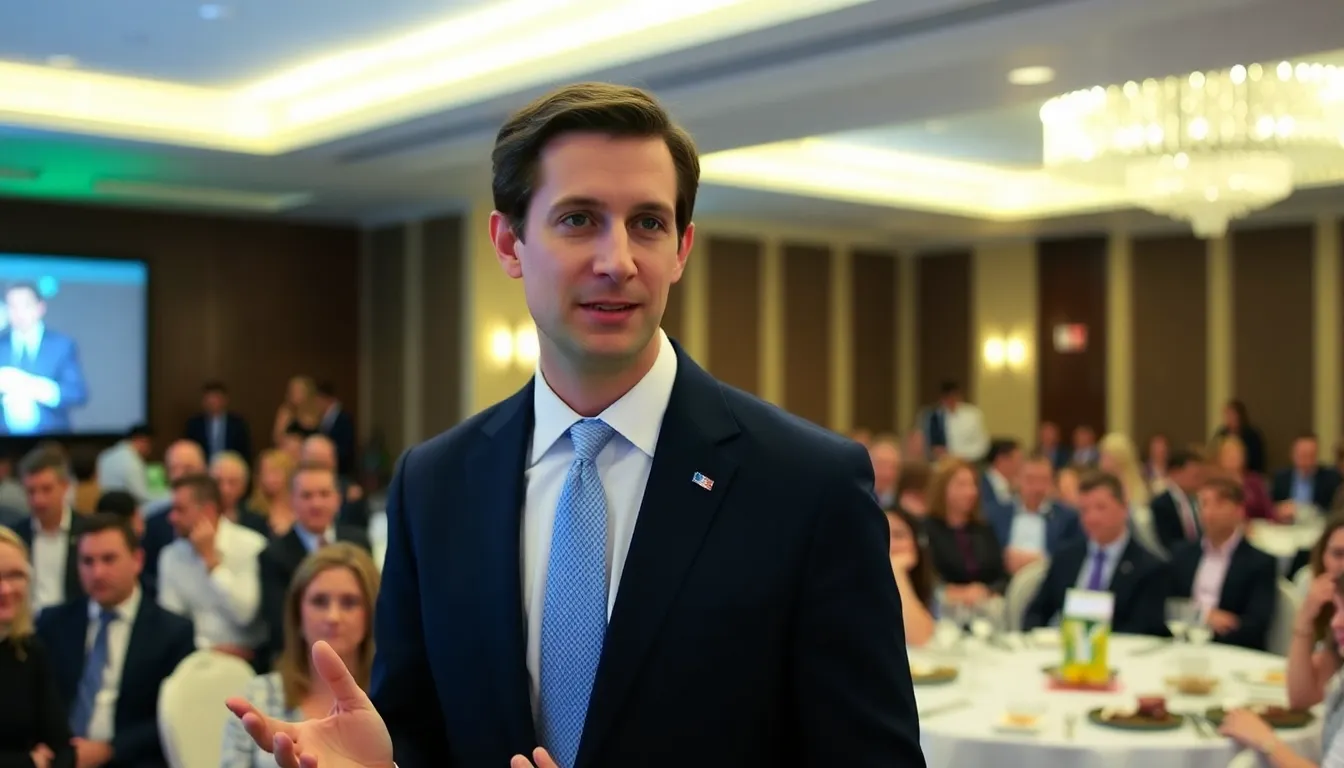
In the short term, Kushner’s actions may create friction within diplomatic circles, particularly among Middle Eastern nations that could perceive a conflict of interest. This perception could hinder effective negotiations and diplomatic relations, impacting regional stability and U.S. influence. Additionally, businesses in sectors dependent on foreign investment may experience uncertainty as potential investors reassess their commitments in light of these developments.
In the mid-term, the implications could extend to U.S. domestic policy, especially regarding campaign finance laws and ethical standards for public officials. There is a risk that Kushner’s fundraising could lead to increased scrutiny and calls for reform in how political contributions are managed, potentially reshaping the political landscape. However, it may also present opportunities for advocacy groups and watchdog organizations to push for greater transparency and accountability in government.
- Diplomatic Relations: Potential strains in U.S.-Middle East relations.
- Investment Climate: Uncertainty affecting foreign investments and business operations.
- Policy Reform: Calls for changes in campaign finance and ethical guidelines.
- Advocacy Opportunities: Increased focus on transparency and accountability initiatives.
Overall, while there are notable risks associated with Kushner’s fundraising efforts, they also open avenues for dialogue about ethical governance and the role of private interests in public service.
A: The primary concern is the potential conflict of interest that arises when a government official seeks private funding while representing U.S. interests abroad. A: Kushner’s actions could undermine trust in U.S. diplomacy, as foreign partners may question the integrity of negotiations and agreements. A: While some officials have engaged in fundraising, the combination of private investment solicitation during active diplomatic roles is relatively rare and controversial. A: Kushner may face scrutiny under ethics laws that govern conflicts of interest, which could lead to investigations or calls for accountability. A: Reactions from lawmakers and ethics watchdogs vary, with many expressing concern over the propriety of Kushner’s actions and calling for clearer regulations.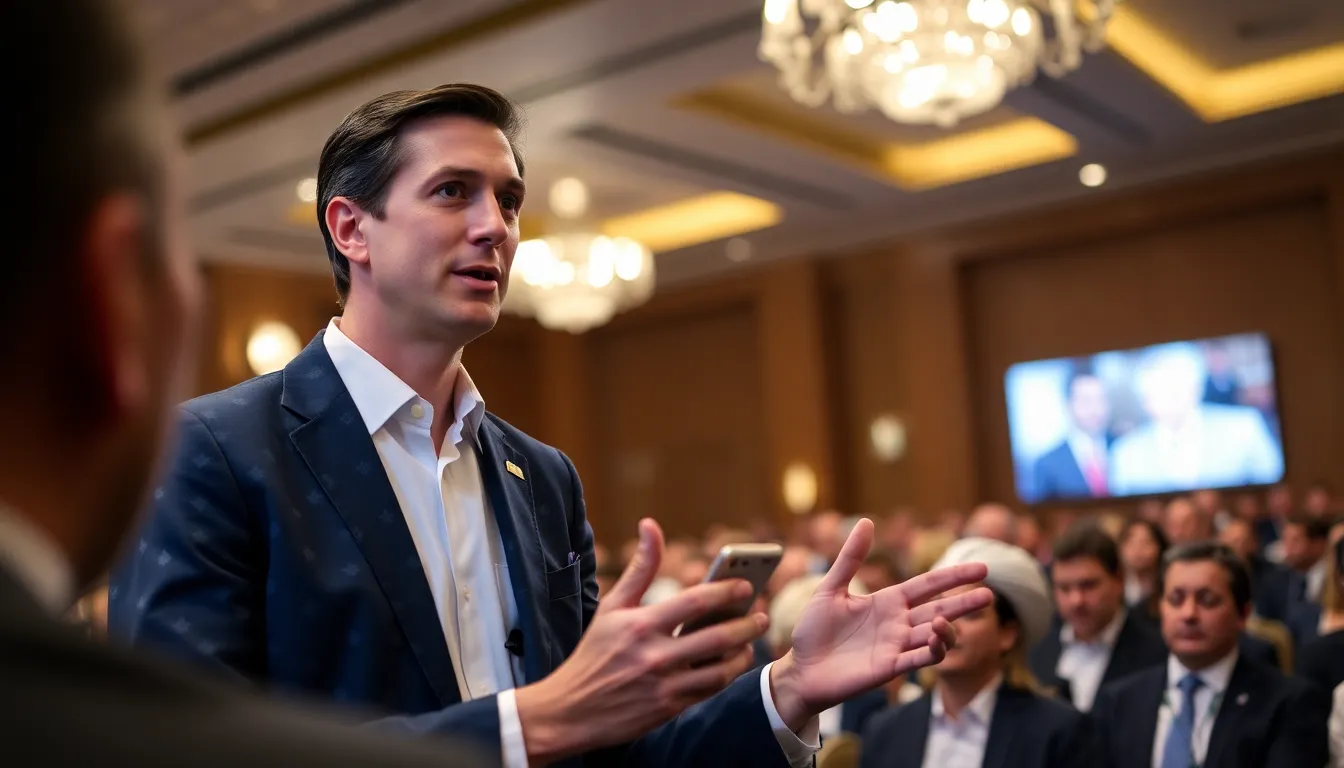
Frequently Asked Questions about Kushner’s Fundraising
Key takeaways and future implications of Kushner’s actions
The intersection of Jared Kushner’s dual roles as a Middle East envoy and a private fund-seeker raises significant concerns about conflicts of interest and the ethical implications of public service. As he navigates the complexities of international diplomacy while simultaneously soliciting investments for his firm, the potential for perceived or actual favoritism in policy decisions becomes a critical point of scrutiny. This situation not only affects the credibility of U.S. foreign policy but also sets a precedent for how similar roles may be perceived in the future.
Going forward, stakeholders in both the public and private sectors will need to monitor the repercussions of Kushner’s actions closely. The implications for transparency in government roles and the potential for conflicts of interest in high-level positions are areas that warrant ongoing attention and analysis.
- Increased scrutiny on dual roles: Expect heightened examination of individuals holding multiple roles in government and private sectors.
- Potential policy shifts: Watch for any changes in U.S. foreign policy that may align with Kushner’s business interests.
- Impact on public trust: The situation could further erode public trust in government institutions if not addressed transparently.
- Regulatory responses: Anticipate possible calls for stricter regulations regarding conflicts of interest in government positions.