


This incident is part of a troubling trend, as violence against politicians has increased in recent years, prompting calls for enhanced security measures.
This attack has sparked widespread outrage and discussions about the implications for democracy in India. Political analysts warn that such acts of violence can deter public participation in politics and undermine the democratic process. As the investigation unfolds, many are watching closely to see how the government will respond to ensure the safety of its leaders and the integrity of political discourse.
The broader implications of this incident may influence future political strategies and security protocols across the nation.
Understanding the political climate in India
The political landscape in India has been marked by intense rivalry and occasional violence, particularly in regions where political power is closely tied to local identities and caste dynamics. Over the years, the country has witnessed a series of high-profile political assassinations and violent incidents that underscore the risks faced by politicians. This climate of fear and aggression has been exacerbated by the rise of regional parties and the increasing polarization of political discourse.
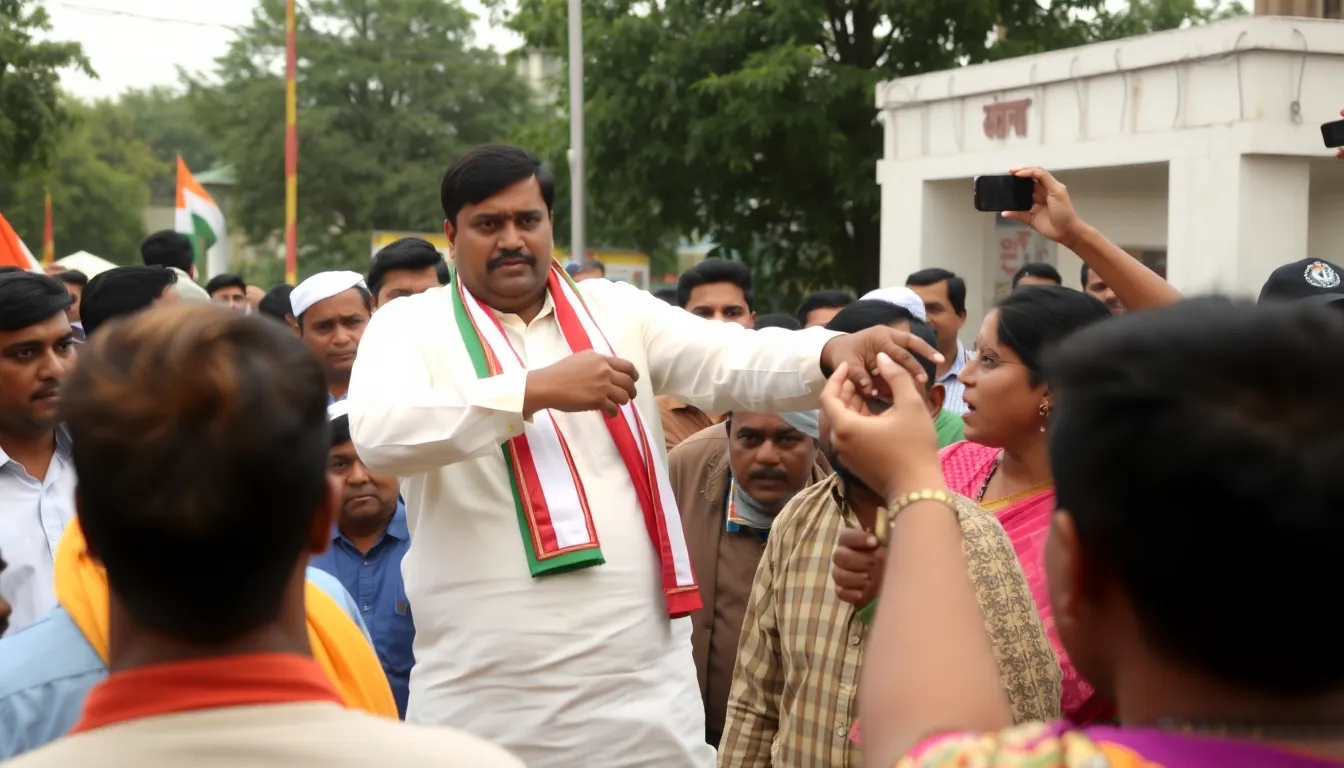
One significant milestone in this context was the assassination of former Prime Minister Rajiv Gandhi in 1991, which was a pivotal moment that highlighted the dangers associated with political leadership in India. Since then, various politicians have faced threats to their lives, often linked to their political affiliations or decisions that have angered powerful local factions. The emergence of organized crime in politics has further complicated this issue, with criminal elements often influencing electoral outcomes.
Recent Trends in Political Violence
In recent years, there has been a notable increase in incidents of political violence, particularly in states like Uttar Pradesh and Bihar, where gangsters and politicians have formed alliances that blur the lines between governance and criminality. The rise of social media has also played a role in escalating tensions, as inflammatory rhetoric can quickly spread and incite violence. Politicians are now more vulnerable than ever, facing threats not only from rival parties but also from within their own constituencies.
The incident involving a point-blank gunshot that narrowly missed an Indian politician is a stark reminder of this volatile environment. It reflects the broader issues of security and the challenges faced by elected officials in maintaining their safety while serving their constituents. As political rivalries intensify, the stakes for politicians continue to rise, making the need for effective security measures more critical than ever.
Examining the implications of political violence
The recent incident involving a point-blank gunshot that narrowly missed an Indian politician has raised significant concerns regarding the safety of public figures and the broader implications of political violence in India. This event not only highlights the immediate threat to individual politicians but also reflects deeper societal issues related to political polarization and the use of violence as a means of political expression.
Key actors in this scenario include the Indian government, political parties, and law enforcement agencies. The Indian government has a vested interest in maintaining public order and ensuring the safety of its officials, as such incidents can undermine public confidence in democratic institutions. Political parties, on the other hand, may find themselves either rallying around the affected politician or facing scrutiny regarding their own responses to political violence.
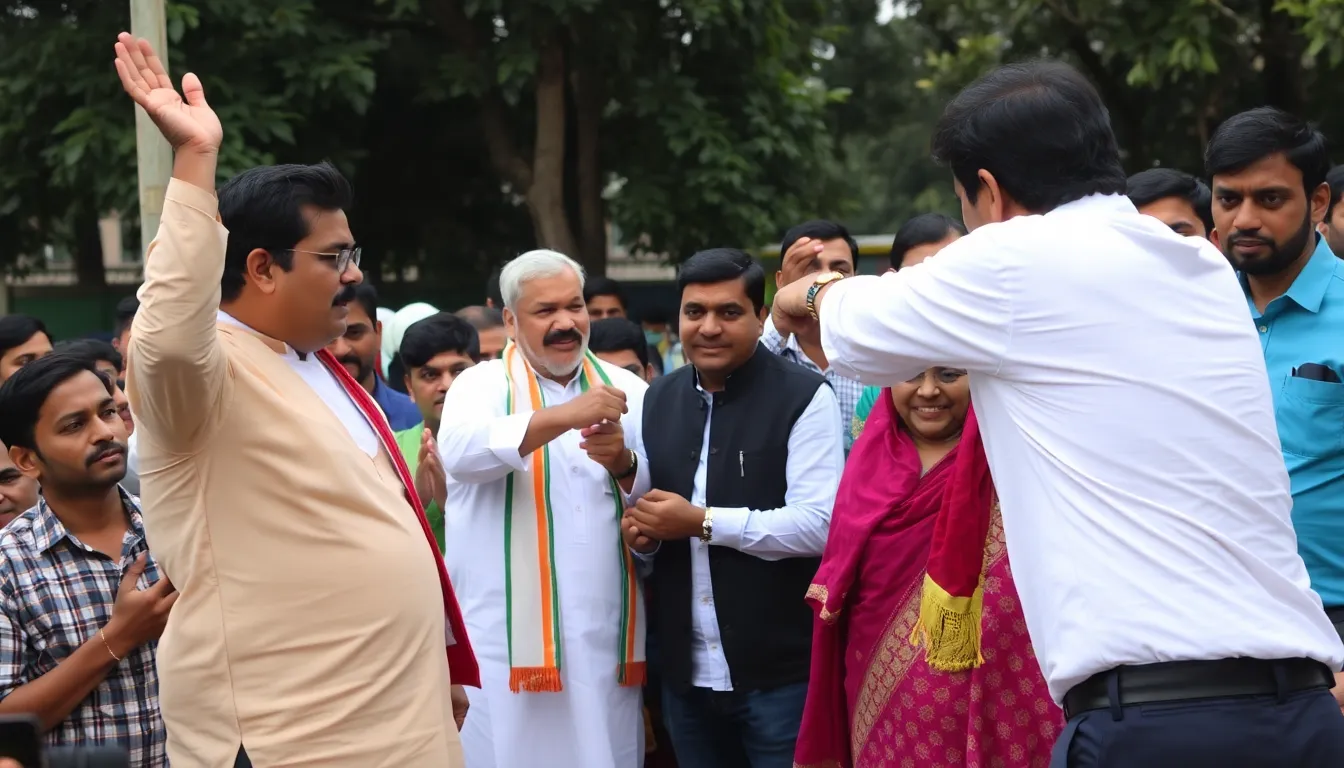
Moreover, the legal framework surrounding political violence in India presents complex challenges. The existing laws may not adequately address the rising trend of politically motivated attacks, leading to calls for reform. Law enforcement agencies are tasked with investigating such incidents, but they often face limitations in resources and public trust, which can hinder their effectiveness.
- Political Polarization: The incident underscores the growing divide among political factions, potentially inciting further violence.
- Public Safety Concerns: The safety of politicians and public figures is increasingly at risk, raising alarms about the state of democracy.
- Legal Reforms: There may be a push for new legislation to better protect politicians and address the root causes of political violence.
- Media Influence: The role of media in shaping public perception and potentially escalating tensions cannot be overlooked.
- International Implications: Such incidents may affect India’s image on the global stage, influencing foreign relations and investments.
It raises essential questions about the adequacy of current responses to political threats and the need for a comprehensive approach that addresses both immediate safety concerns and the underlying societal issues contributing to such violence, as discussed in related articles.
Potential repercussions for political safety measures
The recent incident involving a point-blank gunshot that narrowly missed an Indian politician has raised significant concerns about political safety across the country. Various groups, including political leaders, law enforcement agencies, and the general public, are likely to be affected by the fallout from this alarming event.
In the short term, the immediate impact on daily life may include increased security measures at political events and public gatherings. Politicians may face heightened scrutiny and fear for their safety, leading to a more cautious approach to public engagements. This could result in a temporary decrease in political activity, affecting voter engagement and civic participation.
In the mid-term, businesses that provide security services, surveillance technology, and personal protection may see a surge in demand. On the other hand, regions with a history of political violence may experience economic downturns as investors become wary of instability. Additionally, public policy may shift as lawmakers push for stricter gun control measures and enhanced security protocols.
- Increased demand for security services and technology.
- Potential decline in political participation among citizens.
- Changes in legislation regarding public safety and gun control.
- Economic impacts on regions perceived as unsafe.
While the risks associated with political violence are evident, there may also be opportunities for dialogue on reforming security protocols and fostering a safer political environment. This incident could serve as a catalyst for discussions on the importance of protecting public figures and ensuring the safety of democratic processes.
A: The video shows a gunman attempting to shoot an Indian politician at point-blank range, but the shot misses, creating a tense situation. A: The identity of the politician has not been disclosed in the video, but they are a notable figure in Indian politics. A: The public has expressed outrage and concern over the increasing violence against politicians, calling for better security measures. A: Authorities are currently investigating the incident and have not yet confirmed any arrests related to the shooting attempt. A: This incident highlights the urgent need for enhanced security protocols to protect politicians and ensure public safety.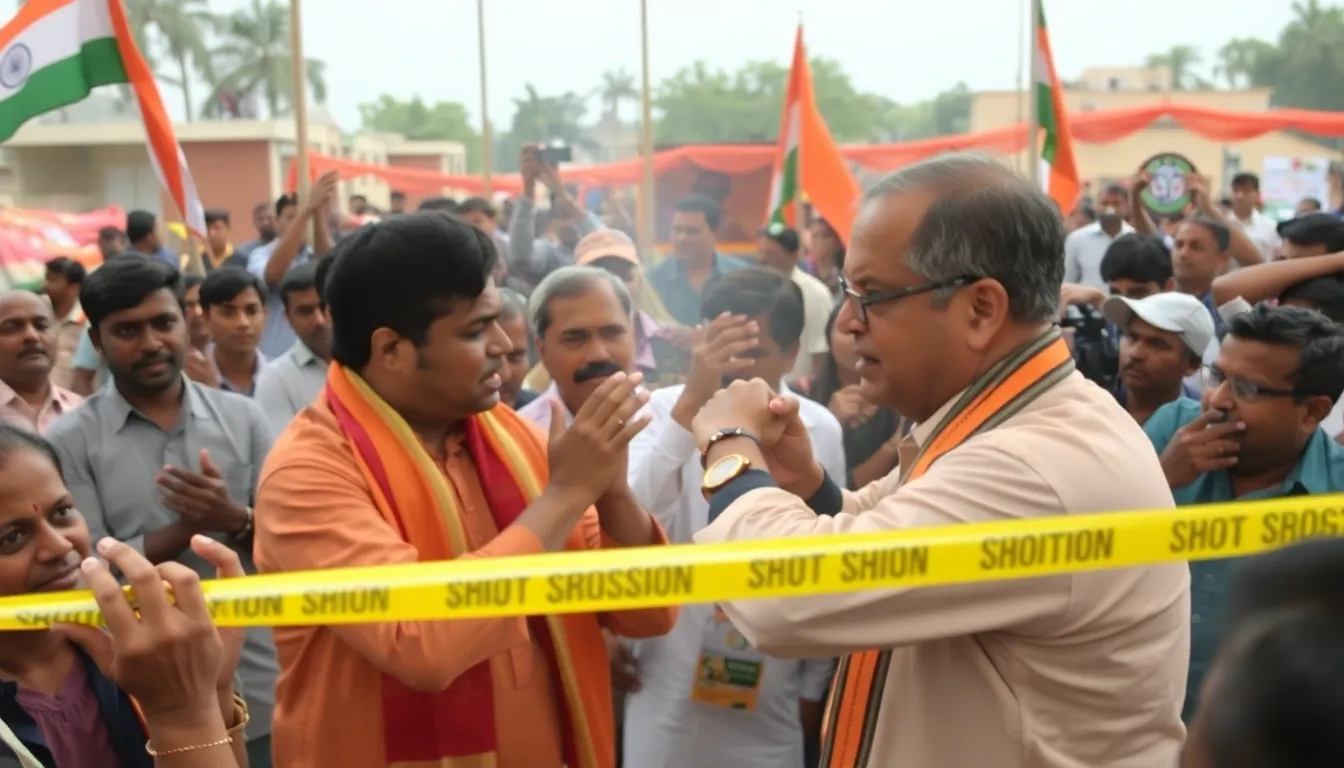
Frequently asked questions about the incident
Key takeaways and future implications
The recent incident involving a point-blank gunshot that narrowly missed an Indian politician has raised significant concerns about political safety and the increasing volatility in the region. This event underscores the urgent need for enhanced security measures for public figures and the potential implications for political stability in the area. As the investigation unfolds, the reactions from political leaders and law enforcement will be critical in shaping public perception and response.
Moreover, this incident may serve as a catalyst for broader discussions regarding political violence and the role of media coverage in shaping narratives around such events. Observers should remain vigilant about how these dynamics evolve and influence both public sentiment and policy decisions.
- Increased scrutiny on security protocols for politicians may lead to stricter regulations and measures.
- The incident could prompt a rise in political activism and public discourse surrounding safety and violence.
- Media coverage will likely play a significant role in framing the narrative and influencing public opinion.
- Potential for heightened tensions among political factions, affecting future elections and governance.
- Monitoring the response from law enforcement agencies will be essential in assessing their effectiveness and public trust.