


The announcement from Qatar comes amid ongoing geopolitical tensions and production challenges in the region. Analysts suggest that if Gulf production halts, it could severely disrupt global oil supplies, leading to further price increases, as highlighted in Iran war drives oil prices above $100 a barrel for first time since 2022. The Gulf Cooperation Council (GCC) countries, which include major oil producers like Saudi Arabia and the United Arab Emirates, are closely monitoring the situation.
Market reactions have been swift, with traders expressing concerns over potential supply shortages. The International Energy Agency (IEA) has also indicated that any significant disruption in Gulf oil production could have far-reaching effects on the global economy. As countries around the world grapple with rising energy costs, the implications of this situation are becoming increasingly critical.
In response to the rising prices, some governments are considering measures to mitigate the impact on consumers and businesses. However, the uncertainty surrounding Gulf production continues to overshadow these efforts, leaving many to speculate on the future trajectory of oil prices. The coming days will be crucial in determining how this situation unfolds and its lasting effects on the energy market.
Understanding the background of the Gulf oil production situation
The Gulf region has long been a pivotal player in the global oil market, with its vast reserves significantly influencing oil prices worldwide. Historically, the discovery of oil in the early 20th century transformed the economies of Gulf nations, leading to unprecedented wealth and development, much like the events during the 1973 oil embargo. Countries like Saudi Arabia, Qatar, and the United Arab Emirates became key members of the Organization of the Petroleum Exporting Countries (OPEC), establishing their dominance in oil production and exportation.
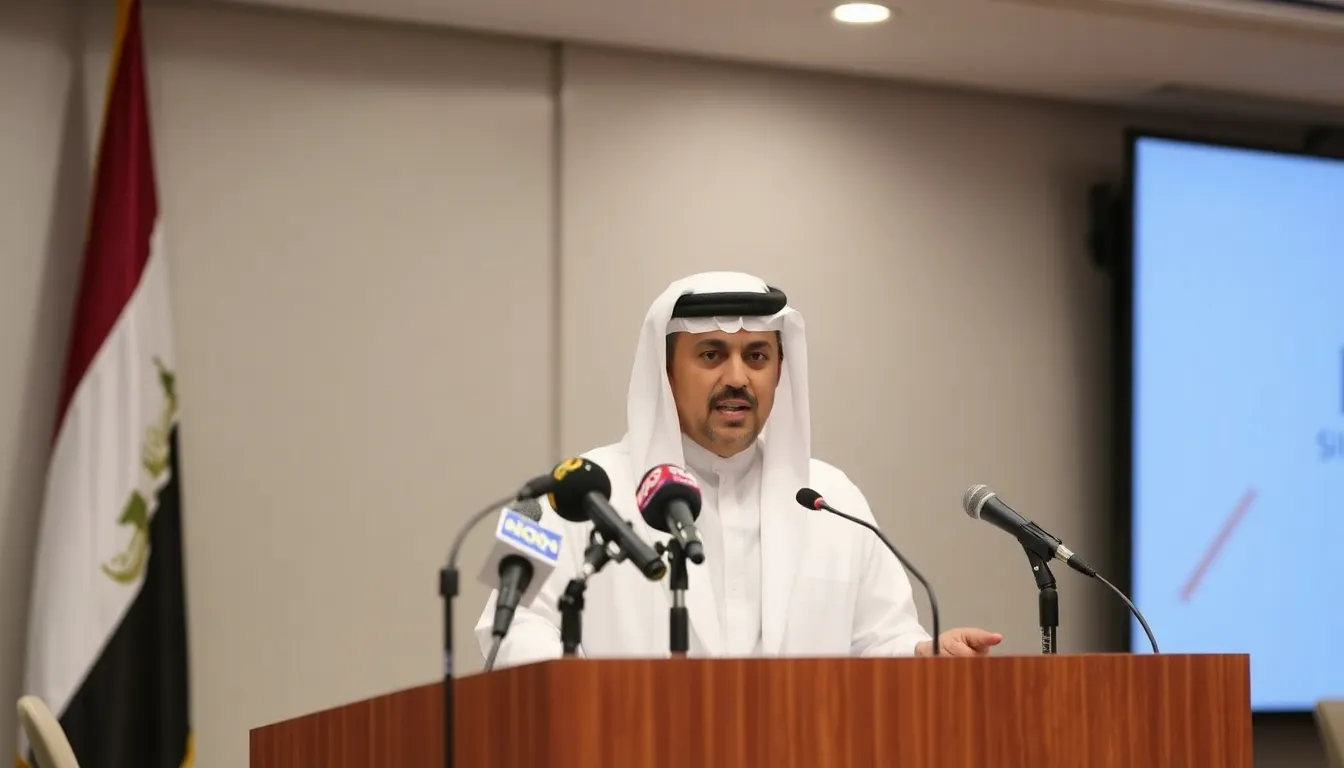
In recent years, geopolitical tensions in the region have further complicated the oil landscape. The ongoing conflicts in Yemen and Syria, along with tensions between Iran and its Gulf neighbors, have raised concerns about the stability of oil supplies. The recent warning from Qatar regarding potential production halts underscores the fragility of the situation, as any disruption in Gulf oil production could have immediate and far-reaching consequences for global markets.
Key Milestones in Gulf Oil Production
Several key events have shaped the current state of Gulf oil production. The 1973 oil embargo, for example, highlighted the power of OPEC in manipulating oil prices through production cuts. More recently, the 2014 oil price crash, triggered by a surge in U.S. shale oil production, forced Gulf states to adapt to a new era of lower prices, leading to economic diversification efforts. These historical precedents illustrate the delicate balance between production levels and geopolitical stability in the region.
As the world grapples with the implications of climate change and a transition to renewable energy, the Gulf states are at a crossroads. Their economies remain heavily reliant on oil revenues, making them vulnerable to fluctuations in global oil prices. The current situation, marked by Qatar’s alarming warning, serves as a reminder of the interconnectedness of geopolitics and energy markets, and the potential for rapid changes that can impact economies worldwide, similar to the trends discussed in US submarine sinks Iranian warship amid escalating conflict.
Key stakeholders and issues surrounding the oil market
The recent surge in oil prices, reaching a two-year high, has drawn attention to a complex landscape of stakeholders in the Gulf region. Central to this situation is Qatar, which has issued warnings about the potential cessation of oil production across the Gulf states. This warning not only affects the immediate market but also has broader implications for global energy security.
Key stakeholders include the governments of Gulf Cooperation Council (GCC) countries, major oil corporations, and international markets. Each of these actors has distinct interests that can lead to conflicts or trade-offs. For instance, while GCC nations aim to maximize revenue from oil exports, they must also consider the long-term sustainability of their economies, which are heavily reliant on fossil fuels.
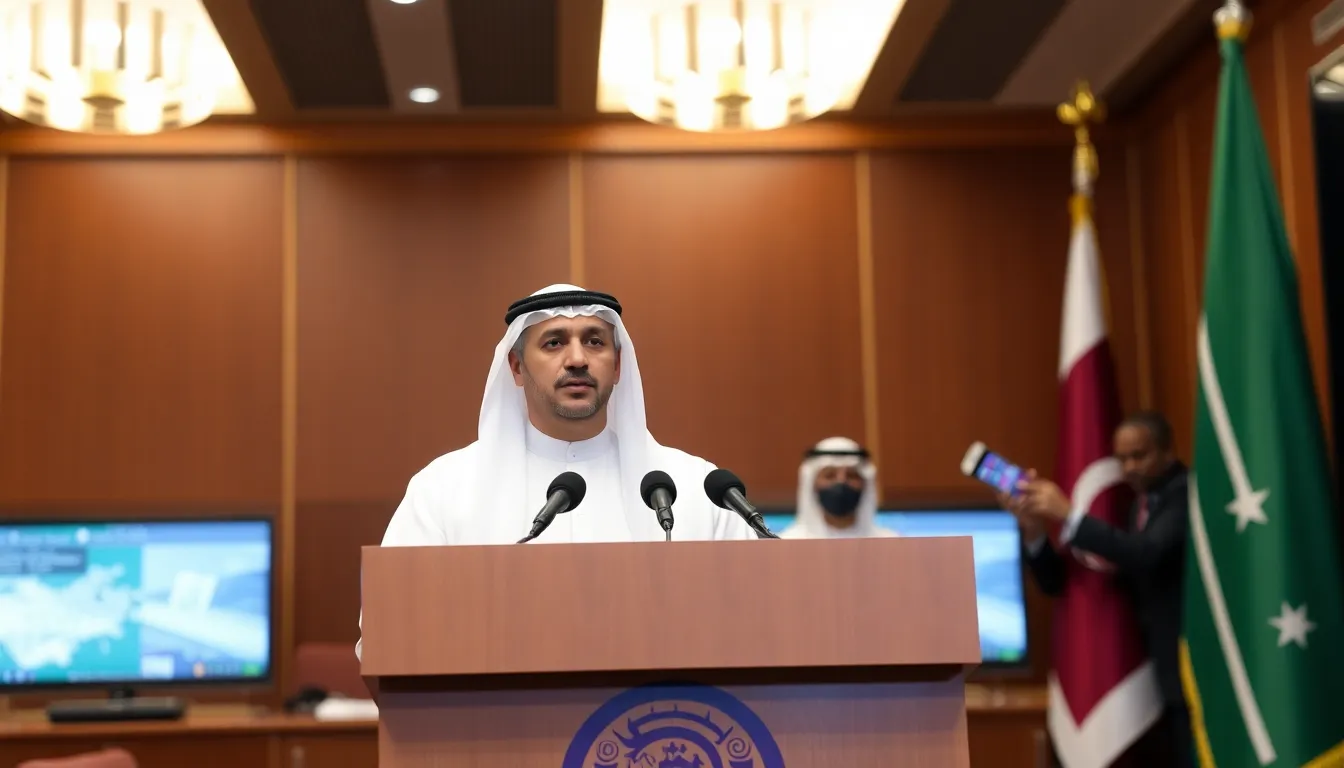
Furthermore, the interests of oil corporations often intersect with those of governments. Companies may push for increased production to meet global demand, while governments may prioritize stability and environmental concerns. This dynamic can create tension, especially in light of recent geopolitical developments.
- Geopolitical tensions: Ongoing conflicts in the region could exacerbate production risks and affect global oil prices.
- Economic dependencies: Many Gulf economies are heavily reliant on oil revenues, which complicates efforts to diversify their economies.
- Environmental considerations: There is increasing pressure on Gulf states to transition to renewable energy sources, which may conflict with short-term production goals.
- Market volatility: Fluctuations in oil prices can lead to economic instability, affecting both producers and consumers worldwide.
- Legal frameworks: International agreements on oil production and environmental regulations can influence operational decisions within the Gulf states.
In summary, the interplay between these stakeholders and the issues at hand highlights the intricate balance required to navigate the challenges facing the oil market today. As Qatar’s warnings resonate throughout the region, the potential for significant shifts in production and pricing looms large, prompting a reevaluation of strategies among all involved parties.
Potential impacts on global markets and consumers
The recent surge in oil prices, reaching a two-year high, has significant implications for various groups and industries worldwide. The warning from Qatar about potential halts in Gulf production amplifies concerns over energy supply, impacting both consumers and businesses alike.
One of the most affected groups includes consumers, particularly those reliant on oil for transportation and heating. Rising fuel prices can lead to increased costs for everyday goods, as transportation expenses are passed down the supply chain. Additionally, households may face higher energy bills, straining budgets in the short term.
Industries such as transportation, manufacturing, and agriculture are also at risk. Higher oil prices can disrupt logistics and supply chains, leading to increased operational costs. For instance, airlines may need to adjust ticket prices due to soaring fuel costs, potentially reducing travel demand. Similarly, farmers relying on diesel for machinery may see their production costs rise, impacting food prices.
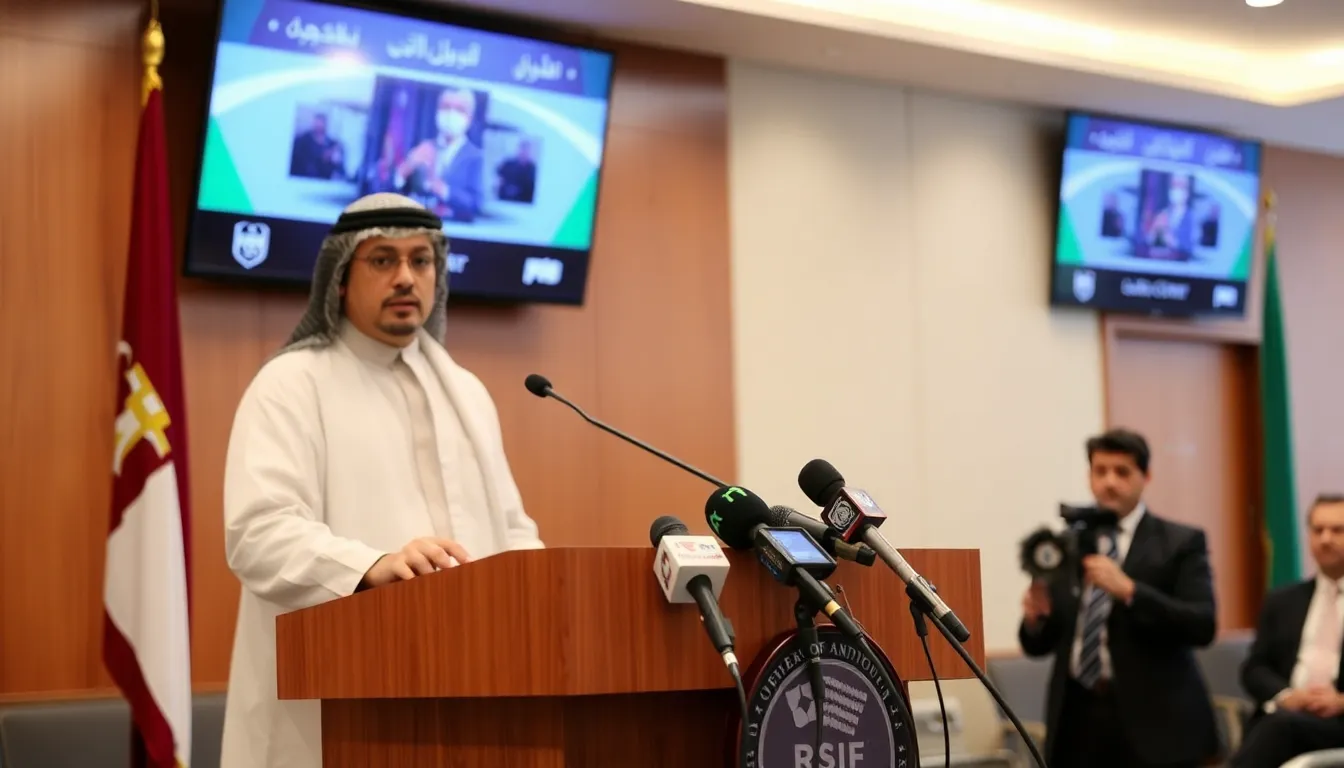
- Increased transportation and heating costs for consumers.
- Higher operational costs for airlines and logistics companies.
- Potential rise in food prices due to increased agricultural costs.
However, there are also potential opportunities that may arise from this situation. Renewable energy sectors could see increased investment as businesses and governments look for alternatives to fossil fuels. Additionally, oil-exporting nations may experience a boost in revenue, allowing for increased public spending and investment in infrastructure projects, which could stimulate economic growth in those regions.
A: Oil prices are rising due to warnings from Qatar that Gulf oil production could stop, creating uncertainty in the market. This potential disruption has led to increased speculation and panic buying. A: The Gulf region is a major oil producer, and any significant changes in production levels can impact global supply. Reduced output from this area typically leads to higher prices worldwide. A: Higher oil prices can lead to increased fuel costs for consumers, affecting transportation and heating expenses. This can also contribute to inflationary pressures in various sectors. A: While there are alternative oil sources, the Gulf region remains a critical supplier due to its vast reserves. Other regions may not be able to quickly compensate for a sudden drop in Gulf production. A: Governments and organizations may consider strategic oil reserves or increasing production from other regions to stabilize prices. Additionally, promoting renewable energy sources can reduce dependence on oil.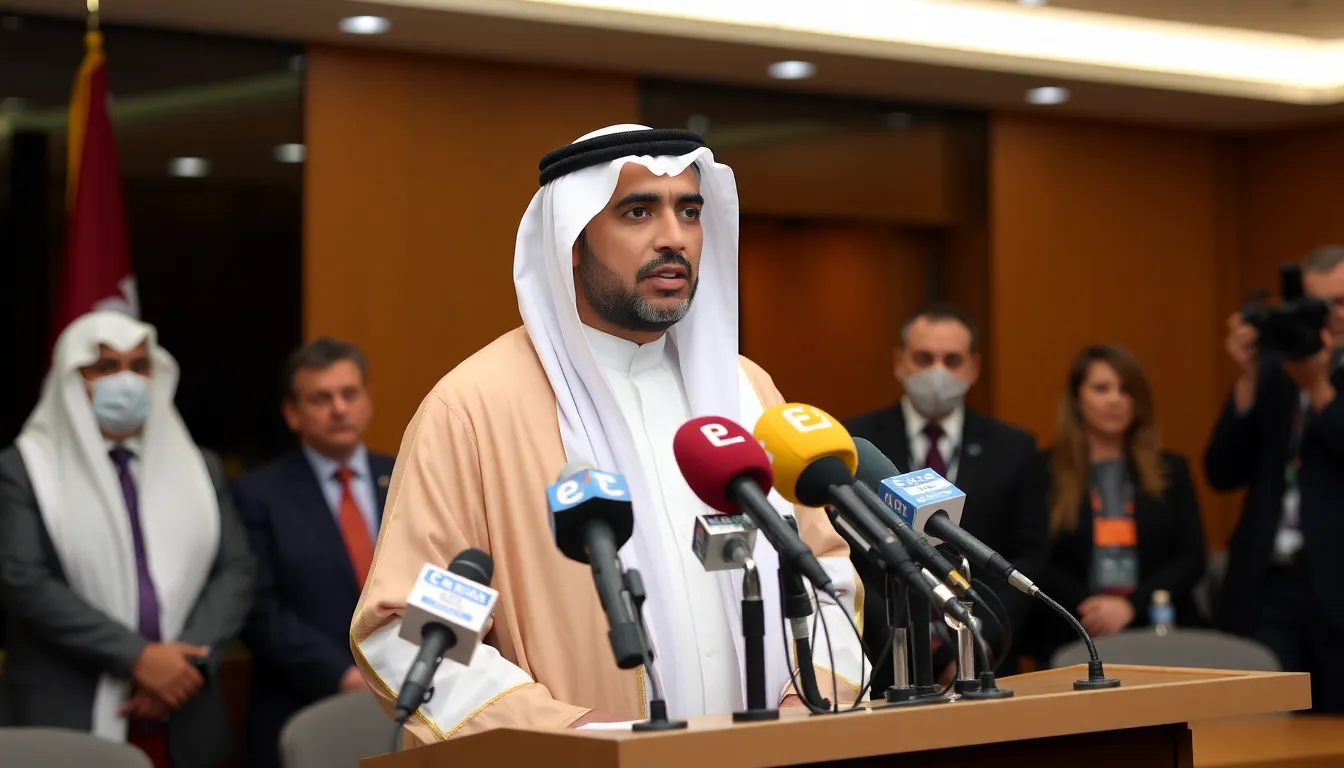
Frequently asked questions about the oil price surge
Outlook on oil prices and Gulf production dynamics
The recent warning from Qatar regarding the potential cessation of all Gulf oil production has sent shockwaves through the global market, pushing oil prices to a two-year high. This development highlights the fragility of oil supply chains in the region, which are critical to global energy security. As tensions rise, stakeholders must navigate an increasingly complex landscape characterized by geopolitical risks and fluctuating demand.
In the coming weeks, the implications of this situation will likely unfold, affecting not only prices but also the broader economic landscape. Key players in the oil market, including producers and consumers, will need to monitor developments closely to adapt their strategies accordingly.
- Watch for potential diplomatic efforts aimed at de-escalating tensions in the Gulf region, which could stabilize production levels.
- Consider the impact of rising oil prices on global inflation rates and consumer behavior, particularly in energy-dependent economies.
- Monitor shifts in energy policy as countries seek to diversify their energy sources in response to supply vulnerabilities.
- Stay informed about OPEC’s response to these developments, as decisions made by the organization could further influence market dynamics.
- Keep an eye on alternative energy investments, as heightened oil prices may accelerate the transition to renewable energy sources.