


Emergency services have been working tirelessly to assess the damage and provide assistance to those affected. Numerous homes and businesses have been severely damaged or destroyed, leading to widespread power outages and displacement of residents. Local authorities have declared states of emergency in the hardest-hit areas to facilitate rescue and recovery efforts.
The National Weather Service reported that multiple tornadoes touched down in both states, with some classified as EF-3, indicating winds of up to 165 mph. For more information on how tornadoes form and the conditions that lead to their development, you can read about the science behind these phenomena.
This tragic incident underscores the ongoing risks associated with extreme weather patterns, which have become more frequent and intense in recent years. As communities begin to recover, discussions around disaster preparedness and climate resilience are likely to gain prominence in local and national dialogues.
Understanding the conditions that led to the tornadoes
The recent tornadoes that struck Michigan and Oklahoma, resulting in the tragic loss of six lives, including a 12-year-old boy, highlight the increasing frequency and intensity of severe weather events in the United States. These tornadoes are not only a product of natural climatic conditions but are also influenced by broader environmental changes and historical weather patterns. Tornadoes are most common in the spring, when warm, moist air from the Gulf of Mexico collides with cold, dry air from Canada, creating the perfect conditions for severe storms.
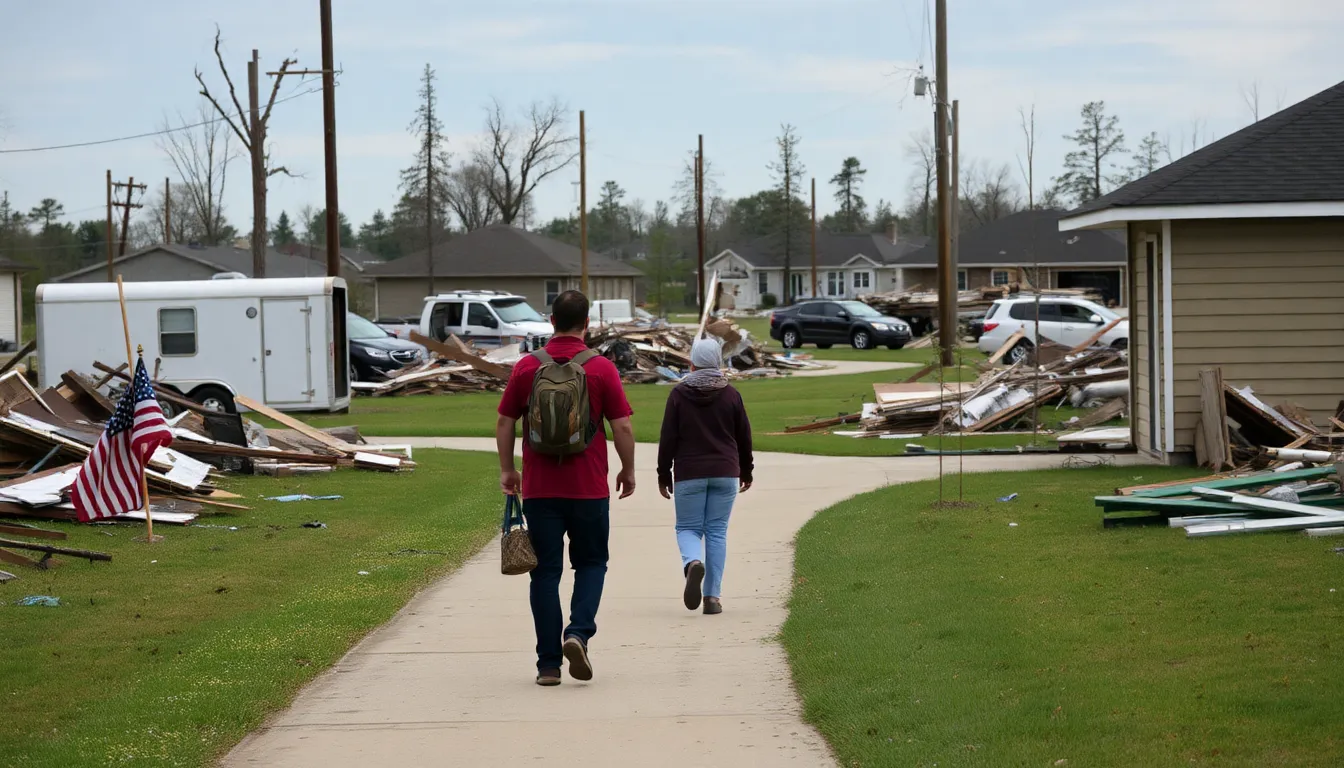
Historically, the United States has been prone to tornadoes, particularly in a region known as “Tornado Alley,” which includes parts of Oklahoma, Texas, Kansas, and Nebraska. To learn more about the impact of climate change on weather patterns, check out this article on the effects of global warming.
The Role of Climate Change
Climate change has been a significant factor in the increasing severity and frequency of tornadoes. As global temperatures rise, the atmosphere holds more moisture, which can fuel more intense storms. Additionally, warmer temperatures can lead to more volatile weather conditions, creating an environment where tornadoes can develop more readily. This phenomenon has raised concerns among meteorologists and climate scientists about the future of severe weather events in the U.S.
Moreover, the economic implications of such natural disasters are profound. Communities affected by tornadoes face not only immediate destruction but also long-term recovery challenges. For insights into how disasters affect local economies, you can explore our piece on economic recovery following natural disasters.
In summary, the tragic events in Michigan and Oklahoma serve as a stark reminder of the intersection between natural disasters and human factors. Understanding the historical context and the role of climate change is essential for communities to prepare for and respond to the increasing threat posed by severe weather events.
Examining the response from local authorities and communities
The recent tornadoes that struck Michigan and Oklahoma have drawn attention to the critical roles played by local authorities, emergency services, and community organizations in disaster response. These stakeholders are primarily concerned with ensuring public safety, providing immediate assistance to affected individuals, and facilitating recovery efforts. The tragic loss of life, including a 12-year-old boy, underscores the urgent need for effective disaster management strategies.
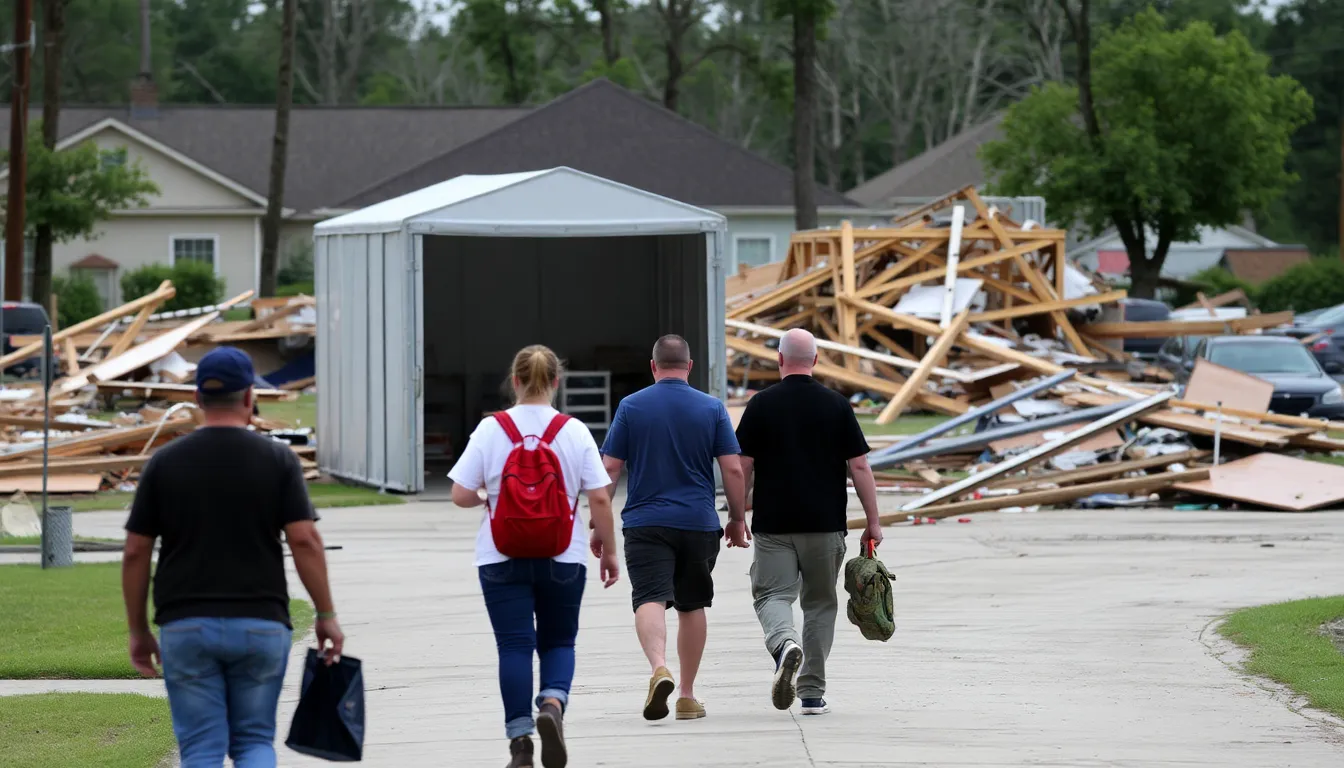
Local governments are tasked with coordinating emergency response efforts, which include deploying first responders, managing shelters, and ensuring that essential services are restored. In the aftermath of such disasters, they must also navigate the complexities of federal assistance programs, which can be crucial for long-term recovery. The interests of these local authorities often align with the need for funding and resources to support their initiatives.
Community organizations play a vital role in supporting those affected by the tornadoes. They provide food, shelter, and emotional support to victims while also advocating for policy changes that enhance disaster preparedness. However, these organizations may face challenges in securing adequate funding and resources, particularly in the wake of multiple disasters that strain available support systems.
- Conflicts of Interest: Local governments may prioritize immediate recovery efforts, while community organizations might focus on long-term support and advocacy.
- Legal Issues: The aftermath of the tornadoes may lead to disputes over liability and insurance claims, complicating recovery for affected families.
- Economic Trade-offs: Investments in disaster preparedness and infrastructure may compete with other local budget priorities, affecting future resilience.
The situation also highlights the importance of collaboration among stakeholders. Effective communication and partnership between local authorities, community organizations, and federal agencies can significantly enhance response efforts and recovery outcomes. As communities mourn the loss of life and begin to rebuild, understanding these dynamics will be crucial for fostering resilience against future disasters.
The aftermath and its effects on affected families and communities
The recent tornadoes that struck Michigan and Oklahoma have left a profound impact on families and communities, particularly affecting those who lost loved ones, including a 12-year-old boy. The emotional toll on families dealing with loss and destruction is immeasurable, and the community’s grief will resonate for years to come.
In addition to the immediate human cost, local businesses are facing significant challenges. Many shops and service providers in the affected areas are either damaged or destroyed, leading to a disruption in daily commerce. The short-term economic impact includes loss of revenue, job layoffs, and increased operational costs for businesses that may need to rebuild or relocate.
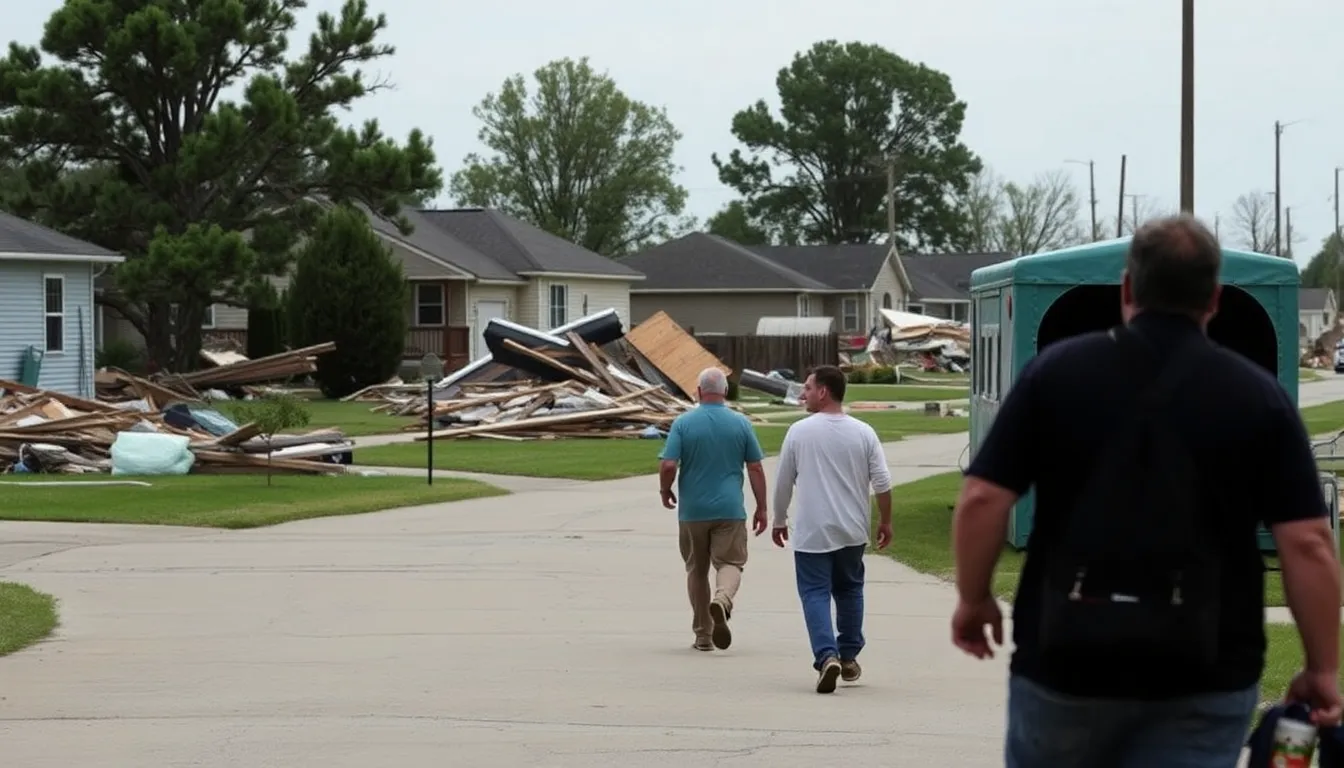
On a broader scale, the tornadoes have also highlighted vulnerabilities in regional infrastructure. Areas that were already struggling with outdated facilities may find themselves in a precarious situation as they attempt to recover. This could lead to increased calls for policy changes and investment in disaster preparedness and response measures.
However, there are potential opportunities that could arise from this tragedy. The need for rebuilding efforts may stimulate job creation in construction and related industries. Additionally, local governments might prioritize infrastructure improvements, leading to better resilience against future natural disasters.
- Emotional and psychological impact on families and communities.
- Economic disruption for local businesses and potential job losses.
- Increased focus on infrastructure and disaster preparedness policies.
- Opportunities for job creation in construction and related sectors.
- Potential for community solidarity and support initiatives.
A: The tornadoes were caused by severe weather conditions, including strong thunderstorms and unstable atmospheric conditions that are typical in the region during this time of year. A: In addition to the six fatalities, many people were injured and numerous homes and businesses were damaged or destroyed, affecting entire communities. A: Local and state authorities, along with various organizations, are providing emergency assistance, shelter, and resources to help those affected by the tornadoes. A: Yes, recovery efforts are underway, with volunteers and agencies working to clear debris, provide medical assistance, and support rebuilding efforts. A: You can help by donating to local charities, volunteering your time, or providing supplies to shelters and organizations assisting those in need.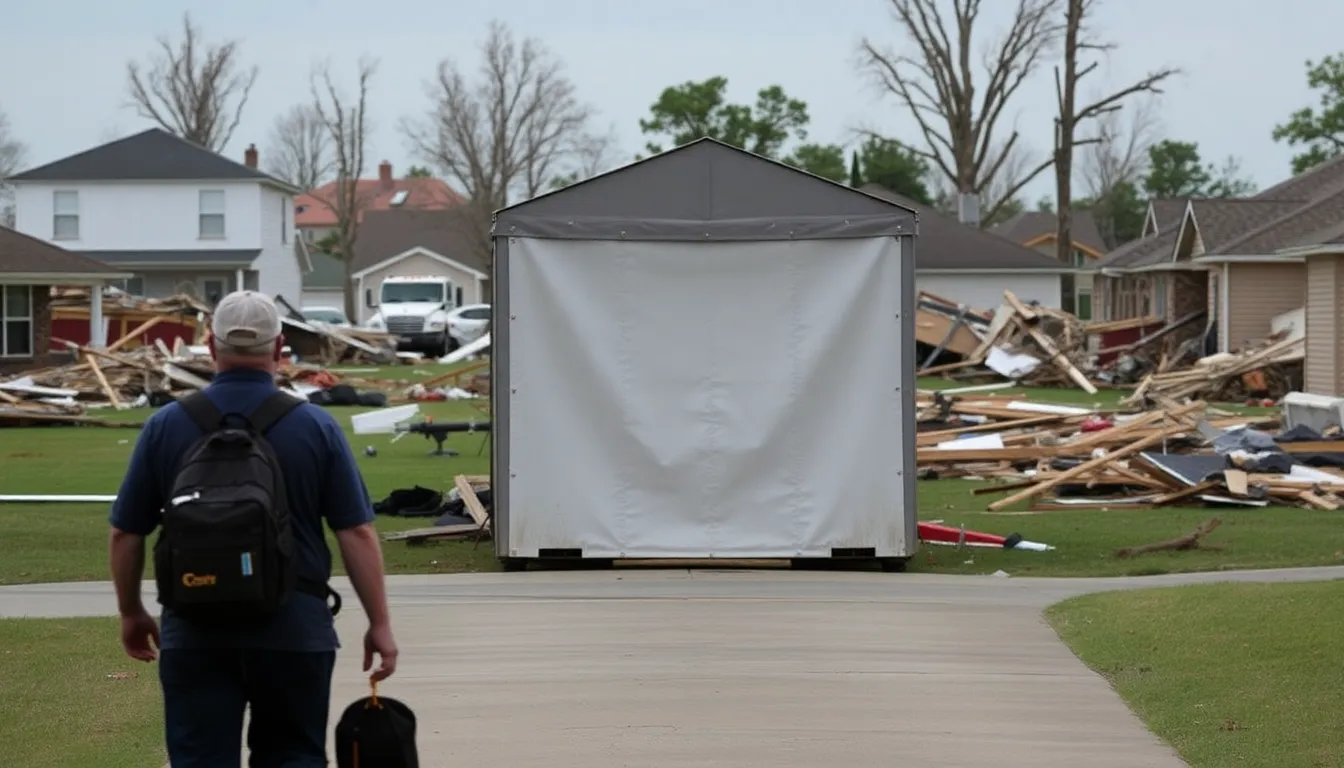
Frequently asked questions about the tornadoes
Looking ahead after the tornado disaster
The tragic loss of life, including that of a young boy, underscores the devastating impact of extreme weather events like tornadoes. As communities in Michigan and Oklahoma begin to assess the damage and mourn their losses, it is crucial to consider the broader implications of such disasters on public safety, infrastructure, and emergency response systems.
Moving forward, it will be essential for local and state governments to evaluate their preparedness for severe weather events, enhance community resilience, and ensure that effective communication strategies are in place to keep residents informed during emergencies. The need for improved building codes and infrastructure that can withstand such storms is also paramount to mitigate future risks.
- Increased investment in community infrastructure to withstand severe weather conditions.
- Enhanced training and resources for emergency responders to improve response times and effectiveness.
- Development of comprehensive public awareness campaigns regarding tornado preparedness and safety protocols.
- Collaboration between state and federal agencies to improve disaster response coordination.
- Focus on mental health support for affected communities to aid in recovery from trauma.