


The conviction of Lai, who founded the now-defunct Apple Daily, is seen as part of a broader crackdown on dissent in Hong Kong following the implementation of the National Security Law in 2020.
By choosing not to appeal, Lai appears to be acknowledging the limited prospects for a fair judicial process under the current political climate. His case has drawn international attention, with various human rights organizations condemning the treatment of pro-democracy figures in Hong Kong. Observers fear that this decision may embolden authorities to further suppress dissent and limit freedom of expression.
Lai’s situation highlights the precarious state of political activism in Hong Kong, where many activists have been jailed or forced into exile. As the city grapples with ongoing tensions between pro-democracy advocates and the government, Lai’s case serves as a critical indicator of the challenges facing those who oppose the Chinese Communist Party’s influence in Hong Kong.
Understanding the background of Jimmy Lai’s legal challenges
Jimmy Lai, a prominent pro-democracy activist and media tycoon in Hong Kong, has been at the forefront of the city’s struggle for democratic freedoms. His media company, Next Digital, publishes the pro-democracy newspaper Apple Daily, which has faced increasing pressure from the Hong Kong government. Lai’s legal battles are emblematic of the broader crackdown on dissent in the region, particularly following the implementation of the National Security Law in 2020.
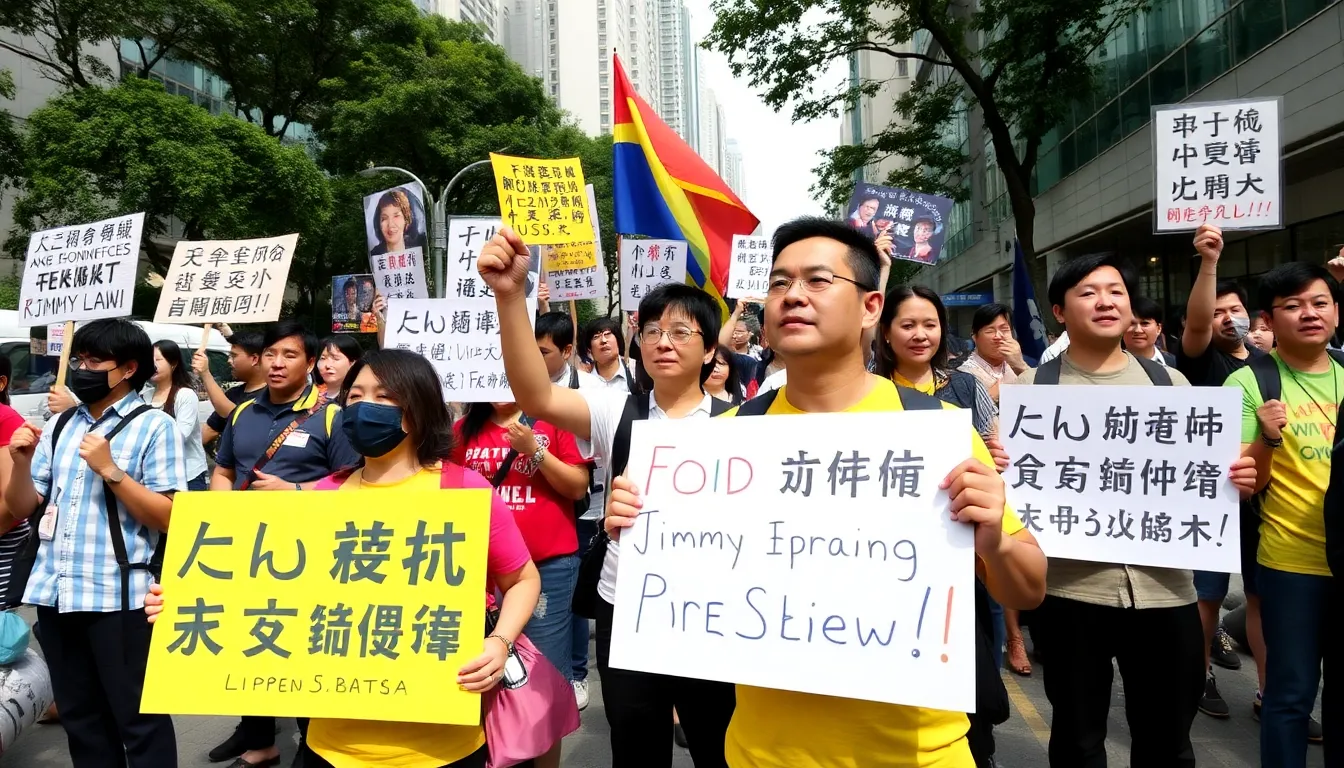
The National Security Law was introduced by Beijing as a response to the large-scale protests in 2019, which were driven by demands for greater autonomy and democratic reforms. The law has been criticized for its vague definitions of offenses, allowing authorities to suppress dissent more effectively. Lai was arrested under this law in August 2020, marking a significant escalation in the government’s efforts to stifle pro-democracy voices. This issue of legal implications is also apparent in the political landscape in Hong Kong.
In December 2022, Lai was convicted of fraud related to the lease of his newspaper’s office space, a charge widely viewed as politically motivated. This conviction is part of a series of legal actions against pro-democracy figures, which have raised concerns about the erosion of judicial independence in Hong Kong. The case against Lai has been closely monitored by international observers as it reflects the deteriorating human rights situation in the city.
The Impact of the National Security Law
The introduction of the National Security Law has had profound implications for civil liberties in Hong Kong. It has led to the arrest of numerous activists, the closure of independent media outlets, and the chilling of free speech. Lai’s decision not to appeal his conviction can be seen as a recognition of the increasingly hostile legal environment in which dissenting voices are systematically silenced. This context underscores the precarious position of pro-democracy advocates in Hong Kong and the significant challenges they face in their fight for democratic freedoms.
Key stakeholders and implications of Lai’s conviction
The conviction of Jimmy Lai, a prominent pro-democracy figure in Hong Kong, has far-reaching implications for various stakeholders involved in the region’s political landscape. Lai, who founded the Apple Daily newspaper, has been a vocal critic of the Chinese government and a staunch advocate for democratic reforms in Hong Kong. His legal battles not only reflect his personal struggle but also symbolize the broader fight for freedom of expression and civil liberties in the territory.
Key stakeholders in this scenario include:
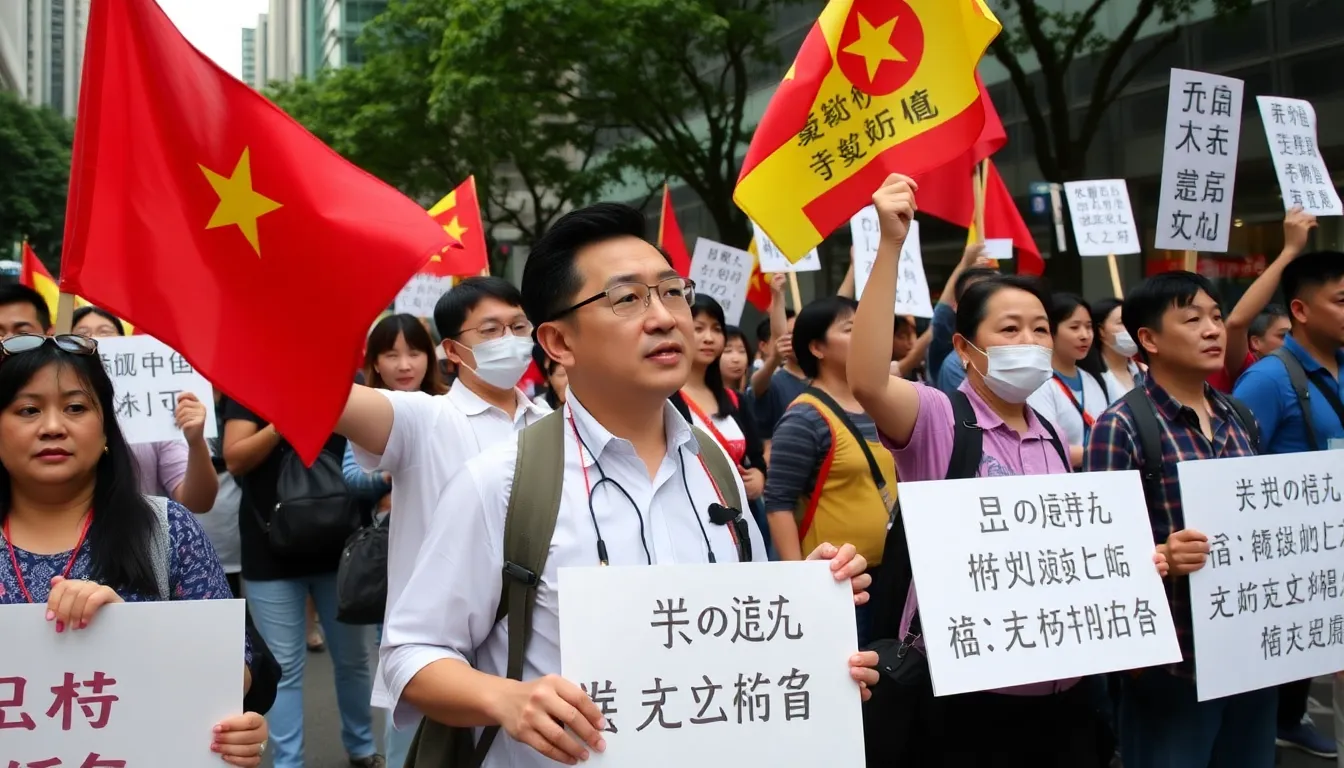
- Jimmy Lai: As the central figure, Lai’s interests lie in advocating for democracy and maintaining his media operations, which have been pivotal in disseminating pro-democracy sentiments.
- The Hong Kong Government: The administration aims to suppress dissent and maintain stability, viewing Lai’s activism and media influence as threats to its authority.
- The Chinese Government: Beijing’s interest is in enforcing its national security laws in Hong Kong, which it perceives as essential for national unity and control over the region.
- Pro-Democracy Activists: This group sees Lai’s conviction as a rallying point, highlighting the ongoing struggle for democratic rights and freedoms in the face of increasing repression.
- International Community: Foreign governments and organizations are closely monitoring the situation, as it raises significant concerns about human rights and the rule of law in Hong Kong.
The legal ramifications of Lai’s conviction are profound. It raises questions about the application of the national security law, which has been criticized for its broad and vague provisions. The law’s enforcement against Lai might set a precedent for how dissent is treated in Hong Kong, potentially leading to further crackdowns on civil liberties and press freedom.
Economically, Lai’s case impacts not only his business interests but also the broader media landscape in Hong Kong. The closure of Apple Daily following Lai’s arrest has already led to significant job losses and a decline in independent journalism. The chilling effect on media outlets may deter other journalists from reporting on sensitive political issues, thus affecting public discourse and accountability.
In conclusion, the interplay of these stakeholders and the legal and economic issues at hand illustrates the complex dynamics at play in Hong Kong. Lai’s decision not to appeal his conviction could be seen as a strategic move, reflecting a recognition of the difficult terrain for pro-democracy advocates in the current political climate.
Potential effects on Hong Kong’s pro-democracy movement
The conviction of Jimmy Lai, a prominent figure in Hong Kong’s pro-democracy movement, has far-reaching implications for various groups and sectors within the region. Activists, political organizations, and the media landscape are directly impacted, as Lai’s case symbolizes the ongoing struggle for democratic freedoms. The ripple effect of his conviction extends to international observers and foreign governments, which may reassess their diplomatic relations with Hong Kong and China.
In the short term, the immediate impact on daily life for pro-democracy supporters may manifest in increased surveillance and a chilling effect on public demonstrations. The government may intensify crackdowns on dissent, leading to a more repressive environment for activists. Businesses that openly support pro-democracy causes may face backlash or pressure from authorities, potentially affecting their operations and public image.
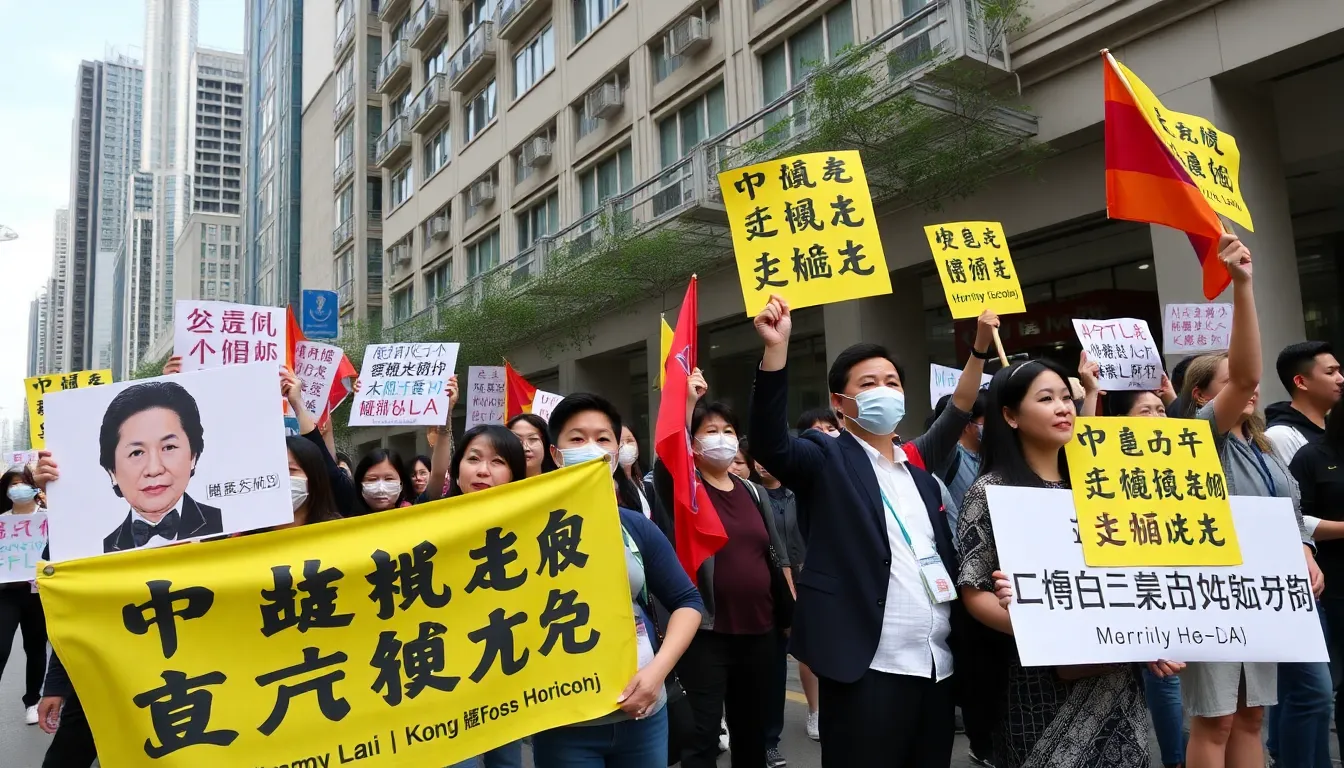
Mid-term implications could include a shift in public sentiment as citizens react to the government’s actions against prominent figures like Lai. This may lead to a more polarized society, with some individuals becoming more emboldened to express dissent, while others may retreat into silence due to fear of repercussions. Additionally, the international community may respond with sanctions or other measures, impacting trade and investment in Hong Kong.
- Risks: Increased government repression and surveillance, potential backlash against businesses supporting democracy.
- Opportunities: Strengthened solidarity among activists, potential for international advocacy and support for human rights.
Overall, the consequences of Lai’s conviction highlight the precarious state of democracy in Hong Kong and the ongoing struggle for civil liberties, affecting both the local populace and broader geopolitical dynamics.
A: Jimmy Lai’s decision not to appeal may stem from various factors, including the potential risks of further legal battles and the current political climate in Hong Kong. A: Jimmy Lai was convicted on charges related to national security laws, which have been used to suppress dissent in Hong Kong. A: Lai’s choice not to appeal could be seen as a significant blow to the pro-democracy movement, potentially discouraging activists and supporters. A: International reactions have included condemnation from human rights organizations and calls for the protection of democratic freedoms in Hong Kong. A: With no appeal planned, Lai may focus on other avenues for advocacy or support, although his future remains uncertain under the current legal framework.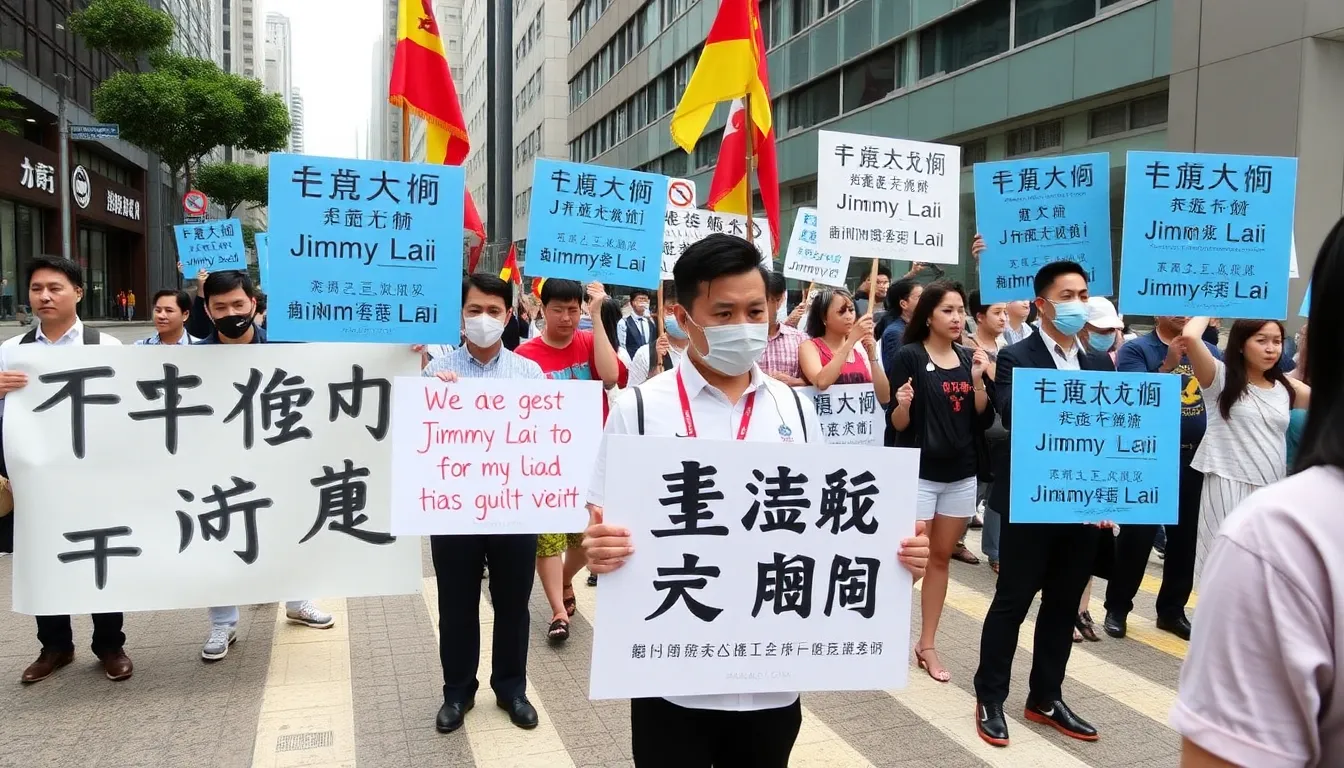
Frequently asked questions about Jimmy Lai’s case
Looking ahead: implications of Lai’s decision
Jimmy Lai’s decision not to appeal his conviction marks a significant moment in the ongoing struggle for democracy in Hong Kong. This choice reflects a complex interplay of personal conviction and the broader political landscape, suggesting that Lai may prioritize his principles over the potential for legal recourse. The implications of this decision extend beyond Lai himself, potentially influencing the strategies of other pro-democracy activists and shaping public sentiment in Hong Kong and beyond.
As the situation evolves, observers should consider how Lai’s stance could affect the future of pro-democracy movements in Hong Kong. With increasing pressure from authorities, the resilience of the democratic ideals Lai embodies may face new challenges, prompting further discussions on the effectiveness of activism under such constraints.
- Watch for shifts in public support for pro-democracy movements as Lai’s decision resonates with the populace.
- Monitor the responses from other activists and political figures, who may reassess their strategies in light of Lai’s stance.
- Consider the potential for international reactions, as Lai’s situation may draw renewed attention to human rights issues in Hong Kong.
- Observe any changes in the legal landscape that might arise as a result of Lai’s choice not to appeal.
- Reflect on the implications for the future of media freedom in Hong Kong, given Lai’s role as a media tycoon and advocate for press liberties.