


Currently, there are approximately 1,000 researchers stationed in Antarctica during the winter months, with numbers swelling to around 5,000 in the summer. This seasonal fluctuation highlights the extreme conditions and isolation faced by individuals in this remote environment. The harsh weather, coupled with limited access to resources, raises important questions about the psychological and physical resilience required for such a lifestyle; understanding these factors is crucial for those considering the challenges of working in such a demanding place.
Recent studies have shown that individuals who thrive in Antarctic conditions often possess specific personality traits, such as adaptability and strong teamwork skills. The selection process for those wishing to work in this extreme environment is rigorous, with many applicants facing stringent psychological evaluations and physical fitness tests. These measures are essential to ensure that personnel can cope with the isolation and demanding conditions, much like the careful considerations for individuals moving to areas with harsh climates.
In light of these factors, the conversation around the suitability of living and working in Antarctica is more pertinent than ever. As researchers continue to uncover the impacts of climate change on polar ecosystems, the need for dedicated and resilient individuals remains critical. Understanding these dynamics not only informs potential candidates but also sheds light on the broader implications for global environmental stewardship.
The historical background of Antarctic exploration and research
Antarctica, largely shrouded in mystery for centuries, began to capture the imagination of explorers in the early 19th century. The first confirmed sighting of the Antarctic mainland occurred in 1820, led by a Russian expedition under Fabian Gottlieb von Bellingshausen and Mikhail Lazarev. This marked the beginning of a series of exploratory missions that would gradually unveil the continent’s vast and harsh landscapes, a journey that parallels modern-day expeditions that continue to shed light on our understanding of this polar region.
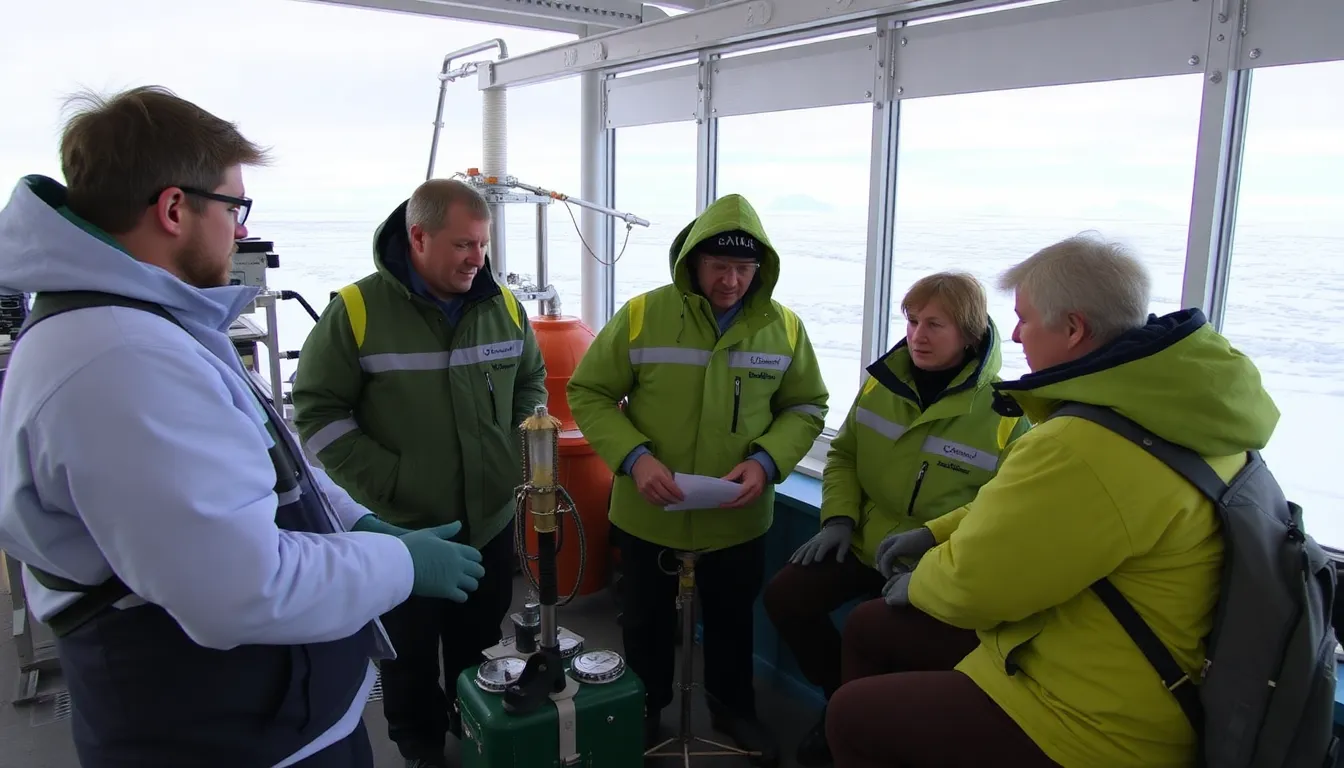
Throughout the late 19th and early 20th centuries, various nations embarked on expeditions to Antarctica, driven by a mix of scientific curiosity and national pride. Notable figures such as Ernest Shackleton and Robert Falcon Scott became synonymous with Antarctic exploration, their journeys highlighting the extreme conditions and the resilience required to survive in such an unforgiving environment. These expeditions were not only about discovery but also laid the groundwork for scientific research, as explorers began to collect data on the continent’s geology, climate, and ecosystems.
The establishment of international cooperation
The mid-20th century saw a significant shift in the approach to Antarctic exploration, transitioning from nationalistic endeavors to a focus on international cooperation. The Antarctic Treaty, signed in 1959 and entering into force in 1961, established Antarctica as a zone dedicated to peace and scientific research. This landmark agreement, signed by 12 countries, prohibited military activity and ensured that scientific research would be shared freely among nations, fostering a collaborative spirit that persists to this day.
As scientific research intensified, the economic implications of Antarctica’s resources began to emerge. The potential for mineral and oil exploration raised concerns about environmental preservation and the impact of human activity on the fragile ecosystem. This led to further international agreements, including the Protocol on Environmental Protection to the Antarctic Treaty, which was adopted in 1991, ensuring that any future exploitation of resources would be conducted with the utmost care for the environment.
Today, living and working in Antarctica is a unique experience that combines rigorous scientific inquiry with the challenges of extreme isolation. Understanding the historical context of Antarctic exploration and the evolution of international cooperation is essential for anyone considering a life in this remarkable and remote part of the world.
Key challenges and considerations for potential residents
Living and working in Antarctica presents unique challenges that require careful consideration from various stakeholders. The primary actors include national governments, research organizations, and the individuals who aspire to live in this extreme environment. Each of these groups has distinct interests that can sometimes conflict, leading to complex dynamics.
Governments play a crucial role in Antarctic governance through the Antarctic Treaty System, which establishes guidelines for international cooperation and environmental protection. Their interests often revolve around scientific research, territorial claims, and environmental conservation. Conflicts may arise when national interests clash with the collective goal of preserving the continent’s pristine ecosystem.
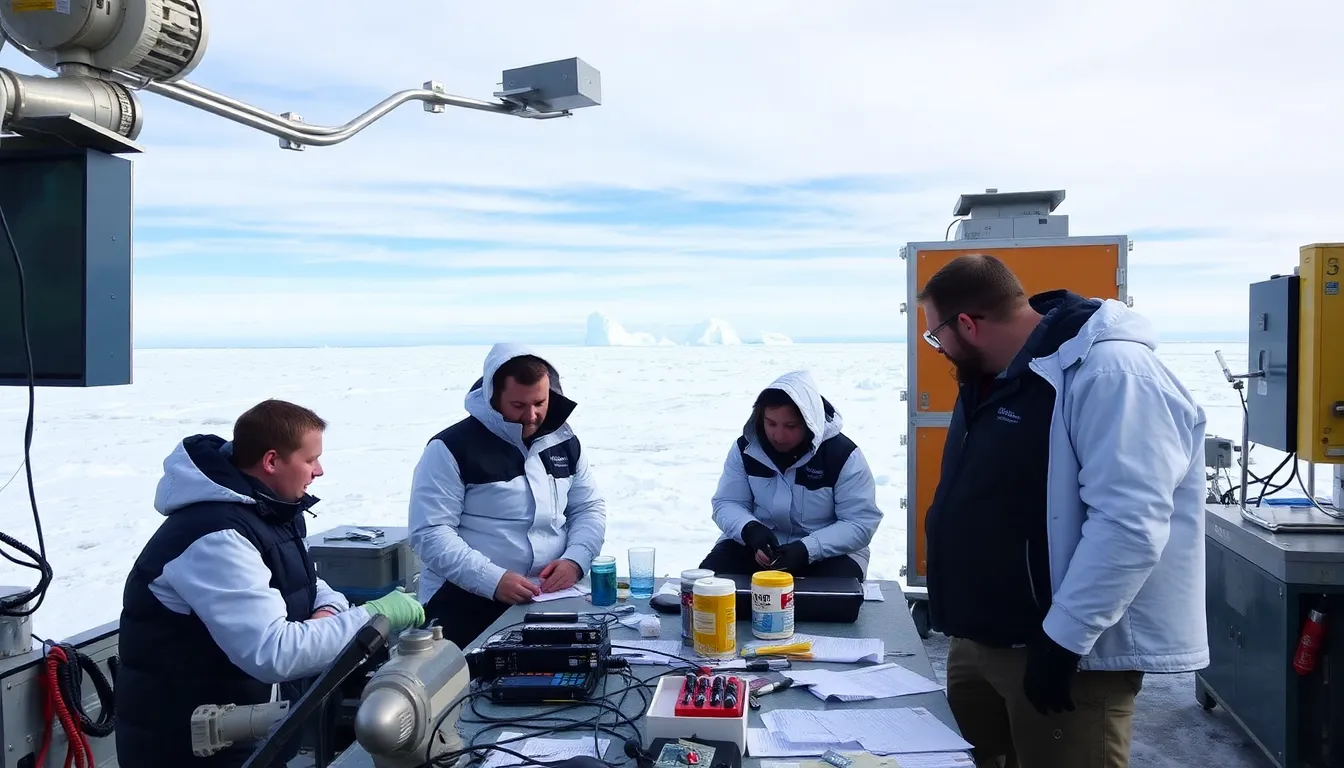
Research organizations, such as universities and scientific institutions, are primarily focused on conducting studies related to climate change, biology, and geology. They seek to secure funding and logistical support while navigating the harsh living conditions. The trade-offs they face include balancing the need for scientific advancement with the ethical considerations of human impact on the environment.
Individuals considering a move to Antarctica must weigh their personal desires against the realities of life in such a remote location. Key issues for these potential residents include:
- Isolation and mental health challenges due to the extreme remoteness and harsh climate.
- Limited access to medical facilities and emergency services.
- Strict regulations on waste management and environmental protection.
- High costs associated with transportation and living expenses.
- Potential for cultural adjustment and the need for teamwork in a challenging environment.
Understanding these dynamics is essential for anyone considering a life in Antarctica. The interplay between government policies, organizational goals, and individual experiences shapes the overall landscape of living and working in this unique region.
The impact of Antarctic living on individuals and communities
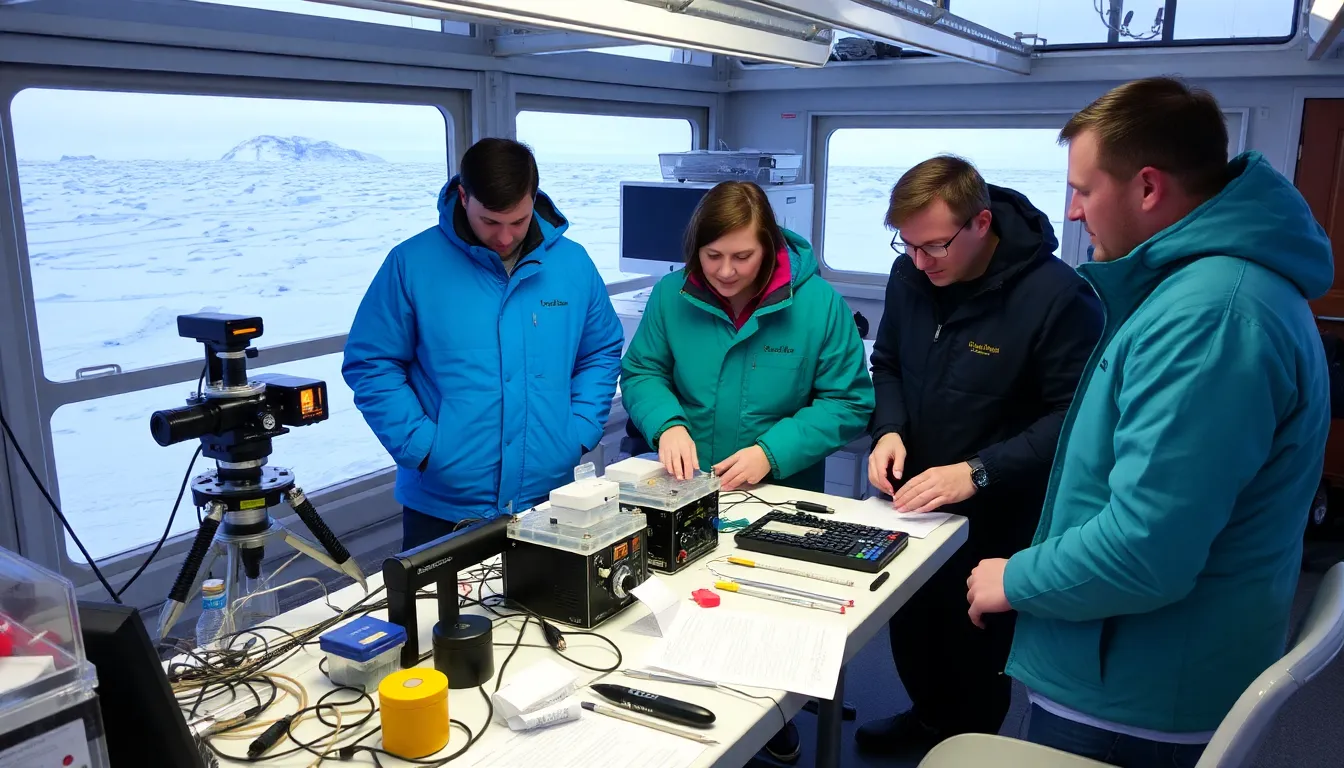
Living and working in Antarctica affects a diverse range of individuals and communities, particularly those involved in scientific research, tourism, and environmental conservation. Researchers and support staff from various nations often find themselves in isolated conditions, which can significantly impact their mental and physical well-being. Additionally, local communities in countries that engage in Antarctic expeditions may experience shifts in economic activity and resource allocation.
In the short term, the influx of researchers and support personnel can lead to increased demand for goods and services in nearby regions, particularly in logistics and supply chains. This can stimulate local economies, especially in port cities that serve as gateways to the continent. However, the unique challenges of living in such extreme conditions can also result in high turnover rates and stress among workers, impacting productivity and morale.
Mid-term impacts may include the development of new technologies and practices that emerge from the necessity of surviving in harsh environments. Industries related to climate science, renewable energy, and extreme environment gear may see growth as a result. However, the environmental risks associated with human activity in Antarctica, such as pollution and habitat disruption, pose potential threats to global ecosystems and could lead to stricter regulations and policies.
- Economic opportunities: Growth in logistics, research funding, and technology development.
- Social challenges: Mental health issues and community isolation for workers.
- Environmental risks: Pollution and habitat disruption leading to stricter regulations.
Ultimately, while there are significant opportunities for innovation and economic growth, the challenges and risks associated with living and working in Antarctica require careful consideration and management to ensure sustainable practices and the well-being of all affected groups.
A: Living conditions in Antarctica are extremely harsh, with temperatures often dropping below freezing. Residents must adapt to limited resources and isolation, making it essential to have strong coping skills. A: Jobs in Antarctica range from scientific research positions to support roles such as cooking and maintenance. Most positions require specialized skills and a strong commitment to teamwork. A: Coping with isolation involves building strong social connections with fellow residents and engaging in recreational activities. Mental health support is also available to help individuals manage stress. A: A typical stay in Antarctica can last from a few months to over a year, depending on the position and the research season. Many people return for multiple seasons. A: Yes, health risks include exposure to extreme cold, altitude sickness, and mental health challenges due to isolation. Regular health check-ups and emergency protocols are in place to address these risks.
Frequently asked questions about life in Antarctica
Key takeaways and future outlook for living in Antarctica
Living and working in Antarctica presents unique challenges and opportunities that require careful consideration. As the world increasingly focuses on climate change and scientific research, understanding the implications of life in one of the planet’s most extreme environments becomes essential. The ability to adapt to harsh conditions, both physically and mentally, will play a crucial role in the success of individuals and teams stationed in this remote location.
As interest in Antarctic exploration and research continues to grow, potential inhabitants must remain aware of the evolving landscape of work and life in this region. Factors such as technological advancements, environmental concerns, and the need for collaboration will shape the future of living and working in Antarctica.
- Adaptability is key: Individuals must be prepared to adjust to rapidly changing weather conditions and isolation.
- Team dynamics matter: Strong interpersonal skills and the ability to work collaboratively will enhance the living experience and productivity.
- Health and wellness: Prioritizing mental and physical health is essential for sustaining long-term missions in such an extreme environment.
- Environmental awareness: Understanding the ecological impact of human activity in Antarctica will be crucial for future research and conservation efforts.
- Technological integration: Embracing new technologies can improve efficiency and safety in both research and daily living conditions.