


The South Pars gas field, one of the largest in the world, has been a focal point of tensions between Iran and its adversaries. The attack, which took place on October 15, 2023, has been attributed to ongoing hostilities over Iran’s nuclear program and its influence in the Middle East. Israeli officials have emphasized that sharing intelligence with the U.S. was part of their broader strategy to counter perceived threats from Iran. This situation is particularly noteworthy in light of recent reports about how Iranian conflicts have impacted global oil prices.
The implications of this revelation are significant, as it suggests a deeper level of collaboration between Israel and the U.S. in addressing security concerns in the region. Analysts believe that such cooperation could lead to increased military and diplomatic actions aimed at curbing Iran’s activities, potentially escalating tensions further.
Moreover, the timing of the attack coincides with heightened scrutiny of Iran’s nuclear developments and its relationships with other regional players. As the U.S. continues to navigate complex diplomatic waters, the acknowledgment of prior knowledge about the attack could influence its approach to future negotiations with Iran and its allies.
Understanding the significance of the South Pars gas field
The South Pars gas field, located in the Persian Gulf, is one of the largest natural gas fields in the world, spanning both Iranian and Qatari territories. This field is critical not only for Iran’s economy, which heavily relies on energy exports, but also for regional energy security. The field’s development has seen various geopolitical tensions, particularly between Iran and Western nations, including the United States, due to concerns over Iran’s nuclear program and its influence in the region. For more information on the implications of energy politics, see this article.
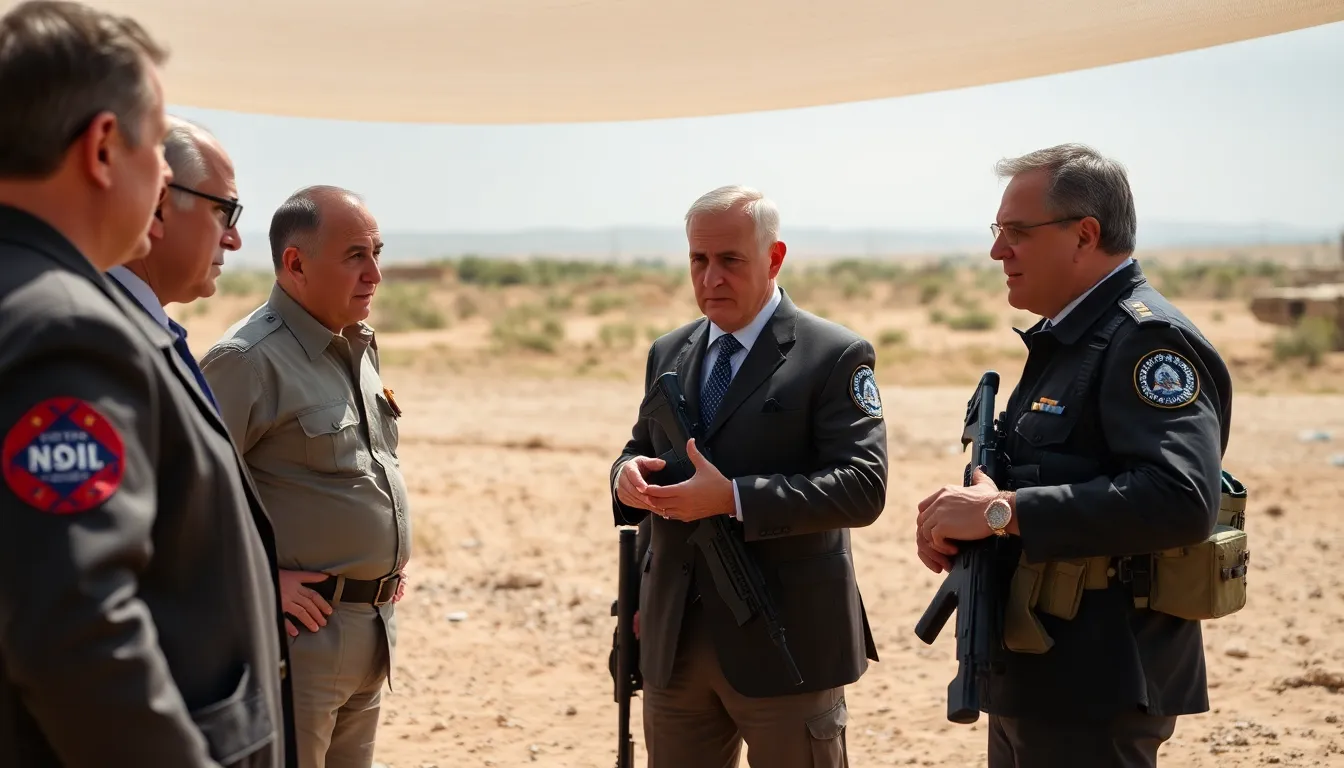
Historically, the South Pars field has been a focal point of international negotiations and conflicts. Following the 1979 Iranian Revolution, Iran’s relations with the U.S. deteriorated significantly, leading to sanctions that have impacted its ability to fully exploit its natural resources. Despite these sanctions, Iran has continued to develop the South Pars field with the help of foreign companies, particularly from China and Russia, which has further complicated its relations with the West.
The recent attack on the South Pars facility underscores the ongoing tensions in the region. Israeli officials have claimed that the U.S. was informed about this attack, reflecting the intricate web of alliances and hostilities that characterize Middle Eastern geopolitics. The involvement of the United States in this context is crucial, as it has historically supported Israel in its efforts to counter Iranian influence and has a vested interest in maintaining stability in global energy markets. This situation echoes themes discussed in the piece on U.S.-Iran relations.
Key Milestones in U.S.-Iran Relations
The relationship between the U.S. and Iran has been marked by a series of key events that have shaped the current landscape. The 1953 coup that overthrew Iran’s democratically elected Prime Minister Mohammad Mossadegh, the 1979 hostage crisis, and the imposition of economic sanctions in response to Iran’s nuclear ambitions are pivotal moments that have fueled mutual distrust. Each of these events has contributed to the ongoing conflict over energy resources and regional power dynamics, making the South Pars gas field a symbol of broader geopolitical struggles.
Examining the implications for U.S.-Israeli relations
The recent reports indicating that Israeli officials communicated with the U.S. regarding the South Pars attack highlight the intricate dynamics between these two nations. The stakeholders involved include the Israeli government, the U.S. administration, and potentially the Iranian government, as the South Pars gas field is a significant asset for Iran.
Israel’s interest in informing the U.S. about the attack may stem from a desire to strengthen bilateral ties and to ensure that the U.S. remains aligned with Israeli security concerns in the region. The U.S., on the other hand, has a vested interest in maintaining stability in the Middle East and may view such attacks as escalatory actions that could lead to broader conflicts.
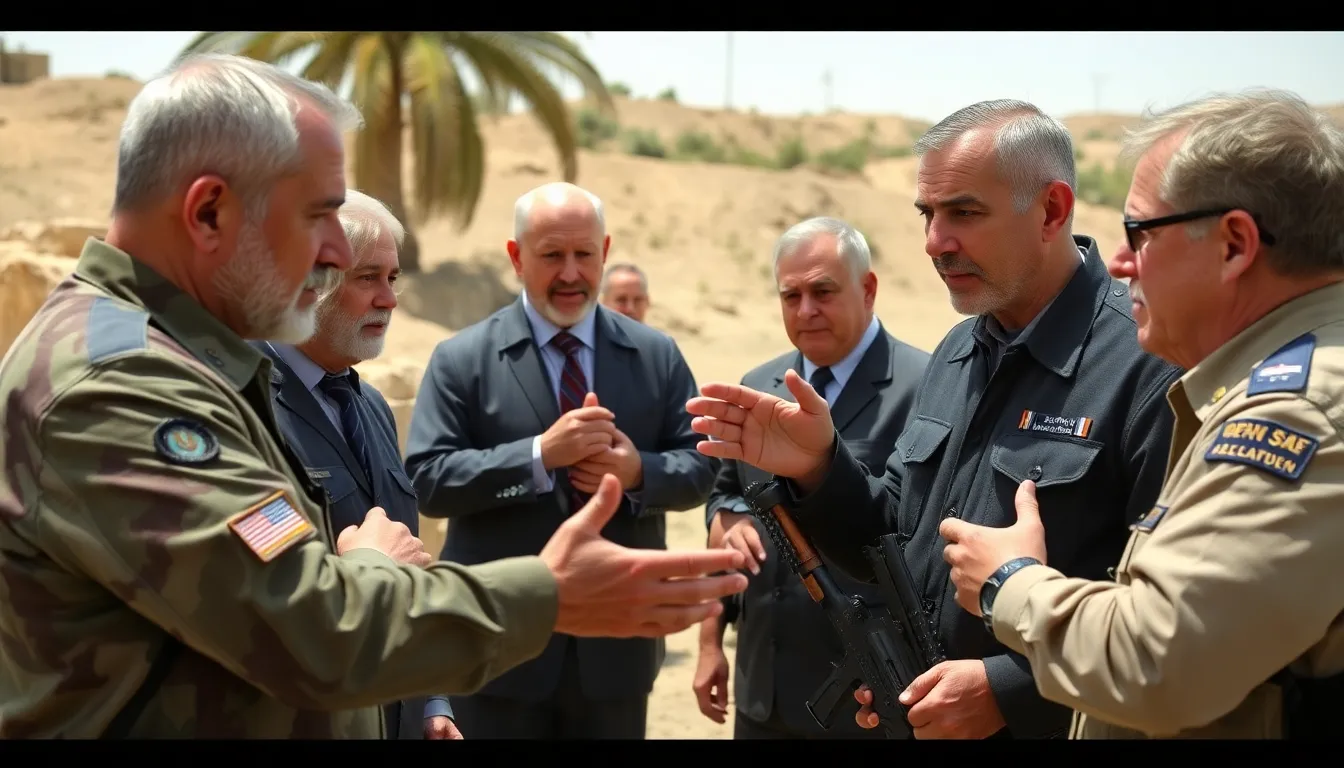
Key issues that arise from this situation include:
- Security Cooperation: The extent to which intelligence sharing between Israel and the U.S. can enhance regional security and deter Iranian aggression.
- Economic Impact: The implications of the South Pars attack on global energy markets and how this affects U.S. economic interests in the region.
- Legal Ramifications: The potential legal consequences for Israel and the U.S. if the attack is perceived as a violation of international law.
- Geopolitical Tensions: The risk of escalating tensions between Iran and U.S.-Israeli allies, which could destabilize the region further.
Furthermore, the situation raises questions about the balance of power in the Middle East and how U.S. support for Israel could influence Iran’s strategic calculations. The interplay of these interests and issues will be crucial in shaping future diplomatic efforts and military strategies in the region.
Assessing the potential consequences for regional stability
The recent attack on the South Pars gas field has far-reaching implications for various groups and industries, particularly in the Middle East. Key stakeholders include energy companies, regional governments, and local populations who depend on the stability of energy supplies. The incident raises concerns about the security of critical infrastructure and the potential for escalating tensions in an already volatile region.
In the short term, energy markets are likely to experience increased volatility as investors react to the heightened risk associated with oil and gas production in Iran. This could lead to fluctuations in energy prices, affecting consumers and businesses worldwide. Additionally, countries reliant on Iranian gas may face supply disruptions, prompting them to seek alternative energy sources.
Mid-term impacts may include shifts in policy as governments reassess their energy strategies and security measures. Nations may prioritize investments in domestic energy production or explore new partnerships to reduce dependence on Iranian resources. This could create opportunities for alternative energy companies and renewable sources, as countries aim to diversify their energy portfolios.
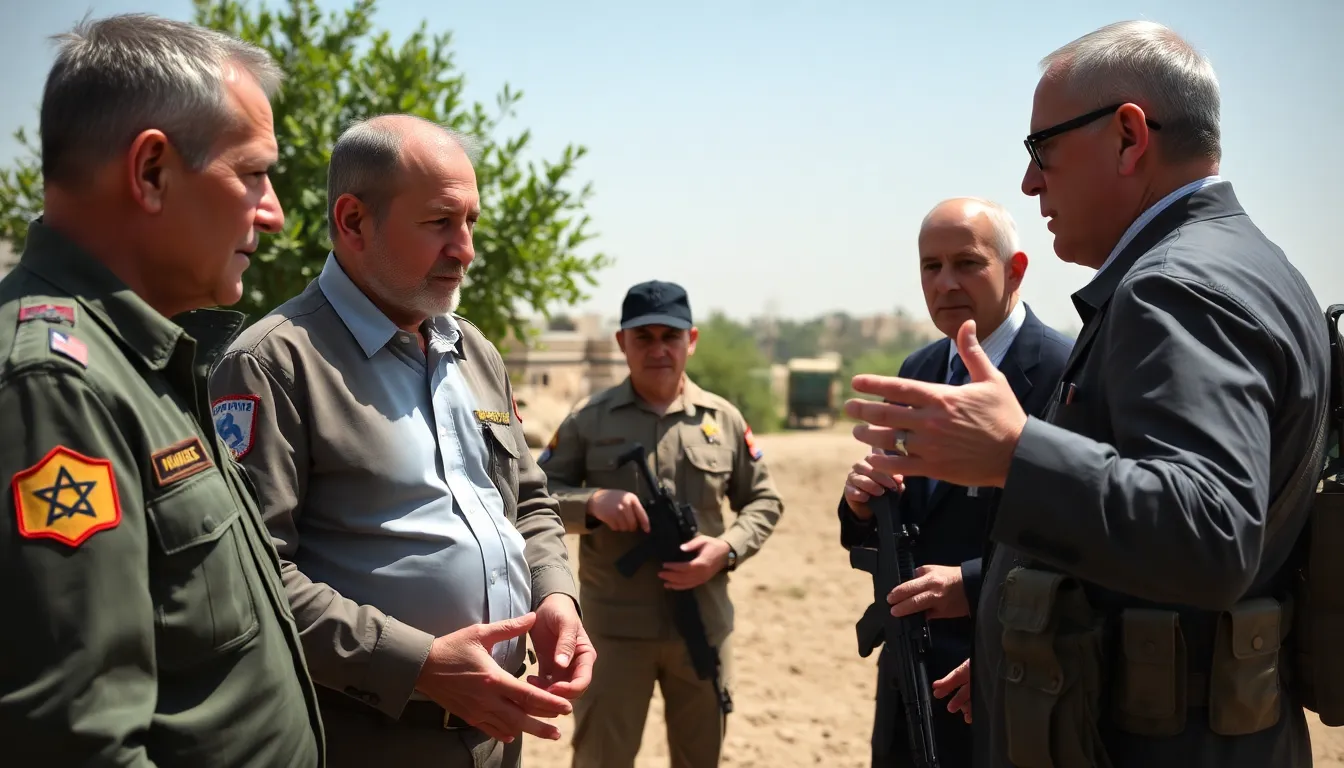
- Energy Sector: Increased scrutiny and security measures around critical infrastructure.
- Local Economies: Potential job losses in regions dependent on gas production.
- International Relations: Strained diplomatic ties and heightened tensions between involved nations.
- Alternative Energy: Opportunities for growth in renewable energy sectors as investments shift.
Moreover, the incident may provoke a reassessment of military and defense strategies in the region, potentially leading to increased military presence and operations. This could further destabilize the area, impacting local communities and businesses. However, it may also incentivize diplomatic efforts aimed at conflict resolution, fostering dialogue among conflicting parties.
A: The South Pars gas field is one of the largest natural gas fields in the world, located in the Persian Gulf. It is shared between Iran and Qatar and plays a crucial role in the energy sector. A: U.S. involvement is significant as it reflects the country’s strategic interests in the region and its alliances. The U.S. has a vested interest in maintaining stability in the Middle East. A: The repercussions could include heightened tensions between Iran and Israel, potential military responses, and impacts on global energy markets. A: This incident could strain relations between Iran and Western nations, particularly if it leads to further military actions or sanctions. A: Observers should monitor responses from Iran, any shifts in U.S. foreign policy, and developments in regional security dynamics.
Frequently asked questions about the South Pars incident
Key takeaways and future outlook on the situation
The recent revelation that Israeli officials communicated with the U.S. regarding the South Pars attack highlights the intricate web of geopolitical dynamics at play in the region. As tensions continue to rise, understanding the implications of this communication is crucial for forecasting potential outcomes. The involvement of major powers like the U.S. suggests a heightened level of scrutiny and potential intervention in future incidents.
Moreover, this incident reflects ongoing concerns over energy security and the vulnerabilities of critical infrastructure. Observers should remain vigilant regarding how these developments may influence diplomatic relations and military strategies among the involved nations.
- The U.S. may increase its diplomatic efforts to stabilize the region in light of the attack’s implications.
- Potential retaliatory actions from Iran could escalate tensions, prompting a reassessment of military readiness in the area.
- Energy markets might react to instability in the region, affecting global oil prices and supply chains.
- Increased collaboration between Israel and the U.S. could lead to more proactive measures against perceived threats in the region.
- The attack may catalyze new alliances or partnerships among regional players concerned about security and energy interests.