


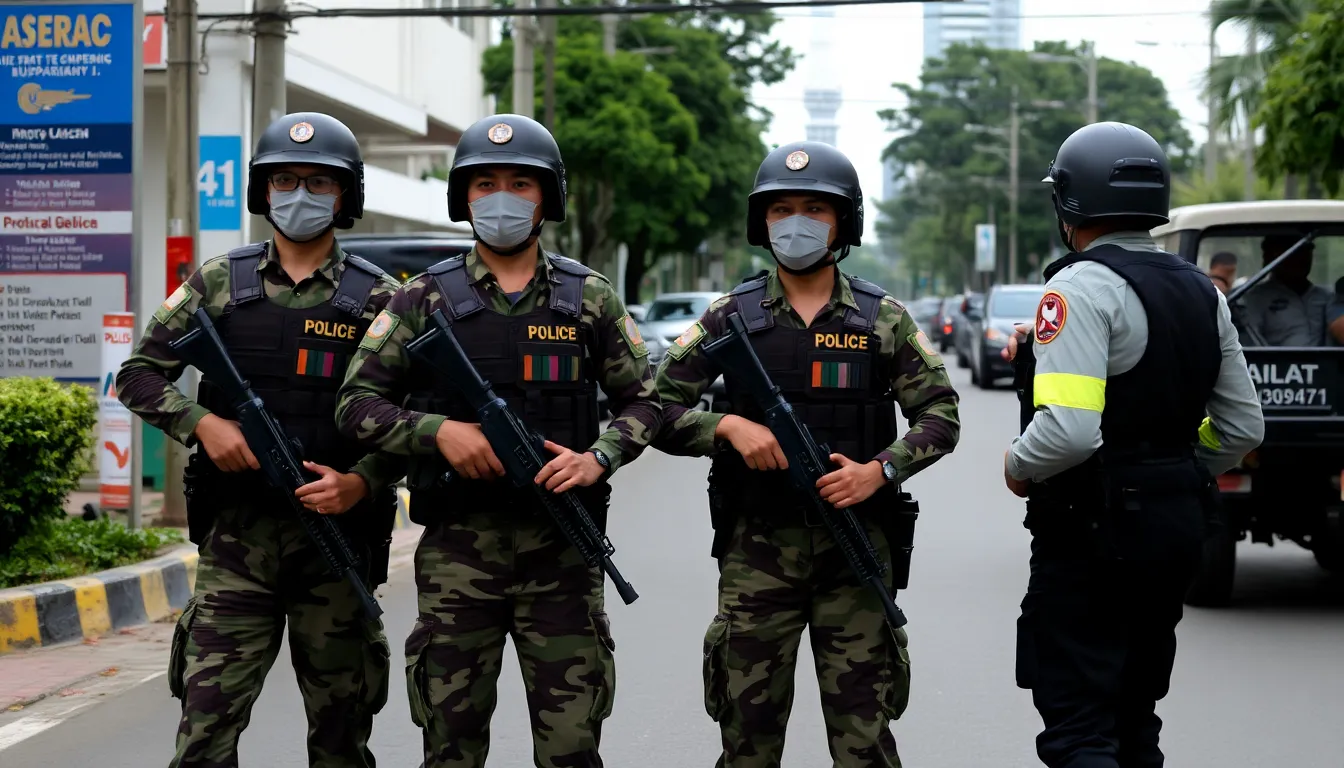
The soldiers, who are reportedly members of the Indonesian Army, were taken into custody as part of an ongoing investigation into the brutal attack. This move underscores the government’s commitment to addressing violence against activists, particularly in a political climate where dissent is often met with hostility. Such cases highlight the urgent need for stronger protections for activists, which have been increasingly threatened in recent years.
Human rights groups have expressed relief at the arrests, viewing them as a critical step toward accountability. The attack has raised alarms about the safety of activists in Indonesia, where there have been increasing reports of intimidation and violence against those who speak out against the government.
The case has also sparked discussions about the broader implications for civil society in Indonesia. As the investigation unfolds, it remains to be seen how this incident will influence public perception of the military and the government’s approach to human rights issues in the country.
Understanding the background of the acid attack incident
The recent detention of four soldiers in Indonesia over an acid attack on an activist has sparked widespread outrage and raised concerns about the safety of civil society in the country. This incident is not an isolated case but rather a reflection of the ongoing struggles faced by activists in Indonesia, particularly those who challenge the government or military actions. Exploring the historical context is crucial, as political repression and human rights abuses in Indonesia play a significant role in understanding the current climate for activists.
Indonesia has a complex history marked by authoritarian rule, especially during the Suharto regime that lasted from 1967 to 1998. During this period, dissent was often met with violence, and many activists were silenced. Although the fall of Suharto led to a more democratic environment, issues of impunity for state violence and human rights abuses have persisted. The military continues to wield significant influence in both politics and society, creating a precarious situation for those who dare to speak out against it.
In recent years, there have been numerous cases of violence against activists, journalists, and dissenters in Indonesia. The acid attack on the activist in question is a stark reminder of the lengths to which some may go to intimidate and silence voices of dissent. This incident has echoes of previous attacks on activists, such as the acid attack on journalist and activist, Nurani, in 2016, which drew international condemnation and highlighted the dangers faced by those advocating for human rights.
The role of civil society and activism
Despite the risks, civil society in Indonesia has shown resilience and continues to advocate for human rights and democracy. Organizations and individuals working in this space often face harassment and threats, yet they persist in their efforts to hold the government accountable. The recent detainment of soldiers involved in the acid attack might signal a shift in how such cases are handled, but it also raises questions about the broader implications for activists and the protection of their rights in Indonesia.
Examining the implications of military involvement in civilian violence
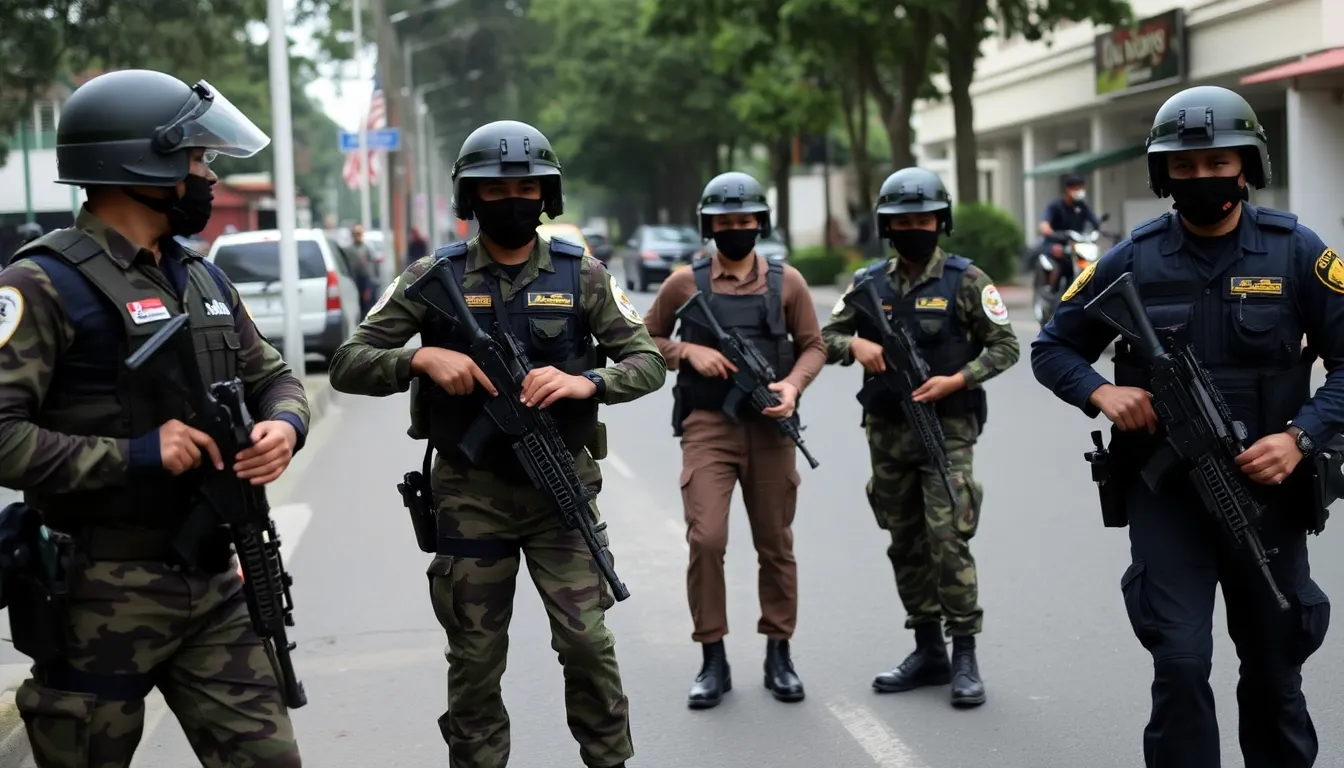
The recent detention of four Indonesian soldiers in connection with an acid attack on an activist has raised significant concerns regarding the role of military personnel in civilian affairs. This incident highlights the complex interplay between state security forces and civil society, particularly in a country where military influence remains substantial in political and social matters.
Key stakeholders in this scenario include the Indonesian military, the government, human rights organizations, and the activist community. The military’s interest lies in maintaining its reputation and authority, while the government faces pressure to uphold human rights and ensure accountability. Human rights organizations are focused on advocating for justice and protecting individuals from state violence, whereas activists are concerned about their safety and the broader implications for civil liberties. As highlighted in other incidents, such as the acid attack in 2016, the role of civil society remains pivotal in these discussions.
Several conflicts and trade-offs emerge from this situation:
- Military Accountability: The military’s involvement in civilian violence raises questions about its accountability and the effectiveness of oversight mechanisms.
- Public Trust: Incidents like this can erode public trust in both the military and government institutions, leading to increased social unrest.
- Human Rights vs. National Security: The balance between ensuring national security and protecting human rights is a contentious issue, often leading to conflicting priorities.
- International Scrutiny: Indonesia may face international criticism and pressure from human rights organizations, which could affect its diplomatic relations and aid.
- Activism and Civil Society: The response from civil society and activists may influence future government policies and military conduct, highlighting the importance of public engagement.
This incident serves as a critical reminder of the ongoing challenges Indonesia faces in reconciling military authority with democratic principles and human rights. As the situation develops, the responses from various stakeholders will be pivotal in shaping the future landscape of civil-military relations in the country.
The potential impact on human rights activism in Indonesia
The recent detention of four soldiers in connection with an acid attack on an activist has significant implications for various groups and sectors in Indonesia. Human rights organizations, activists, and the general public are likely to feel the immediate effects of this incident. This situation could also influence the broader political landscape and the military’s role in civil society.
In the short term, there may be a surge in public support for human rights activism as citizens rally against violence and impunity. Activist groups and NGOs could see an increase in engagement, as the attack highlights the risks faced by those advocating for change. Additionally, the incident may prompt international attention, leading to potential pressure on the Indonesian government to address human rights violations more seriously.
Mid-term impacts could include changes in policy regarding the military’s involvement in civilian matters, as well as a reevaluation of security measures for activists. The government may be compelled to implement stricter regulations to protect individuals involved in human rights work, which could foster a safer environment for activism. However, there is also a risk of backlash, with authorities potentially tightening control over dissenting voices to prevent further incidents.
- Increased public awareness of human rights issues.
- Potential policy reforms aimed at protecting activists.
- Risk of government crackdown on dissent.
- Opportunities for international collaboration on human rights initiatives.
The incident serves as a reminder of the ongoing challenges faced by human rights defenders in Indonesia. While it may catalyze positive change, it also underscores the precarious nature of activism in a country where state and military interests often intersect with civil rights issues.
A: The acid attack is believed to be linked to the activist’s outspoken criticism of government policies, highlighting the risks faced by dissenters in Indonesia. A: The soldiers are facing charges related to assault and conspiracy, as authorities investigate their role in the planned attack. A: Public reaction has been one of outrage, with many calling for accountability and stronger protections for activists. A: In response to this incident, there are calls for the government to implement better protections for human rights defenders and to investigate violence against them. A: Violence against activists in Indonesia has been a growing concern, with many facing threats and attacks for their work in promoting human rights and democracy.
Frequently asked questions about the incident
Key takeaways and future implications of the case
The detention of four soldiers in connection with the acid attack on an activist marks a significant moment in Indonesia’s ongoing struggle for human rights and accountability. This incident not only highlights the risks faced by activists in the region but also raises questions about the military’s role in civil society and the government’s commitment to protecting its citizens. The response from authorities may set a precedent for how similar cases are handled in the future, potentially influencing public trust in law enforcement and military institutions.
As the situation develops, it will be crucial to monitor the legal proceedings against the detained soldiers and the broader implications for activist movements in Indonesia. The reaction from civil society and international observers will likely play a role in shaping the narrative around this case and its impact on human rights advocacy in the country.
- Watch for potential changes in public sentiment towards military involvement in civilian matters.
- Monitor the government’s response and any reforms aimed at improving accountability and transparency.
- Observe the impact of this case on future activism and the safety of human rights defenders in Indonesia.
- Consider the role of international pressure in influencing domestic human rights policies.