


This statement has drawn criticism for its insensitivity, especially given the significance of Pearl Harbor in American history.
Trump’s remarks come amid heightened geopolitical tensions, as the Biden administration continues to navigate complex relationships in the Middle East. Iran’s nuclear program and its influence in the region have been focal points of U.S. foreign policy, making Trump’s comments particularly provocative in this context.
Critics argue that such statements trivialize historical events and can undermine diplomatic efforts. The reaction from various political figures and commentators highlights a broader concern over the impact of Trump’s rhetoric on national and international discourse.
<pAs the situation develops, observers are keen to see how these comments will affect public opinion and the ongoing discussions surrounding U.S. foreign policy in relation to Iran and other global issues.
Understanding the historical significance of Pearl Harbor
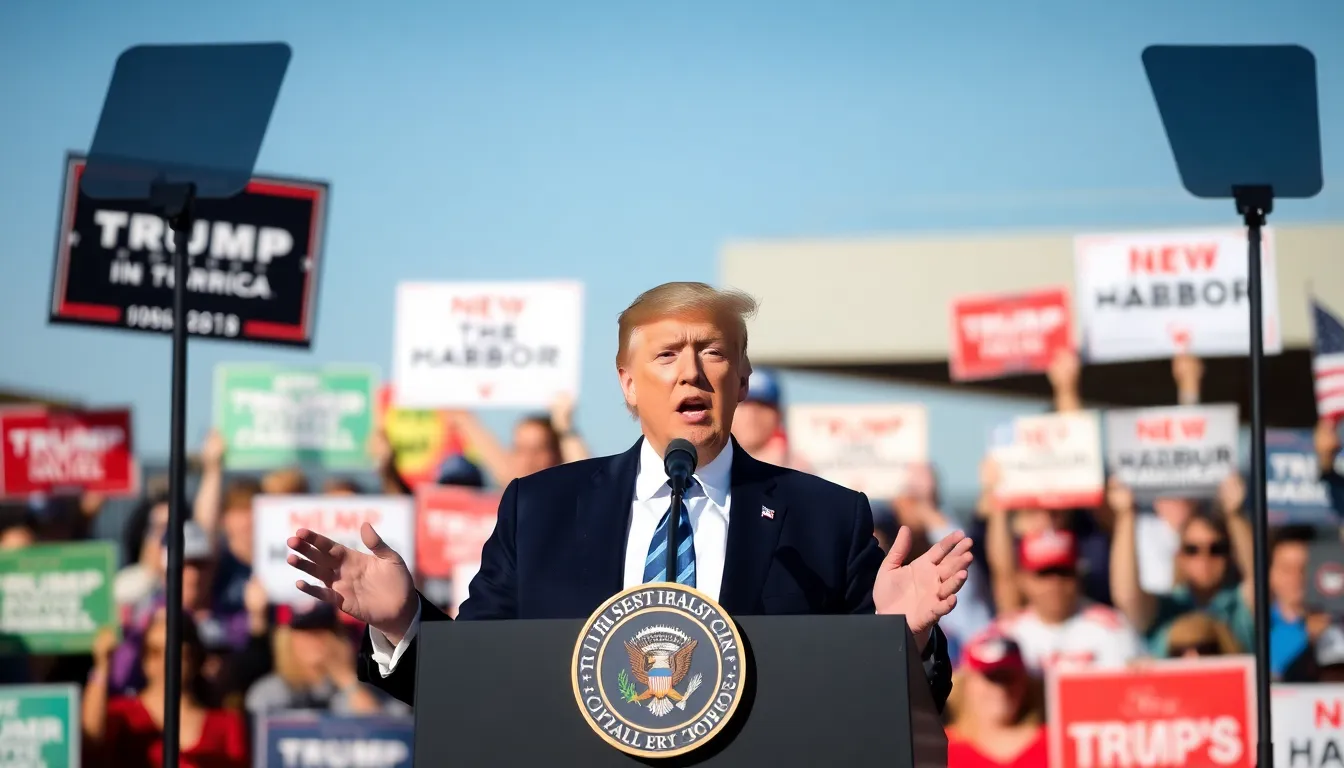
Pearl Harbor, located in Hawaii, became a pivotal point in American history following the surprise military strike by the Imperial Japanese Navy on December 7, 1941. This attack led to the United States’ formal entry into World War II, marking a significant shift in global power dynamics. The event not only galvanized American public opinion against Japan but also solidified the U.S. commitment to fighting fascism and authoritarian regimes across the globe. For more on international dynamics, refer to China’s actions before the Iran war.
The aftermath of Pearl Harbor saw the United States mobilizing its vast industrial and military resources, ultimately leading to the defeat of Axis powers. The attack is remembered as a day of infamy, and it has since been ingrained in the American psyche as a symbol of surprise aggression and the importance of national security. The repercussions of this event continue to influence U.S.-Japan relations and American foreign policy.
Political Context and Relations
In the decades following World War II, the U.S. and Japan transitioned from adversaries to allies, with the signing of the Treaty of Mutual Cooperation and Security in 1960. This treaty established a framework for mutual defense and has played a crucial role in maintaining stability in the Asia-Pacific region. However, historical grievances related to Pearl Harbor occasionally resurface, particularly during politically charged moments.
Recent comments by former President Donald Trump that mock Japan in the context of Pearl Harbor, particularly in relation to ongoing tensions with Iran, highlight how historical events can be invoked in contemporary political discourse. Such remarks can stir emotions and reflect underlying sentiments about national pride, historical memory, and the complexities of international relations. Understanding the historical significance of Pearl Harbor is essential for contextualizing these modern political statements.
The implications of Trump’s comments on US-Japan relations
Former President Donald Trump’s recent remarks mocking Japan in the context of Pearl Harbor have sparked significant debate regarding their potential impact on US-Japan relations.
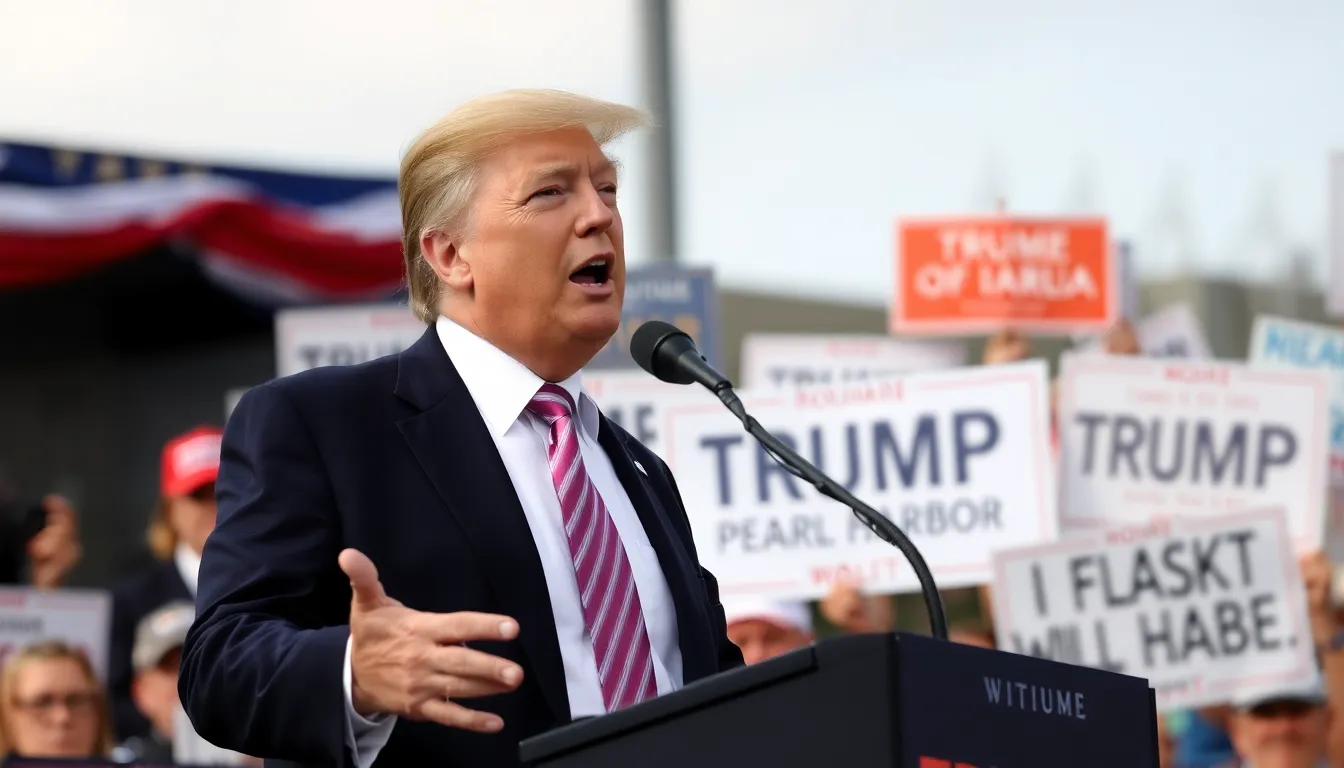
The main actors in this scenario include Donald Trump, the Japanese government, and the broader US political landscape. Trump’s comments may resonate with certain segments of the American populace, particularly those who prioritize a strong nationalist narrative. However, they could alienate allies like Japan, which has been a crucial partner in regional security and trade.
Key issues arising from this situation include the potential for diplomatic strain between the US and Japan, especially as both nations navigate the challenges posed by a rising China and North Korean threats. Additionally, Trump’s comments may reignite historical tensions, complicating efforts to foster a cooperative security environment in the Asia-Pacific region.
- Historical Tensions: Trump’s remarks could revive sensitive memories of World War II, impacting Japan’s national sentiment.
- Geopolitical Alliances: The US-Japan alliance is vital for countering regional threats; mockery may weaken this partnership.
- Domestic Political Ramifications: Trump’s comments may influence his support base while alienating moderate voters concerned about international relations.
- Trade Relations: Strained diplomatic ties could affect ongoing trade negotiations and economic cooperation.
In summary, Trump’s comments reflect a broader narrative that intertwines historical context with present-day geopolitical realities, posing challenges for the future of US-Japan relations.
Potential effects on diplomatic relations and public opinion
The recent comments made by former President Trump regarding Japan and Pearl Harbor in the context of a question about the potential for war with Iran have far-reaching implications. Various groups, industries, and regions may find themselves affected by this controversial rhetoric, particularly in the realms of international relations and public sentiment.
One of the primary groups impacted is the diplomatic community, especially those involved in U.S.-Japan relations. Trump’s remarks may strain the historically strong alliance between the two nations, potentially leading to increased tensions. This could affect trade agreements, defense collaborations, and joint military exercises, which are crucial for regional stability in East Asia.
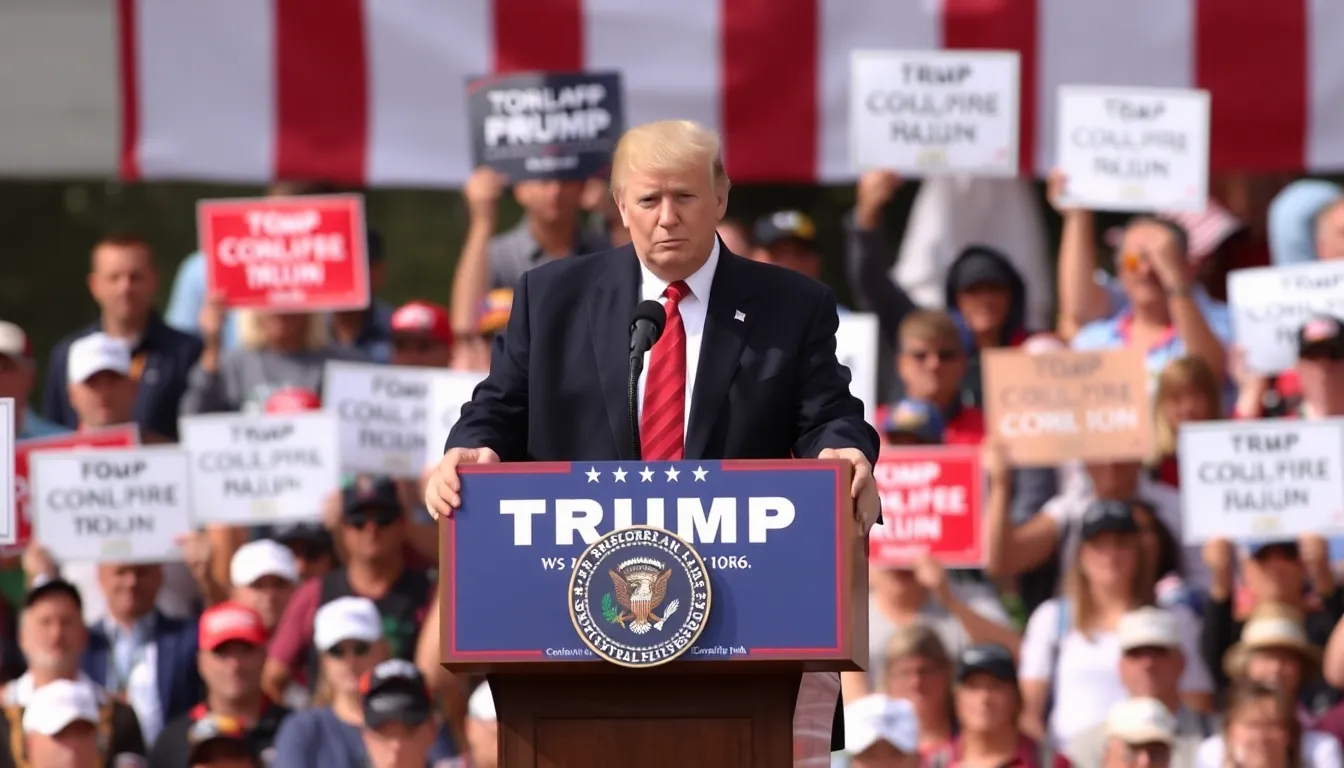
In the short term, businesses that rely on trade with Japan may experience uncertainty. Industries such as automotive, technology, and agriculture could face disruptions as diplomatic relations become strained. In the mid-term, companies may need to reassess their strategies and supply chains, potentially leading to increased costs and operational challenges.
Public opinion in both the U.S. and Japan may shift as a result of these comments. In the U.S., Trump’s supporters may rally around him, while detractors could amplify calls for more respectful diplomatic discourse. In Japan, there could be a backlash against perceived disrespect, impacting how citizens view the U.S. and its leaders.
- Risks: Strained diplomatic relations, increased trade uncertainties, potential backlash from the public.
- Opportunities: Reevaluation of alliances, potential for new diplomatic dialogues, increased focus on regional security initiatives.
A: Trump made a mocking comment about Japan’s attack on Pearl Harbor during a discussion about the Iran war, which has drawn criticism from various quarters. A: The comment is seen as disrespectful to a significant historical event and may strain US-Japan relations, which have been strong for decades. A: Reactions have been mixed, with some supporting his candidness while others condemn the insensitivity of his comments. A: Pearl Harbor was a pivotal moment in World War II, leading to the US’s entry into the war and shaping its foreign policy for years. A: Trump’s remarks may complicate the US’s stance on Iran, as they reflect a broader pattern of rhetoric that could influence diplomatic negotiations.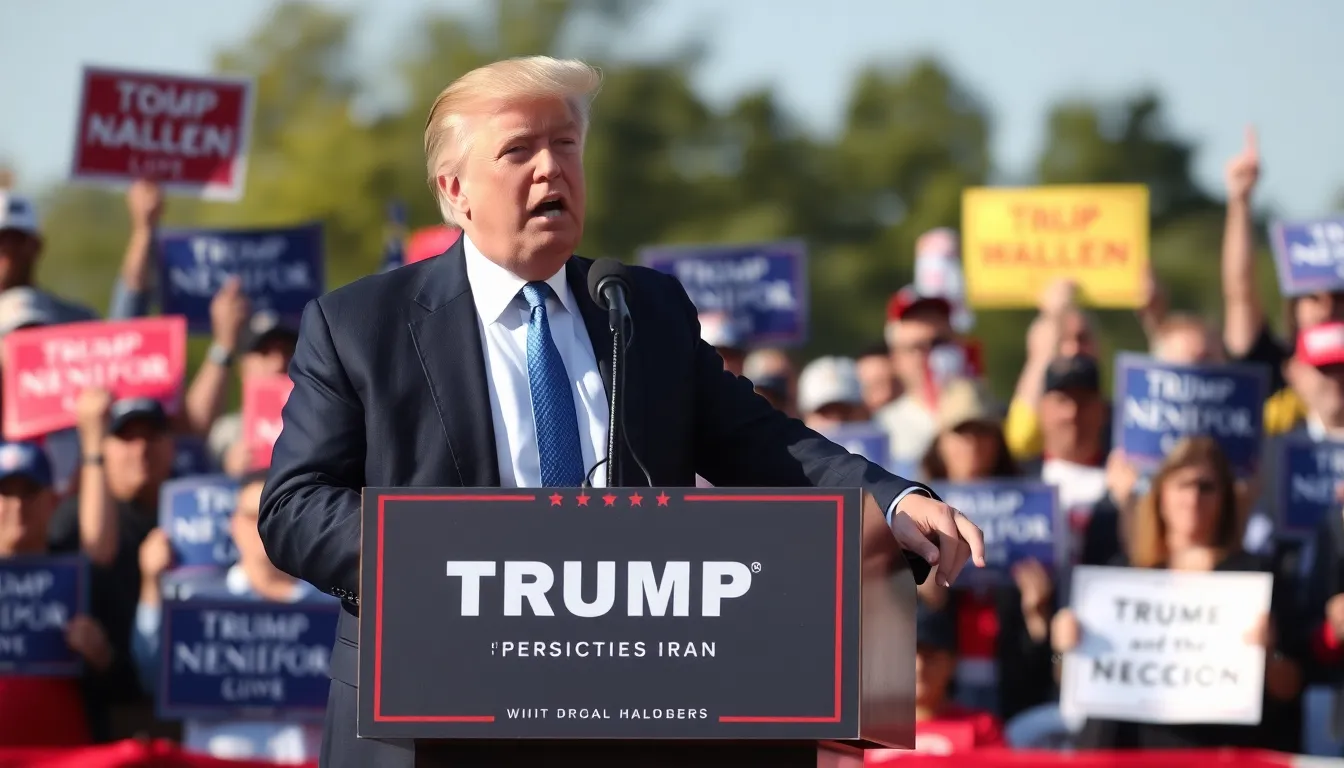
Frequently asked questions about Trump’s remarks
Key takeaways and future implications of the incident
The recent remarks made by former President Trump regarding Japan and Pearl Harbor in the context of a question about the Iran war highlight the complex interplay of historical grievances and contemporary geopolitical tensions. This incident underscores the potential for rhetoric to reshape public perception and international relationships, particularly in a time of heightened global conflict. As leaders navigate these intricate dynamics, the implications of such comments may extend beyond immediate reactions, influencing diplomatic relations and public discourse.
Monitoring the responses from both Japan and Iran will be crucial in understanding the broader ramifications of Trump’s comments. The way these nations react could signal shifts in diplomatic strategies and alliances, especially as the international community grapples with ongoing tensions in the Middle East.
- The potential for increased diplomatic friction between the U.S. and Japan as historical grievances resurface.
- Iran’s possible leverage of Trump’s comments to bolster nationalist sentiments and unite public opinion against perceived foreign interference.
- Implications for U.S. foreign policy as rhetoric may influence allies’ trust and cooperation in regional security matters.
- Heightened scrutiny on the role of historical narratives in shaping contemporary political discourse and international relations.
- Future political discourse may increasingly reflect a blending of historical references with current geopolitical challenges, affecting voter sentiment and policy-making.