


The investigation is being led by the Office of the United States Trade Representative (USTR) and is expected to focus on a range of issues, including tariffs, subsidies, and intellectual property rights. The USTR has expressed concerns that certain trade policies implemented by these partners may disadvantage American businesses and workers.
This move comes amid rising tensions in global trade relations, particularly as the US seeks to bolster its economic position post-pandemic. The Biden administration has been vocal about its commitment to ensuring fair trade practices, and this investigation is seen as a significant step in holding trading partners accountable.
Stakeholders from various sectors, including agriculture and technology, are closely monitoring the situation, as the outcomes of the investigation could lead to changes in trade policies or the imposition of tariffs. The results are expected to be released in early 2024, and they could have far-reaching implications for US trade relations.
Understanding the reasons behind the US trade probe
The recent decision by the United States to launch a probe into its trading partners, including the European Union, China, and India, is rooted in a complex interplay of historical, economic, and political factors. This investigation reflects ongoing tensions in international trade relationships that have evolved over decades, particularly following the globalization wave that began in the late 20th century. As countries increasingly interlinked their economies, disparities in trade practices and regulations began to surface, leading to growing concerns in the US about unfair competition and market access.
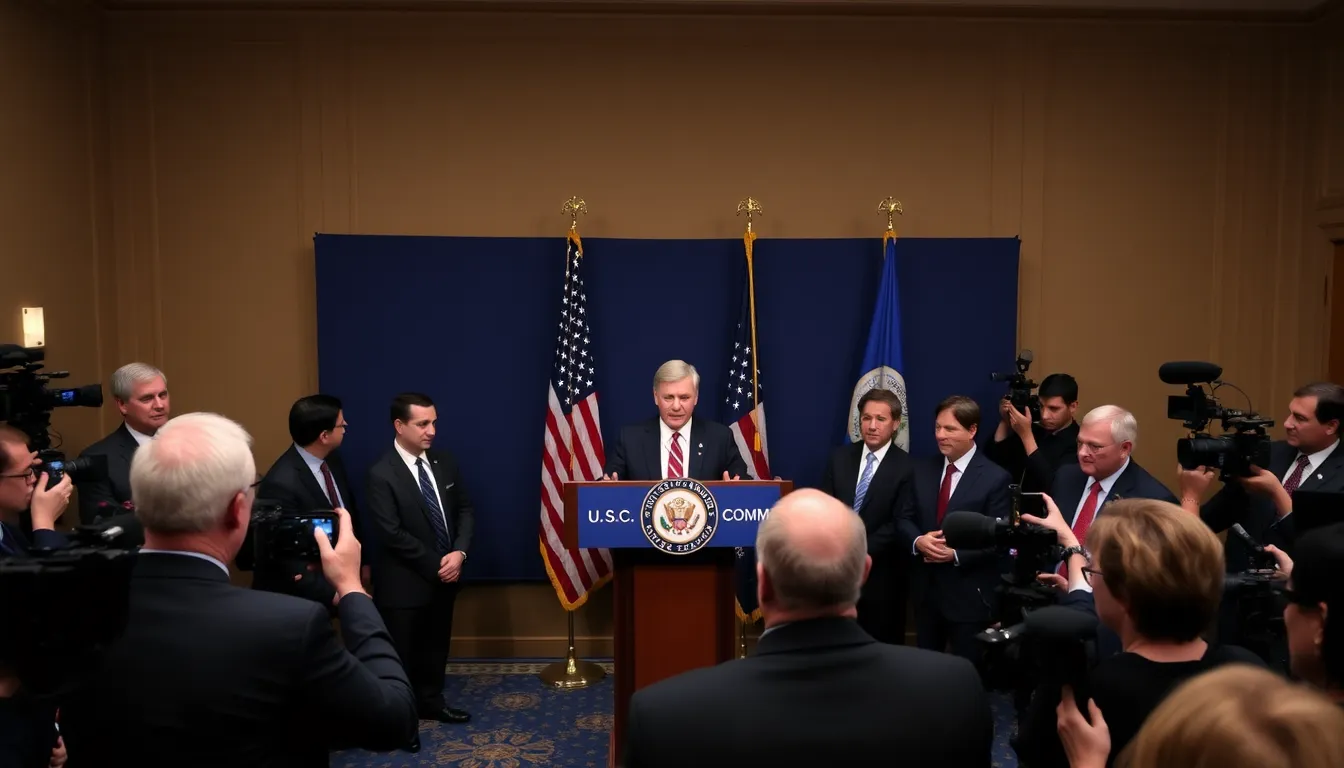
Historically, the US has positioned itself as a proponent of free trade, yet it has also faced mounting pressure from domestic industries that feel threatened by foreign competition. This has led to a series of trade disputes and tariffs, notably during the Trump administration, which adopted a more protectionist stance. The imposition of tariffs on steel and aluminum imports in 2018 exemplified this shift, as the US sought to protect its manufacturing base from what it termed ‘unfair trade practices’ by other nations.
Key Milestones in US Trade Relations
In recent years, several key milestones have defined US trade relations with major partners. The US-China trade war, which escalated in 2018, was marked by reciprocal tariffs and accusations of intellectual property theft, fundamentally altering the landscape of US-China economic relations. Similarly, negotiations over the US-Mexico-Canada Agreement (USMCA) highlighted the US’s efforts to renegotiate trade terms that it viewed as unfavorable. These events have set a precedent for the current probe, as they underscore a growing willingness by the US to scrutinize and challenge the trade practices of its partners.
The current investigation can also be seen as a response to economic challenges exacerbated by the COVID-19 pandemic, which revealed vulnerabilities in global supply chains and heightened the focus on economic sovereignty. As the US seeks to bolster its own economic resilience, it is increasingly scrutinizing its trading partners, aiming to ensure that trade practices align with its economic interests and national security concerns.
Key stakeholders and issues surrounding the investigation
The recent decision by the United States to launch an investigation into its trading partners, including the European Union, China, and India, has significant implications for international trade relations. The main stakeholders in this scenario include the U.S. government, the governments of the EU, China, and India, as well as various industry groups and consumers affected by trade policies.
The U.S. government, led by the Office of the United States Trade Representative (USTR), seeks to address perceived unfair trading practices that could harm American industries. This investigation may focus on issues such as tariffs, subsidies, and intellectual property rights. The interests of the U.S. include protecting domestic jobs and ensuring a level playing field for American companies.

On the other hand, the governments of the EU, China, and India have their own economic interests to protect. The EU is concerned about maintaining its trade relationship with the U.S. while safeguarding its own industries from potential retaliatory measures, which ties into the broader context of the global economy. China, as a major trading partner, aims to counter any accusations of unfair practices and defend its economic sovereignty.
- Trade Conflicts: Potential for increased tariffs could lead to trade wars, impacting global supply chains.
- Legal Issues: The investigation may lead to disputes in international trade forums such as the World Trade Organization (WTO).
- Economic Impact: Shifts in trade policies could affect economic growth in the involved countries.
- Consumer Prices: Tariffs and trade restrictions may lead to higher prices for consumers in all involved nations.
As these stakeholders navigate the complexities of this investigation, the potential for conflict and cooperation remains high. The outcome will depend on diplomatic negotiations and the ability of these nations to find common ground amidst their differing economic priorities.
Potential effects on global markets and economies
The recent announcement of a probe into trading partners, including the EU, China, and India, signals a potential shift in U.S. trade policy that could have far-reaching implications. Various groups, industries, and regions stand to be affected by this investigation, which may lead to increased scrutiny and potential tariffs on imports from these key partners.
Industries heavily reliant on international trade, such as technology, agriculture, and manufacturing, are likely to experience immediate impacts. For instance, farmers who export goods to these markets may face uncertainty, affecting pricing and supply chains. Similarly, tech companies that depend on components sourced from China could see disruptions that impact production timelines and costs.
- Short-term risks: Increased tariffs may lead to higher prices for consumers, particularly in sectors like electronics and consumer goods.
- Mid-term risks: Prolonged trade tensions could destabilize markets, leading to decreased investment and innovation.
- Opportunities: Domestic industries may benefit from reduced competition, allowing for growth and expansion in certain sectors.
The geopolitical landscape will also be affected, as countries may respond with their own measures in retaliation. This could lead to a tit-for-tat scenario, further complicating international relations and impacting global supply chains. Companies may need to adapt their strategies to navigate these changes, potentially leading to a re-evaluation of sourcing and production practices.
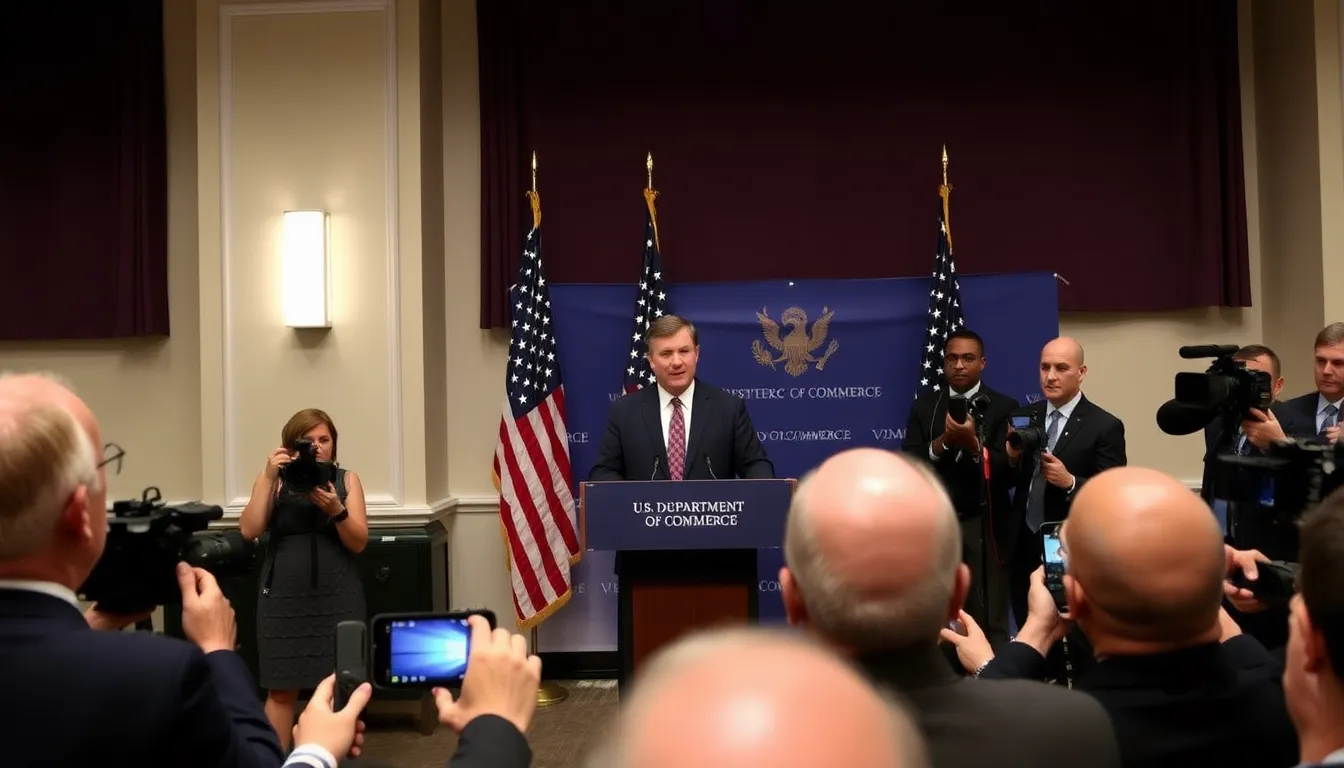
In the mid-term, businesses may find opportunities in diversifying their supply chains and exploring new markets as they adjust to the evolving trade environment. While there are inherent risks associated with such investigations, proactive companies could leverage the situation to strengthen their competitive positioning in the long run.
A: The investigation was prompted by concerns over unfair trade practices and economic policies of its major trading partners, particularly the EU, China, and India. A: Depending on the outcomes, consumers may face changes in prices and availability of goods, as tariffs or trade restrictions could be implemented. A: The countries under investigation could face sanctions, tariffs, or other trade barriers, which may strain diplomatic relations and economic ties. A: The duration of the investigation is uncertain, but similar probes typically take several months to complete, depending on the complexity of the issues. A: The US government will gather data, conduct analyses, and engage with stakeholders before making any formal decisions or announcements regarding trade policies.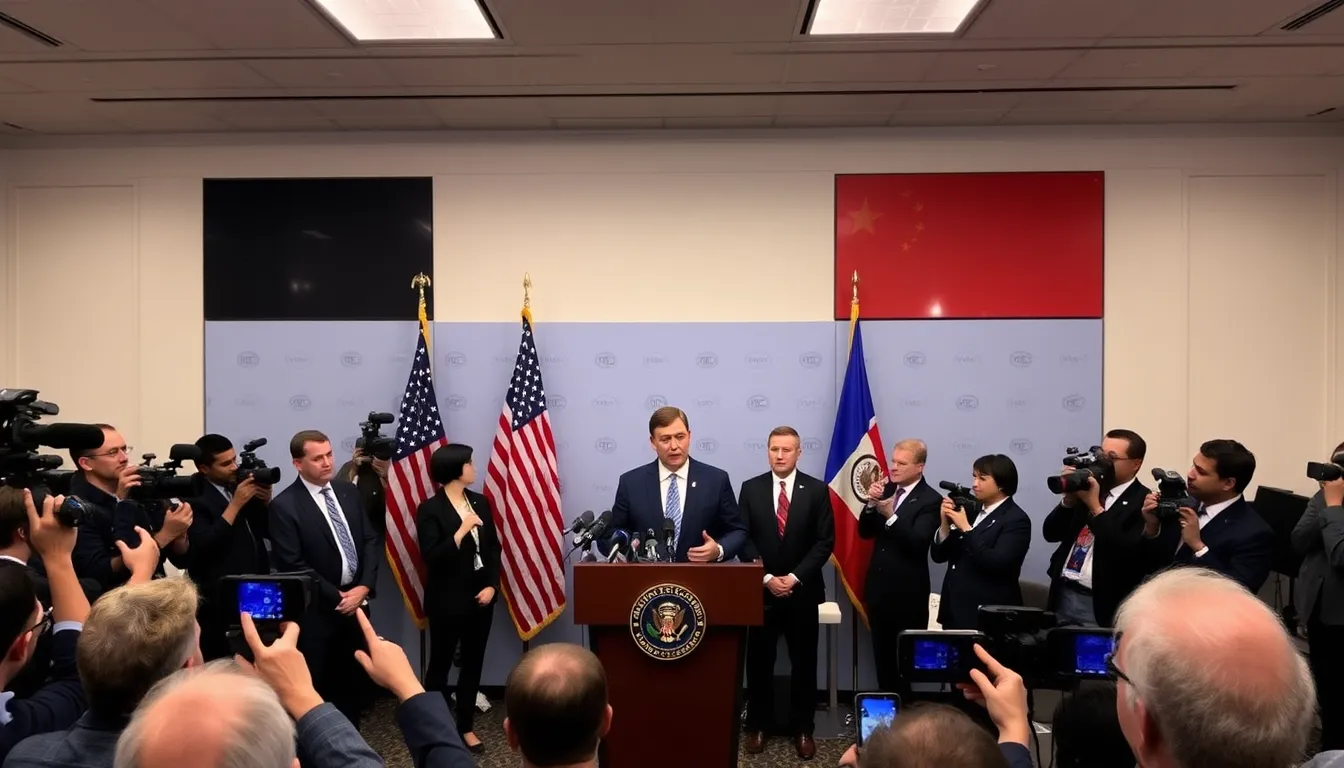
Frequently asked questions about the trade investigation
Outlook on the future of US trade relations
The recent announcement of a probe into trading partners, including the EU, China, and India, signals a pivotal moment in US trade policy. As the Biden administration seeks to address perceived imbalances and unfair practices, the outcomes of these investigations could reshape the landscape of international trade relations. Stakeholders across various sectors should prepare for potential shifts in tariffs, trade agreements, and regulatory frameworks.
Monitoring the developments of this inquiry will be essential for businesses and policymakers alike. The implications of these investigations extend beyond immediate trade practices, potentially influencing global supply chains and economic partnerships. As the US navigates its trade relationships, the focus will likely be on fostering fair competition while balancing domestic interests.
- Increased scrutiny: Expect heightened evaluations of trade practices, which may lead to new tariffs or trade barriers.
- Impact on supply chains: Companies may need to reassess their supply chains in response to potential changes in trade policies.
- Negotiation dynamics: The US may adopt a more aggressive stance in negotiations, possibly affecting existing trade agreements.
- Global responses: Other nations may retaliate or adjust their trade strategies in response to US actions, leading to a more complex trade environment.
- Long-term shifts: The outcomes of these investigations could lead to lasting changes in global trade dynamics and alliances.