


The initiative, which includes countries such as Germany, France, and the Netherlands, is set to create a network of wind farms capable of generating up to 150 gigawatts of energy by 2030. This ambitious target underscores the urgency of transitioning to sustainable energy sources in light of rising energy demands and climate change challenges. The UK government has expressed its dedication to leading in renewable technologies through this partnership.
Key stakeholders, including energy companies and government officials, will convene in early November 2023 to finalize plans and outline the project’s framework. This meeting will be crucial for establishing governance structures and funding mechanisms necessary for the successful implementation of the wind energy farms. The collaboration is seen as a pivotal step in ensuring energy independence and sustainability for participating countries, particularly as renewable energy initiatives gain momentum.
As part of its broader energy strategy, the UK aims to generate 70% of its electricity from renewable sources by 2030. The involvement in this wind farm project aligns with this goal and reflects a growing trend among European nations to invest in green technologies. With the global focus on climate action intensifying, this initiative is poised to position the UK as a leader in offshore wind energy development.
Understanding the European wind energy landscape
The European wind energy sector has witnessed significant growth over the past few decades, driven by the urgent need for sustainable energy sources and the commitment of various nations to reduce carbon emissions. The European Union has set ambitious climate targets, aiming to become the first climate-neutral continent by 2050. This vision has catalyzed collaboration among member states, leading to various multinational projects aimed at harnessing wind energy more effectively.
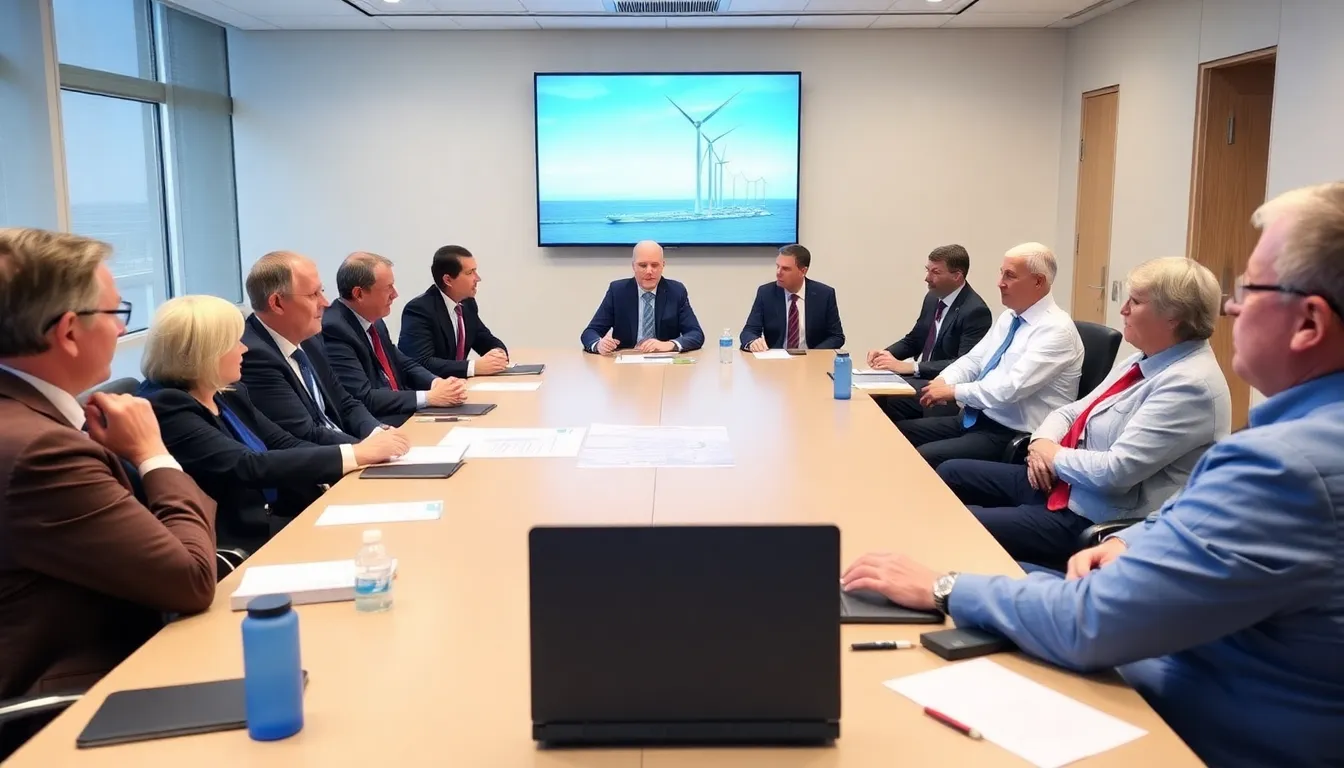
Historically, the UK has been a pioneer in offshore wind energy, boasting one of the largest offshore wind farms in the world. The development of this sector began in the early 2000s, with the first commercial offshore wind farm, Blyth Offshore, becoming operational in 2007. Since then, the UK has invested heavily in this renewable sector, fostering innovation and infrastructure that has positioned it as a leader in wind energy production. This commitment is further highlighted by the recent decision to join a major wind farm project with nine other European countries.
Collaboration Across Borders
The recent decision for the UK to join a major wind farm project with nine other European countries marks a significant milestone in international energy collaboration. This project, which aims to create an interconnected network of wind farms across the North Sea, is designed to enhance energy security and reduce reliance on fossil fuels. It reflects a broader trend of nations recognizing the importance of cooperative strategies in addressing climate change and achieving energy independence.
Political factors have also played a crucial role in shaping this landscape. The UK’s exit from the European Union prompted a reevaluation of its energy policies and relationships with neighboring countries. By engaging in joint projects, the UK not only strengthens its energy infrastructure but also reinforces its commitment to international cooperation in combating climate change.
Economically, the transition to wind energy is expected to create thousands of jobs and stimulate growth in the renewable energy sector. Investments in wind farms and related technologies will drive innovation and provide opportunities for local economies. As countries work together on this ambitious project, the potential for shared economic benefits becomes a compelling incentive for collaboration.
Key stakeholders and issues in the wind farm project
The ambitious wind farm project involving the UK and nine European countries brings together a diverse range of stakeholders, each with distinct interests and priorities. Key actors include national governments, energy companies, environmental organizations, and local communities. The collaboration aims to enhance renewable energy production, reduce carbon emissions, and improve energy security across the region.
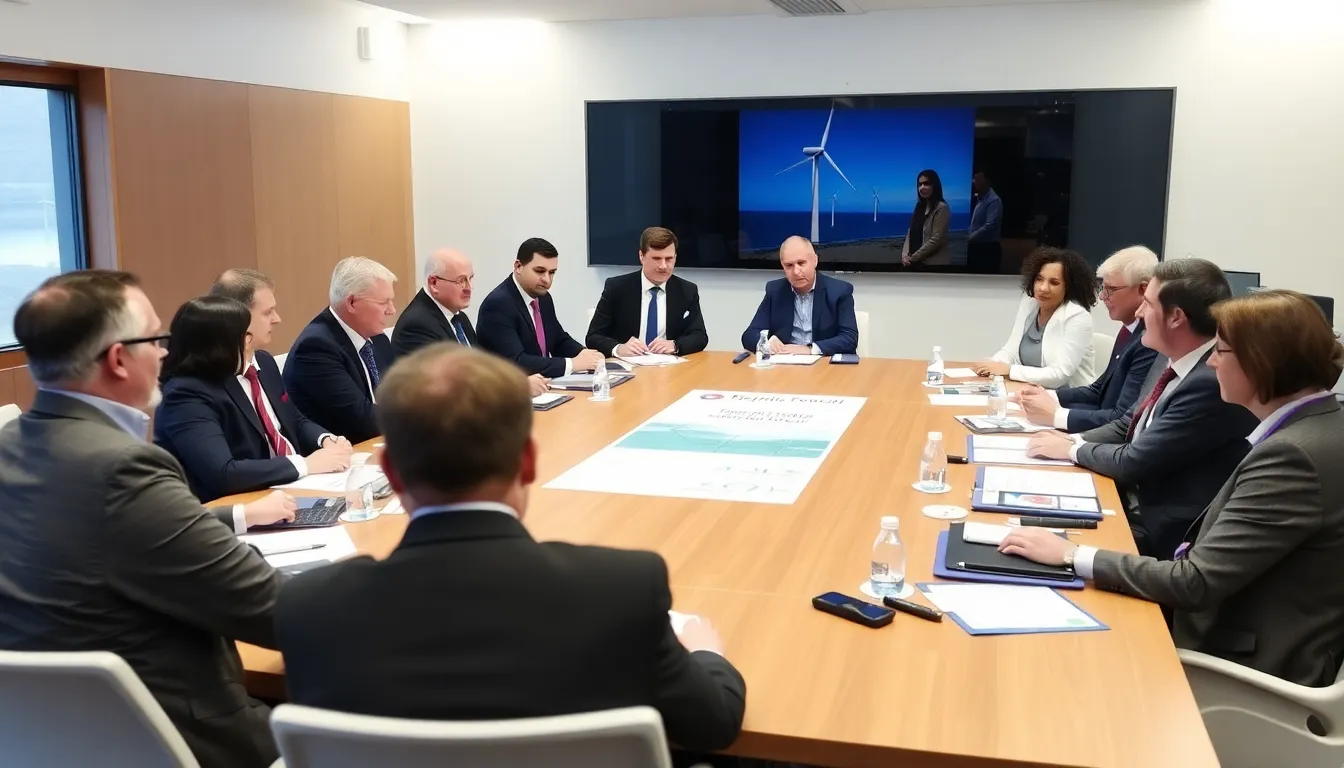
Governments of the participating countries, including the UK, have a vested interest in meeting climate goals set by international agreements. These nations are likely to push for policies that facilitate investment in renewable energy infrastructure while balancing the needs of their citizens and local economies. The UK government, for instance, is focused on achieving its net-zero targets and fostering energy independence.
Energy companies are also critical stakeholders, as they will lead the development and operation of the wind farms. Their interests primarily revolve around profitability and securing long-term contracts for energy supply. However, these companies must navigate regulatory frameworks and public sentiment, which can sometimes conflict with their business objectives.
- Environmental concerns: Local communities and environmental organizations may oppose the project due to potential impacts on wildlife and landscapes.
- Economic trade-offs: The allocation of financial resources for the project may divert funds from other public services or infrastructure needs.
- Legal challenges: Regulatory hurdles and legal disputes could arise, particularly regarding land use and environmental assessments.
- International cooperation: The success of the project hinges on effective collaboration among the nine participating countries, which may have differing priorities.
- Technological advancements: The integration of new technologies into the project could lead to unforeseen challenges and opportunities.
As the project progresses, stakeholders will need to engage in ongoing discussions to address these conflicts and trade-offs. The balance between advancing renewable energy initiatives and respecting local concerns will be crucial for the project’s long-term success and acceptance.
Potential impacts on energy markets and communities
The UK’s decision to join a major wind farm project with nine European countries is set to have significant implications for various groups, industries, and regions. The primary beneficiaries include energy consumers, local communities in coastal areas, and the renewable energy sector. Additionally, this initiative is expected to influence energy policies across Europe, promoting a shift towards sustainable energy sources.
In the short term, residents in regions where wind farms are developed may experience disruptions during the construction phase, including increased traffic and noise. However, these challenges are likely to be outweighed by the long-term benefits of job creation and investment in local economies. The renewable energy industry will see a boost in demand for skilled labor, materials, and technology, fostering growth in related sectors.
From a market perspective, the collaboration is poised to enhance energy security and reduce reliance on fossil fuels. This could lead to lower energy prices for consumers as competition increases within the renewable energy market. However, there are risks associated with the integration of such large-scale projects, including potential delays in construction and regulatory hurdles that could impact timelines and costs.
- Job Creation: New employment opportunities in construction, maintenance, and technology sectors.
- Energy Prices: Potential for reduced energy costs due to increased competition.
- Community Investment: Growth in local economies through infrastructure development.
- Policy Changes: Influence on energy policies promoting sustainability and renewable sources.
- Environmental Concerns: Risks associated with wildlife and ecosystem impacts during construction.
In the mid-term, the successful implementation of this project could lead to a paradigm shift in how energy is produced and consumed in the UK and Europe. Communities may witness enhanced energy resilience, with a more diversified energy mix reducing vulnerability to price fluctuations in global energy markets. However, stakeholders must remain vigilant about the environmental implications and ensure that the development is sustainable and considerate of local ecosystems.
A: The project aims to enhance renewable energy production across Europe by harnessing wind energy, thereby reducing reliance on fossil fuels. A: The project includes collaboration between the UK and nine other European countries, although specific nations have yet to be disclosed. A: This initiative is expected to align with the UK’s commitment to increasing renewable energy sources and reducing carbon emissions. A: Local communities may benefit from job creation, increased investment in infrastructure, and access to cleaner energy sources. A: The timeline for the project’s commencement has not been finalized, but discussions are ongoing among the participating countries.
Frequently asked questions about the wind farm project
Looking ahead at the future of wind energy collaboration
The UK’s participation in the major wind farm project alongside nine European countries marks a significant step towards enhancing renewable energy capabilities across the region. This collaboration not only aims to increase energy security but also addresses the pressing need for sustainable energy solutions in the face of climate change. As nations unite their resources and expertise, the potential for technological advancements and economic benefits becomes increasingly evident.
Monitoring the developments of this project will be crucial as it unfolds. The integration of diverse energy systems and the sharing of best practices among countries could pave the way for future initiatives, fostering a more interconnected and resilient energy landscape in Europe.
- Increased Energy Security: The collaboration may lead to a more stable and reliable energy supply for the UK and its partners.
- Economic Opportunities: Job creation and investment in renewable technologies could stimulate local economies in participating countries.
- Innovation in Technology: Joint research and development initiatives are likely to drive advancements in wind energy technology.
- Environmental Impact: A shift towards renewable energy sources will contribute to reducing carbon emissions and combating climate change.
- Potential for Future Collaborations: Success in this project could inspire similar partnerships in other areas of renewable energy.