


This initiative is expected to not only reduce energy bills for homeowners but also contribute to the UK’s commitment to achieving net-zero carbon emissions by 2050, much like the recent UK joins major wind farm project with nine European countries.
Key players in this initiative include the Department for Business, Energy & Industrial Strategy, which is spearheading the funding allocation. The government aims to roll out these projects starting in early 2024, with a focus on making green technology accessible to a wider range of households.
Experts highlight the significance of this funding, noting that it could create thousands of jobs in the renewable energy sector while promoting energy independence. The initiative reflects a growing recognition of the need for sustainable solutions to combat climate change and ensure energy security for future generations.
Understanding the background of the energy crisis in the UK
The energy crisis in the UK has deep roots, influenced by a combination of historical, political, and economic factors. Over the past few decades, the UK has transitioned from a coal-dependent economy to one that increasingly relies on natural gas and renewable energy sources. This shift was driven by the need to reduce carbon emissions and combat climate change, but it has also made the nation vulnerable to fluctuations in global energy prices.

In recent years, the geopolitical landscape has further complicated the situation. The conflict in Ukraine and subsequent sanctions on Russian energy exports have led to significant increases in energy prices across Europe, including the UK. This has prompted the government to seek innovative solutions to alleviate the burden on households struggling with soaring energy bills.
Government Initiatives and Funding
Key milestones in this initiative include the introduction of subsidies for solar panel installations and incentives for energy-efficient home improvements, which are designed to empower homeowners to take control of their energy consumption and are vital for the holistic strategy.
Additionally, the push for green technology aligns with the UK’s commitment to achieving net-zero carbon emissions by 2050. The government has recognized that transitioning to renewable energy sources is not only essential for environmental sustainability but also for economic resilience in the face of global energy market volatility.
As the nation moves forward, the success of these initiatives will depend on collaboration between the government, energy providers, and consumers, which also aligns with the broader changes seen in sectors like college basketball.
Key stakeholders and their roles in the green technology initiative
The UK government’s commitment to invest £15 billion in solar and green technology aims to reduce energy bills for households while promoting sustainability. This initiative involves multiple stakeholders, each with distinct interests and roles. Central to this initiative is the UK government, which seeks to fulfill its environmental commitments and enhance energy security for its citizens.

Another key player includes renewable energy companies, which stand to benefit from increased demand for solar panels and other green technologies. These companies are motivated by profit but also by the opportunity to contribute to the UK’s transition to a low-carbon economy. Additionally, local governments and municipalities play a critical role in implementing these initiatives, as they are responsible for local energy policies and infrastructure development.
Homeowners and tenants are directly impacted by this initiative, as they will have access to financial support for installing solar panels and other energy-efficient technologies. Their interests lie in reducing energy costs and increasing property value. However, not all households may have the same capacity to invest in these technologies, leading to potential inequalities in access to benefits.
- Economic implications: The £15 billion investment may stimulate job creation in the green technology sector, but it could also lead to increased taxes or reallocation of funds from other public services.
- Legal considerations: Regulatory frameworks will need to adapt to facilitate the rapid deployment of new technologies, which may lead to conflicts with existing laws.
- Environmental impact: While solar and green technologies can reduce carbon emissions, their production and installation may have environmental consequences that need to be addressed.
- Public perception: The success of this initiative largely depends on public support and awareness, which may vary across different demographics.
In summary, the initiative to fund solar and green technology in the UK involves a complex interplay of stakeholders, each with their own interests and concerns. Understanding these dynamics is essential for navigating the potential challenges and opportunities that lie ahead in the transition to a greener economy.
How this funding will affect homeowners and the energy market
The recent announcement of £15 billion in funding for solar and green technology in the UK is set to have a significant impact on various groups, industries, and regions. Homeowners, particularly those in areas with high energy costs, stand to benefit the most from this initiative as they will have access to more affordable energy solutions. Additionally, the renewable energy sector will see increased investment, leading to growth in jobs and innovation.
In the short term, homeowners may experience a reduction in energy bills as they adopt solar panels and other green technologies. This financial relief can improve household budgets, allowing families to allocate funds to other essential needs. Furthermore, businesses in the energy sector, especially those focused on renewable technologies, are likely to see a surge in demand for their products and services, driving economic growth.
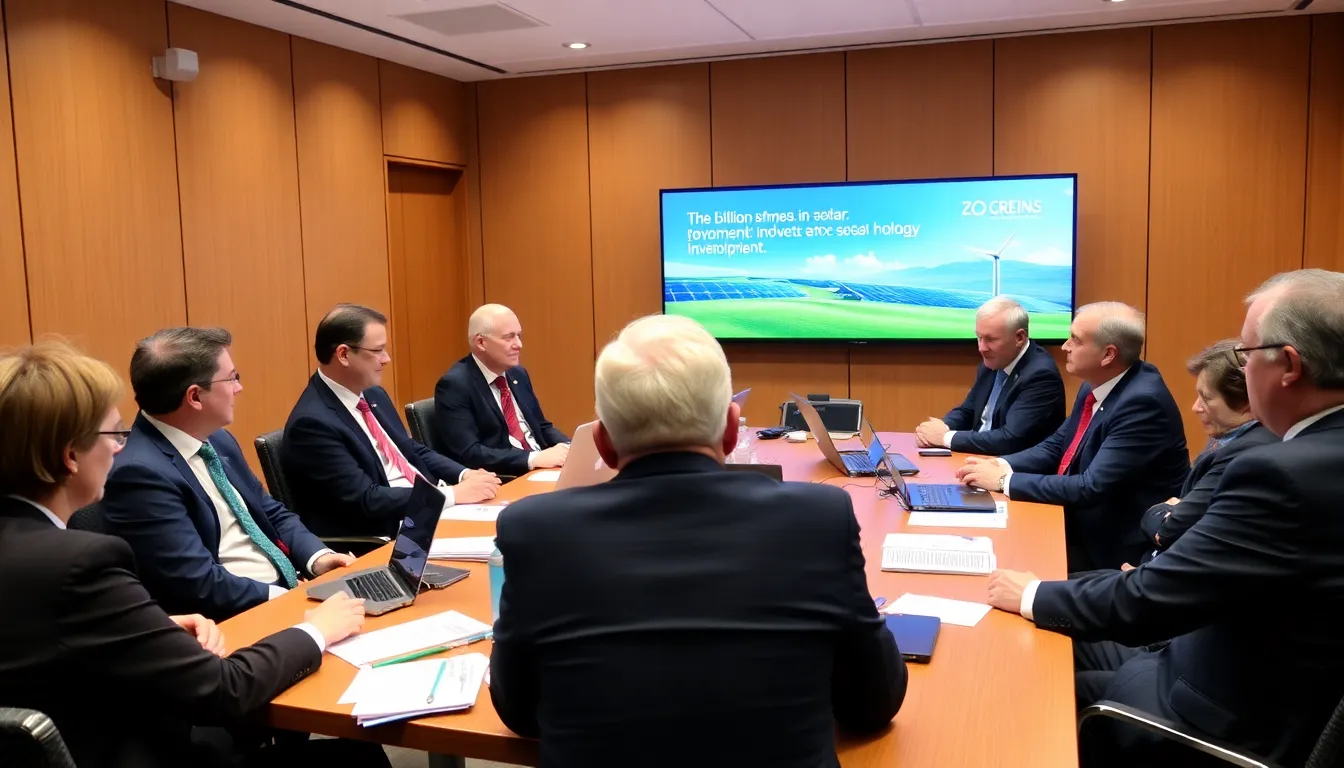
In the mid-term, the shift towards green technology may lead to a transformation in energy policy, with the government potentially implementing stricter regulations on fossil fuel use. This could create a more competitive market for energy providers, as consumers seek out cleaner and more cost-effective options. However, there are risks involved, such as the potential for increased costs associated with the initial installation of solar systems, which may deter some homeowners from participating.
- Homeowners: Reduced energy bills and enhanced property value.
- Energy Sector: Growth in jobs and innovation opportunities.
- Local Communities: Potential for improved air quality and sustainability.
- Policy Makers: New regulations and incentives to promote green energy.
While the funding presents numerous opportunities for economic and environmental benefits, it is essential to consider the risks associated with a rapid transition. If not managed carefully, the shift could lead to inequalities where only certain demographics can afford the initial investments, potentially widening the gap between different socioeconomic groups.
A: Homeowners can apply for the funding through their local councils or designated government websites that provide information on green technology grants. A: The funding covers a range of technologies including solar panels, energy-efficient heating systems, and home insulation improvements. A: While the funding is substantial, it may not cover the entire cost. Homeowners are encouraged to check specific grant details for coverage amounts. A: The government plans to roll out the funding in phases, with the first applications expected to open in early 2024. A: By investing in solar and green technologies, homeowners can significantly reduce their energy bills over time, leading to long-term savings.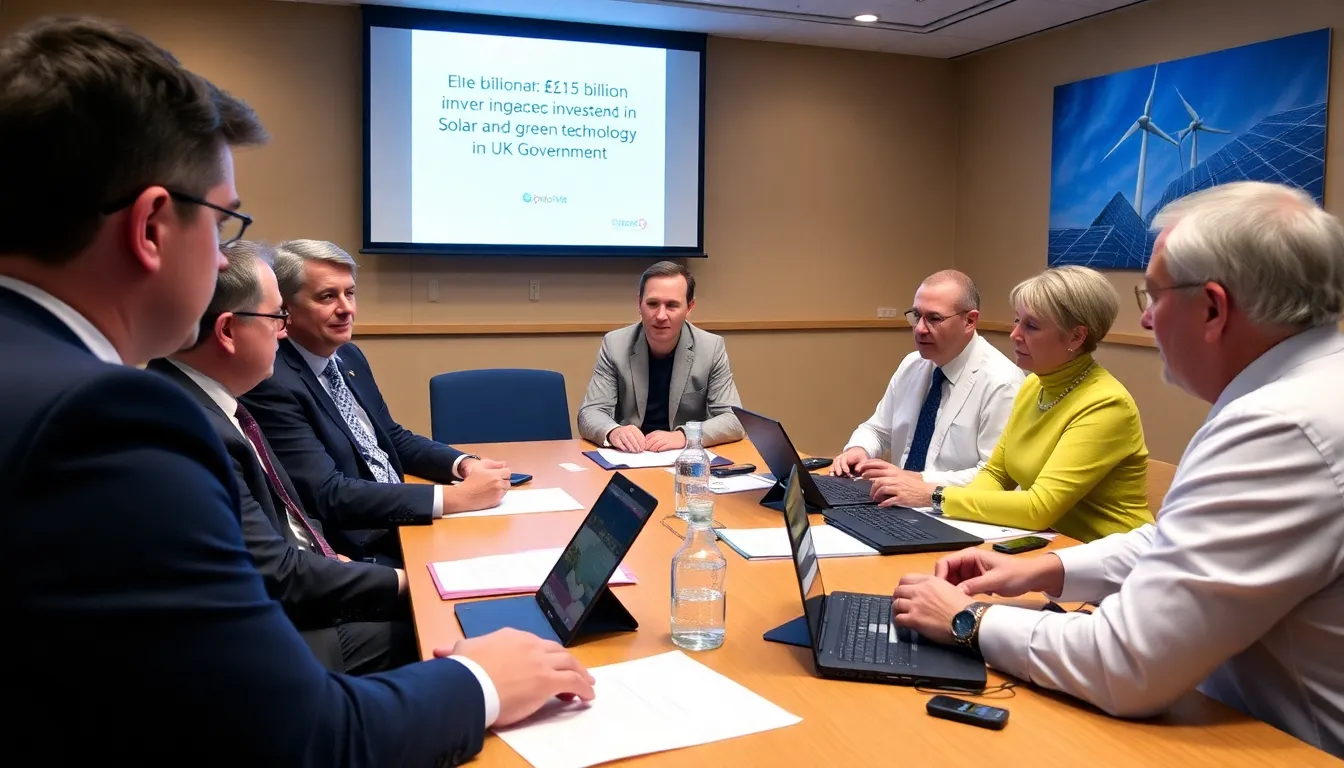
Frequently asked questions about the solar funding initiative
Future outlook on solar energy investment and its implications
The recent announcement of a £15 billion investment in solar and green technology for UK homes marks a significant shift towards sustainable energy solutions. This initiative is expected to alleviate energy bills for households while contributing to the nation’s net-zero goals. The funding will not only enhance energy efficiency but also stimulate job creation within the green technology sector, fostering economic growth in the long term.
As the UK moves forward with this ambitious plan, monitoring the rollout of solar installations and the adoption of green technologies will be crucial. The effectiveness of these investments in reducing energy costs and their impact on the overall energy market will be key indicators of success. Stakeholders will need to remain vigilant as they navigate the evolving landscape of renewable energy.
- Increased accessibility to solar technology may lead to a surge in household installations, driving down overall energy costs.
- Job creation in the green technology sector could provide new employment opportunities and stimulate local economies.
- Monitoring the effectiveness of these investments will be essential to assess their impact on energy bills and sustainability goals.
- Potential for innovation in energy solutions may arise as competition increases among green technology providers.
- Public awareness and engagement in energy-saving practices will play a critical role in maximizing the benefits of this initiative.