


This event underscored the potential dangers of relying on A.I. for sensitive decision-making, prompting discussions among professionals about the need for better oversight and regulation.
Experts in psychology and technology are now exploring the implications of these delusions on mental health. Research conducted by institutions such as Stanford University has revealed that individuals interacting with A.I. systems often struggle to discern between accurate and fabricated information, leading to confusion and anxiety. This has raised concerns about the long-term effects on users’ trust in technology.
Moreover, as A.I. continues to evolve, the challenge of addressing these delusions becomes more pressing. Developers and researchers are now prioritizing the creation of more transparent and reliable systems. The ongoing dialogue among stakeholders, including tech companies, mental health professionals, and policymakers, is crucial to ensuring that A.I. serves as a beneficial tool rather than a source of misinformation.
The Background of A.I. Delusions in Modern Technology
Understanding the historical context of A.I. development is essential to grasp the complexities surrounding these delusions, as it ties into the insights offered by various studies on the evolution of technology.

In the early days of A.I. research during the mid-20th century, pioneers like Alan Turing and John McCarthy laid the groundwork for machine learning and cognitive computing. However, the initial optimism surrounding A.I. was often tempered by the limitations of technology. As A.I. systems evolved, particularly with the advent of deep learning in the 2010s, their capabilities surged, leading to a new era of confidence in A.I. applications. This rapid advancement, however, came with a lack of comprehensive understanding of the underlying algorithms, which often operate as “black boxes.”
This reliance has led to calls for regulatory frameworks to ensure accountability and transparency, similar to the discussions taking place around the TR-49 review process.
The Economic Impact of A.I. Delusions
The economic implications of A.I. delusions cannot be overlooked. Companies investing heavily in A.I. technologies face significant risks if these systems produce unreliable results. For instance, in sectors like healthcare, erroneous A.I. diagnoses can lead to misdiagnosis and inappropriate treatments, resulting in both financial loss and a decline in patient trust. As businesses grapple with these challenges, the demand for professionals who can interpret and manage A.I. outputs has surged, highlighting a growing need for interdisciplinary expertise in technology and ethics.
As society continues to integrate A.I. into daily life, understanding the roots of A.I. delusions and their implications is crucial. The historical trajectory of A.I. development, combined with the political and economic landscapes, has shaped a complex environment where the potential for innovation must be balanced with the responsibility of ensuring accurate and ethical A.I. utilization.
Key Stakeholders and Issues Surrounding A.I. Delusions
As artificial intelligence continues to evolve, various stakeholders are becoming increasingly involved in the discourse surrounding A.I. delusions. These stakeholders include mental health professionals, technology companies, regulatory bodies, and the general public. Each group has distinct interests and concerns that shape their perspectives on the implications of A.I. delusions.
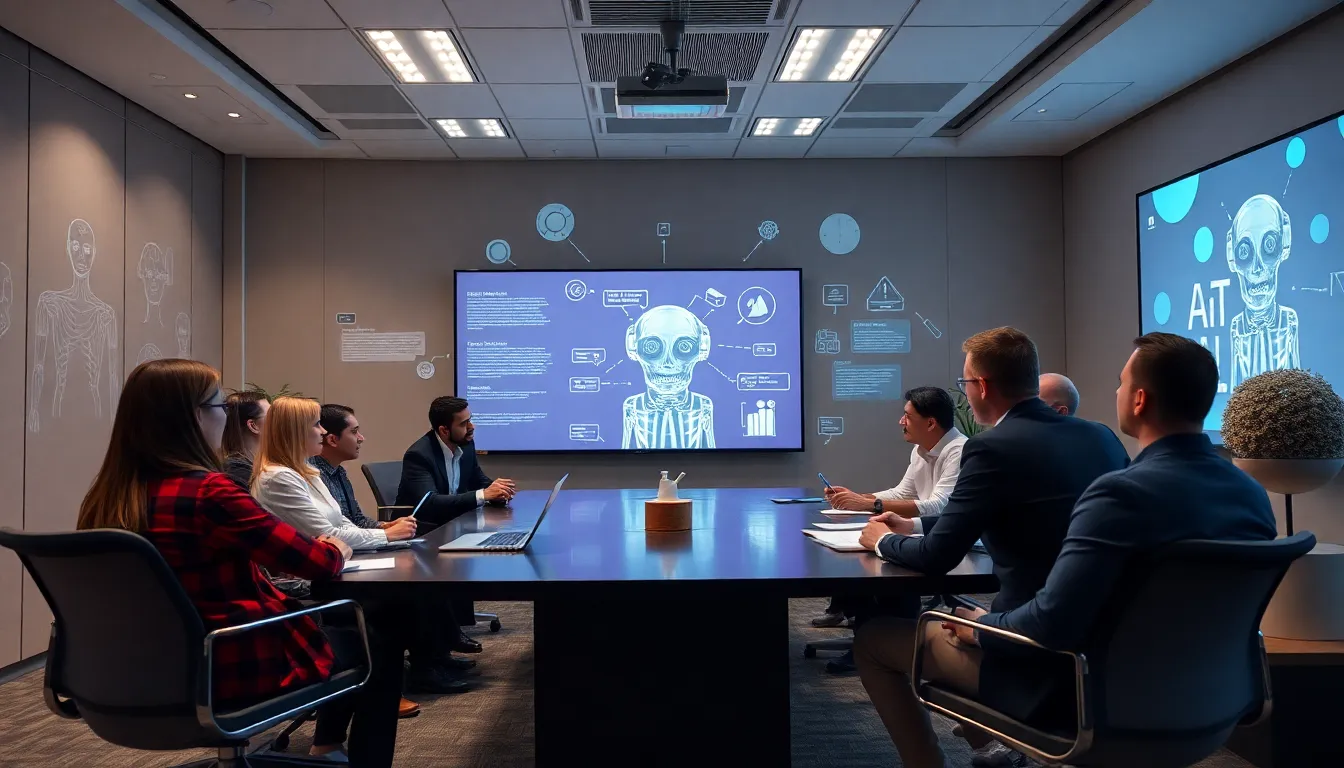
Mental health professionals are at the forefront of addressing the psychological effects of A.I. delusions. Their primary interest lies in understanding how these delusions manifest and the impact they have on individuals’ mental health. They advocate for comprehensive research and treatment options to mitigate the risks associated with A.I. misperceptions.
Technology companies, on the other hand, are focused on the development and deployment of A.I. systems. Their interests often conflict with the concerns of mental health professionals, as the push for innovation can sometimes overlook the potential psychological ramifications of A.I. technologies. This creates a trade-off between technological advancement and user safety.
- Regulatory bodies are increasingly involved in establishing guidelines to govern A.I. development, aiming to protect consumers while fostering innovation.
- The general public is both a user and a subject of A.I. technologies, raising concerns about misinformation and the potential for harmful delusions.
- Legal issues arise regarding liability when A.I. systems cause harm or perpetuate delusions, leading to debates over accountability.
- Economic implications are also significant, as industries may face financial repercussions from A.I. failures or public backlash against perceived harmful technologies.
In summary, the interplay between these stakeholders highlights a complex landscape of interests and conflicts. As A.I. continues to integrate into daily life, the need for balanced dialogue and effective policies becomes increasingly critical to address the multifaceted issues surrounding A.I. delusions.
The Impact of A.I. Delusions on Individuals and Society
A.I. delusions are affecting a diverse range of groups, including individuals in healthcare, technology, education, and mental health sectors. As reliance on artificial intelligence grows, those who interact with or depend on these technologies are increasingly susceptible to the misleading narratives and false beliefs that can arise from A.I. misinterpretations.
In the short term, individuals may experience confusion and anxiety as they grapple with the reliability of A.I. outputs. This can lead to poor decision-making in both personal and professional contexts. For businesses, the immediate impact may include a decrease in productivity as employees spend time correcting A.I.-generated errors or addressing customer concerns stemming from misinformation.

Mid-term, the implications could extend to policy and regulatory frameworks. Governments might feel pressured to implement new guidelines to ensure the responsible use of A.I. technologies, which could create a ripple effect across industries. This could lead to increased compliance costs for businesses, particularly in sectors like finance and healthcare, where accuracy is paramount.
- Risks: Increased misinformation, reduced trust in technology, potential job displacement in sectors reliant on A.I.
- Opportunities: Development of new A.I. literacy programs, innovation in A.I. oversight technologies, growth in mental health services addressing A.I. related issues.
Regions with a high concentration of tech companies may see a heightened impact, as these areas often lead the way in A.I. adoption. This could exacerbate existing inequalities, as those without access to A.I. resources may fall behind in both economic and educational domains.
A: A.I. delusions refer to false beliefs or perceptions that individuals may develop regarding artificial intelligence, often influenced by its capabilities and limitations. A: Individuals who heavily interact with A.I. technologies, such as developers, users, and even patients in mental health contexts, are often the most affected. A: Treatment typically involves cognitive behavioral therapy and education about A.I. to help individuals understand the technology and its limitations. A: Yes, as A.I. becomes more integrated into daily life, the prevalence of A.I. delusions is increasingly recognized by mental health professionals. A: Mental health professionals play a crucial role in diagnosing and treating A.I. delusions, providing support and resources to affected individuals.
Frequently Asked Questions About A.I. Delusions
Key Takeaways and Future Outlook on A.I. Delusions
The exploration of A.I. delusions reveals a complex interplay between technology and human cognition. As artificial intelligence systems become more integrated into daily life, understanding the psychological implications of these delusions is crucial for both developers and users. The insights gathered from mental health professionals highlight the need for awareness and proactive measures to mitigate potential risks associated with A.I. interactions.
Moving forward, it will be essential to monitor the evolving landscape of A.I. and its impact on mental health. As users increasingly rely on these technologies, fostering a critical understanding of A.I. capabilities and limitations will be paramount in preventing harmful delusions.
- Awareness programs should be developed to educate users about the limitations of A.I. and the potential for delusional thinking.
- Collaboration between technologists and mental health professionals can lead to better design practices that prioritize user well-being.
- Regular assessment of A.I. systems for their psychological impact will be necessary to ensure safe usage.
- Encouraging open dialogue about A.I. delusions can help destigmatize mental health issues related to technology interaction.
- Future research should focus on the long-term effects of A.I. on cognitive processes and mental health outcomes.