


Key players in this review include the European Chemicals Agency (ECHA) and the European Commission, both of which have been actively involved in evaluating the potential impacts of TR-49 on public health and the environment. Recent meetings held in September 2023 have highlighted differing perspectives on the necessity and feasibility of the proposed amendments, with some stakeholders advocating for stricter controls. For more on the implications of regulatory changes, check out our article on India and EU trade agreements.
Moreover, the timeline for finalizing the review has become a focal point of debate. Originally slated for completion by the end of 2023, delays in the assessment process have raised concerns about the effectiveness of current regulations. Industry representatives argue that any extended timeline could hinder innovation and competitiveness, while environmental groups emphasize the need for thorough evaluation to ensure safety.
The implications of the TR-49 review extend beyond regulatory compliance; they also impact international trade and market access for companies operating within the EU. As the review progresses, businesses are closely monitoring developments to adapt their strategies accordingly. The outcomes of this review will likely set precedents for future legislative actions in the field of chemical safety.
Background and Context of the TR-49 Review
The TR-49 review emerges from a complex interplay of historical, political, and economic factors that have shaped the current landscape of regulatory frameworks. Initially introduced as a response to the rapid advancements in technology and their implications for public safety and environmental sustainability, the TR-49 review aims to reassess existing regulations to ensure they are fit for purpose in a modern context. This review is particularly significant as it reflects a growing recognition of the need for adaptive governance in an era characterized by rapid innovation.

Historically, the regulatory environment surrounding technological advancements has often lagged behind the pace of innovation. This disconnect has led to numerous incidents where outdated regulations failed to protect public interests adequately. For instance, past events, such as the controversies surrounding data privacy breaches and environmental disasters linked to insufficient oversight, have underscored the urgent need for a comprehensive review like TR-49. These incidents have galvanized public opinion and prompted calls for stronger accountability and more robust regulatory frameworks.
Key Milestones Leading to TR-49
The journey toward the TR-49 review has been marked by several key milestones. One notable event was the establishment of a cross-sector task force in 2018, which was charged with evaluating the effectiveness of existing regulations in light of emerging technologies. This task force’s findings highlighted significant gaps and inconsistencies, paving the way for the TR-49 review. Additionally, international agreements, such as the Paris Agreement, have influenced domestic regulatory approaches, emphasizing the need for cohesive policies that address both local and global challenges.
Economically, the TR-49 review is also driven by the imperative to foster innovation while ensuring public safety. Stakeholders from various sectors have expressed concerns that overly stringent regulations could stifle economic growth and competitiveness. Therefore, the review seeks to strike a balance between safeguarding public interests and promoting an environment conducive to technological advancement, reflecting a broader trend in regulatory reform aimed at encouraging sustainable economic development.
In summary, the TR-49 review is situated within a historical context marked by the evolution of regulatory frameworks in response to technological change. It represents a critical juncture in the ongoing dialogue about how best to govern emerging technologies while ensuring that public safety and environmental integrity remain paramount. As the review progresses, its outcomes will likely have lasting implications for both policy and practice in various sectors, similar to the factors discussed in Exploring the Impact of BBC Inside Science.
Key Stakeholders and Issues in the TR-49 Review
The TR-49 review involves a diverse array of stakeholders, each with distinct interests and concerns. Key actors include government regulatory bodies, industry associations, environmental groups, and the general public. Understanding their positions is crucial for comprehending the broader implications of the review process, which can also be observed in the insights presented in Exploring the Insights of BBC Inside Science.
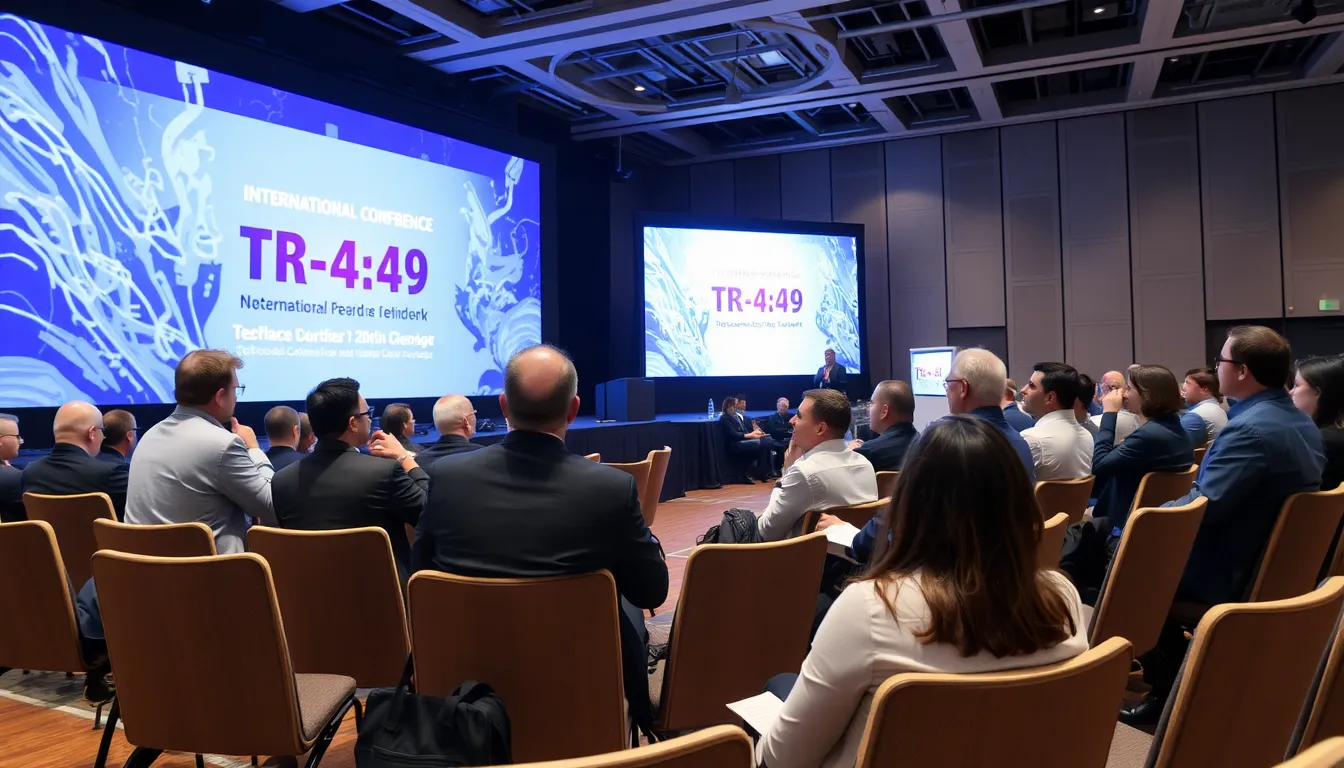
Government agencies are primarily focused on ensuring compliance with safety and environmental standards. Their interests lie in balancing regulatory frameworks with industry innovation. For instance, the Environmental Protection Agency (EPA) is concerned about potential environmental impacts, while the Department of Commerce aims to promote economic growth through technological advancements.
Industry stakeholders, including major corporations and trade associations, seek to influence the review in ways that favor economic viability and competitiveness. They argue that overly stringent regulations could stifle innovation and increase operational costs. This creates a tension between the need for regulation and the desire for economic growth.
Environmental groups advocate for stronger protections and sustainability measures, emphasizing the potential risks associated with lax regulations. They argue that the long-term consequences of environmental degradation could outweigh short-term economic benefits. This highlights a significant conflict between economic interests and environmental sustainability.
- Regulatory Compliance: Ensuring that new policies meet safety and environmental standards.
- Economic Growth: Balancing regulation with the need for innovation and competitiveness in the industry.
- Environmental Protection: Advocating for stringent measures to safeguard natural resources.
- Public Health: Addressing concerns about potential health impacts from industry practices.
- International Standards: Aligning domestic regulations with global practices to maintain competitiveness.
Impact of the TR-49 Review on the Market
The TR-49 review is set to influence various sectors, particularly those involved in technology, finance, and environmental sustainability. Industries such as telecommunications, energy, and manufacturing will experience significant changes as they adapt to the new regulatory landscape. Additionally, regions heavily invested in these sectors, including urban centers and industrial hubs, will feel the effects more acutely.

In the short term, businesses may face challenges in compliance with the updated regulations, leading to increased operational costs and potential disruptions. For instance, companies may need to invest in new technologies or processes to meet the revised standards, which could strain budgets and resources. However, this transition period also presents opportunities for innovation and growth, as businesses that adapt swiftly can gain a competitive edge.
Mid-term impacts may include shifts in market dynamics, as companies that fail to comply with TR-49 may lose market share to those who embrace the changes. This could lead to a consolidation of firms within affected industries, as stronger players acquire those struggling to meet the new requirements. Furthermore, consumers may benefit from improved products and services that arise from the necessary innovations.
- Increased compliance costs for businesses adapting to new regulations.
- Opportunities for innovation as companies develop new solutions to meet standards.
- Market consolidation as stronger firms acquire weaker competitors.
- Consumer benefits from enhanced products and services.
Overall, while the TR-49 review poses certain risks, it also opens doors for businesses willing to innovate and adapt, ultimately reshaping the market landscape for years to come.
A: The TR-49 review is a regulatory assessment process that evaluates specific industry standards and practices. It aims to ensure compliance and improve overall quality. A: Key stakeholders include regulatory bodies, industry professionals, and organizations affected by the standards set forth in the review. Their input is crucial for a comprehensive evaluation. A: The TR-49 review can significantly affect businesses by influencing operational standards and compliance requirements. Companies may need to adapt to new regulations to remain competitive. A: Expected outcomes include improved industry standards, enhanced compliance measures, and potentially new regulations that businesses must follow. A: The schedule for the next TR-49 review is typically announced by the regulatory body involved. It is advisable to stay updated through official channels for the latest information.
Frequently Asked Questions about TR-49
Insights and Future Outlook on TR-49
The ongoing review of TR-49 presents a pivotal moment for stakeholders across the industry. As regulatory frameworks evolve, organizations must adapt to the changing landscape to ensure compliance while maintaining operational efficiency. The implications of these changes are far-reaching, affecting not only legal and financial aspects but also operational strategies and technological investments.
Looking ahead, companies should remain vigilant and proactive in their approach to the TR-49 guidelines. Engaging with regulatory bodies and participating in industry discussions will be crucial for navigating the complexities that lie ahead. Understanding potential scenarios and preparing for various outcomes will empower organizations to leverage opportunities that arise from this review.
- Monitor Regulatory Changes: Stay updated on any amendments to TR-49 as they can impact compliance requirements significantly.
- Enhance Stakeholder Engagement: Foster communication with industry peers and regulators to share insights and best practices.
- Invest in Technology: Consider adopting advanced technologies that facilitate compliance and improve operational efficiency.
- Scenario Planning: Develop contingency plans for various regulatory outcomes to mitigate risks and seize opportunities.