


The discussions between India and the EU have gained momentum, with officials from both sides meeting in recent months to outline key areas of cooperation. The potential agreement aims to reduce tariffs, enhance market access, and promote investment, which could significantly benefit both economies. For a broader context on similar developments, see the article on China and Canada reaching an agreement on tariffs relief. The first round of negotiations took place in June 2023, with subsequent meetings scheduled throughout the year.
Key stakeholders in this dialogue include Indian Commerce Minister Piyush Goyal and EU Trade Commissioner Valdis Dombrovskis, who have emphasized the mutual benefits of a successful agreement. The EU is keen to strengthen its economic presence in Asia, while India seeks to diversify its trade relationships amid rising protectionist sentiments globally.
This proposed trade deal is particularly significant as it aligns with India’s broader strategy to boost its economy and increase exports. With the EU being one of India’s largest trading partners, a successful agreement could lead to increased bilateral trade, which was valued at approximately €100 billion in 2022. The EU’s interest in strengthening its economic presence in Asia is echoed in other global partnerships, as seen in Universal Music’s licensing deal with NetEase in China.
As both sides work towards finalizing the details, the outcome of these negotiations will not only impact bilateral relations but also set a precedent for how countries navigate trade in an increasingly volatile global environment. The stakes are high, and the world will be watching closely as the talks progress.
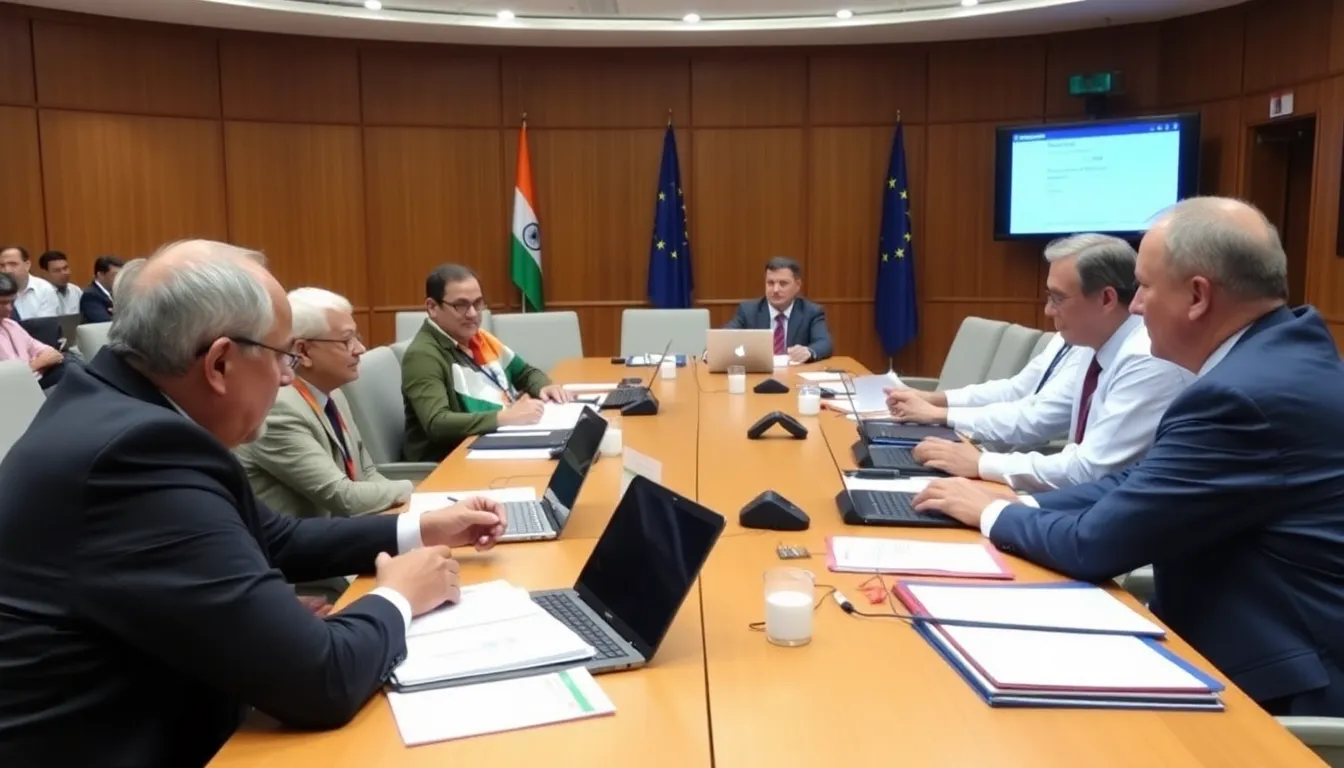
Understanding the backdrop of the India-EU trade discussions
The relationship between India and the European Union (EU) has evolved significantly over the past few decades, marked by a series of trade agreements and economic collaborations. Historically, both entities have sought to enhance their economic ties, recognizing the potential benefits of a comprehensive trade deal. The EU, as one of the largest economies in the world, presents a lucrative market for India, which has been striving to boost its exports and attract foreign investment.
In the early 2000s, India and the EU initiated discussions for a Free Trade Agreement (FTA), aiming to reduce tariffs and facilitate smoother trade flows. However, negotiations faced numerous challenges, including differences in regulatory standards, agricultural policies, and intellectual property rights. Despite these hurdles, both parties have remained committed to finding common ground, particularly in light of shifting geopolitical dynamics and economic uncertainties.
The Impact of Global Trade Tensions
Recent global trade tensions, particularly those stemming from the United States under the Trump administration, have further complicated the landscape. Trump’s imposition of tariffs on various goods has created uncertainty in international markets, prompting countries like India and the EU to reassess their trade strategies. This backdrop of tariff uncertainty has catalyzed a renewed urgency for India and the EU to finalize their trade deal, often referred to as the ‘mother of all deals’.
Key milestones in the India-EU trade discussions include the establishment of the India-EU Strategic Partnership in 2004 and the launch of the FTA negotiations in 2007. Despite intermittent progress, the dialogue has gained momentum in recent years, particularly as both parties seek to diversify their trade relationships and reduce dependency on traditional partners. The potential agreement is expected to encompass a wide range of sectors, including goods, services, and investment, reflecting the comprehensive nature of their economic ambitions.
As the global economic landscape continues to shift, the India-EU trade negotiations represent not only a strategic opportunity for both parties but also a crucial response to the uncertainties posed by external factors. The successful conclusion of this deal could pave the way for deeper economic integration and cooperation, ultimately benefiting millions of consumers and businesses on both sides. This theme of adaptation in the face of challenges is also explored in articles such as Exploring the Role of AI in Modern Music, highlighting how industries evolve.
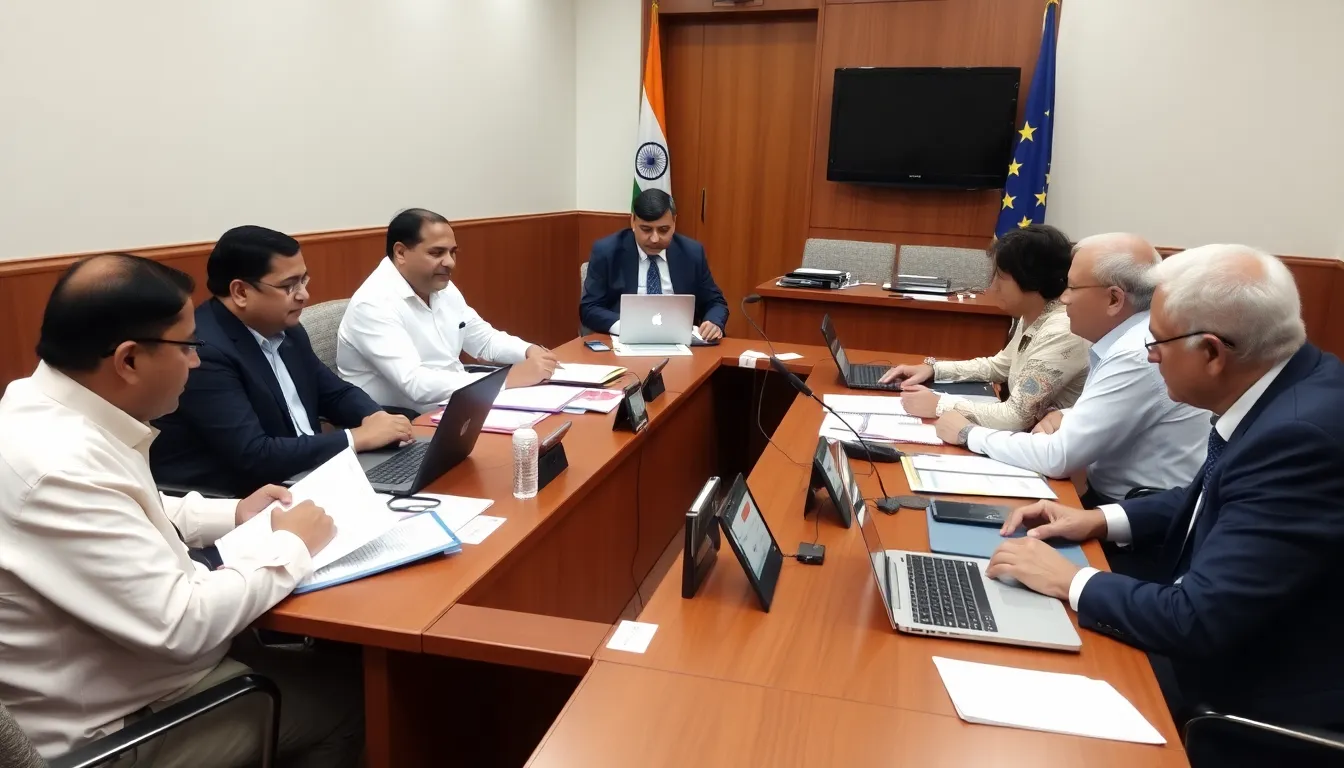
Key stakeholders and issues in the trade negotiations
The trade negotiations between India and the European Union (EU) represent a significant opportunity for both parties, particularly in the context of uncertainty surrounding U.S. tariffs under the Trump administration. Key stakeholders in this scenario include the Indian government, the European Commission, various industry associations, and multinational corporations operating in both regions.
India, under Prime Minister Narendra Modi, seeks to enhance its export capabilities and attract foreign investment, particularly in sectors like technology, pharmaceuticals, and textiles. The EU, represented by the European Commission, aims to secure a comprehensive trade agreement that reduces tariffs and opens up markets, benefiting its member states economically.
However, the negotiations are not without their challenges. Conflicts may arise over issues such as agricultural subsidies, intellectual property rights, and labor standards. Both sides have differing priorities that could lead to trade-offs, making consensus difficult.
- Tariff Reductions: Both parties are keen on reducing tariffs, but India is cautious about its agricultural sector, which employs a significant portion of its population.
- Regulatory Standards: The EU may push for stricter regulatory standards, particularly concerning environmental and labor practices, which could be a point of contention for India.
- Market Access: India seeks greater access to EU markets for its goods, while the EU aims for reciprocal access for its services, creating a potential imbalance in negotiations.
- Investment Protections: Protection of investments will be a critical issue, as both sides want assurances against arbitrary regulatory changes.
- Geopolitical Factors: The broader geopolitical landscape, including relationships with the U.S. and China, will influence the negotiations and the willingness of both parties to compromise.
As these negotiations progress, the outcome will not only shape trade relations between India and the EU but also set a precedent for future agreements in a rapidly changing global trade environment. Stakeholders must navigate these complex issues to forge a deal that is mutually beneficial while addressing their respective domestic concerns.
Potential effects on markets and consumers from the deal
The impending trade agreement between India and the EU, often referred to as the ‘mother of all deals’, is set to influence various sectors and demographics significantly. Key industries such as textiles, pharmaceuticals, and technology are poised to experience both challenges and opportunities as tariffs and trade barriers fluctuate.
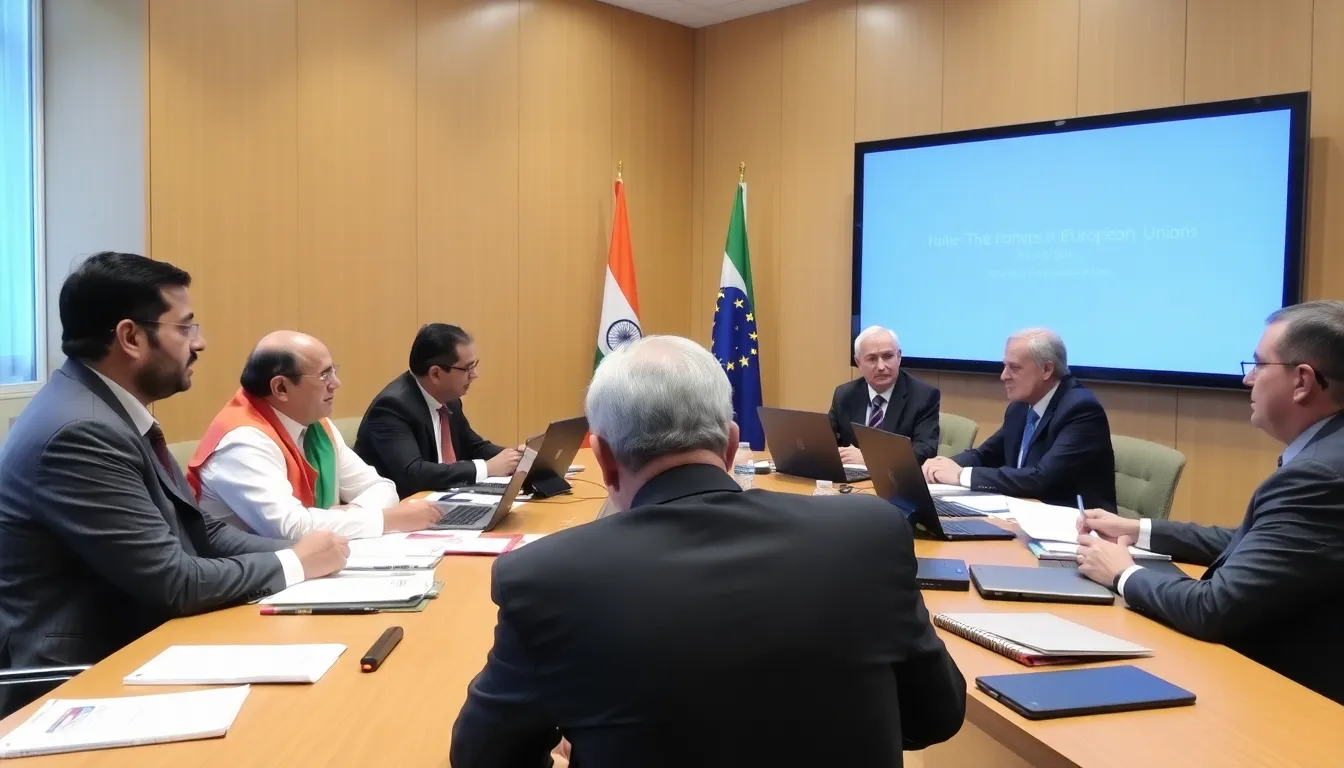
In the short term, consumers in both regions may see changes in pricing and availability of goods. For instance, Indian textiles may become more competitively priced in the EU market, benefiting European consumers. Conversely, EU agricultural products could face increased competition in India, potentially altering local pricing structures.
Mid-term impacts could include shifts in employment patterns. Industries that thrive under the new trade framework may expand, leading to job creation, particularly in manufacturing and export sectors. However, sectors that struggle to adapt to increased competition might face layoffs, particularly in regions heavily reliant on traditional industries.
- Opportunities: Enhanced market access for Indian goods in the EU.
- Risks: Potential job losses in vulnerable sectors facing EU competition.
- Business Growth: Increased foreign investment in technology and innovation.
Moreover, policymakers will need to navigate the complexities of this deal, balancing the interests of various stakeholders. The agreement could prompt regulatory changes, impacting how businesses operate and consumers engage with the market. Overall, the deal has the potential to reshape economic landscapes in both regions, fostering growth while also presenting significant challenges.
A: The trade deal is expected to enhance economic ties, reduce tariffs, and increase market access for both parties, significantly impacting global trade dynamics. A: Trump’s tariffs create uncertainty, prompting India and the EU to solidify their trade relationship to mitigate potential economic fallout. A: Key sectors likely to be impacted include agriculture, technology, and manufacturing, with potential benefits for both Indian and European businesses. A: While no official timeline has been set, both parties aim to finalize the agreement within the next year, contingent on ongoing negotiations. A: Challenges include differing regulatory standards, agricultural policies, and market access issues that need to be addressed for a successful deal.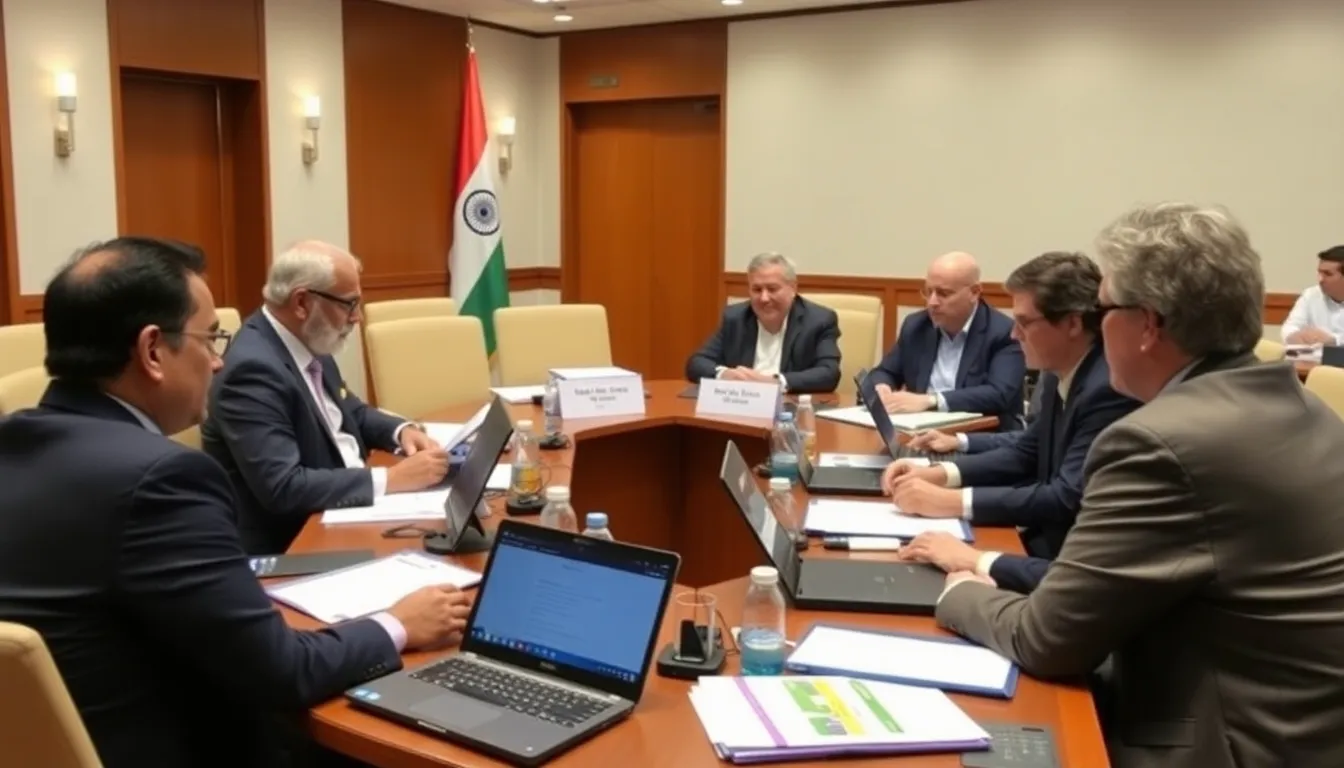
Frequently asked questions about the trade deal
Insights on the future of India-EU trade relations
The ongoing discussions between India and the European Union signal a pivotal moment in global trade dynamics, particularly in the context of rising tariff uncertainties stemming from the United States. As both parties seek to finalize what has been termed the ‘mother of all deals’, the implications for economic cooperation and strategic partnerships are profound. The potential agreement could not only enhance trade volumes but also redefine supply chains and regulatory standards across key sectors.
Stakeholders should closely monitor the evolving negotiations, as the outcomes may influence not just bilateral relations, but also set a precedent for other trade agreements worldwide. The interplay between geopolitical factors and economic interests will be crucial in shaping the future landscape of India-EU relations.
- Increased Trade Volume: A successful agreement could significantly boost trade between India and the EU, enhancing market access for both sides.
- Sectoral Opportunities: Key sectors such as technology, pharmaceuticals, and agriculture may see new growth avenues as tariffs are reduced and standards aligned.
- Regulatory Alignment: The deal may lead to greater regulatory harmonization, facilitating smoother business operations and investment flows.
- Geopolitical Implications: The outcome will reflect the shifting power dynamics in global trade, particularly in response to U.S. policies.
- Long-term Strategic Partnership: Beyond trade, this agreement could lay the groundwork for deeper strategic cooperation in areas such as climate change and digital governance.