


In recent months, Shulman has released several tracks that utilize AI algorithms to compose melodies and lyrics. These releases have garnered attention for their catchy hooks and production quality, prompting discussions about the role of human creativity in music. Critics argue that relying on AI undermines the emotional depth and uniqueness that human artists bring to their work, a concern echoed in the ongoing dialogue surrounding the value of artistry.
The debate intensified in October 2023 when Shulman participated in a panel discussion at a major music conference, where he defended his approach against accusations of commodifying art. He emphasized the potential of AI to democratize music creation, allowing aspiring artists to produce high-quality music without extensive training or resources. This perspective has attracted both supporters and detractors within the industry.
As the conversation unfolds, the implications of AI in music production are becoming increasingly significant. Industry stakeholders are grappling with questions about copyright, ownership, and the future of live performances. With Shulman at the forefront, the outcome of this debate could shape the trajectory of music for years to come.
Understanding the Rise of AI in the Music Industry
The intersection of technology and creativity has always been a fertile ground for innovation, but the emergence of artificial intelligence (AI) in the music industry marks a significant turning point. Over the past decade, advancements in machine learning and algorithmic composition have enabled computers to generate music that rivals human creativity. This shift has raised questions about the future of music creation, ownership, and authenticity, positioning figures like Mikey Shulman at the forefront of this evolving landscape.

Historically, music has been a reflection of cultural and technological advancements. From the invention of the phonograph in the late 19th century to the rise of digital distribution in the 21st century, each milestone has transformed how music is created, consumed, and valued. The introduction of AI into this mix is not merely a continuation of this trend; it represents a potential paradigm shift that could redefine the very essence of musical artistry, much like the transformations in agriculture that have reshaped livelihoods.
Economically, the music industry has faced significant challenges in recent years, including declining physical sales and the struggle to monetize streaming services. In this context, AI offers a promising solution for artists and producers seeking to streamline their workflows and reduce costs. By automating certain aspects of music production, AI can help creators focus on the more nuanced elements of songwriting and performance, potentially leading to a new era of musical innovation.
The Debate: Creativity vs. Automation
As AI-generated music gains traction, a contentious debate has emerged surrounding the authenticity and emotional depth of machine-created compositions. Critics argue that music devoid of human touch lacks the soul and connection that characterize great art. Proponents, however, contend that AI can enhance human creativity rather than replace it, allowing artists to explore new sonic landscapes and push the boundaries of their craft. This ongoing dialogue reflects broader societal concerns about the role of technology in creative fields, challenging our perceptions of artistry and originality, similar to the challenges faced in sports with regard to performance enhancement.
Key Stakeholders and Their Perspectives on AI Music
In the rapidly evolving landscape of music creation, several key stakeholders are emerging, each with distinct interests and concerns regarding the role of artificial intelligence. At the forefront is Mikey Shulman, an AI evangelist who advocates for the potential of AI to revolutionize pop music. He believes that AI can enhance creativity rather than replace human artists, positioning himself as a pioneer in this new frontier.
Another critical group includes traditional musicians and songwriters who may view AI as a threat to their livelihoods. Many in this community express concerns that AI-generated music could dilute artistic expression and undermine the value of human creativity. They argue that music is not just about production but also about emotional connection and cultural significance, which they fear AI cannot replicate.

Record labels and music production companies are also significant players in this debate. Their interests lie in profitability and market trends. While some may embrace AI technology for its potential to streamline production and reduce costs, others worry about the implications for artist contracts and revenue distribution. The rise of AI-generated music could lead to new business models that challenge existing frameworks in the industry.
Furthermore, regulatory bodies and governments are beginning to take notice of the implications of AI in music. Key legal issues arise concerning copyright, intellectual property rights, and the ethical use of AI in creative fields. As AI technology becomes more integrated into music production, regulators will need to address how to protect both artists and consumers while fostering innovation.
- AI Evangelists: Advocating for AI’s role in enhancing creativity.
- Musicians and Songwriters: Concerned about job security and artistic integrity.
- Record Labels: Balancing innovation with traditional business models.
- Regulatory Bodies: Navigating copyright and ethical concerns.
- Consumers: Interested in the quality and authenticity of music.
How AI is Shaping the Future of Music Creation
The emergence of AI in the music industry is poised to impact various groups, including artists, producers, record labels, and consumers. As AI technologies evolve, they bring both opportunities and challenges that could redefine how music is created, distributed, and consumed.
In the short term, artists may find themselves navigating a landscape where AI tools can generate melodies, lyrics, and even entire tracks. This shift could lead to a democratization of music creation, allowing aspiring musicians to produce high-quality content without significant investment. However, it also raises concerns about originality and the potential dilution of artistic expression.

Record labels and producers are likely to experience a transformation in their business models. With AI’s ability to analyze trends and predict hits, decision-making processes may become more data-driven. While this could enhance the efficiency of music production and marketing, it may also result in a homogenization of sound, limiting the diversity of music available to consumers.
- Opportunities: Enhanced creativity and collaboration between humans and AI.
- Risks: Threats to job security for traditional musicians and producers.
- Impact on policy: Potential need for new copyright laws addressing AI-generated content.
In the mid-term, the integration of AI in music could lead to shifts in consumer behavior. As listeners become accustomed to AI-generated music, their preferences may evolve, impacting how music is marketed and consumed. This could also open avenues for personalized music experiences, where AI curates playlists tailored to individual tastes.
Overall, while AI presents exciting possibilities for innovation in the music industry, it also necessitates careful consideration of its implications for artists, businesses, and listeners alike. The balance between leveraging technology and preserving the essence of music as an art form will be crucial in shaping the future landscape.
A: Mikey Shulman is advocating for the integration of AI in music creation, claiming it can enhance creativity rather than diminish it. A: Critics argue that AI could lead to a loss of authenticity and creativity, raising questions about the future of human musicians. A: Yes, AI can analyze vast amounts of data to produce music, but the debate continues on whether it can replicate the emotional depth of human-created art. A: This phrase reflects Shulman’s belief that AI can produce high-quality pop music that resonates with audiences, rather than generic or low-quality outputs. A: Responses vary; some embrace the technology for its potential, while others fear it could undermine their artistry and livelihood.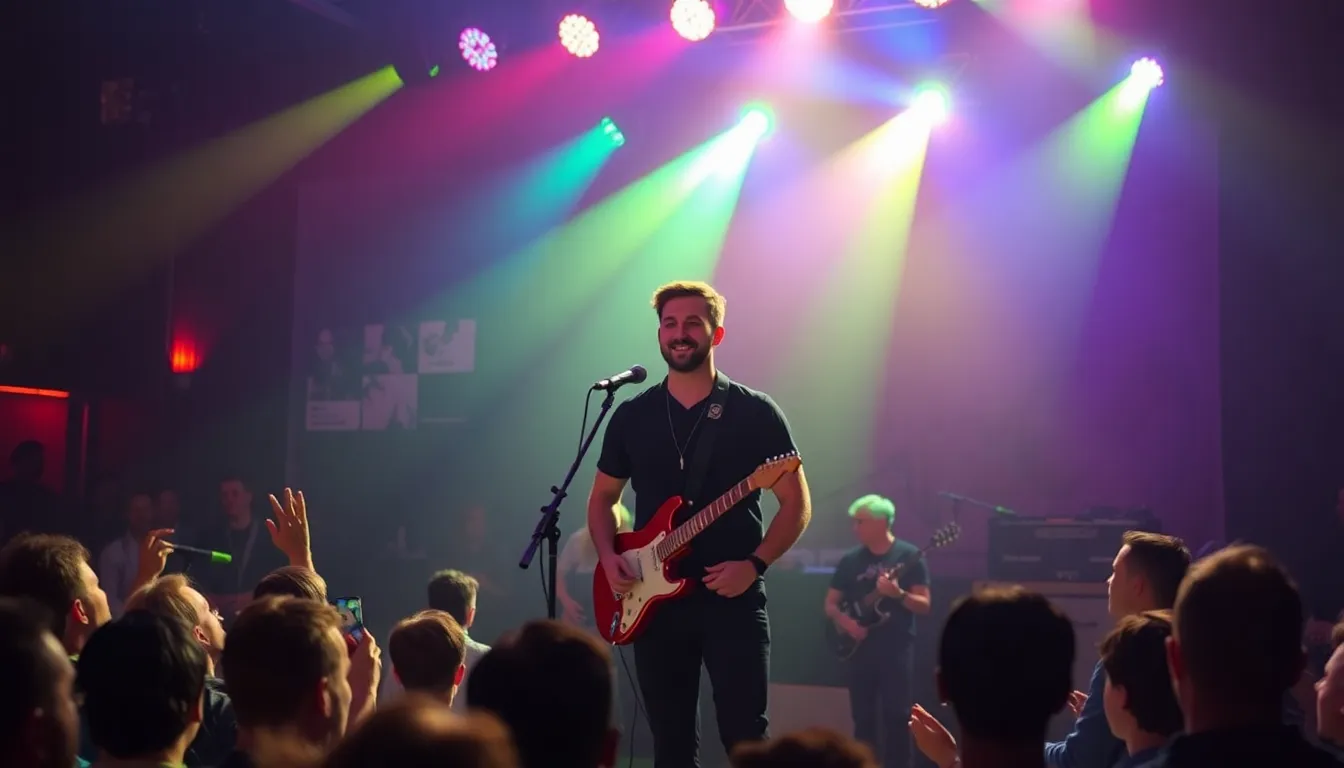
Frequently Asked Questions About AI and Music
Insights on the Future of Music in the Age of AI
The rise of AI in music production, as championed by figures like Mikey Shulman, presents both opportunities and challenges for the industry. While AI’s ability to generate catchy tunes and streamline the creative process is undeniable, it raises questions about authenticity, artistic integrity, and the potential for homogenization of sound. As we navigate this evolving landscape, the implications for artists, producers, and listeners will be profound.
Key stakeholders in the music industry must remain vigilant and adaptable, understanding that the integration of AI is not merely a trend but a fundamental shift. The balance between innovation and tradition will play a crucial role in shaping the future of music, influencing everything from production techniques to audience engagement.
- Watch for the emergence of new genres and styles that blend human creativity with AI-generated elements.
- Consider the potential for AI to democratize music production, allowing more individuals to create and share their work.
- Monitor the reactions of traditional artists and audiences to AI-generated music, as this will shape acceptance and integration.
- Evaluate the ethical implications of AI in music, particularly regarding copyright and ownership of AI-generated works.
- Stay informed about technological advancements that could further enhance or disrupt the music industry landscape.