


Scheduled to commence in 2024, the wind farm project will span several countries, including Germany, France, and the Netherlands. The initiative is expected to generate up to 30 gigawatts of renewable energy by 2030, powering millions of homes and businesses. This ambitious plan underscores the urgency of addressing climate change and the need for sustainable energy solutions.
The UK government has emphasized the importance of this partnership, highlighting the potential for job creation and economic growth in the renewable energy sector. By joining forces with other European nations, the UK aims to leverage shared resources and expertise, fostering innovation in wind energy technology. This move is seen as a crucial step in the UK’s broader strategy to achieve net-zero emissions by 2050.
As global energy demands rise and the effects of climate change become increasingly evident, the collaboration on this wind farm project represents a proactive approach to energy security and environmental responsibility. The UK’s involvement not only strengthens its commitment to renewable energy but also reinforces international cooperation in tackling one of the most pressing challenges of our time.
Understanding the background of the wind energy initiative
The decision for the UK to join a major wind farm project alongside nine European countries marks a significant step in the evolution of renewable energy collaboration in Europe. This initiative comes against the backdrop of growing concerns over climate change and the urgent need for sustainable energy solutions. The UK has been a leader in offshore wind energy, with substantial investments and advancements in technology over the past two decades, making it an ideal partner in this multinational effort.
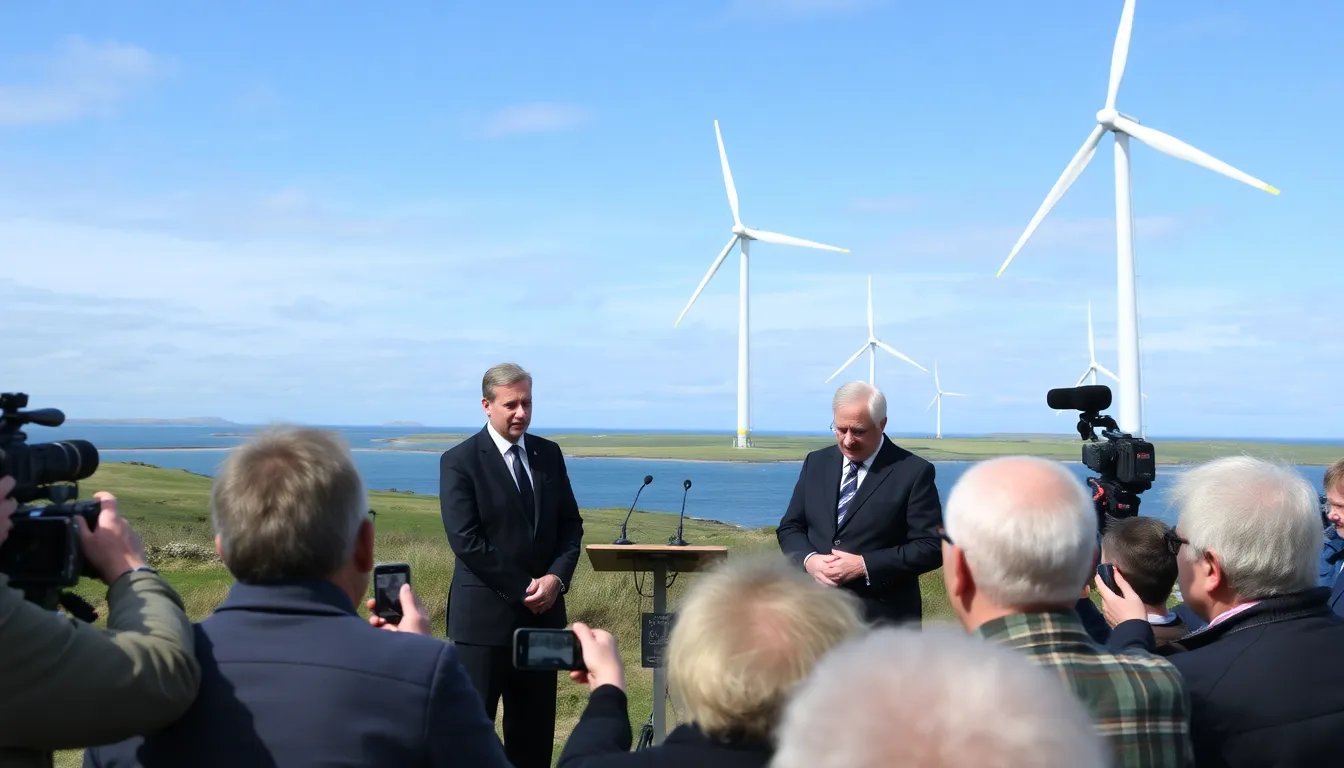
Historically, the UK has aimed to reduce its carbon emissions and transition away from fossil fuels. The government’s commitment to achieving net-zero emissions by 2050 has driven policies that encourage investment in renewable energy sources. This has included ambitious targets for offshore wind capacity, which has seen exponential growth since the first commercial wind farms were established in the early 2000s. In light of these efforts, understanding how they contribute to broader strategies is essential for ongoing progress.
Political and Economic Factors
The political landscape in Europe has also been a catalyst for this collaboration. The European Union’s Green Deal and the UK’s independent climate policies have created a framework for cooperation on renewable energy projects. Economically, the wind energy sector offers the potential for job creation and technological innovation, making it a focal point for economic recovery post-COVID-19. By joining forces with other nations, the UK aims to enhance its energy security while contributing to a collective reduction in greenhouse gas emissions.
Key milestones in this journey include the establishment of the Offshore Wind Sector Deal in 2019, which set out a roadmap for increasing capacity to 40 gigawatts by 2030. Additionally, international partnerships, such as those formed through the North Seas Energy Cooperation, have laid the groundwork for collaborative projects that harness the vast wind resources in the North Sea. These efforts illustrate a shared commitment to a sustainable energy future, reflecting both national interests and broader global goals.
Key stakeholders and issues surrounding the project
The decision for the UK to join a major wind farm project involving nine European countries has brought together a diverse group of stakeholders, each with distinct interests and motivations. Key actors include national governments, energy companies, environmental organizations, and local communities. The collaboration aims to enhance energy security, reduce carbon emissions, and foster economic growth through renewable energy investments.
Governments of the participating countries, including the UK, are primarily interested in achieving their climate targets and transitioning to sustainable energy sources. They see this project as an opportunity to strengthen regional energy cooperation and reduce dependency on fossil fuels. However, differing national policies and energy strategies may create conflicts among these stakeholders, particularly regarding regulatory frameworks and investment priorities.
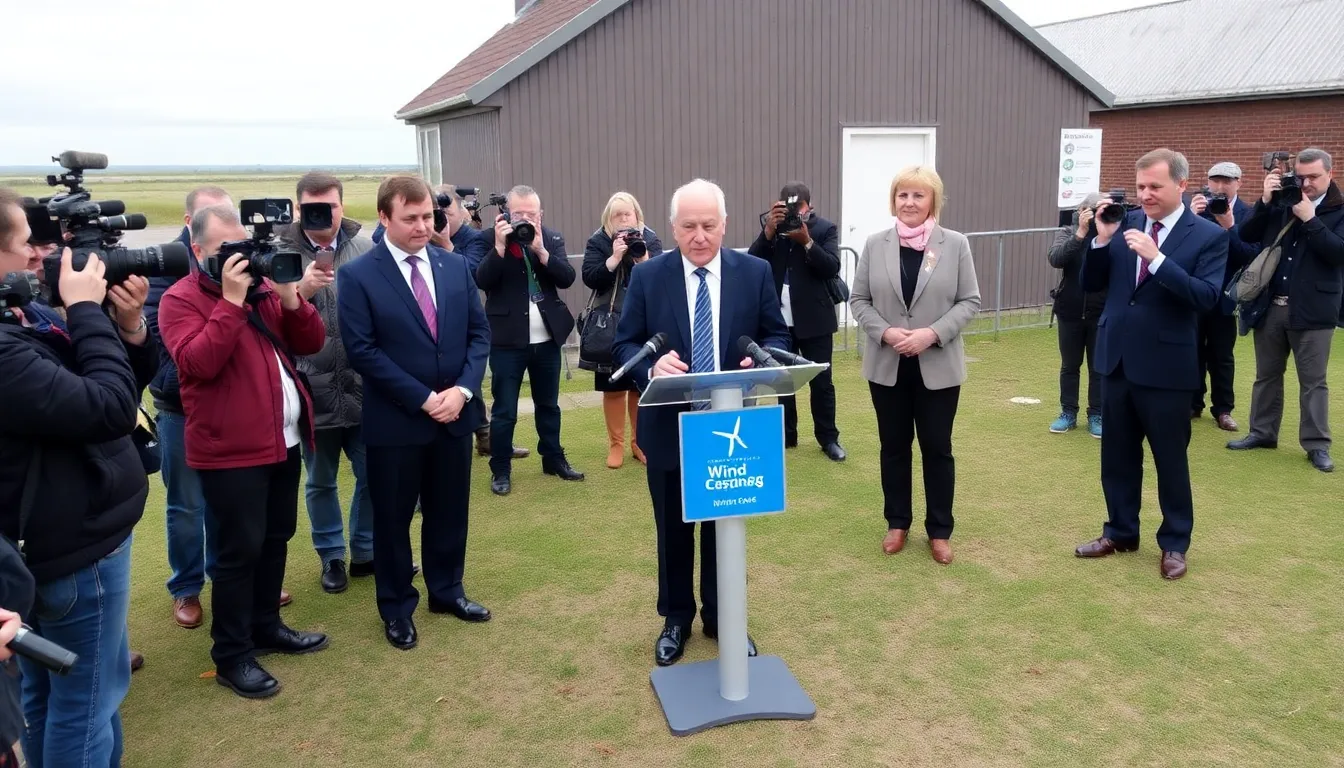
Energy companies involved in the project, such as Ørsted and Siemens Gamesa, have a vested interest in the financial viability and technological advancement of offshore wind farms. They are focused on maximizing returns on investment while navigating the complexities of cross-border energy markets. The potential for economic trade-offs exists, as local communities may be concerned about the impact of large-scale infrastructure on their environment and livelihoods.
- Regulatory challenges: Variations in legislation and permitting processes across countries may hinder progress.
- Environmental concerns: Stakeholders must address potential ecological impacts of wind farm installations.
- Investment disparities: Discrepancies in funding and financial support among countries could lead to unequal project development.
- Public opposition: Local communities might resist developments due to concerns over noise, aesthetics, and land use.
- Technological integration: Coordinating different technologies and systems across borders presents logistical challenges.
As the project unfolds, the interplay of these interests and issues will be critical in shaping its success and long-term sustainability. Stakeholders must engage in continuous dialogue to address conflicts and explore mutually beneficial solutions that align with broader environmental and economic goals.
Potential impacts on the energy market and communities
The UK’s participation in the major wind farm project alongside nine European countries will have significant implications for various groups, industries, and regions. Key stakeholders include energy companies, local communities, environmental organizations, and government bodies. Each of these groups will experience both immediate and longer-term effects as the project progresses.
In the short term, the energy market is likely to see increased competition among renewable energy providers, leading to potential price fluctuations. This could benefit consumers through lower energy costs but may also create challenges for traditional energy suppliers. Local businesses involved in construction and maintenance of the wind farms stand to gain from new job opportunities and increased investment in their regions.
In the mid-term, communities near the wind farm sites may experience changes in their local economies. The influx of workers and increased demand for services can stimulate growth, but it may also strain local resources and infrastructure. Additionally, policies promoting renewable energy could lead to regulatory changes that affect various industries, including construction, manufacturing, and transportation.
- Opportunities: Job creation in renewable energy sectors.
- Risks: Economic strain on local resources.
- Market shifts: Potential price changes in energy costs.
- Policy changes: New regulations impacting traditional energy sectors.
Environmental organizations may find both challenges and opportunities as the project progresses. While the expansion of renewable energy aligns with their goals, there may also be concerns about the impact on local ecosystems and wildlife. Engaging with communities and stakeholders will be crucial in addressing these issues and ensuring sustainable development.
A: The primary goal is to enhance renewable energy production across participating countries, contributing to climate change mitigation and energy security. A: The project includes the UK and nine other European nations, although the specific countries have not been detailed in the announcement. A: Local communities may benefit from job creation and increased investment in renewable energy infrastructure, but there may also be concerns about environmental impacts. A: While specific timelines have not been disclosed, the project is anticipated to begin in the coming years as planning and agreements are finalized. A: The project will likely utilize advanced wind turbine technologies, but exact specifications will be determined during the planning phase.
Frequently asked questions about the wind farm project
Looking ahead: key takeaways and future prospects
The UK’s participation in the major wind farm project alongside nine European countries marks a significant step towards enhancing renewable energy collaboration in the region. This initiative not only aims to bolster energy security but also demonstrates a commitment to reducing carbon emissions and addressing climate change. As the project unfolds, it is crucial to monitor the technological advancements and policy frameworks that will support its success.
Furthermore, the economic implications of this partnership could lead to job creation and investment opportunities in the green energy sector. Stakeholders should remain vigilant about the evolving landscape of energy production and the potential for innovation that this collaboration could inspire.
- Increased Energy Security: The project will enhance the UK’s energy resilience by diversifying its energy sources and reducing reliance on fossil fuels.
- Job Creation: The development and maintenance of wind farms are likely to generate employment opportunities in various sectors, from engineering to construction.
- Technological Innovation: Collaborative efforts may accelerate advancements in wind energy technology, improving efficiency and reducing costs.
- Policy Alignment: The project may prompt harmonization of energy policies across participating countries, facilitating smoother integration of renewable energy sources.
- Climate Goals: This initiative is a step towards meeting international climate commitments, potentially influencing future energy policies and investments.