


As part of this project, the UAE government is expected to allocate substantial financial resources, although specific figures have not yet been disclosed. The initiative is set to begin in early 2024, with plans to create a residential area that includes essential infrastructure, schools, and healthcare facilities, addressing the urgent needs of the local population. For more information on similar initiatives, check out our article on NHS trust facing scrutiny over charity funds.
This development comes amid a backdrop of heightened interest in rebuilding efforts in Gaza, particularly following recent escalations in violence. The UAE’s involvement signifies a potential shift in regional dynamics, as it seeks to play a more active role in humanitarian and developmental initiatives in Palestinian territories.
Local authorities and Palestinian leaders have expressed cautious optimism regarding the project, recognizing its potential to improve living standards. However, they also emphasize the need for sustained international support and cooperation to ensure the initiative’s success and long-term viability.
Understanding the background of UAE’s involvement in Gaza
The United Arab Emirates (UAE) has increasingly positioned itself as a key player in the Middle East, particularly in relation to the Israeli-Palestinian conflict. Historically, the UAE has maintained a complex relationship with Palestine, balancing its support for Palestinian rights with its strategic interests in fostering ties with Israel and other Western nations. This delicate balance has evolved, especially following the normalization of relations between the UAE and Israel in 2020 through the Abraham Accords, which marked a significant shift in regional dynamics.
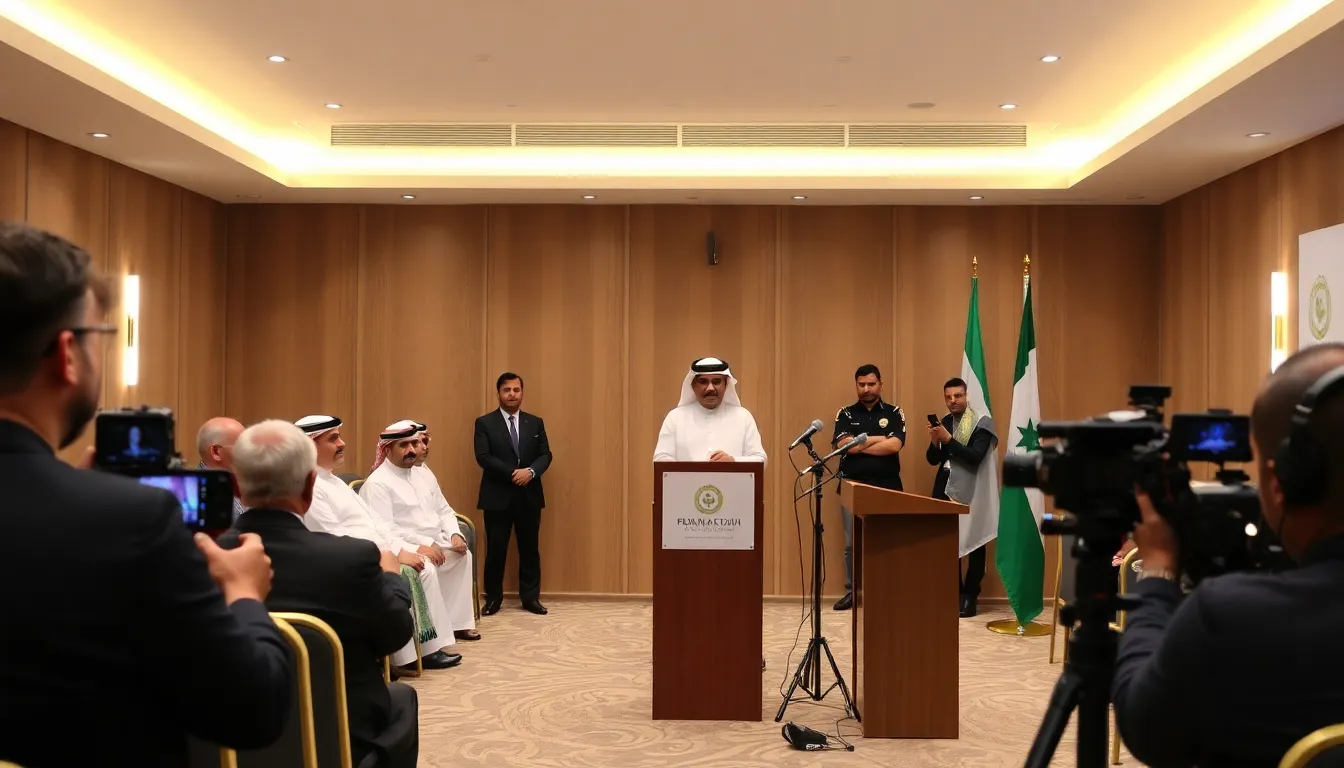
The economic landscape of Gaza has been dire for years, exacerbated by blockades, political strife, and recurrent conflicts. The region has faced severe infrastructure challenges, high unemployment rates, and a lack of basic services. The humanitarian situation has drawn international attention, prompting various nations and organizations to seek ways to provide assistance. In this context, the UAE’s recent initiative to fund a planned community in southern Gaza aims to address some of these pressing issues and improve living conditions for residents. For related discussions, see our coverage on alarming changes in the Himalayas.
Key Milestones in UAE-Palestinian Relations
In recent years, several key milestones have shaped the UAE’s approach to Palestine. The signing of the Abraham Accords in 2020 was a pivotal moment, as it not only normalized relations with Israel but also opened avenues for economic collaboration that could indirectly benefit the Palestinian territories. Additionally, the UAE has historically provided financial aid to the Palestinian Authority and various humanitarian projects in Gaza, reflecting its commitment to Palestinian welfare, albeit within a broader geopolitical strategy. For more insights on leadership changes, view our article about Brighton boss Vidosic taking leave.
The proposed planned community project in Gaza represents a significant commitment from the UAE, signaling a willingness to invest in long-term solutions rather than temporary relief. This initiative could serve as a model for future development projects in conflict zones, illustrating how regional powers can play a constructive role in addressing humanitarian crises while also pursuing their strategic interests.
Key stakeholders and issues surrounding the project
The proposed plan by the United Arab Emirates (UAE) to develop the first ‘planned community’ in southern Gaza involves several key stakeholders, each with distinct interests and concerns. The UAE government, as the primary financier, aims to enhance its diplomatic standing in the region while promoting economic development in Gaza. This initiative is also seen as a way to support Palestinian communities and improve living conditions amidst ongoing conflicts.
Palestinian authorities, including the Hamas-led government in Gaza, are crucial stakeholders. Their participation is essential for the project’s implementation, as they control the territory and its governance. However, internal divisions among Palestinian factions could complicate collaboration and project execution. Additionally, local communities in Gaza will have varying perspectives on the project, shaped by their immediate needs and historical grievances.
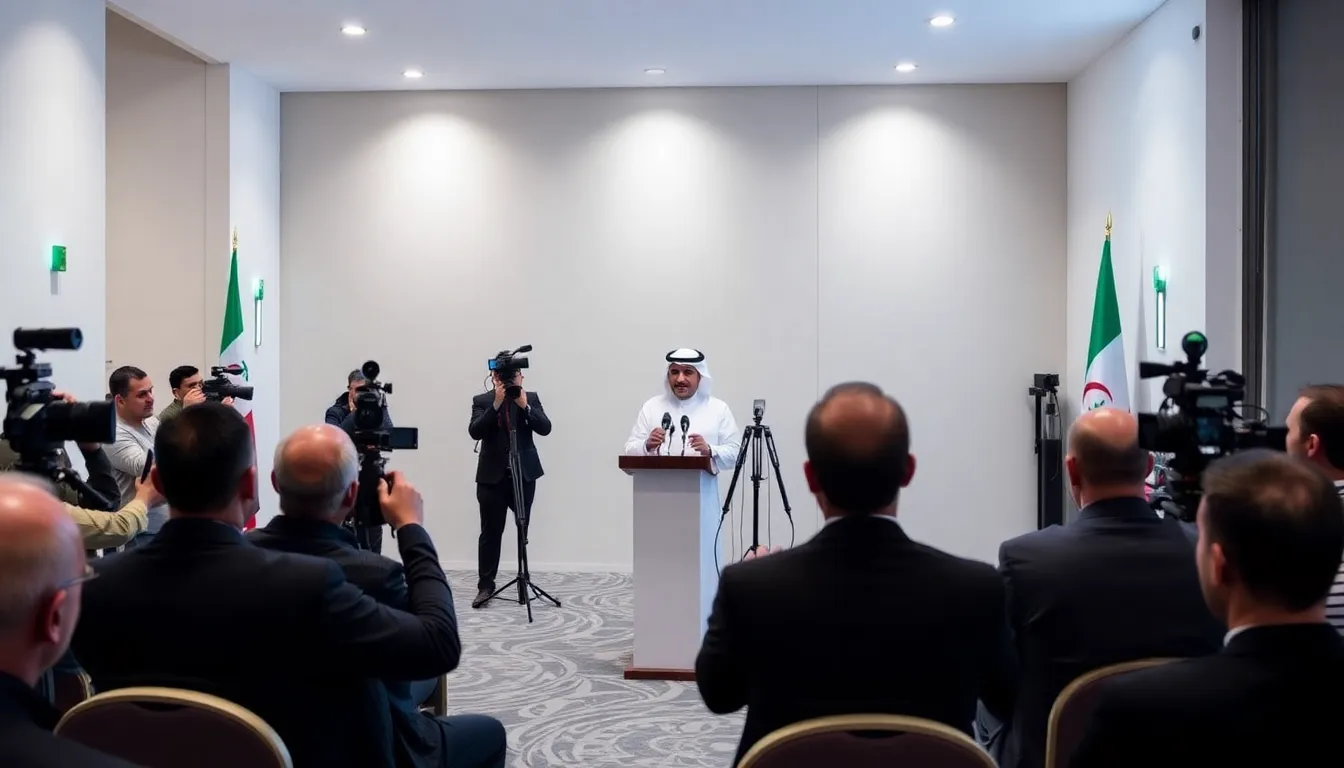
International organizations and foreign governments are also involved, either as potential supporters or critics of the initiative. For example, the United Nations may express concerns regarding the humanitarian implications and the need for compliance with international law. Moreover, neighboring countries and regional powers, such as Egypt and Israel, may have vested interests in the project’s outcomes, influencing their diplomatic relations and security policies.
- Economic Interests: The UAE seeks to invest in infrastructure that could stimulate economic growth in Gaza, while local stakeholders may prioritize immediate humanitarian needs over long-term development.
- Political Dynamics: The project could exacerbate tensions between different Palestinian factions, impacting governance and cooperation.
- Legal Implications: Compliance with international law and the rights of displaced persons will be critical issues that need addressing before the project can proceed.
- Security Concerns: The stability of the region and the potential for conflict may affect the project’s feasibility and sustainability.
- Public Perception: The response from the local population and international community will shape the project’s legitimacy and success.
Potential impact on local residents and the economy
The planned community in south Gaza, funded by the United Arab Emirates, is poised to affect various groups, particularly local residents, construction firms, and service providers. As the initiative unfolds, it aims to create a structured living environment that could significantly improve the quality of life for many Gazans, who have faced prolonged instability and inadequate housing conditions.
In the short term, the project is expected to generate employment opportunities for local workers in the construction sector. This influx of jobs could help alleviate some of the economic pressures faced by families in the region. Additionally, the establishment of infrastructure will likely lead to increased demand for local businesses, from retail to services, thereby stimulating the economy.
However, there are risks associated with this development. The political climate in Gaza remains volatile, and any escalation of conflict could jeopardize the project and the safety of its residents. Furthermore, the reliance on foreign investment raises concerns about sustainability and long-term autonomy for the local economy.
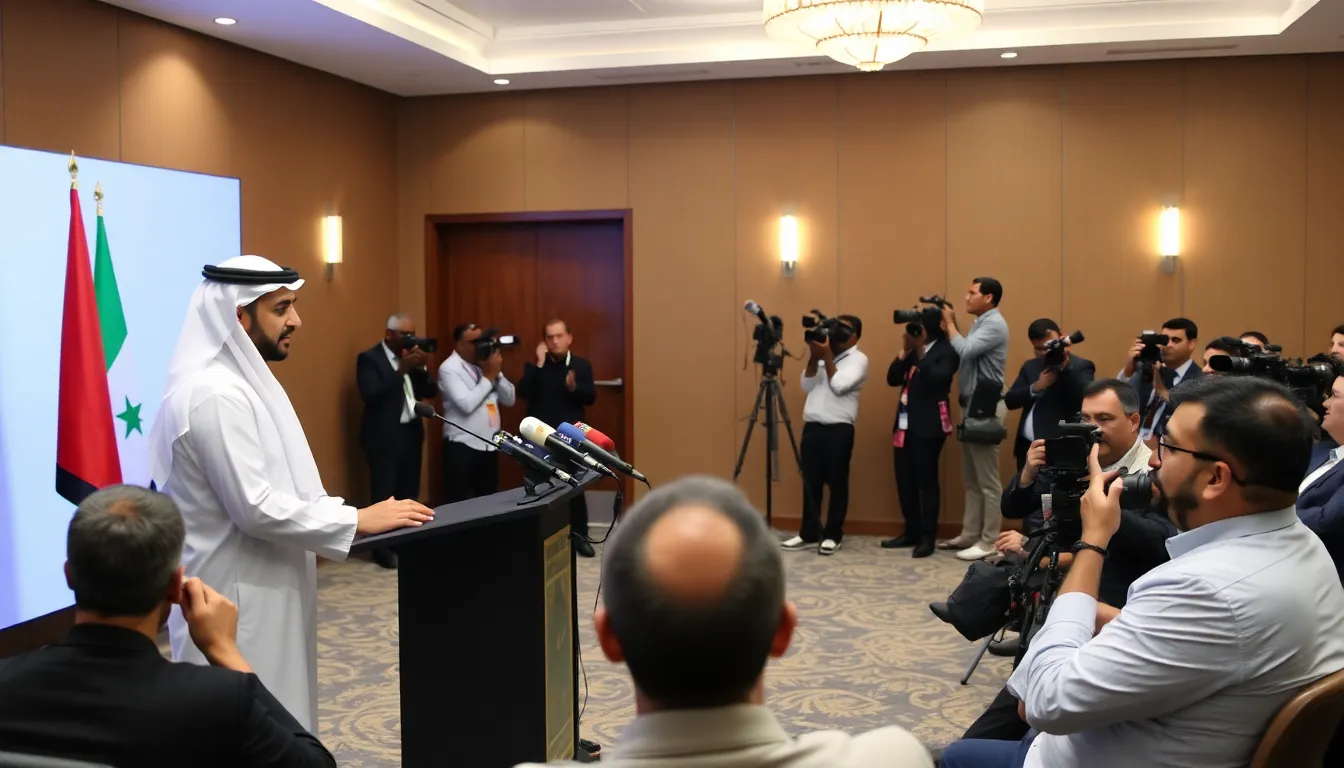
- Creation of jobs in construction and related industries.
- Boost to local businesses due to increased population and infrastructure.
- Potential for improved living conditions and community cohesion.
- Risks of political instability affecting project continuity.
- Concerns over dependency on foreign funding and investment.
In the mid-term, if the community thrives, it could serve as a model for future developments in Gaza and potentially attract more international investment. This could lead to a gradual shift in the region’s economic landscape, fostering a more stable environment for residents. However, careful management and ongoing dialogue with the community will be essential to ensure that the benefits are equitably distributed and that the project aligns with local needs.
A: The planned community aims to provide improved living conditions, infrastructure, and economic opportunities for residents in south Gaza. A: While specific figures have not been disclosed, the UAE is expected to make a significant financial commitment to support the development. A: The management and construction will likely involve collaboration between UAE authorities and local Palestinian organizations. A: The local population can expect better housing, job creation, and improved access to services as a result of the planned community. A: The timeline for the project’s commencement has not been officially announced, but discussions are ongoing.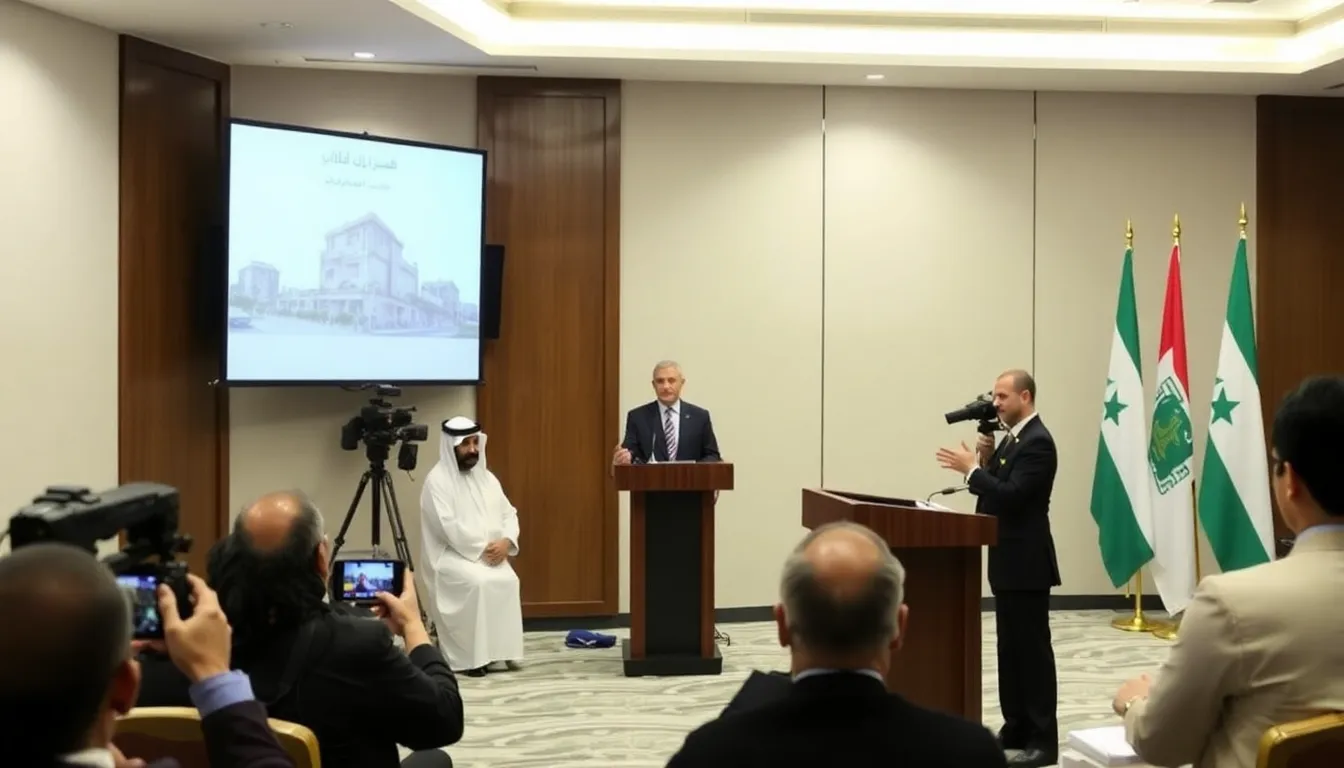
Frequently asked questions about the planned community
Insights and future outlook on the Gaza community project
The United Arab Emirates’ initiative to finance the first planned community in southern Gaza marks a significant shift in the region’s developmental landscape. This project not only aims to address immediate housing needs but also sets the stage for long-term economic stability and growth in an area that has faced prolonged challenges. The collaboration between local authorities and international investors could pave the way for similar projects, fostering a sense of community and resilience among the residents.
As the project unfolds, it will be crucial to monitor its impacts on local governance, economic opportunities, and social cohesion. The success of this initiative may encourage further investments in Gaza, potentially transforming the region’s socio-economic dynamics and supporting sustainable development in the years to come.
- Economic Development: The planned community could stimulate local economies through job creation and infrastructure development.
- Social Integration: By fostering a sense of community, the project may enhance social ties and reduce tensions in the region.
- International Collaboration: This initiative could serve as a model for future international partnerships aimed at rebuilding and developing Gaza.
- Monitoring Progress: Observing the implementation and outcomes of this project will provide valuable insights into effective development strategies in conflict-affected areas.