


Scientists are sounding the alarm as this reduction in snow cover not only alters the picturesque scenery of the region but also has profound implications for water resources. The Himalayas serve as a crucial water source for millions of people across South Asia, providing vital rivers that support agriculture and drinking water. Without sufficient snowfall, the meltwater that feeds these rivers during warmer months may diminish, threatening water security for many communities. For more on the significance of water resources, see our article on understanding local water challenges.
Additionally, the lack of snow cover increases the risk of landslides and glacial melt, which can lead to catastrophic events in the region. Experts warn that as temperatures continue to rise, the stability of the Himalayan ecosystem is jeopardized, potentially affecting biodiversity and local weather patterns. The situation demands urgent attention from policymakers and environmentalists alike, similar to the responses seen in other global environmental issues.
In response to these alarming trends, researchers are advocating for increased monitoring and adaptive strategies to mitigate the impacts of climate change. Collaborative efforts are essential to implement sustainable practices that can help preserve the fragile Himalayan environment. As the situation evolves, the need for immediate action becomes increasingly critical to safeguard both the natural landscape and the livelihoods of those who depend on it.
Understanding the climatic changes affecting the Himalayas
The Himalayas, often referred to as the “third pole” due to their vast ice reserves, have been experiencing significant climatic changes over the past few decades. Historically, these mountains have been a critical source of water for millions of people in South Asia, feeding major rivers such as the Ganges, Indus, and Brahmaputra. However, reduced winter snowfall has raised alarms among scientists and environmentalists, as it threatens not only the ecosystem but also the livelihoods of those who depend on these water sources. To find out more about adaptive strategies being proposed, refer to our discussion on sustainable practices in challenging environments.
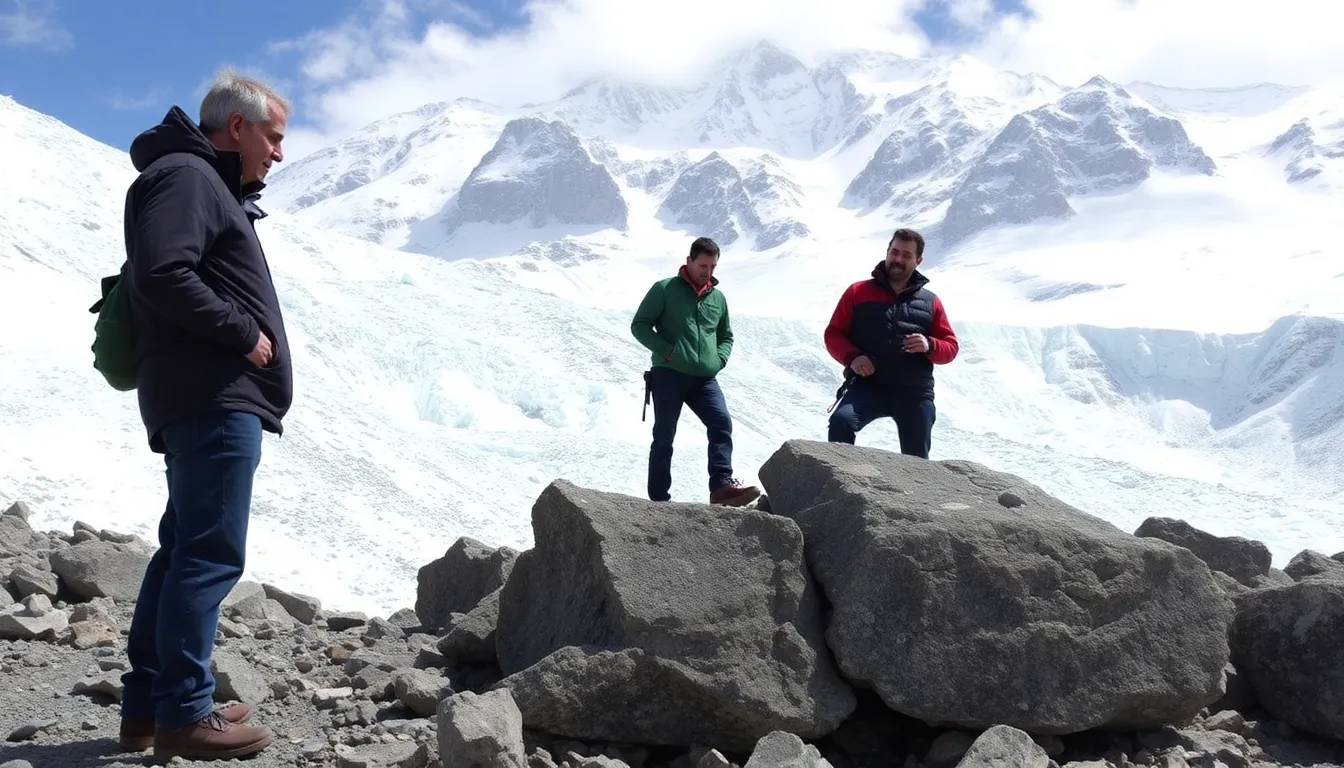
In the late 20th century, researchers began to observe a worrying trend: the glaciers in the Himalayas were retreating at an unprecedented rate. This phenomenon has been attributed to a combination of global warming and local climatic changes. The Intergovernmental Panel on Climate Change (IPCC) has highlighted that rising temperatures are leading to altered precipitation patterns, which in turn affect snowfall levels during winter months. The implications of these changes are profound, impacting agriculture, hydrology, and biodiversity in the region.
Key Milestones in Climate Research
One of the significant milestones in understanding the climatic changes in the Himalayas was the 2007 IPCC Fourth Assessment Report, which indicated that Himalayan glaciers were melting faster than previously anticipated. This report galvanized international attention and prompted further research into the region’s climate dynamics. Additionally, studies conducted in the 2010s revealed that the reduction in snow cover was not only a seasonal issue but also a long-term trend that could have catastrophic effects on water availability for millions.
Moreover, political and economic factors have compounded the issue. Countries in the region, including India, Nepal, and Bhutan, have historically prioritized economic development, often at the expense of environmental sustainability. This has led to increased deforestation and urbanization, further exacerbating the effects of climate change. The need for a balanced approach between development and conservation has become more urgent as the impacts of reduced snowfall become increasingly evident.
Key stakeholders and their concerns regarding the changes
The recent reduction in winter snowfall in the Himalayas has raised significant concerns among various stakeholders, including local communities, environmental organizations, and government agencies. Each group has distinct interests and perspectives on the implications of these changes.
Local communities, particularly those dependent on agriculture and tourism, are directly affected by the diminishing snow cover. The reduction in snowfall can lead to water shortages during the dry seasons, impacting crop yields and livelihoods. Additionally, the tourism sector, which thrives on the natural beauty and winter sports opportunities in the region, faces threats as snow-covered landscapes become less reliable.
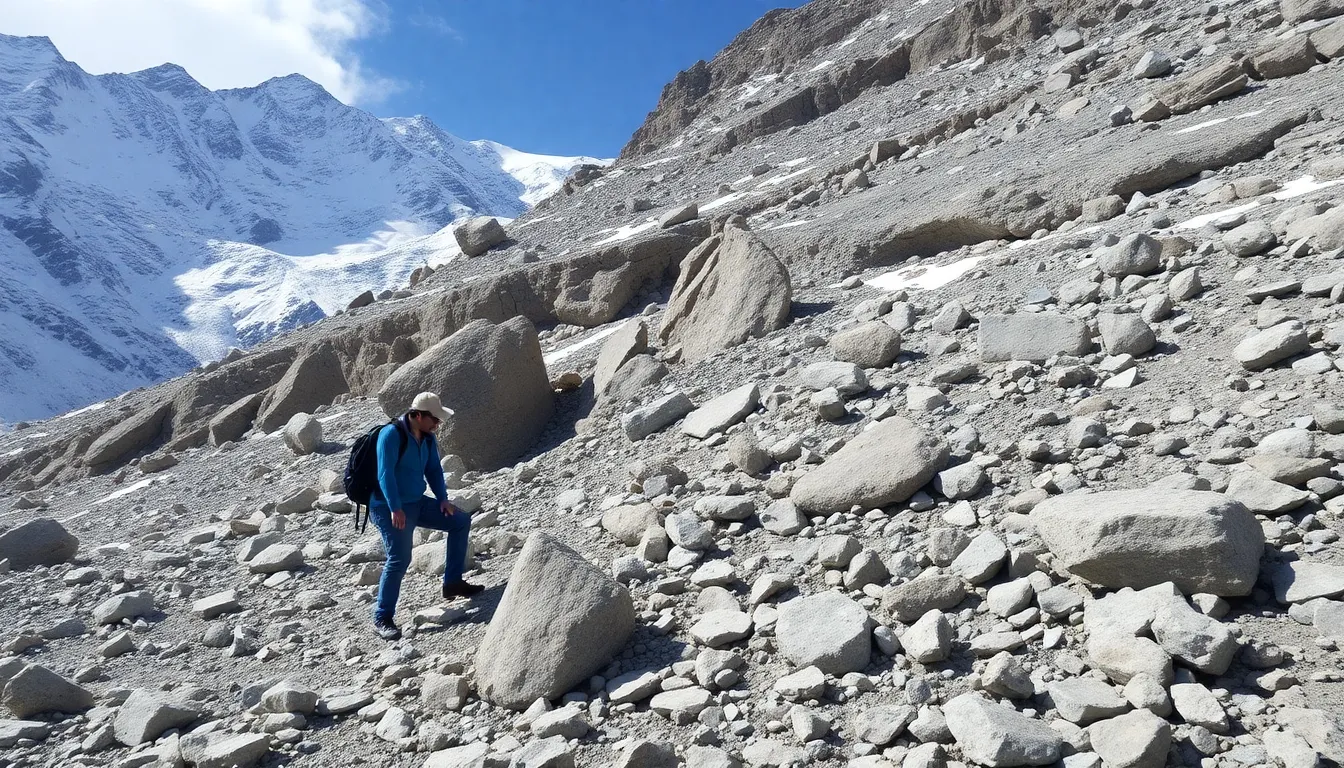
Environmental organizations are focused on the broader ecological impacts of reduced snowfall. They warn that changes in precipitation patterns can lead to increased erosion, loss of biodiversity, and alterations in local ecosystems. These groups advocate for sustainable practices and policies to mitigate the effects of climate change, emphasizing the need for urgent action.
Government agencies at both local and national levels are tasked with addressing the challenges posed by these environmental changes. They must balance economic interests, such as tourism and agriculture, with environmental protection and sustainability. This often leads to conflicts between development initiatives and conservation efforts, as stakeholders push for different priorities.
- Local communities facing water scarcity and economic challenges.
- Environmental organizations advocating for sustainable practices.
- Government agencies balancing economic growth with environmental protection.
- Tourism operators concerned about the viability of winter sports.
- Scientists studying the long-term impacts of climate change in the region.
In summary, the interplay of interests among these stakeholders highlights the complexity of addressing the challenges posed by reduced winter snowfall in the Himalayas. Each group’s concerns must be considered in developing effective responses to this pressing issue.
The potential impact on local communities and ecosystems
The reduced winter snowfall in the Himalayas is poised to affect a wide range of groups, including local communities, farmers, and tourism operators. The changes in snowfall patterns can disrupt traditional agricultural practices, which are heavily reliant on consistent winter precipitation. As a result, farmers may face challenges in crop yields, leading to food insecurity in the region.
In the short term, the immediate impact on daily life may manifest through water shortages as melting snow, which typically replenishes rivers and streams during warmer months, diminishes. This could lead to increased competition for water resources among local communities, affecting not only drinking water supplies but also irrigation for crops.
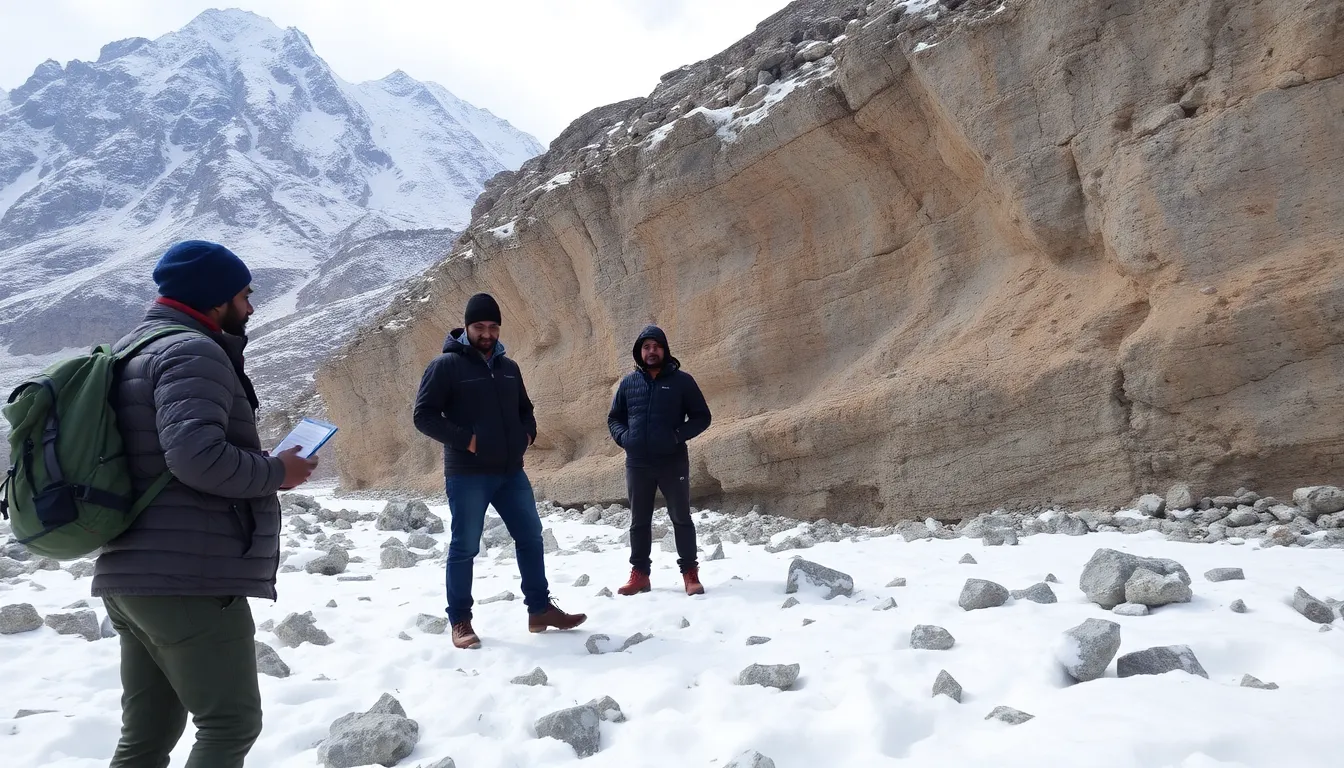
Furthermore, the tourism industry, which is vital for the local economy, may experience fluctuations. The iconic snow-capped mountains attract visitors for skiing and trekking, and reduced snowfall could deter tourists, impacting local businesses that depend on this influx. Conversely, there may be opportunities for developing new eco-tourism initiatives that focus on the unique geological features exposed by the reduced snow cover.
- Water shortages affecting agriculture and drinking supplies.
- Increased competition for water resources among communities.
- Potential decline in tourism revenue from winter sports.
- Opportunities for eco-tourism and alternative outdoor activities.
In the mid-term, policymakers may need to address these challenges by implementing strategies for sustainable water management and exploring alternative agricultural practices that can adapt to changing climatic conditions. This could lead to a shift in local policies aimed at enhancing resilience against climate variability, potentially fostering greater community collaboration and innovation.
A: Reduced snowfall in the Himalayas is primarily caused by climate change, which alters weather patterns and leads to warmer temperatures. This results in less precipitation falling as snow during the winter months. A: Reduced snowfall can lead to increased erosion, loss of biodiversity, and changes in water availability for ecosystems and human populations. It can also disrupt the delicate balance of the Himalayan environment. A: Long-term consequences may include more frequent landslides, altered river flows, and increased difficulty for local communities reliant on glacial meltwater for agriculture and drinking. A: Various organizations and governments are working on climate adaptation strategies, including conservation efforts and sustainable land management practices to mitigate the impacts of reduced snowfall.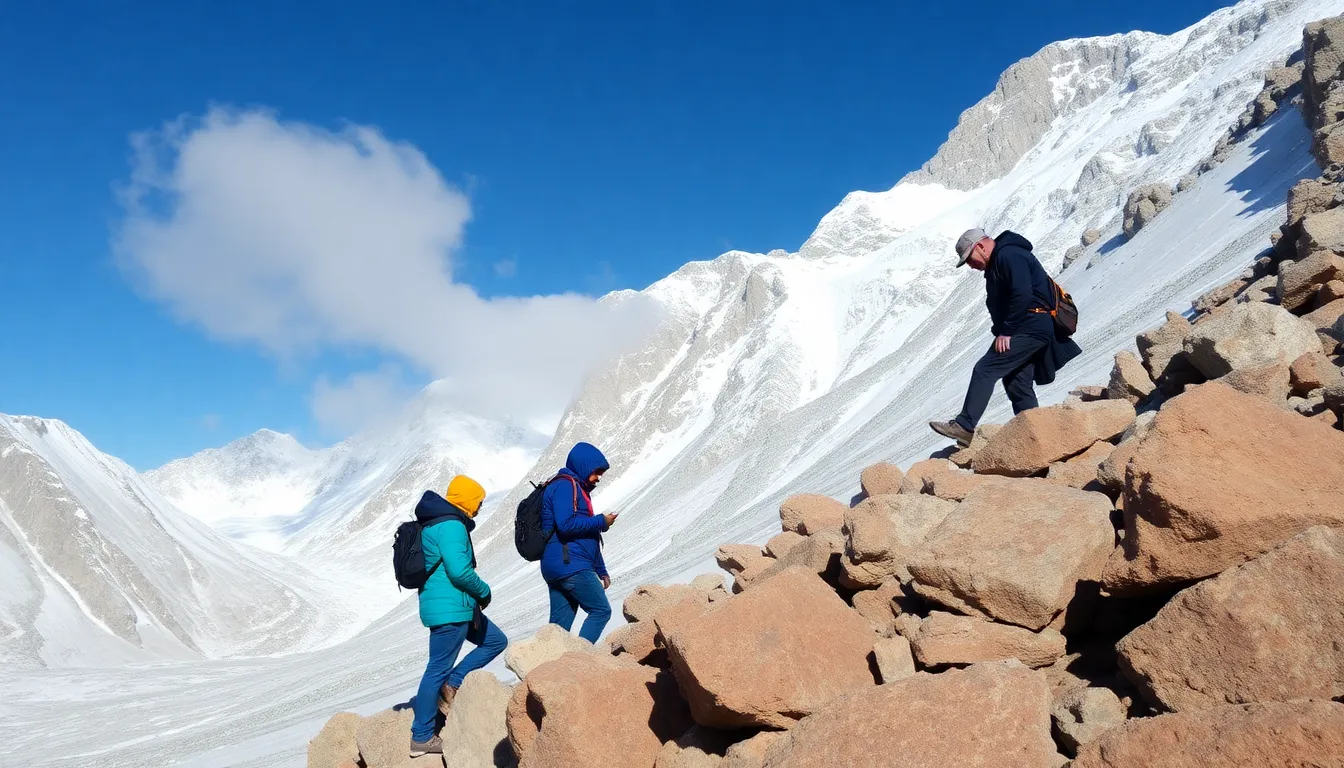
Frequently asked questions about the Himalayan snowfall changes
Insights and outlook on the future of the Himalayas
The recent reduction in winter snowfall across the Himalayas has raised significant concerns among scientists regarding the long-term environmental and socio-economic impacts. The bare and rocky landscape not only alters the region’s delicate ecosystem but also threatens the water supply for millions who depend on glacial meltwater throughout the warmer months. As climate patterns shift, understanding these changes becomes crucial for effective resource management and regional planning.
Monitoring the evolving conditions in the Himalayas is essential, as the implications extend beyond local environments to global climate systems. The potential for increased natural disasters, such as landslides and glacial lake outburst floods, necessitates a proactive approach to mitigate risks and adapt to the changing climate.
- Continued research is vital to track the impacts of reduced snowfall on glacial health and water resources.
- Communities dependent on glacial meltwater should prepare for fluctuations in water availability, potentially leading to water scarcity.
- Increased collaboration among scientists, policymakers, and local communities can foster resilience against climate-related challenges.
- Investment in sustainable practices and infrastructure will be critical to adapt to the changing landscape and protect vulnerable populations.
- Public awareness campaigns can educate stakeholders about the importance of the Himalayas and the need for conservation efforts.