


The preparations for an initial public offering (IPO) are reportedly in advanced stages, with discussions among investors and financial analysts highlighting the growing demand for commercial space travel and satellite internet services. Key players in the aerospace sector are closely monitoring SpaceX’s next steps, as its successful IPO could reshape market dynamics.
Elon Musk’s company has already achieved numerous milestones, such as the successful launch of its Starlink satellite constellation, which aims to provide global internet coverage.
The potential flotation is not only significant for SpaceX but also for the broader space industry, which has seen increased investment and interest from both private and public sectors. Analysts suggest that a successful IPO could inspire other aerospace companies to pursue similar paths, driving innovation and competition in the field.
Understanding the background of SpaceX’s growth and ambitions
SpaceX, founded by Elon Musk in 2002, has revolutionized the aerospace industry by significantly reducing the cost of space travel and increasing accessibility to space. The company’s ambitious vision of colonizing Mars and making space travel routine has driven rapid advancements in technology and innovation. Over the years, SpaceX has achieved numerous milestones, including the first privately-funded spacecraft to reach orbit and the first privately-funded spacecraft to dock with the International Space Station (ISS).
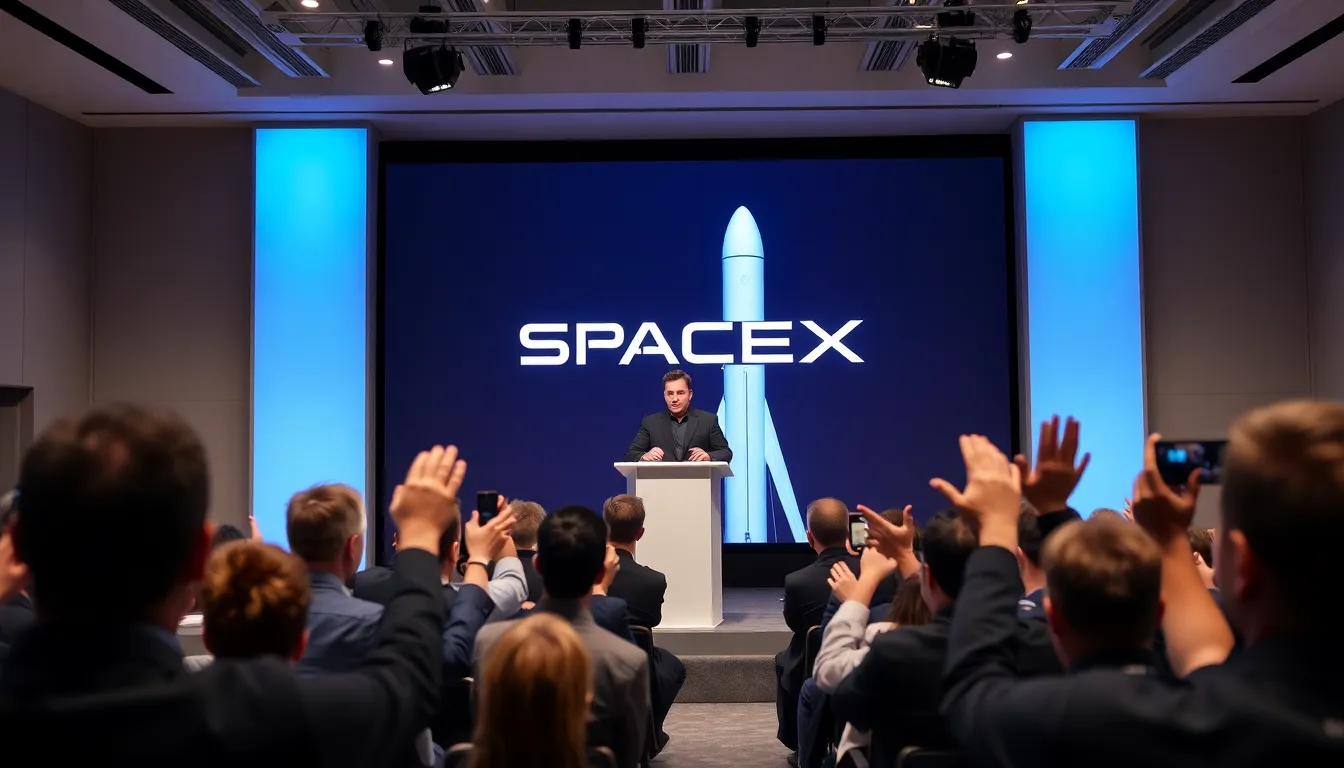
This collaboration has not only validated SpaceX’s capabilities but has also positioned the company as a leader in the commercial space sector.
Economically, the space industry has seen a surge in investment, driven by the potential for satellite internet, space tourism, and interplanetary missions. SpaceX’s Starlink project, which aims to provide global internet coverage via a constellation of satellites, has attracted significant attention and investment, further bolstering the company’s valuation. As SpaceX prepares for a potential public offering, estimates suggest that the company’s worth could exceed $1 trillion, reflecting the growing confidence in its future prospects.
Key Milestones in SpaceX’s Journey
Several key milestones have marked SpaceX’s journey to becoming a major player in the aerospace industry. In 2008, the Falcon 1 became the first privately developed liquid-fueled rocket to reach orbit. This was followed by the successful launch of the Falcon 9 in 2010, which has since become the workhorse of SpaceX’s operations. The successful landing and reuse of the Falcon 9 first stage in 2015 marked a turning point in space travel economics, demonstrating that rockets could be reused, drastically lowering launch costs. These achievements have not only solidified SpaceX’s reputation but have also set the stage for its ambitious plans for the future.
Key stakeholders and implications of SpaceX’s potential flotation
As SpaceX prepares for a potential flotation that could value the company at over $1 trillion, several key stakeholders emerge, each with distinct interests and concerns. The primary actors include Elon Musk, the company’s founder and CEO, investors, regulatory bodies, and the broader aerospace and technology sectors.
Elon Musk stands at the forefront, driven by a vision to make space travel more accessible and to fund ambitious projects like Mars colonization. His personal stake in SpaceX, both financially and ideologically, positions him as a pivotal figure in the company’s future. Investors, including venture capital firms and institutional stakeholders, are keenly interested in the flotation as it presents an opportunity for substantial financial returns, while also influencing the company’s strategic direction.

Regulatory bodies, such as the Federal Aviation Administration (FAA) and international space agencies, play a crucial role in overseeing SpaceX’s operations. Their involvement ensures compliance with safety and environmental standards, which can impact the company’s growth trajectory and market perception. Additionally, the competitive landscape of the aerospace industry introduces further complexity, as established companies and new entrants vie for dominance in the burgeoning space economy.
- Financial Interests: Investors are focused on the potential for high returns, while Musk aims to secure funding for future projects.
- Regulatory Challenges: Compliance with safety and environmental regulations could affect operational timelines and costs.
- Market Competition: The flotation could intensify competition among aerospace companies, influencing pricing and innovation.
- Public Perception: How the public and media respond to SpaceX’s valuation and ambitions may affect its brand and customer trust.
- Technological Advancements: The need for ongoing innovation will be critical in maintaining a competitive edge in the market.
In summary, the potential flotation of SpaceX carries significant implications for various stakeholders, intertwining financial, regulatory, and competitive dimensions that will shape the future of space exploration and commercialization.
How the flotation could affect the market and space industry
The impending flotation of SpaceX, potentially valuing the company at over $1 trillion, stands to impact a wide array of stakeholders, including investors, aerospace companies, and technology sectors. The move could reshape the competitive landscape of the space industry, attracting new players and increasing investment in space-related technologies.
In the short term, the flotation may lead to heightened volatility in stock markets, particularly among companies involved in aerospace and defense. Investors may rush to capitalize on the anticipated growth of SpaceX, which could inflate stock prices of related firms. Additionally, the availability of new capital could accelerate technological advancements and innovations within the industry.
Mid-term impacts may include shifts in policy as governments and regulatory bodies respond to the growing influence of private space companies. This could result in new regulations aimed at ensuring safety and sustainability in space exploration. Furthermore, the success of SpaceX could inspire other startups to enter the market, increasing competition and diversifying the industry.
- Opportunities: Increased funding for space exploration projects and satellite technology.
- Risks: Market saturation and potential overvaluation of space-related stocks.
- Policy Changes: New regulations impacting the operation and safety of space missions.
Regions with active space programs, such as the United States and Europe, may see a surge in job creation and economic growth as SpaceX’s success encourages further investment. However, this growth may also lead to increased competition for resources and talent, influencing the dynamics within local economies.
A: Flotation refers to the process of a private company offering its shares to the public through a stock exchange, which can significantly increase its valuation. A: SpaceX is likely considering flotation to raise capital for its ambitious projects, including missions to Mars and the expansion of its satellite internet service. A: A $1 trillion valuation would position SpaceX as one of the most valuable companies globally, attracting more investments and enhancing its competitive edge in the aerospace sector. A: Risks include market volatility, potential scrutiny from investors, and the pressure to meet public expectations, which can affect operational decisions. A: If successful, SpaceX’s flotation could lead to increased investment in the space industry, encouraging innovation and competition among other companies.
Frequently asked questions about SpaceX’s flotation plans
Looking ahead at SpaceX’s future and market position
As SpaceX prepares for a potential flotation that could value the company at over $1 trillion, the implications for the aerospace industry and the broader market are significant. This move not only highlights SpaceX’s leading position in space exploration and satellite deployment but also sets the stage for increased competition and innovation in the sector. Investors and stakeholders will be closely monitoring the company’s trajectory as it navigates this pivotal moment.
In the coming months, the focus will likely shift to how SpaceX leverages its valuation to expand its operations, attract partnerships, and enhance its technological capabilities. The company’s ability to maintain its competitive edge while managing investor expectations will be crucial as it embarks on this new chapter.
- Watch for announcements regarding partnerships or collaborations that may arise from the increased visibility and funding opportunities post-flotation.
- Monitor how SpaceX’s valuation impacts its strategic decisions, including potential expansions into new markets or technologies.
- Consider the ripple effects on the aerospace industry, particularly how competitors respond to SpaceX’s enhanced market position.
- Keep an eye on regulatory developments that may influence SpaceX’s operations and its ability to capitalize on its valuation.
- Evaluate the implications for investors and stakeholders, particularly in terms of risk and opportunity in the evolving space economy.