


Developed by Yu Suzuki and his team at Ys Net, the Shenmue series has a storied history, with the first game released in 1999. Following the critical and commercial success of Shenmue III in 2019, anticipation for a fourth installment has been palpable among the gaming community. The recent trailer, however, has thrown a wrench into these expectations, as discussions about authenticity overshadow excitement.
Social media platforms have become battlegrounds for opinions, with some users asserting that the graphics and animation quality suggest the work of artificial intelligence. Others argue that the unique style and storytelling elements present in the trailer indicate a genuine product from the original creators. This division highlights the increasing difficulty in distinguishing real content from AI-generated material in the gaming industry.
The implications of this debate extend beyond mere speculation. As the gaming landscape evolves, the rise of AI technology poses significant challenges for developers and consumers alike. The Shenmue 4 trailer controversy exemplifies the broader concerns regarding content authenticity and the potential impact on fan trust and engagement in an era where digital manipulation is becoming increasingly sophisticated.
Background on Shenmue and the significance of the trailer
The Shenmue series, created by Yu Suzuki, first launched in 1999 on the Sega Dreamcast and quickly became a cult classic due to its groundbreaking open-world gameplay and rich narrative. The original game was set in 1980s Japan and followed the story of Ryo Hazuki, a young martial artist seeking vengeance for his father’s murder. Its innovative design and immersive storytelling set a high bar for future role-playing games, making it a significant part of gaming history.

Despite its critical acclaim, Shenmue struggled commercially, leading to a long hiatus after the release of Shenmue II in 2001. It wasn’t until 2015 that a third installment was announced, thanks to a successful Kickstarter campaign that highlighted the enduring passion of its fanbase. The anticipation surrounding Shenmue III was palpable, yet it faced mixed reviews upon release in 2019, leaving many fans longing for a true continuation of the story.
The recent trailer for Shenmue IV has sparked debate not only due to its content but also because of the suspicion surrounding its authenticity. As artificial intelligence technology has advanced, the potential for creating hyper-realistic fake content has raised questions about the validity of media in the digital age. This has led to discussions about what constitutes genuine artistic expression versus AI-generated content, especially in the context of beloved franchises like Shenmue.
The Role of AI in Gaming Trailers
The emergence of AI in creative industries has transformed how content is produced and consumed. In gaming, AI-generated trailers can replicate the style and tone of existing works, leading to debates about authorship and originality. The Shenmue IV trailer has become a focal point for these discussions, as fans analyze its visual elements and narrative cues, questioning whether it represents a legitimate continuation of the series or a sophisticated imitation.
Key stakeholders and the implications of AI-generated content
The emergence of AI-generated content has introduced a complex landscape involving various stakeholders, each with distinct interests. The primary actors in the Shenmue 4 trailer controversy include game developers, content creators, fans, and regulatory bodies. Each group plays a crucial role in shaping the narrative around authenticity and the implications of AI technology in the gaming industry.
Game developers, such as Sega, have a vested interest in maintaining the integrity of their brand and the authenticity of their products. The use of AI to create trailers raises concerns about intellectual property rights and the potential for misleading consumers. Developers must navigate the fine line between innovation and deception, as the use of AI can blur the lines of originality in promotional content.
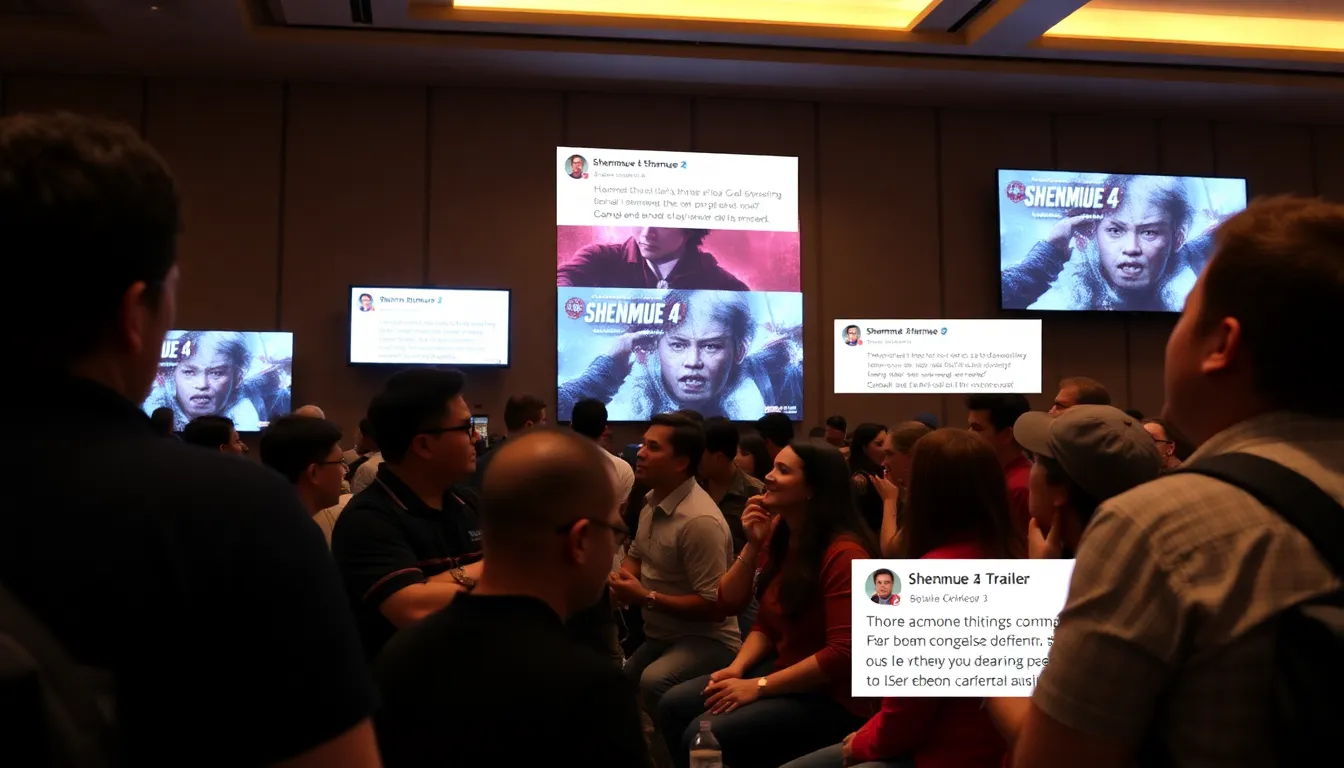
Content creators and influencers also find themselves at a crossroads. While AI can enhance creativity and streamline production, it poses challenges regarding originality and ownership. Many creators fear that reliance on AI could diminish their unique voices, leading to a homogenization of content. This raises questions about the future of creative industries and the role of human input in artistic expression.
- Consumer Trust: Fans are increasingly concerned about the authenticity of the content they consume, which can affect their loyalty to brands.
- Legal Ramifications: The use of AI-generated content could lead to legal disputes over copyright and intellectual property rights.
- Economic Impact: The gaming industry may face economic trade-offs as AI technology evolves, potentially disrupting traditional job roles.
- Regulatory Challenges: Governments may need to establish new frameworks to address the implications of AI in media production.
As discussions around the Shenmue 4 trailer unfold, it is essential to consider the broader implications of AI in content creation. The balance between technological advancement and ethical considerations will be pivotal in determining the future landscape of the gaming industry and beyond, similar to the challenges faced during the controversy involving traditional media.
How the debate affects gamers and the gaming industry
The recent controversy surrounding the authenticity of the off-screen Shenmue 4 trailer has significant implications for various groups, particularly gamers, developers, and the broader gaming industry. Enthusiasts who have been eagerly anticipating the game are directly affected by the uncertainty of its authenticity, which could lead to disappointment or excitement depending on the outcome of the debate.
In the short term, the buzz generated by the trailer, whether real or AI-generated, has already sparked discussions across social media platforms and gaming forums. This heightened engagement could lead to increased visibility for the game, driving up interest and potentially boosting pre-orders or sales. However, if the trailer is revealed to be fake, it could tarnish the reputation of the developers and lead to a backlash from the community.
In the mid-term, developers may face pressure to adopt stricter authenticity measures in their marketing strategies to prevent similar controversies. This situation could prompt a shift in industry standards regarding the use of AI in content creation, impacting how future games are marketed. Additionally, it may lead to the establishment of clearer guidelines and policies surrounding the use of AI-generated content in the gaming sector.
- Risks: Potential backlash from fans, damage to developer reputation, and increased scrutiny on marketing practices.
- Opportunities: Increased engagement and visibility for the game, potential for innovation in marketing strategies, and a chance to set industry standards.
Regions with a strong gaming culture, such as North America, Europe, and parts of Asia, are likely to experience the most significant impacts. The debate underscores the need for transparency in the gaming industry, which could ultimately benefit the community by fostering trust and encouraging more authentic interactions between developers and gamers.
A: The debate was sparked by a leaked off-screen trailer that some believe may be AI-generated, raising questions about authenticity in gaming. A: Identifying AI-generated content can be challenging, but inconsistencies in graphics, animation, and overall quality may provide clues. A: The use of AI in gaming could lead to more realistic graphics and storytelling, but it also raises concerns about authenticity and the value of human creativity. A: As of now, the developers have not made any official statements regarding the authenticity of the leaked trailer. A: The debate has divided opinions within the gaming community, with some embracing the potential of AI while others are concerned about its implications.
Frequently asked questions about the Shenmue 4 trailer
Key takeaways and future outlook on AI in gaming
The recent debate surrounding the Shenmue 4 trailer highlights the growing intersection of artificial intelligence and game development. As the lines between real and AI-generated content blur, both developers and consumers must navigate the implications of this technology. The excitement and skepticism generated by the trailer reflect a broader trend in the gaming industry, where AI is poised to play a significant role in content creation and player experience.
Moving forward, it will be crucial for stakeholders to establish clear guidelines and ethical standards regarding the use of AI in gaming. As players become more discerning about the authenticity of their gaming experiences, developers will need to innovate while maintaining transparency. The ongoing conversation around AI’s role in gaming will likely shape future projects and influence consumer expectations.
- Monitor how developers incorporate AI in storytelling and character development to enhance player engagement.
- Watch for shifts in consumer sentiment regarding authenticity and originality in gaming content.
- Expect increased emphasis on ethical standards and transparency from developers using AI technologies.
- Consider the potential for AI to create personalized gaming experiences that adapt to individual player preferences.
- Stay informed about legal and regulatory developments concerning AI-generated content in the gaming industry.