


Marko has been instrumental in shaping Red Bull’s success over the years, particularly in nurturing young talent through the Red Bull Junior Team. His departure raises questions about the future direction of the team and how it will adapt to the new rules set to be implemented in 2026, which include changes to engine specifications and sustainability initiatives.
The timing of this announcement is critical, as Red Bull is currently preparing for the next season while also focusing on the long-term development of their competitive edge in the evolving landscape of Formula 1. With less than three years until the new regulations take effect, the team must ensure a seamless transition and maintain its strong performance on the track.
Marko’s exit could lead to significant shifts within the team’s management structure and strategy. As Red Bull seeks to secure its position as a frontrunner in F1, the implications of this change could reverberate throughout the paddock, affecting not only Red Bull but also its competitors as they all navigate the upcoming changes in the sport.
Background on Helmut Marko’s role in Red Bull
Helmut Marko has been a pivotal figure in the Red Bull Racing team since its inception in the early 2000s. As a former racing driver and an influential advisor, Marko has played a critical role in shaping the team’s competitive edge in Formula 1. His keen eye for talent has led to the identification and development of several successful drivers, including Sebastian Vettel, Max Verstappen, and Daniel Ricciardo. This focus on nurturing young talent has become a hallmark of Red Bull’s strategy, setting it apart from other teams in the sport.
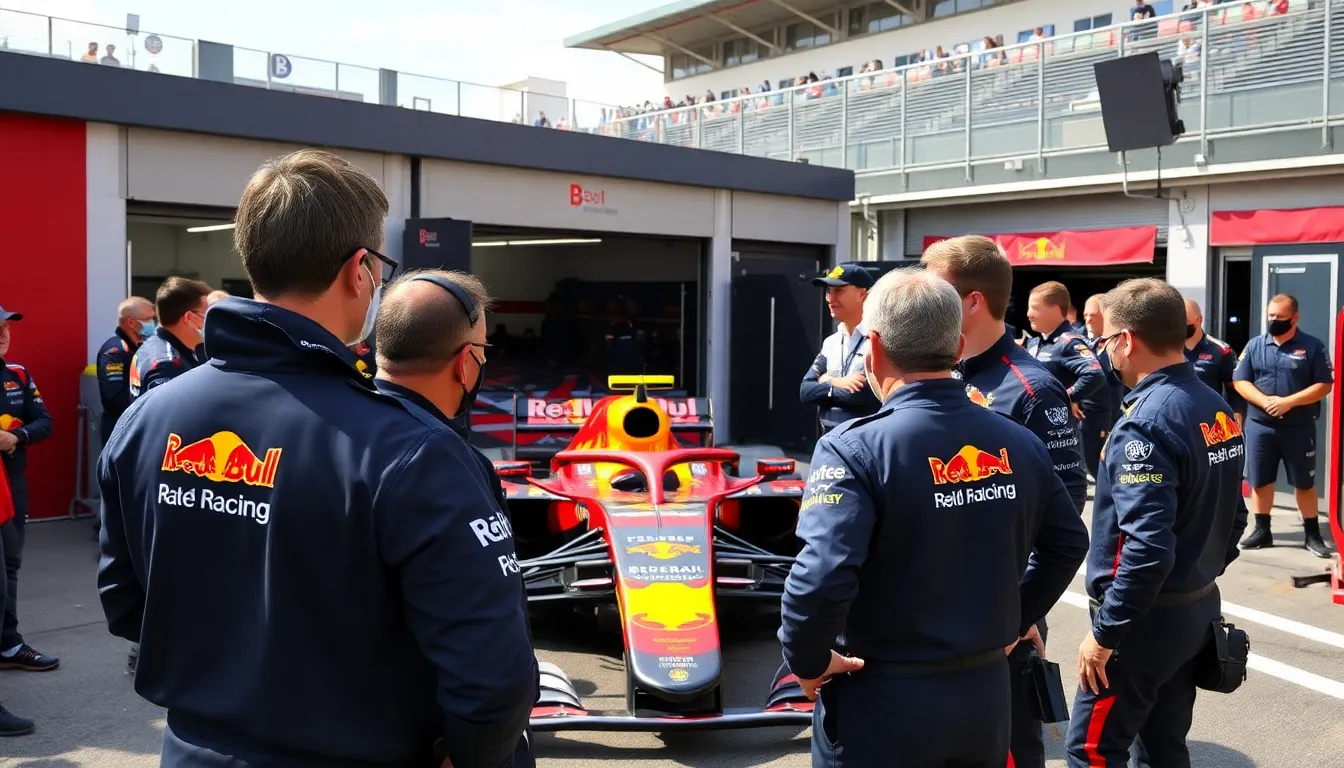
Historically, Marko’s involvement with Red Bull began when the energy drink company acquired the Jaguar Racing team in 2004. Under his guidance, the team quickly rose to prominence, securing multiple Constructors’ and Drivers’ Championships. Marko’s ability to make bold decisions, such as promoting young drivers from the Red Bull Junior Team, has been instrumental in the team’s sustained success.
In recent years, the Formula 1 landscape has undergone significant changes, with increased competition from teams like Mercedes and Ferrari, as well as the emergence of new regulations. These factors have pressured Red Bull to adapt its strategies and maintain its status as a frontrunner. Marko’s role has evolved as the team navigates these challenges, but his recent announcement to leave Red Bull ahead of the 2026 season has raised questions about the future direction of the team.
The Impact of Marko’s Departure
Marko’s potential exit from Red Bull could signal a shift in the team’s approach to driver development and overall management. His departure comes at a critical time as the sport prepares for the 2026 season, which will introduce new engine regulations and a more competitive environment. The leadership transition may influence how Red Bull continues to scout and cultivate young talent, impacting its long-term strategy and performance on the track. As the team looks to the future, Marko’s legacy will undoubtedly be felt, but the question remains: who will step into his shoes and how will they carry forward his vision?
Key stakeholders and implications of Marko’s exit
Helmut Marko’s anticipated departure from Red Bull Racing ahead of the 2026 Formula 1 season marks a significant shift in the team’s structure and strategy. Various stakeholders are affected by this transition, each with distinct interests and potential implications for the future of the sport.
One of the primary stakeholders is Red Bull Racing itself. As a leading team in Formula 1, Red Bull’s interests lie in maintaining its competitive edge and ensuring a seamless transition in leadership. Marko has been instrumental in talent identification and development, particularly through the Red Bull Junior Team. His exit raises questions about who will fill this crucial role and how the team’s driver development strategy might evolve.
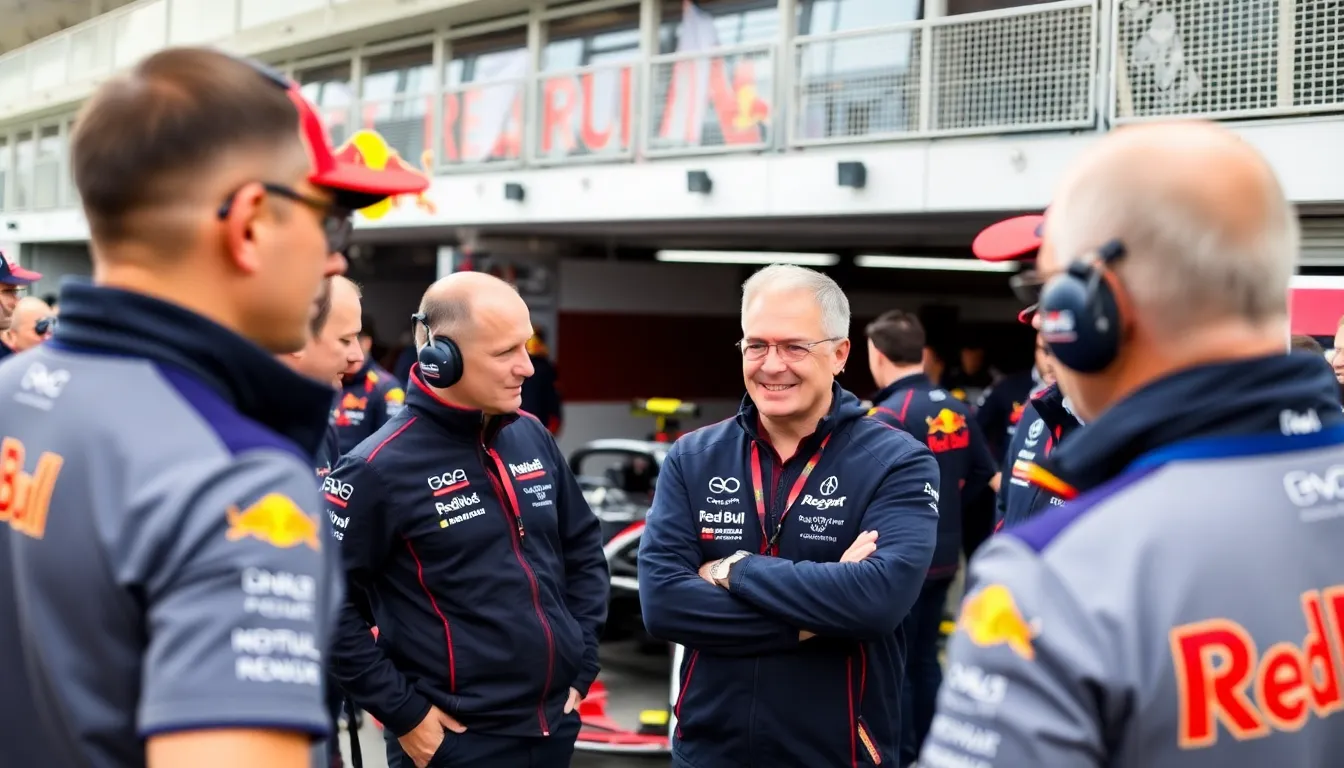
Another key actor is the broader Formula 1 community, including other teams, sponsors, and fans. The dynamics within the paddock could shift if Red Bull changes its approach to driver recruitment and management. Competitors may view this as an opportunity to capitalize on any potential instability within Red Bull, leading to increased competition on the track.
Additionally, the economic implications of Marko’s departure cannot be overlooked. Red Bull has invested heavily in its racing program, and any changes in leadership could affect sponsorship deals and partnerships. Stakeholders such as sponsors and partners will be closely monitoring how this transition impacts the team’s performance and marketability, including potential interests from the broader Formula 1 community.
- Red Bull Racing must ensure continuity in its talent development strategy.
- Competitors may seek to exploit any perceived weaknesses during the transition period.
- Sponsors will evaluate the impact of leadership changes on their investments.
- The Formula 1 governing body, FIA, will observe how Red Bull’s strategy aligns with upcoming regulatory changes.
- Fans may react to changes in driver line-ups and team culture resulting from Marko’s exit.
Potential effects on Red Bull and the F1 landscape
The impending departure of Helmut Marko from Red Bull Racing is set to reverberate across various sectors within the Formula 1 ecosystem. Key stakeholders including team members, sponsors, and fans will feel the impact, while the broader motorsport industry may also experience shifts in dynamics and strategies.
In the short term, Red Bull may face internal disruptions as it prepares for a leadership transition. Marko’s extensive experience and influence have been pivotal in shaping the team’s success, and his exit could lead to uncertainty regarding team direction and performance. This may affect team morale and could potentially hinder their competitiveness in the upcoming races.
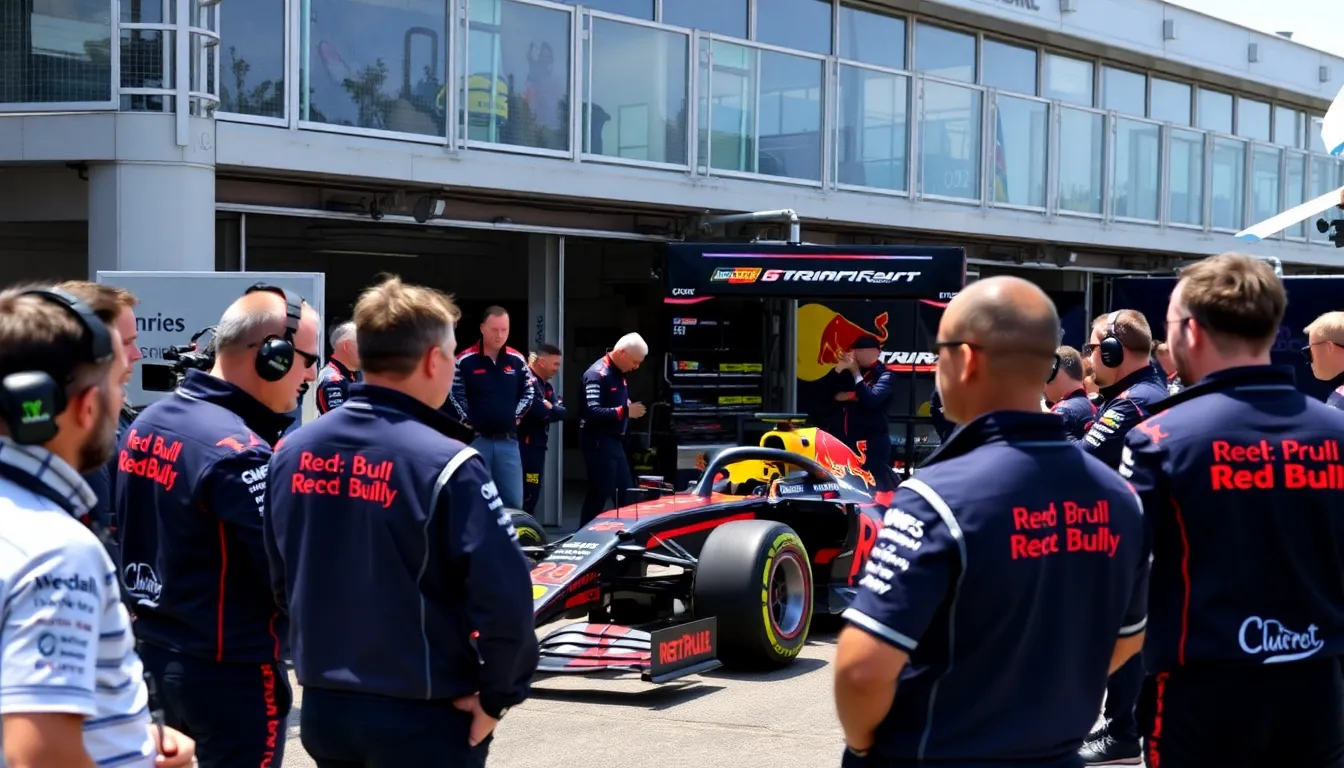
Mid-term implications may include a reevaluation of Red Bull’s partnerships and sponsorship deals. As Marko has been a key figure in negotiating these relationships, his departure could lead to changes in how the team approaches collaboration with sponsors and partners. This could either pose risks to existing partnerships or open doors for new alliances, depending on how the transition is managed.
- Risks: Potential loss of competitive edge, disruption in team dynamics, uncertainty in sponsorship relations.
- Opportunities: Fresh leadership could lead to innovative strategies, attracting new talent and sponsors, and revitalizing team spirit.
For fans and the wider F1 community, Marko’s exit could alter the narrative around Red Bull Racing, potentially impacting fan loyalty and engagement. As the team navigates this change, it will be crucial for them to communicate effectively with their audience to maintain support and enthusiasm for the brand.
A: Helmut Marko’s departure is reportedly due to internal restructuring within the team as they prepare for the 2026 F1 season. A: Marko’s exit could lead to changes in team strategy and driver development, potentially affecting Red Bull’s competitiveness in upcoming seasons. A: As of now, Red Bull has not announced a successor, but several candidates are being considered for the role. A: Helmut Marko has been a key figure at Red Bull since its inception in Formula 1, playing a crucial role in the team’s success. A: The F1 community has expressed mixed reactions, with some praising his contributions while others speculate on the future direction of Red Bull.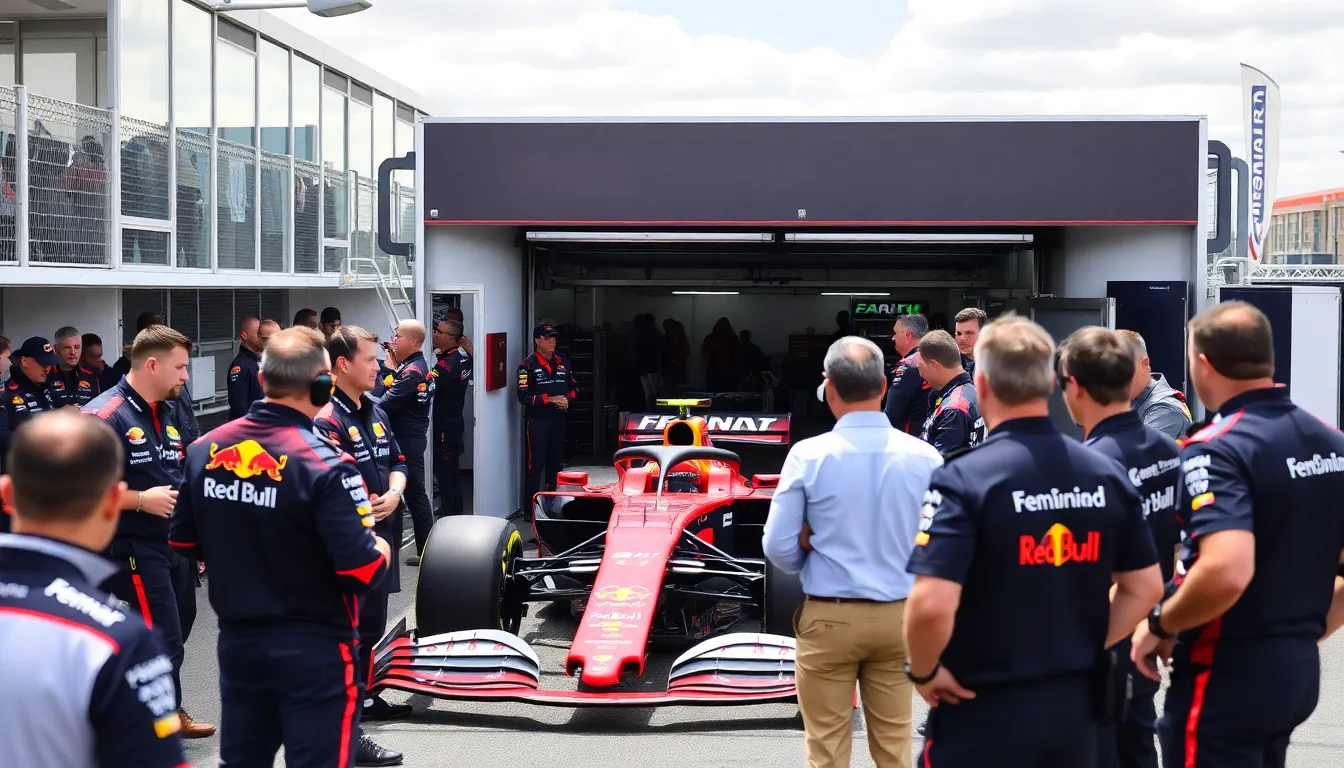
Frequently asked questions about Marko’s departure
Outlook for Red Bull Racing post-Markos departure
As Helmut Marko prepares to exit Red Bull Racing ahead of the 2026 Formula 1 season, the implications for the team and its future strategies are significant. Marko’s long-standing influence on driver development and team dynamics has been a cornerstone of Red Bull’s success, and his departure may signal a shift in how the organization approaches talent management and competitive strategy moving forward.
With the upcoming regulatory changes and the need for a fresh perspective, Red Bull Racing faces both challenges and opportunities. The team’s ability to adapt to new leadership will be crucial in maintaining its competitive edge, particularly as rival teams also gear up for the evolving landscape of Formula 1.
- Monitor potential candidates for Marko’s replacement and their impact on team culture and driver selection.
- Watch how Red Bull adapts its development strategy in light of the upcoming regulatory changes in 2026.
- Evaluate the effect of Marko’s departure on current drivers and potential signings during the next transfer window.
- Consider how Red Bull’s performance in the next few seasons may be influenced by leadership transitions.