


The 24-year-old Uruguayan international has been a key figure in Barcelona’s defense, but recent performances and external pressures have taken a toll on his well-being. Araujo’s announcement was made public on social media, where he expressed the importance of mental health and the necessity of prioritizing it during difficult times. This topic mirrors the growing awareness surrounding mental health in sports, which has gained traction in recent years.
This move has sparked discussions around mental health in sports, highlighting how athletes often face immense pressure to perform. Araujo’s decision to step back sends a powerful message to fans and fellow athletes about the significance of addressing mental health issues and seeking help when needed. Such conversations are crucial in addressing the evolving narrative of athlete well-being.
Barcelona’s management has expressed support for Araujo, emphasizing that the player’s health is paramount. The club plans to provide him with the necessary resources during this period to ensure he can return to the pitch feeling mentally refreshed and focused.
Understanding the importance of mental health in sports
In recent years, the conversation surrounding mental health in sports has gained significant traction. Athletes are often viewed as invincible figures, but the pressures of competition, public scrutiny, and personal expectations can take a toll on their mental well-being. This growing awareness has prompted organizations and teams to prioritize mental health resources, recognizing that the psychological state of players is just as critical as their physical fitness. The steps taken by Barcelona illustrate this shift.
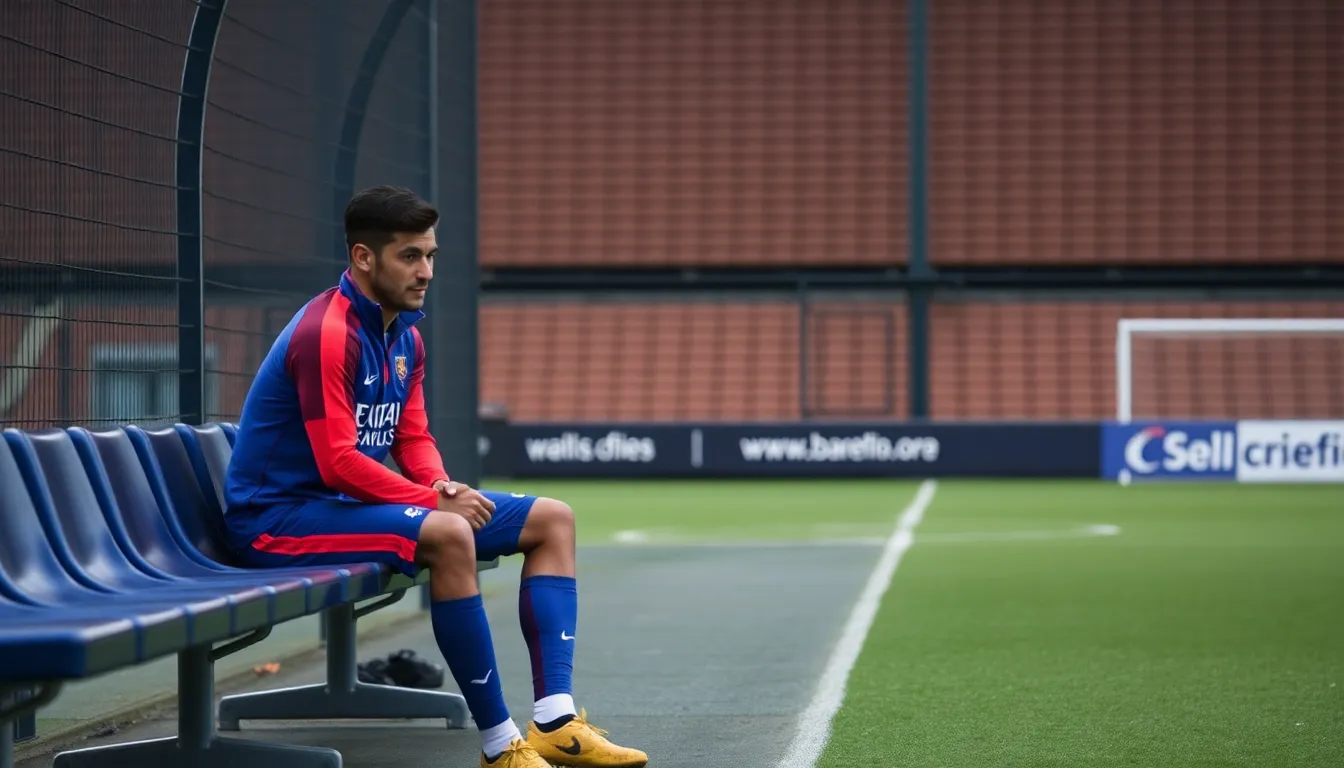
Historically, mental health issues in sports were often stigmatized, with athletes feeling compelled to maintain a façade of strength and resilience. High-profile cases, such as those of NBA star Kevin Love and Olympic gymnast Simone Biles, have helped to shed light on the importance of mental health, encouraging others to speak openly about their struggles. These revelations have paved the way for a more supportive environment where athletes can seek help without fear of judgment.
The economic implications of mental health in sports are also noteworthy. Teams and franchises are beginning to understand that investing in mental health resources can lead to improved performance and reduced turnover rates. The financial burden of not addressing mental health issues can manifest in decreased player productivity, increased injuries, and even loss of sponsorships, as fans increasingly advocate for the well-being of their favorite athletes.
Milestones in Mental Health Awareness
Several key milestones have marked the evolution of mental health awareness in sports. The establishment of mental health initiatives by various sports organizations, such as the NFL’s Mental Health and Wellness Program, has been instrumental in providing athletes with the support they need. Furthermore, the integration of mental health professionals into team structures has become more common, allowing players to access care in a familiar environment. These developments signify a growing recognition that mental health is integral to athletic success and overall well-being.
As Barcelona defender Ronald Araujo takes a mental health break, it serves as a reminder that even elite athletes face challenges that require attention and care. His decision reflects a broader shift in the sports community towards prioritizing mental health, encouraging other players to acknowledge their needs and seek help when necessary.
The implications of Araujo’s break on team dynamics
Ronald Araujo’s decision to take a mental health break has brought attention to the broader conversation surrounding athlete well-being, particularly in high-pressure environments like professional sports. This move not only affects Araujo personally but also has significant implications for FC Barcelona, his teammates, and the club’s management.
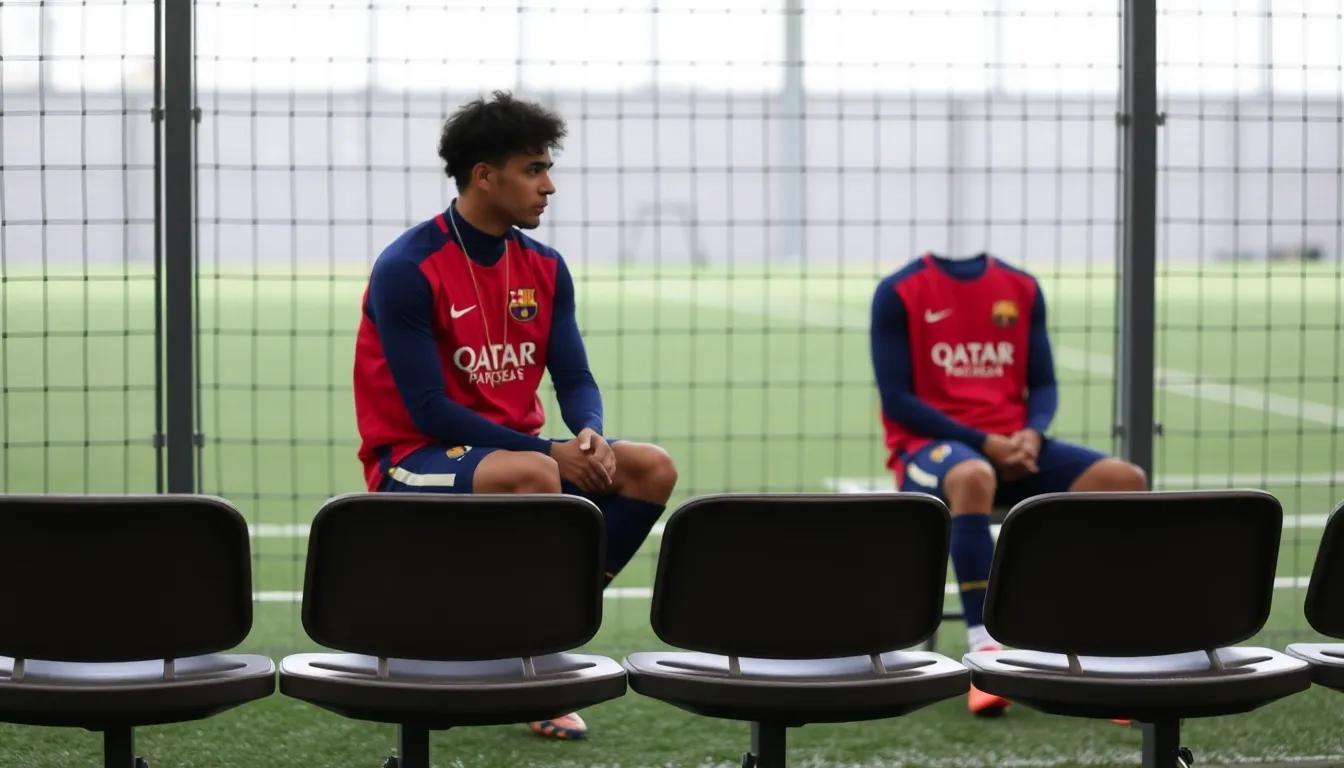
Key actors in this situation include Araujo himself, the coaching staff of FC Barcelona, medical professionals, and the club’s management. Araujo’s interest lies in prioritizing his mental health, which is increasingly recognized as essential for optimal performance. The coaching staff and management, on the other hand, must balance their support for Araujo’s well-being with the team’s competitive needs.
Conflicts may arise as the team navigates the absence of a key defender, which could impact their performance in crucial matches. The trade-off between supporting a player’s mental health and maintaining team performance is a delicate one, often exacerbated by the high stakes of professional football.
- Team Performance: Araujo’s absence may weaken the defense, leading to potential losses.
- Player Well-being: Prioritizing mental health can foster a more supportive team culture.
- Public Perception: Araujo’s break may influence how fans and media view mental health in sports.
- Legal and Ethical Considerations: Clubs are increasingly held accountable for player welfare, impacting their policies.
In addition to the immediate effects on the team, Araujo’s situation highlights broader societal issues regarding mental health. As more athletes speak out, it challenges traditional stigmas and encourages a culture where mental health is openly discussed and prioritized.
How Araujo’s break affects fans and the club
Ronald Araujo’s decision to take a mental health break resonates deeply with various groups, particularly fans, teammates, and the broader football community. Supporters of FC Barcelona are likely to feel a mix of concern and empathy, recognizing the importance of mental well-being in sports. Teammates may also experience a shift in dynamics as they adjust to his absence, potentially impacting team morale and performance.
In the short term, Araujo’s break could lead to increased scrutiny on how clubs manage player mental health. Fans may demand more transparency and support systems from FC Barcelona, pushing the club to adopt more comprehensive mental health policies. This could also influence other clubs in La Liga and beyond to prioritize mental health resources for their players.

Mid-term effects may include a shift in public perception regarding mental health in sports. As discussions around Araujo’s situation gain traction, there could be a greater societal understanding of the pressures athletes face. This can lead to changes in how clubs approach player welfare, potentially creating a more supportive environment for athletes.
- Increased awareness of mental health issues in sports.
- Potential changes in club policies regarding player welfare.
- Impact on team performance and dynamics during Araujo’s absence.
- Opportunities for mental health organizations to partner with sports teams.
While there are risks associated with Araujo’s absence, such as potential declines in team performance, there are also opportunities for clubs to showcase their commitment to player well-being. By prioritizing mental health, FC Barcelona could enhance its reputation and foster a culture that values the overall health of its athletes.
A: Araujo recognized the pressures of professional sports and the toll it can take on mental well-being. He aims to prioritize his mental health to ensure he can perform at his best. A: The duration of Araujo’s break has not been specified, as it will depend on his personal needs and recovery process. A: Many clubs, including FC Barcelona, provide access to mental health professionals and support systems to help athletes manage stress and mental health challenges. A: Taking time off for mental health can lead to improved focus and performance upon return, as athletes often come back refreshed and more resilient. A: Yes, mental health awareness in sports is growing, and several players across various leagues have taken similar breaks to prioritize their mental well-being.
Frequently asked questions about Araujo’s mental health break
Looking ahead: the importance of mental health awareness in sports
The recent decision by Barcelona defender Ronald Araujo to take a mental health break highlights a growing recognition of the importance of mental well-being in the world of professional sports. As athletes face immense pressure to perform, the need for support systems that prioritize mental health becomes increasingly evident. Araujo’s choice serves as a reminder that mental health is as crucial as physical fitness in achieving sustainable performance.
Moving forward, it is essential for clubs, coaches, and fans to foster an environment where mental health discussions are normalized and supported. By doing so, the sports community can not only help individual athletes but also promote a culture of understanding and empathy that benefits everyone involved in the game.
- Increased focus on mental health resources: Expect sports organizations to invest more in mental health professionals and support systems for athletes.
- Shift in public perception: Araujo’s break may encourage fans and media to view mental health issues with more empathy and understanding.
- Potential policy changes: Clubs might implement policies that allow for mental health days, recognizing their importance in overall player well-being.
- Role of education: Training programs for coaches and staff on mental health awareness could become standard to better support athletes.