


The stolen items include rare artifacts and artworks valued at millions of dollars, highlighting the lucrative nature of art theft. Authorities have confirmed that the perpetrators gained access through a back entrance, suggesting a level of planning and sophistication that poses a challenge for law enforcement agencies.
This raid not only affects the museum’s reputation but also impacts the broader art community, as the loss of such items diminishes public access to cultural history. Experts warn that the theft could lead to a black market surge, complicating efforts to recover the items and prosecute those responsible, as seen in previous incidents like the Isabella Stewart Gardner Museum robbery.
In response to the incident, museum officials are reevaluating their security protocols and seeking assistance from local and international law enforcement. The situation underscores the ongoing struggle between preserving cultural heritage and protecting it from criminal activities.
Background on museum security and previous incidents
The recent high-value museum raid, where hundreds of priceless items were taken, highlights ongoing vulnerabilities within cultural institutions that house significant historical artifacts. Museums have historically been targets for theft due to their valuable collections, which often include irreplaceable pieces of art, ancient relics, and historical documents. This incident is not an isolated case, as museums around the world have faced similar threats, prompting discussions about the adequacy of security measures in place.
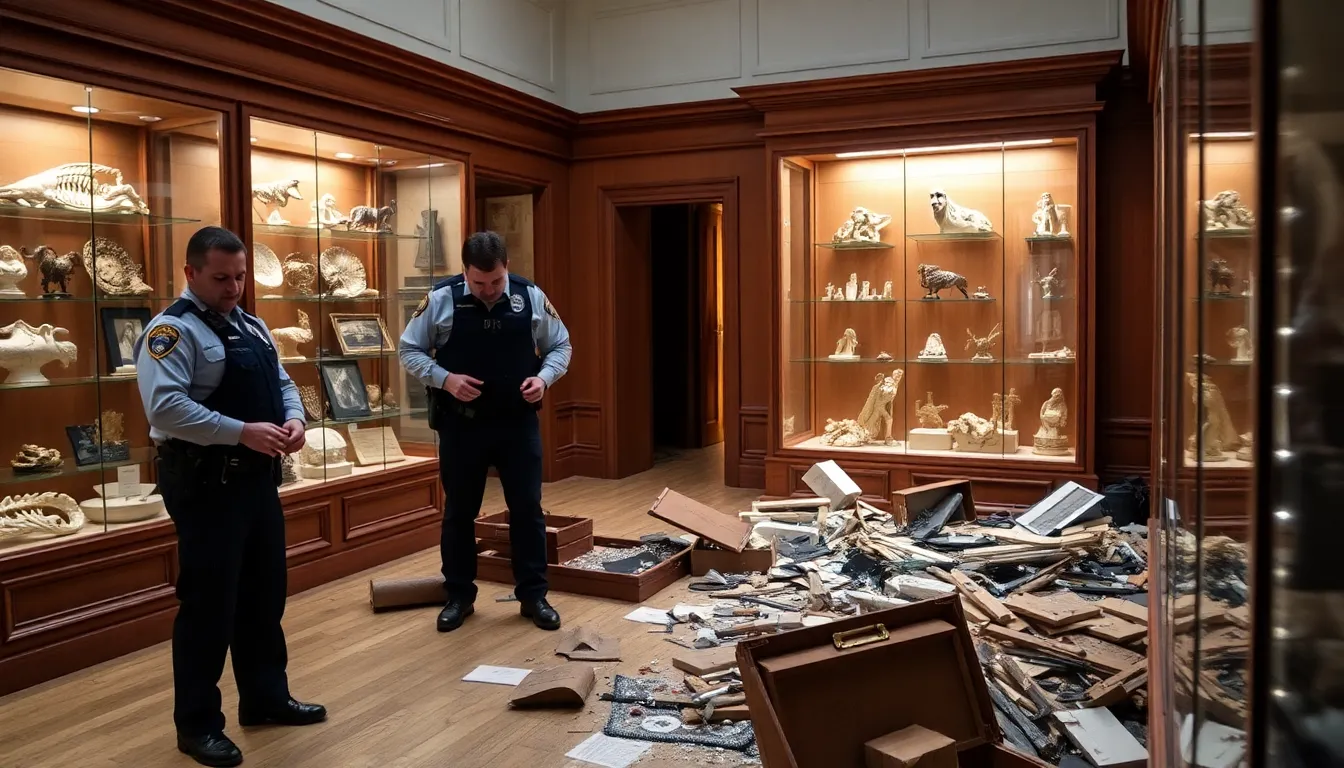
In the past two decades, several high-profile museum heists have raised alarms about the effectiveness of security protocols. For instance, the Isabella Stewart Gardner Museum robbery in 1990 remains one of the largest art thefts in history, with over $500 million worth of art stolen and never recovered. Such incidents have led to increased investment in security technologies, including surveillance systems and alarm systems, yet many institutions still struggle to keep pace with evolving criminal tactics. Recent events illustrate the ongoing challenges.
Moreover, the political climate surrounding cultural heritage has intensified the issue of museum security. In regions experiencing conflict or political unrest, museums often become casualties of war, with looting and destruction commonplace. The 2003 invasion of Iraq saw the National Museum of Iraq plundered, resulting in the loss of thousands of artifacts. Such events underscore the need for international cooperation in protecting cultural heritage, as well as the importance of establishing robust security frameworks within museums.
The economic impact of museum theft
The economic ramifications of museum theft extend beyond the immediate loss of valuable items. Museums play a crucial role in local economies, attracting tourists and providing educational opportunities. When high-value items are stolen, it can deter visitors and lead to decreased funding and support for these institutions. Additionally, the black market for stolen art represents a significant financial threat, with estimates suggesting that art theft generates billions of dollars annually for criminal organizations.
Key stakeholders involved and the main issues at play
The recent high-value museum raid has drawn attention from various stakeholders, each with distinct interests and concerns. The primary actors include museum authorities, law enforcement agencies, art collectors, and the general public. Understanding their roles and the conflicts that arise is crucial to grasping the broader implications of this incident.
Museum authorities are primarily concerned with the protection and preservation of cultural heritage. The theft not only affects their reputation but also raises questions about security measures in place. Their interest lies in recovering the stolen items and preventing future incidents, which may require collaboration with law enforcement and security experts.
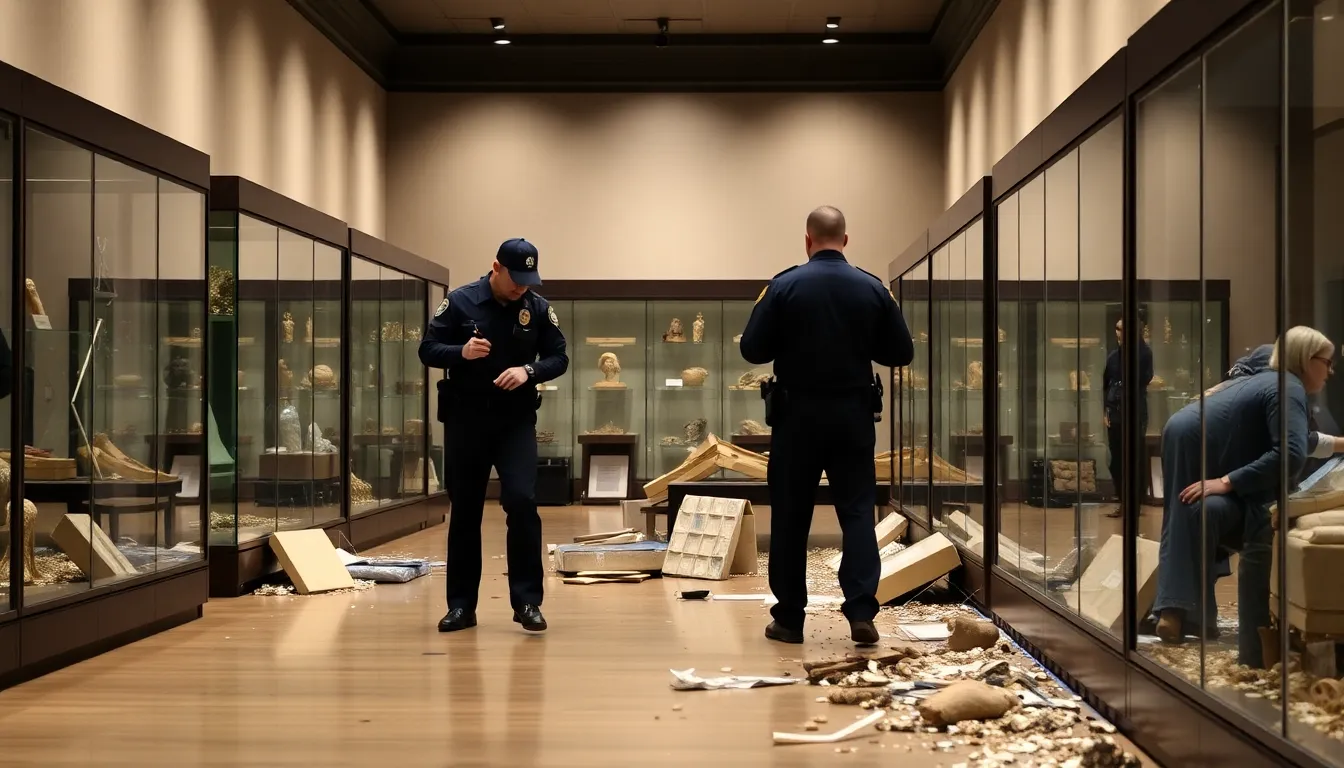
Law enforcement agencies, including local police and federal investigators, are tasked with solving the crime and apprehending the perpetrators. Their interests include ensuring public safety and restoring stolen property. However, they may face challenges such as jurisdictional issues, resource allocation, and the complexities of tracking high-value art on the black market.
Art collectors and dealers are also significant stakeholders, as the raid can impact the value and marketability of art. They may be concerned about the potential for increased scrutiny on transactions involving high-value items. Additionally, the incident may lead to a heightened awareness of provenance and authenticity, affecting their buying and selling practices.
- Increased security measures at museums and galleries.
- Potential legal ramifications for buyers of stolen art.
- Impact on public trust in cultural institutions.
- Economic implications for the art market.
- International cooperation in recovering stolen cultural property.
The impact of the theft on the museum and the art community
The recent high-value museum raid has sent shockwaves through the art community, affecting various groups, including artists, collectors, and cultural institutions. The theft of hundreds of items not only represents a significant loss of cultural heritage but also poses a threat to the integrity of the art market. Museums and galleries, which rely on public trust and the authenticity of their collections, are likely to face increased scrutiny and skepticism from visitors and stakeholders.
In the short term, the immediate impact on daily life is evident as museums may increase security measures, leading to higher operational costs. This could result in increased admission fees or reduced public programming, affecting accessibility for local communities. Additionally, the theft may deter potential visitors, impacting tourism in regions known for their cultural offerings.
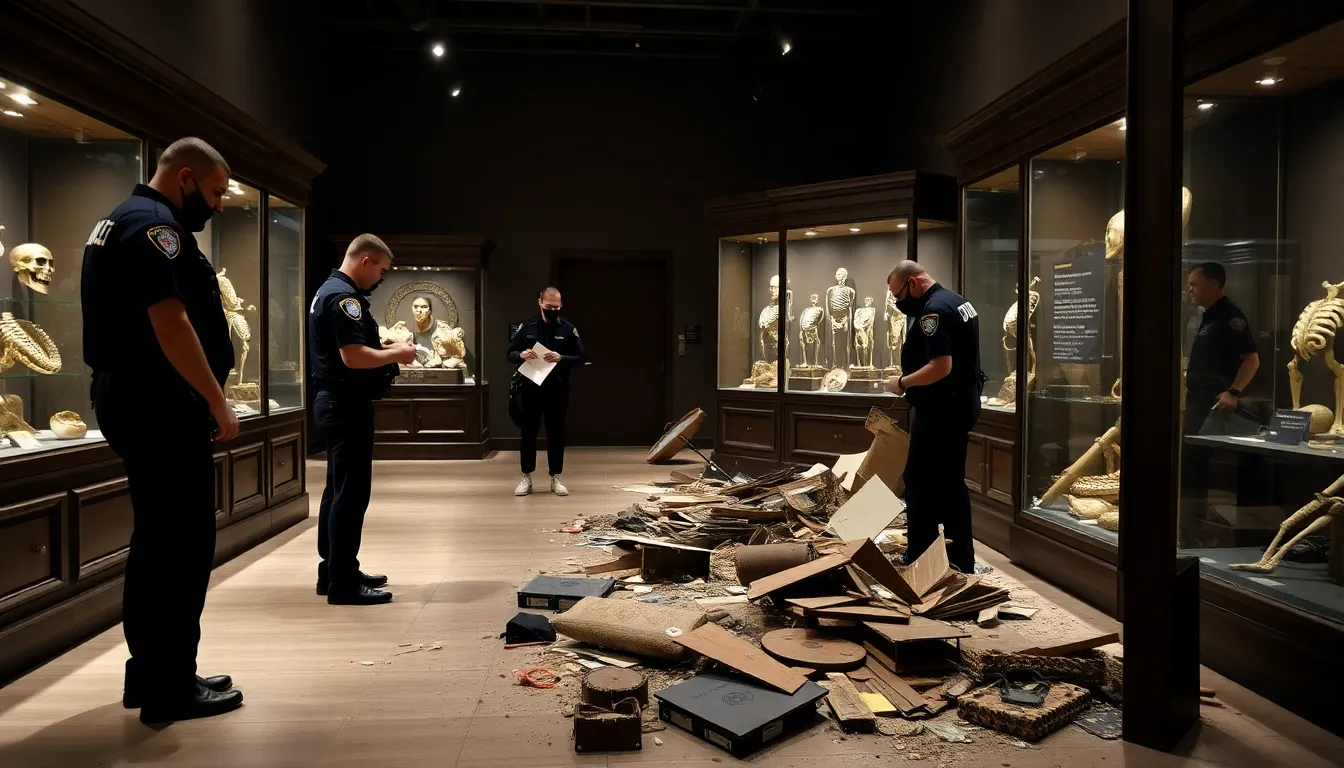
In the mid-term, the art market may experience fluctuations as stolen items can disrupt pricing and availability. Collectors may become more hesitant to invest in high-value pieces, fearing legal repercussions or the risk of purchasing stolen goods. This could lead to a decline in sales for galleries and auction houses, affecting artists who depend on these platforms for exposure and income.
- Increased security costs for museums and galleries.
- Potential rise in admission fees impacting visitor numbers.
- Decline in art market confidence affecting sales and investments.
- Opportunities for enhanced collaboration among institutions to improve security and provenance verification.
While the theft poses significant risks, it also presents opportunities for the art community to innovate and strengthen collaboration. Museums may invest in advanced technologies for tracking and securing artworks, fostering partnerships with tech companies. Additionally, this incident could catalyze discussions around policy changes regarding art provenance, leading to more robust frameworks for protecting cultural assets in the future.
A: The raid resulted in the theft of hundreds of valuable artifacts, including paintings, sculptures, and historical items. A: Initial investigations suggest that the thieves may have exploited security weaknesses, possibly during off-hours when the museum was less monitored. A: Authorities are working with law enforcement and art recovery experts to track the stolen items and investigate leads. A: This incident is likely to prompt museums to reevaluate and enhance their security measures to prevent similar occurrences. A: As of now, no suspects have been publicly identified, but investigations are ongoing to gather more information.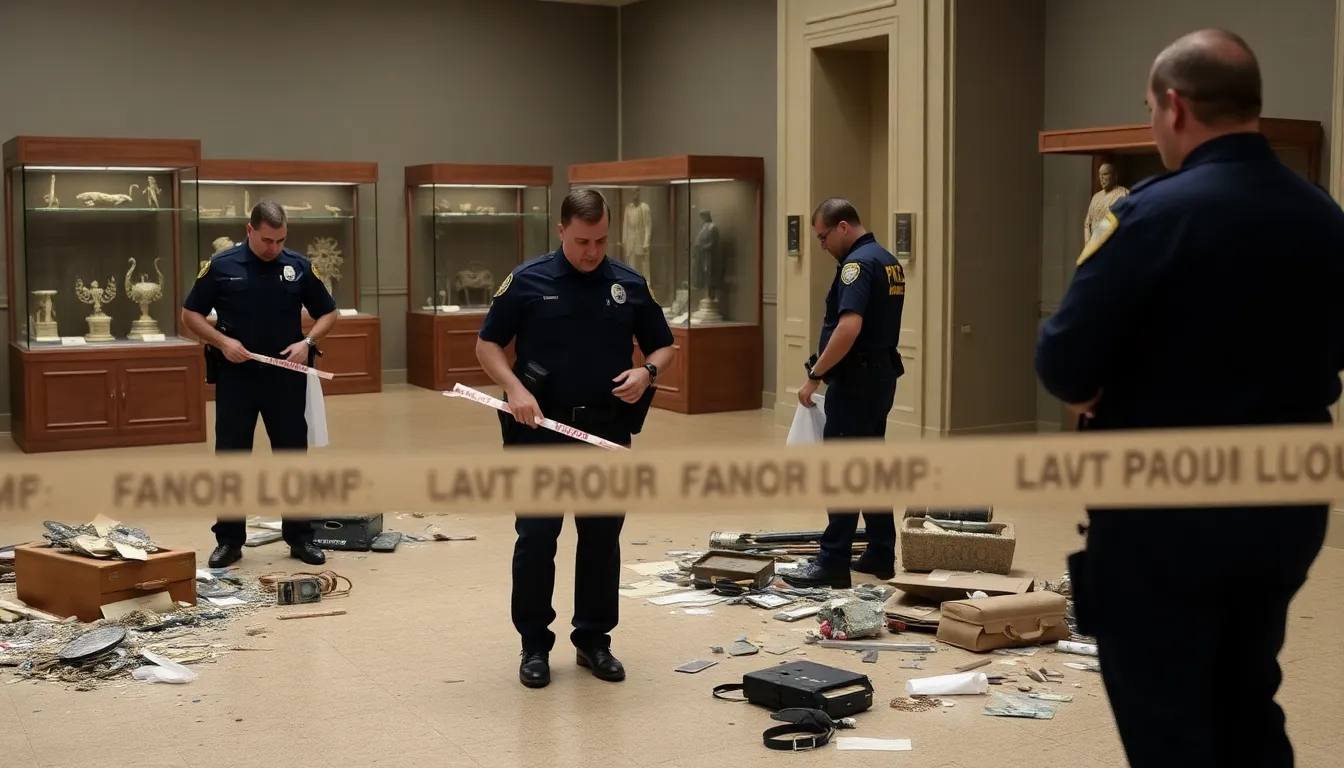
Frequently asked questions about the museum raid
Key takeaways and future outlook on museum security
The recent high-value museum raid highlights significant vulnerabilities in cultural institutions’ security measures. As the art and artifact market continues to grow, the risk of theft becomes increasingly pronounced, necessitating a reevaluation of existing protocols and technologies. Museums must adapt to these evolving threats while ensuring the preservation and accessibility of their collections.
Stakeholders in the art world, including museum directors, curators, and security experts, should prioritize the integration of advanced security systems and foster collaborative efforts to share intelligence on theft trends. The implications of this incident extend beyond the immediate loss of items; they call for a comprehensive approach to safeguarding cultural heritage for future generations.
- Increased investment in advanced surveillance and alarm systems may become a priority for museums.
- Collaboration among institutions to share best practices in security could mitigate risks across the sector.
- Insurance policies may need to be revisited to cover the rising value of art and artifacts.
- Public awareness campaigns may help to deter potential thieves by emphasizing the cultural significance of stolen items.
- Future exhibitions might incorporate enhanced security measures that also educate visitors about the importance of protecting cultural heritage.