


In 2023, a retrospective exhibition at the Tate Britain showcased Rego’s work, highlighting her unique approach to storytelling through art. Many of her pieces feature elements that resonate with the dark folklore passed down through generations, including the unsettling imagery of the scarecrow. This has led to discussions about how such narratives might have shaped her creative process and thematic choices, much like the influence of storytelling in music.
The tales of the man who inspired this imagery date back to the mid-20th century, when his stories circulated in rural communities. These narratives, often steeped in horror and moral lessons, captivated audiences and may have left a lasting impression on Rego. As researchers explore these connections, they emphasize the importance of understanding the cultural context in which artists operate.
Moreover, the fascination with the cow-skulled scarecrow speaks to broader themes in Rego’s work, such as the intersection of fear and femininity. Critics argue that her portrayal of this figure reflects societal anxieties and the complexities of identity. This ongoing discourse not only enriches the understanding of Rego’s art but also invites viewers to reconsider the narratives that shape our perceptions of folklore and its impact on contemporary art.
The historical background of Paula Rego’s artistic journey
Paula Rego, a prominent figure in contemporary art, was born in 1935 in Lisbon, Portugal. Her artistic journey is deeply intertwined with the socio-political landscape of her homeland, particularly during the oppressive regime of Estado Novo, which lasted from the 1930s until the 1970s. This authoritarian government heavily censored artistic expression, leading many artists to either flee the country or adapt their work to subtly critique the regime. Rego’s early experiences in this environment profoundly influenced her artistic voice, giving rise to themes of resistance and the subversion of traditional narratives.
Rego’s move to England in 1956 marked a significant turning point in her career. Immersed in a new cultural milieu, she was exposed to different artistic movements, including surrealism and feminism, which further shaped her unique style. The juxtaposition of her Portuguese roots with her British experiences allowed her to explore complex themes related to identity, gender, and power dynamics in her work. This period also saw the emergence of narrative-driven art, where Rego began to incorporate elements of storytelling into her paintings, often drawing inspiration from folklore and personal experiences.
The influence of folklore and personal narratives
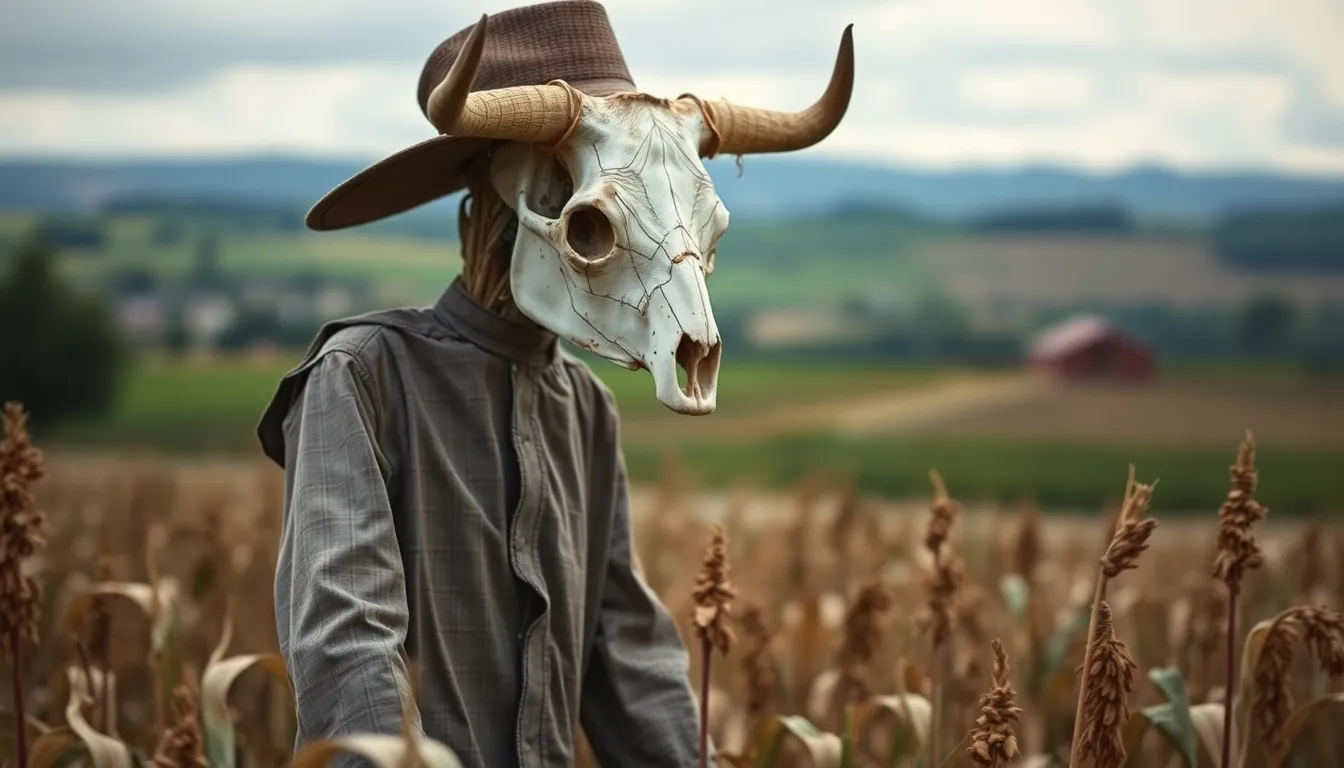
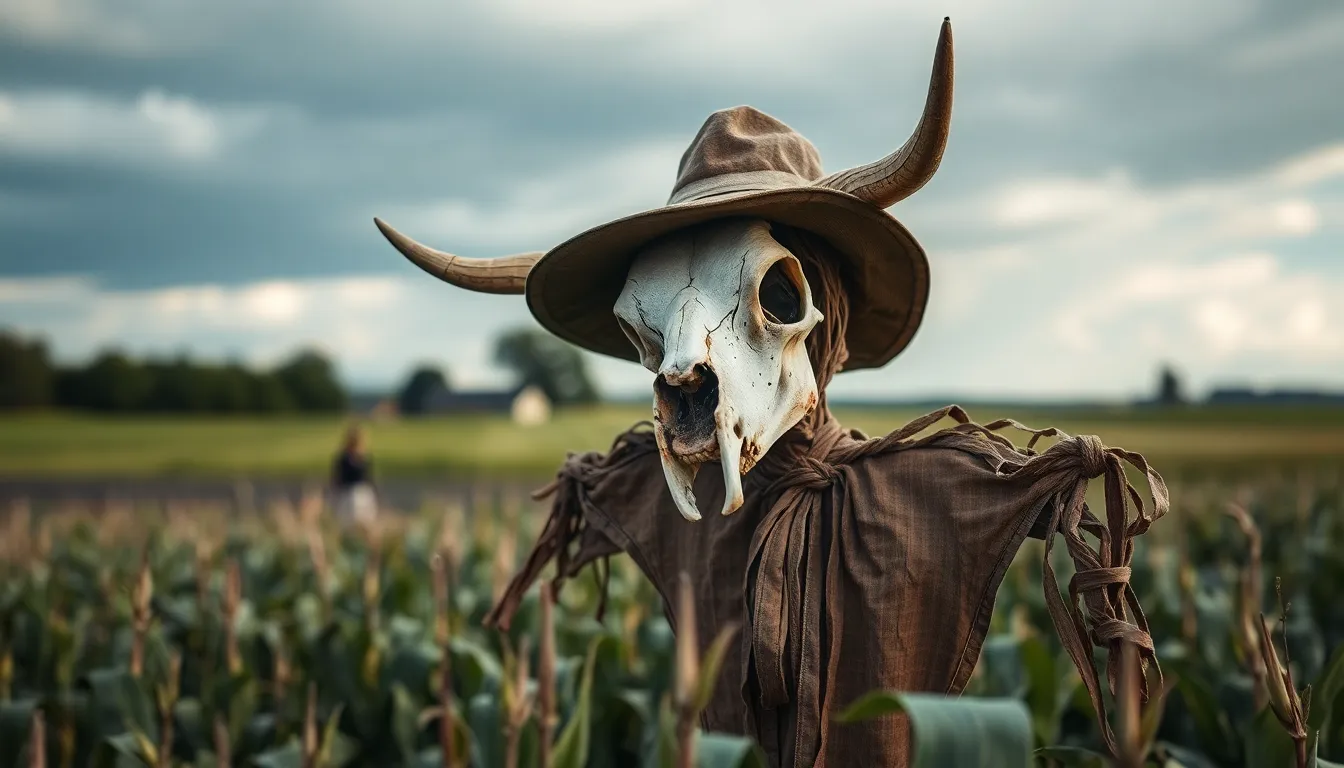
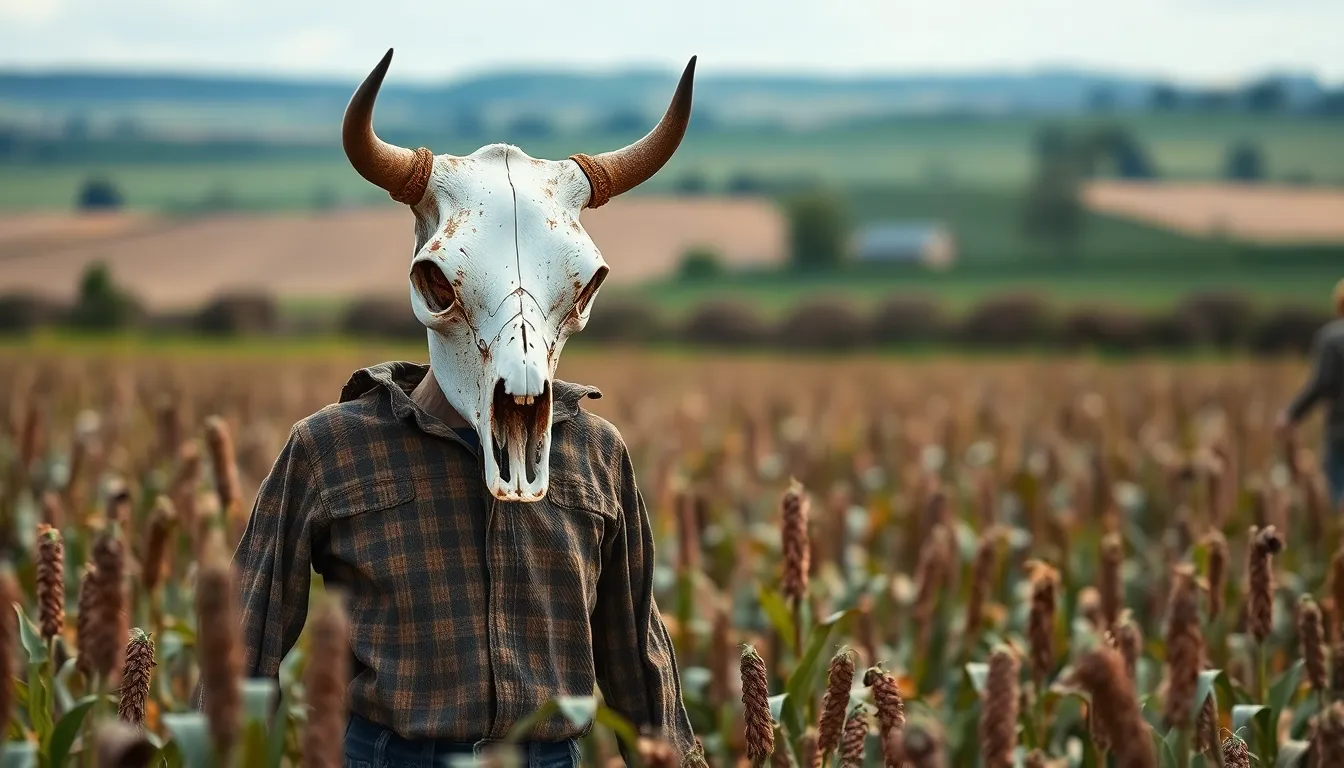
One of the most intriguing aspects of Rego’s work is her use of folklore, particularly the tales that often include dark or macabre elements. The cow-skulled scarecrow serves as a metaphor for the harsh realities of life, reflecting the struggles and fears inherent in human existence. This imagery can be traced back to the cruel tales that circulated in her childhood, which were often used to instill moral lessons or warn against societal ills. Rego’s ability to transform these grim narratives into powerful visual art is a testament to her skill in merging personal history with broader cultural commentary, similar to the impact of storytelling in media.
Throughout her career, Rego has received numerous accolades and exhibitions that have solidified her place in the art world. Key milestones include her participation in the Venice Biennale and her recognition as a leading figure in feminist art. As her work gained international attention, it became clear that her paintings were not only reflections of her personal experiences but also resonated with universal themes of trauma, resilience, and the human condition. This connection to broader societal issues has allowed her to engage audiences on multiple levels, making her art both relevant and impactful.
Examining the key themes in Rego’s works inspired by folklore
In the exploration of Paula Rego’s artistic journey, particularly her paintings influenced by folklore, several key stakeholders emerge. These include Rego herself, art critics, cultural historians, and the broader art community. Each of these actors has distinct interests that shape the interpretation and appreciation of her work.
Paula Rego, as the primary artist, is deeply invested in expressing personal and cultural narratives through her art. Her fascination with folklore, particularly the cruel tales associated with the cow-skulled scarecrow, reflects her desire to challenge societal norms and provoke thought. This artistic choice may also stem from a personal connection to her Portuguese roots, where such folklore is prevalent.
Art critics and cultural historians serve as intermediaries who interpret and disseminate Rego’s work to the public. Their interests lie in contextualizing her paintings within broader artistic movements and historical frameworks. This can lead to conflicts, as interpretations may vary widely; some may view her work as a commentary on gender and power dynamics, while others may focus on its psychological underpinnings.
- Different interpretations can create trade-offs in how Rego’s art is valued and understood.
- Economic factors, such as the market for contemporary art, influence the visibility and accessibility of her works.
- Legal issues surrounding copyright and ownership of folklore narratives may arise, complicating the relationship between Rego’s art and its inspirations.
Moreover, the art community at large has a vested interest in how Rego’s work is perceived and critiqued. The ongoing dialogue around her paintings can impact their market value and the legacy she leaves behind. As such, the interplay between these stakeholders highlights the complexities of artistic interpretation and the socio-economic factors that underpin the art world.
The influence of storytelling on contemporary art and audiences
The exploration of dark narratives, such as those inspired by the cow-skulled scarecrow, resonates with various groups, particularly artists, art critics, and the general public. This connection between folklore and visual art creates a shared cultural experience that can deeply affect how stories are perceived and interpreted in contemporary society.
In the short term, artists and galleries may see an increase in interest surrounding works that explore similar themes. This could lead to a surge in exhibitions focused on storytelling in art, drawing in larger audiences eager to engage with thought-provoking narratives. Additionally, schools and educational institutions may incorporate these themes into their curricula, fostering discussions about the impact of folklore on creativity.
Mid-term impacts could manifest in the art market, where collectors and investors might seek out pieces that reflect these narratives, potentially increasing their value. Moreover, industries related to publishing and media may find opportunities to adapt these stories into various formats, such as films or graphic novels, broadening their reach and influence.
- Increased interest in narrative-driven art: A rise in exhibitions and discussions centered around storytelling.
- Educational opportunities: Incorporation of dark folklore themes in school programs and workshops.
- Market growth: Potential for higher valuations of artworks that delve into similar themes.
- Cross-industry collaborations: Opportunities for adaptations in film, literature, and other media.
However, there are risks involved as well. The commercial exploitation of these narratives may lead to a dilution of their original meanings, and artists might face pressure to conform to market demands rather than pursue genuine expression. Additionally, audiences may become desensitized to the themes if overexposed, potentially diminishing their impact.
A: The cow-skulled scarecrow symbolizes themes of fear and folklore, which are prevalent in Rego’s art. It serves as a metaphor for the darker aspects of human experience. A: Rego’s upbringing in Portugal, surrounded by rich folklore and storytelling, greatly influenced her artistic vision. These elements are reflected in her vivid and sometimes unsettling imagery. A: Yes, several of Rego’s paintings, such as ‘The Dance’ and ‘The Family’, incorporate themes of fear and folklore, showcasing the influence of dark tales. A: Critics often highlight the profound connection between Rego’s art and folklore, noting how her work challenges viewers to confront uncomfortable truths. A: Storytelling in contemporary art allows artists to explore complex themes and engage audiences on a deeper emotional level, much like Rego’s works.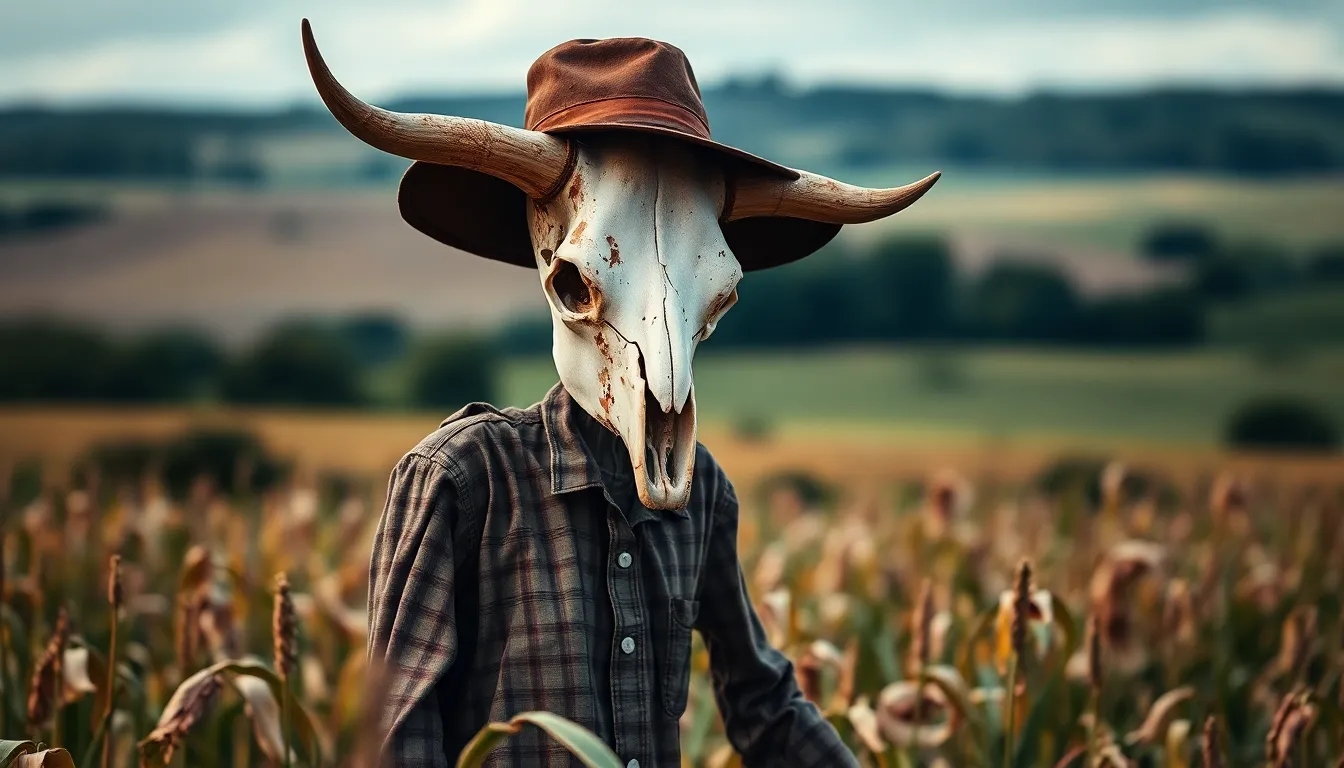
Frequently asked questions about Paula Rego and her inspirations
Key insights on the relationship between tales and art
The exploration of the cow-skulled scarecrow and the narratives that surround it reveals a profound connection between folklore and artistic expression. Paula Rego’s works draw from the darker aspects of human experience, suggesting that the stories we tell can significantly shape our creative outputs. The interplay between the macabre tales and Rego’s evocative imagery invites a deeper understanding of how personal and cultural narratives influence artistic endeavors.
As we reflect on the impact of these tales, it becomes evident that the act of storytelling serves not only as a means of entertainment but also as a catalyst for artistic inspiration. Observing how Rego interprets these narratives can provide valuable insights into the broader implications of art as a reflection of societal fears and desires.
- Consider how personal experiences and local folklore can influence contemporary art.
- Examine the role of dark themes in art as a means of addressing societal issues.
- Explore the potential for storytelling to inspire new artistic movements or styles.
- Reflect on the psychological impact of art that draws from unsettling narratives.
- Encourage dialogue between artists and audiences about the stories behind the art.