


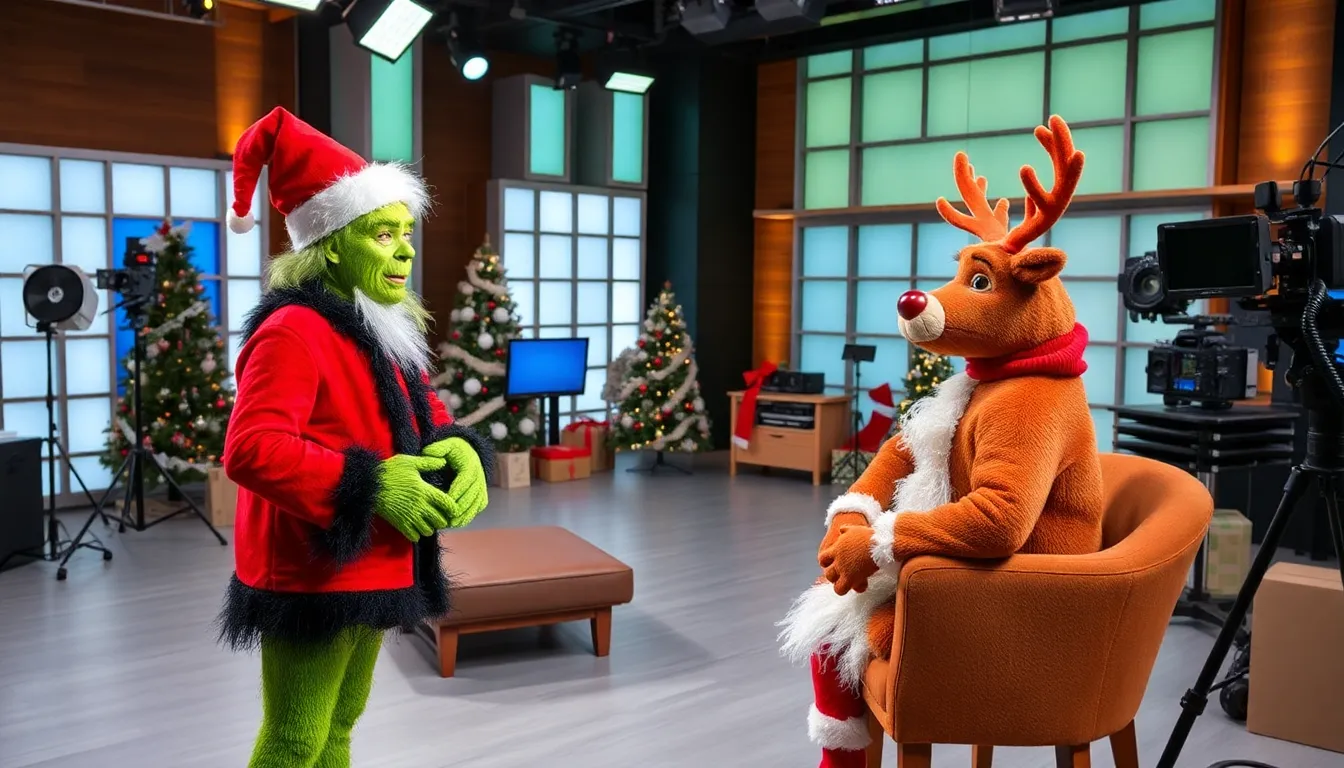
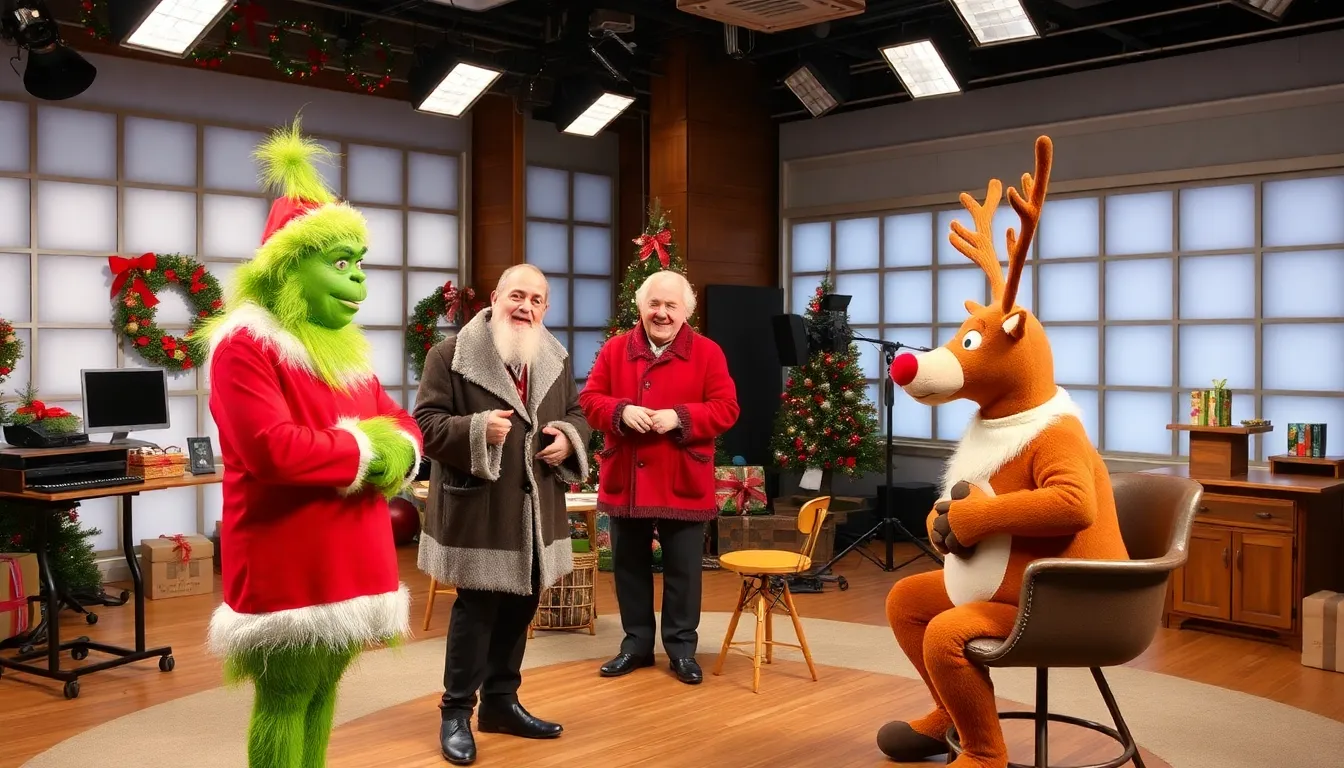
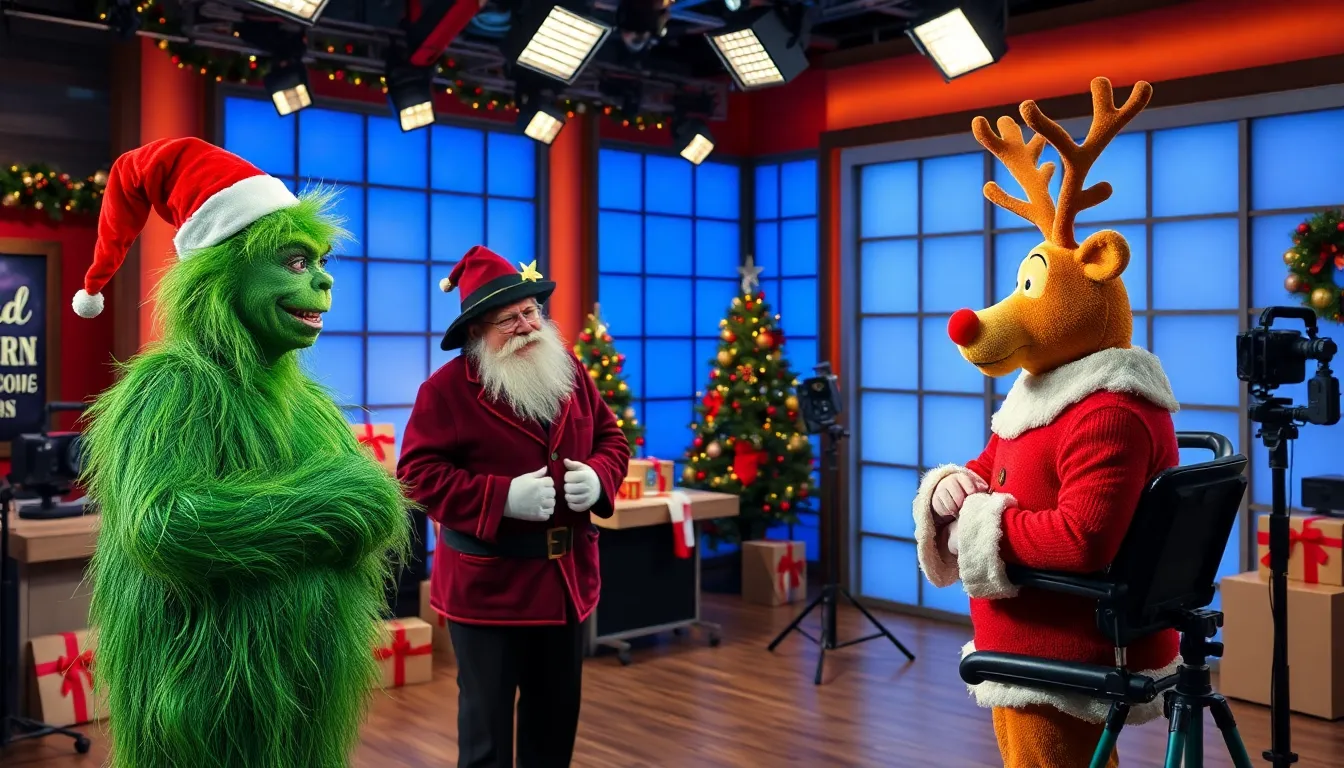
The sketch took a light-hearted approach, showcasing the characters in a mock interview format reminiscent of the original series. The Grinch, portrayed by a well-known cast member, delivered witty one-liners about his transformation from a Christmas-hating recluse to a holiday enthusiast. Meanwhile, Scrooge, played by another current SNL star, reflected on his past with a comedic twist, emphasizing the absurdity of his miserly ways.
Rudolph, featuring a guest appearance by a popular actor, added a whimsical touch to the skit, discussing his journey to acceptance among other reindeer. The portrayal of these beloved characters resonated with audiences, as it combined nostalgia with contemporary humor. The segment’s blend of satire and festive cheer underscored SNL’s ongoing commitment to timely and relevant comedy.
This parody not only entertained viewers but also highlighted the cultural significance of holiday classics and their adaptations in modern media. By drawing parallels between the characters’ stories and current societal themes, SNL provided a fresh perspective on familiar narratives, making it a standout moment in this season’s lineup. For more on the impact of parody in modern media, check out our article on SZA’s criticism of the White House’s use of SNL songs.
Understanding the significance of the Actors on Actors series
The Actors on Actors series, produced by Variety, has become a hallmark of the entertainment industry, showcasing in-depth conversations between some of the most acclaimed actors in Hollywood. Launched in 2013, the series provides a platform for actors to discuss their craft, share experiences, and delve into the intricacies of their roles. This initiative not only highlights individual performances but also fosters a sense of community among artists, bridging gaps between different genres and styles.
Historically, the series reflects a broader trend in media where audiences crave more authentic and personal insights into the lives of their favorite stars. As streaming platforms and social media have evolved, the demand for behind-the-scenes content has surged. Actors on Actors addresses this desire, offering a unique glimpse into the creative processes and personal anecdotes of celebrated performers, thus enhancing the viewer’s connection to their work.
In recent years, the cultural significance of the series has expanded to include thematic editions, such as the holiday characters edition featured in the recent ‘SNL’ parody. This particular installment taps into the nostalgia and warmth associated with classic holiday figures like The Grinch, Scrooge, and Rudolph, allowing actors to explore these iconic roles while simultaneously engaging with the audience’s seasonal sentiments. To learn about another unique blend of genres, read our take on the Hope Valley prequel.
The impact of parody in modern media
Parody has long been a powerful tool in media, allowing creators to comment on and critique popular culture. ‘SNL’ has a storied history of using parody to reflect societal trends and current events, making it an ideal platform to spoof the Actors on Actors series. By infusing humor into holiday characters, the show not only entertains but also prompts audiences to reconsider their perceptions of these beloved figures. This interplay between serious artistic discussion and lighthearted parody underscores the dynamic nature of contemporary entertainment.
Exploring the cultural impact of holiday character parodies
The recent parody of Variety’s Actors on Actors series by ‘SNL’ featuring iconic holiday characters such as The Grinch, Scrooge, and Rudolph highlights the intersection of entertainment and cultural tradition. This satire not only entertains but also invites audiences to reflect on the enduring relevance of these characters in contemporary society.
Key stakeholders in this scenario include the creators of ‘SNL’, the actors portraying these beloved characters, and the audience that consumes this content. The interests of ‘SNL’ lie in maintaining its reputation for sharp satire and cultural commentary, while actors seek to connect with viewers through familiar narratives. Audiences, on the other hand, are drawn to the humor and nostalgia that these characters evoke during the holiday season.
However, this parody raises several conflicts and trade-offs. For instance, while ‘SNL’ aims to entertain, it must also navigate the fine line between parody and potential copyright infringement. The portrayal of these characters could lead to legal challenges from rights holders, particularly if the depictions are viewed as derogatory or damaging to the original narratives.
- Legal Issues: The potential for copyright claims from the original creators and rights holders of the holiday characters.
- Economic Considerations: The impact of parody on merchandise sales and brand reputation of the original characters.
- Cultural Relevance: The challenge of keeping classic characters relevant in a rapidly changing societal context.
- Audience Reception: The risk of alienating fans who hold traditional views of these characters.
In summary, the ‘SNL’ parody serves as a microcosm of broader cultural dialogues, where humor meets tradition, and legal considerations intertwine with artistic expression. The stakeholders involved must carefully navigate these complexities to ensure that their interests align while fostering a shared cultural experience.
How the parody influences audience perceptions of classic characters
The recent parody of Variety’s Actors on Actors series by ‘SNL’ featuring beloved holiday characters like The Grinch, Scrooge, and Rudolph has the potential to impact various groups and industries. Primarily, the entertainment industry, including television networks, film studios, and streaming services, stands to be affected as they navigate the cultural relevance of these iconic figures. For insights on international implications in media, see Macron’s address about Ukraine’s security concerns.
In the short term, audiences may experience a renewed interest in classic holiday stories, leading to increased viewership of related films and shows. This surge in popularity can boost merchandise sales, as consumers seek out products associated with these characters. Additionally, social media platforms may see spikes in engagement as fans share their reactions to the parody, creating a buzz that can influence marketing strategies for holiday-themed content.
In the mid-term, the parody could reshape how these classic characters are perceived by younger audiences who may not have a strong connection to the original narratives. This shift presents both risks and opportunities for content creators. On one hand, there is a risk of diluting the traditional values associated with these characters; on the other hand, it offers an opportunity to modernize their stories and make them more relatable to today’s viewers.
- Increased merchandise sales due to renewed interest in holiday characters.
- Boosted social media engagement as audiences react to the parody.
- Shifts in character perception among younger demographics.
- Opportunities for new content that modernizes classic narratives.
Moreover, the parody could influence advertising strategies, as companies may look to align their holiday campaigns with the humor and themes presented in the skit. This trend could lead to innovative collaborations between brands and content creators, ultimately shaping the holiday marketing landscape.
A: The SNL parody featured iconic holiday characters including The Grinch, Scrooge, and Rudolph, each portrayed in a humorous light. A: This special holiday edition of SNL aired during the festive season, aligning with the release of its annual holiday sketches. A: This parody stands out by directly referencing the format of Variety’s Actors on Actors series, adding a unique twist to traditional holiday humor. A: Audience reactions have been largely positive, with many appreciating the clever integration of classic characters into a contemporary format. A: Yes, several cast members delivered standout performances, bringing their own interpretations to these beloved characters.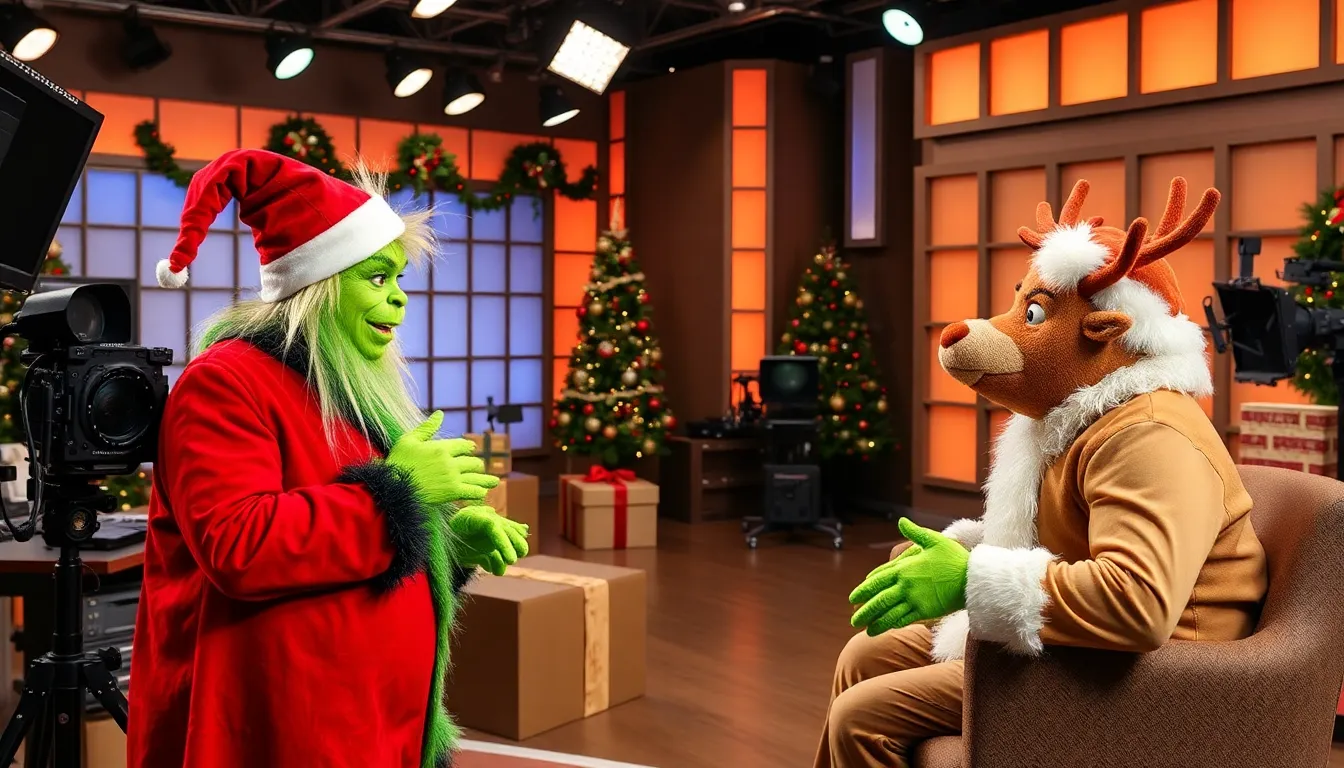
Frequently asked questions about the SNL parody
Key takeaways and future outlook on holiday parodies
The recent parody of Variety’s Actors on Actors series by ‘SNL’ highlights the enduring appeal of classic holiday characters such as The Grinch, Scrooge, and Rudolph. This comedic take not only underscores the cultural significance of these figures but also illustrates how contemporary media can reinterpret and revitalize traditional narratives for modern audiences. As the holiday season approaches, the intersection of nostalgia and humor presents opportunities for creative expression and audience engagement.
Looking ahead, the blending of established holiday lore with current pop culture trends could pave the way for more innovative content. This approach may encourage other shows to explore similar themes, providing fresh perspectives on beloved stories while maintaining their relevance in today’s entertainment landscape.
- The success of holiday-themed parodies may inspire more shows to explore classic characters in new contexts.
- Engaging with nostalgia could enhance viewer connection and loyalty during the holiday season.
- Expect a rise in cross-platform collaborations that merge traditional narratives with modern storytelling techniques.
- Comedic reinterpretations can serve as a vehicle for social commentary, reflecting contemporary issues through the lens of holiday classics.
- Audiences may increasingly seek out content that combines humor with familiar holiday themes, influencing programming decisions across networks.