


On October 25, 2023, Macron publicly refuted the assertions, stating that he never issued such a warning to Ukrainian officials. His comments came in response to reports suggesting that he advised Kyiv to prepare for a possible shift in U.S. policy, particularly in light of changing political dynamics in Washington. This situation mirrors the complexities discussed in our article about how a US-hijacked UN report can influence geopolitical narratives.
The context of these statements is significant, as U.S. support has been a cornerstone of Ukraine’s resistance efforts since the onset of the war in February 2022. With the U.S. Congress debating future aid packages, the implications of any perceived lack of commitment could impact Ukraine’s military strategy and morale.
Macron’s remarks highlight the delicate balance European leaders must maintain in their relations with both Ukraine and the United States. As the situation evolves, the implications of these diplomatic exchanges will be closely monitored by international observers and stakeholders invested in the outcome of the conflict.
Understanding the geopolitical landscape of the Ukraine conflict
The ongoing conflict in Ukraine has its roots in a complex interplay of historical, political, and social factors that have evolved over decades. The annexation of Crimea by Russia in 2014 marked a significant turning point, leading to heightened tensions between Russia and Western nations, particularly the United States and European Union. This event not only challenged the post-Cold War order but also raised concerns about Russia’s intentions in Eastern Europe and its willingness to use military force to achieve its objectives.
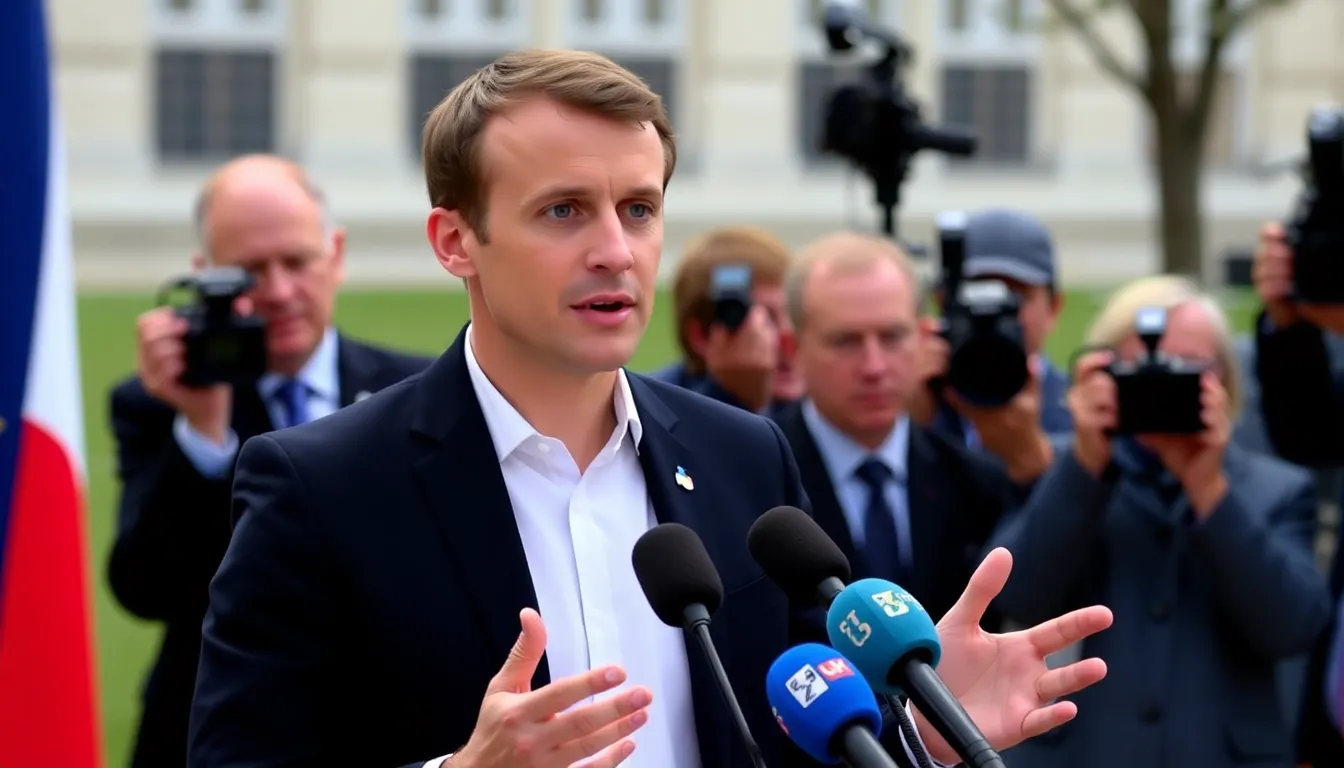
In the years following the annexation, Ukraine found itself at the center of a broader geopolitical struggle. The pro-Western government in Kyiv sought closer ties with NATO and the EU, while Russia aimed to maintain its influence over Ukraine and prevent its integration into Western institutions. This tug-of-war has led to ongoing military confrontations, economic sanctions, and diplomatic efforts to resolve the crisis, with varying degrees of success.
The role of international diplomacy
International diplomacy has played a crucial role in addressing the conflict, with various peace initiatives and negotiations taking place over the years. The Minsk agreements, aimed at de-escalating the situation, have seen limited implementation, and the situation remains fragile. France, under President Emmanuel Macron, has positioned itself as a key player in these diplomatic efforts, often advocating for dialogue with Russia while also supporting Ukraine’s sovereignty. However, recent statements attributed to Macron regarding potential US betrayal have sparked controversy and raised questions about the coherence of Western support for Ukraine, drawing parallels with personal challenges faced by figures in the public eye.
As the conflict has continued, the economic implications have also become evident. The war has disrupted trade routes, affected energy supplies, and led to significant humanitarian challenges within Ukraine. The international community’s response, including financial aid and military support for Ukraine, has underscored the importance of solidarity among Western allies, but it has also highlighted the delicate balance of interests at play.
Ultimately, the situation in Ukraine remains a focal point of international relations, with the potential for escalation or resolution hinging on the actions of key players, including the US, EU, and Russia. Understanding the historical context and the motivations behind each actor’s decisions is essential for comprehending the current dynamics of the conflict.
Key stakeholders and their interests in the Ukraine situation
The ongoing conflict in Ukraine has drawn in a multitude of stakeholders, each with distinct interests and objectives. The primary actors include the Ukrainian government, the Russian government, the United States, the European Union, and NATO. Understanding their motivations is crucial to grasping the complexities of the situation.
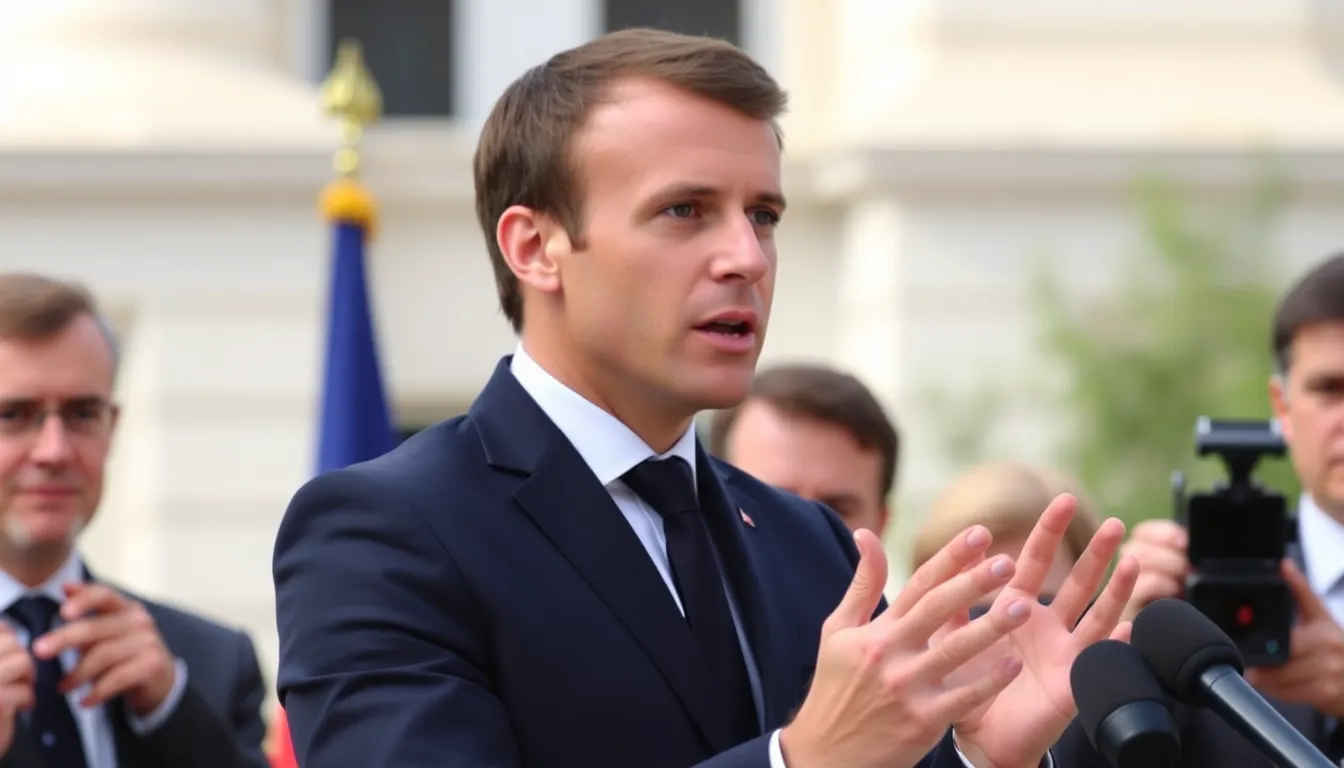
The Ukrainian government, led by President Volodymyr Zelensky, seeks to maintain its sovereignty and territorial integrity in the face of Russian aggression. Their interests are focused on securing military and humanitarian aid from Western allies, as well as pursuing diplomatic solutions to restore peace. A successful defense against Russian advances is paramount for Ukraine, as it directly impacts their national identity and governance, much like how a YouTuber’s actions can edify societal discussions about accountability.
Russia, under President Vladimir Putin, aims to reassert its influence in the region and prevent Ukraine from aligning more closely with Western institutions like NATO and the EU. This geopolitical strategy includes maintaining control over Crimea and supporting separatist movements in Eastern Ukraine. Russia’s interests also extend to showcasing military strength and deterring perceived threats from NATO expansion.
The United States has a vested interest in supporting Ukraine as part of its broader strategy to counter Russian influence in Europe. Washington’s assistance includes military aid, economic support, and diplomatic backing. The U.S. aims to uphold international norms and deter aggression, while also managing its own domestic political considerations regarding foreign aid and military involvement.
- European Union: The EU is focused on maintaining regional stability and supporting Ukraine’s sovereignty, while also dealing with the economic ramifications of the conflict, including energy security and refugee crises.
- NATO: NATO’s interests lie in collective defense and deterrence against Russian expansionism, ensuring member states feel secure while also managing the risks of escalation.
- International Organizations: Bodies like the United Nations and the Organization for Security and Co-operation in Europe (OSCE) aim to mediate and monitor the situation, advocating for humanitarian assistance and conflict resolution.
Conflicts arise as these stakeholders navigate their competing interests. For example, while the U.S. and EU provide support to Ukraine, they must also consider the potential for escalating tensions with Russia. Legal and economic issues are intertwined, as sanctions against Russia may have repercussions for global markets and energy supplies, particularly in Europe. The balance between supporting Ukraine and avoiding a larger conflict remains a delicate challenge for all involved.
Potential implications for Ukraine and its allies
The ongoing geopolitical tensions surrounding Ukraine and its relationship with the United States have far-reaching implications for various groups, industries, and regions. Key stakeholders include the Ukrainian government, military forces, and citizens, as well as allied nations and defense contractors involved in providing support and resources to Ukraine.
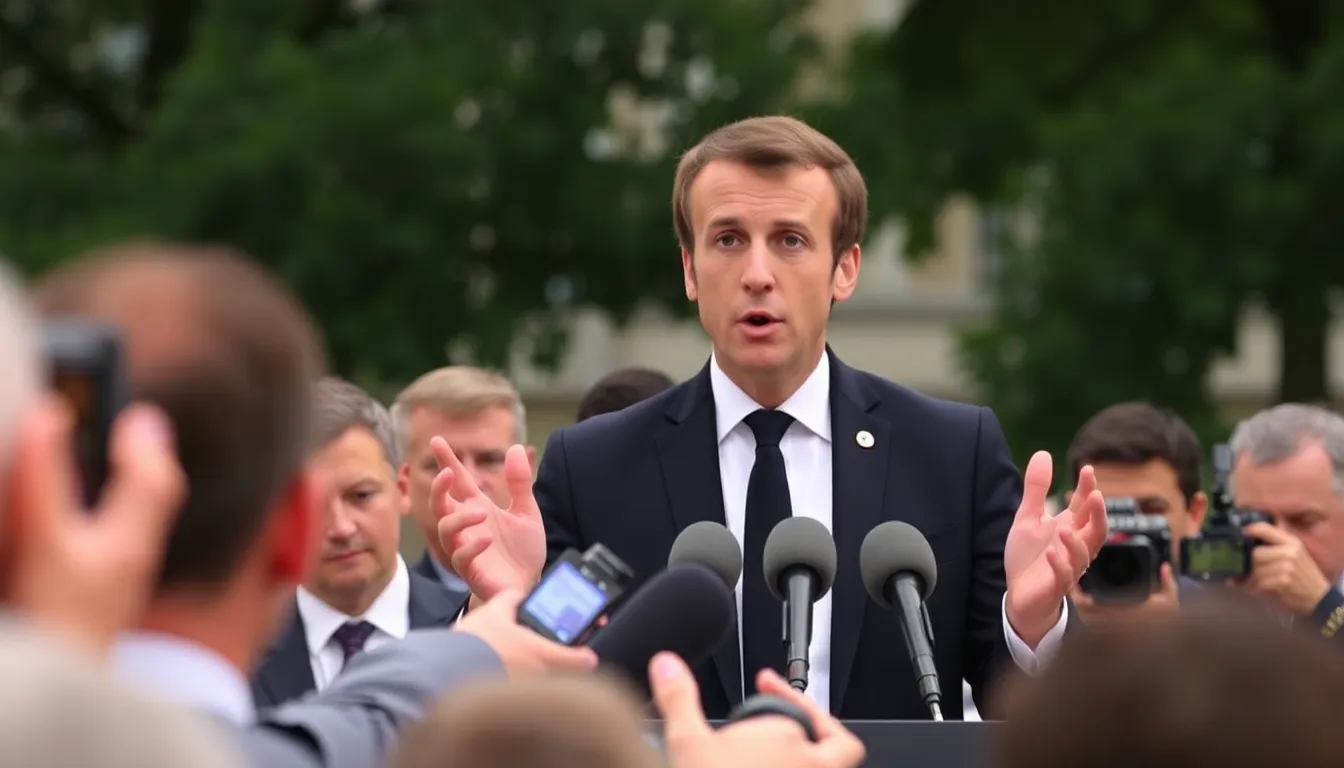
In the short term, uncertainty regarding U.S. commitment may lead to heightened anxiety among Ukrainian citizens and businesses. The fear of reduced military aid could impact daily life, as citizens may brace for potential escalations in conflict. Additionally, businesses that rely on stability and foreign investment may face immediate challenges, resulting in a cautious economic outlook.
In the mid-term, the potential risks of U.S. betrayal could alter the dynamics of international support for Ukraine. This may lead to shifts in policy among allied nations, with some countries reconsidering their own commitments based on perceived U.S. reliability. However, this scenario could also present opportunities for Ukraine to strengthen ties with other global partners, seeking alternative sources of military and economic support.
- Risks: Increased instability in Ukraine, reduced foreign investment, and potential shifts in alliances.
- Opportunities: Strengthening relationships with non-Western allies, exploring new trade partnerships, and enhancing domestic resilience.
Industries such as defense, energy, and technology may also experience fluctuations as a result of these developments. Defense contractors could see increased demand for innovative solutions to support Ukraine’s military needs, while energy companies might explore new avenues for collaboration as Europe reassesses its energy dependencies amidst the conflict.
A: Macron denied warning Ukraine about a potential betrayal by the US, emphasizing the importance of continued support for Ukraine. A: This denial is significant as it reflects the complexities of international relations and the trust between Ukraine and its allies. A: Ukraine may need to reassess its diplomatic strategies in light of perceived uncertainties regarding US support. A: Other countries are closely monitoring the situation, as it could influence their own diplomatic stances and support for Ukraine. A: Macron’s statements could impact the dynamics of NATO and the EU’s collective response to the Ukraine conflict.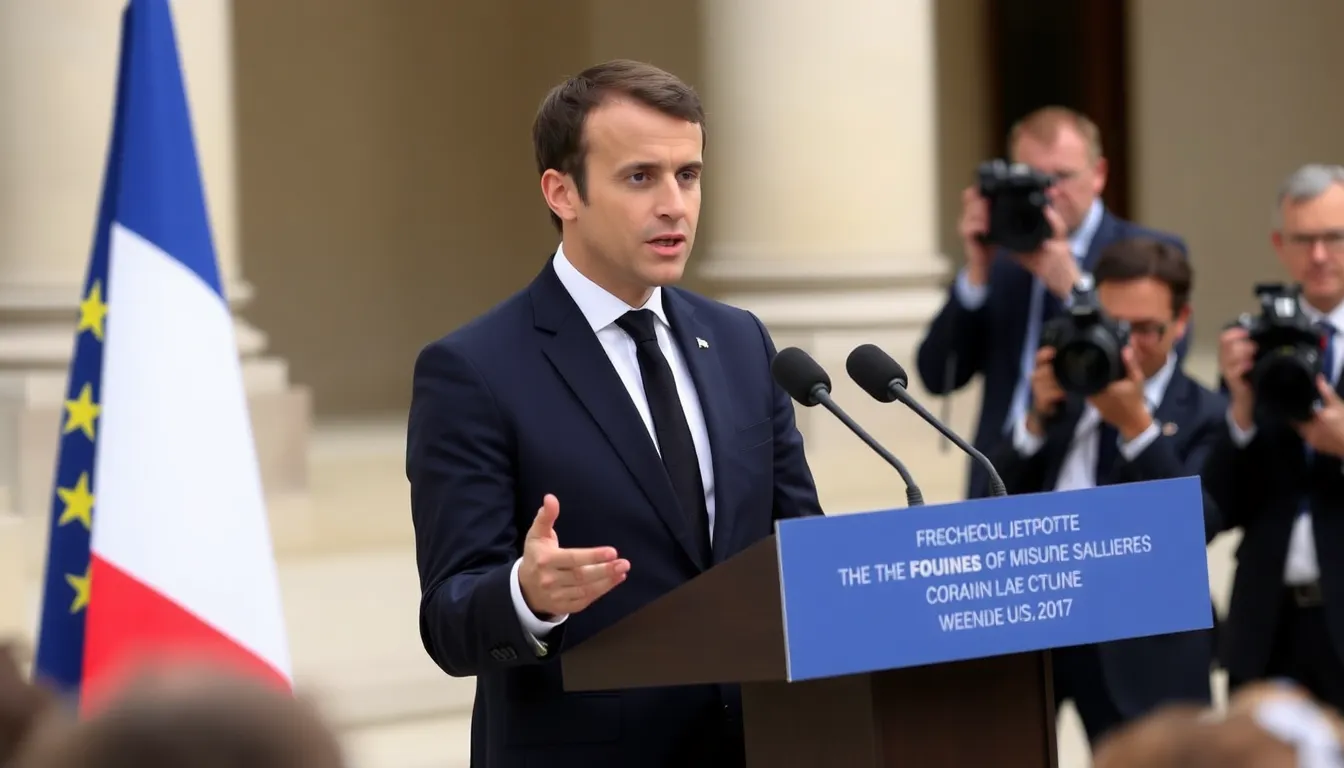
Frequently asked questions about Macron’s statements
Insights on the future of Ukraine’s international relations
The recent statements from French President Emmanuel Macron regarding Ukraine’s relationship with the United States have sparked significant discussion about the dynamics of international alliances. As tensions continue in Eastern Europe, the clarity of communication among allies is essential for maintaining a united front against aggression. The implications of Macron’s remarks highlight the delicate balance of trust and strategic interests that underpin Ukraine’s foreign relations.
Moving forward, it will be crucial to monitor how these diplomatic exchanges influence not only Ukraine’s interactions with Western powers but also the broader geopolitical landscape. Observers should be particularly attentive to the responses from both the U.S. and Ukraine as they navigate their partnership amidst growing concerns of potential shifts in support.
- Watch for increased dialogue between Ukraine and its Western allies to reaffirm commitments and strategies.
- Monitor U.S. responses to Macron’s comments, which may indicate shifts in policy or military support for Ukraine.
- Consider the potential impact of these discussions on NATO’s cohesion and collective defense strategies.
- Keep an eye on public sentiment in Ukraine regarding international support, as it may influence domestic political dynamics.
- Evaluate the role of other global players, such as China and Russia, in exploiting any perceived rifts among Western allies.