


However, the performance was not without controversy. Carpenter’s use of explicit language, including several F-words, raised eyebrows among censors and viewers alike. The decision to include such language during a live broadcast of one of music’s most prestigious events sparked discussions about artistic expression versus broadcast standards, which can be further explored in Sabrina Carpenter Takes Flight at Grammys With Manchild Performance.
The reaction to Carpenter’s performance has been mixed, with some praising her boldness and others criticizing her choice of language. This incident highlights the ongoing debate regarding content regulations in the entertainment industry, particularly in live performances that reach a wide audience. As artists continue to push boundaries, the implications for censorship and creative freedom remain a key issue.
As the Grammy Awards continue to evolve, Carpenter’s performance serves as a reminder of the challenges artists face in balancing their artistic vision with societal expectations. The event not only celebrates musical achievements but also reflects the cultural conversations surrounding language, expression, and the media’s role in shaping public discourse.
The significance of Sabrina Carpenter’s song ‘Manchild’
Sabrina Carpenter’s performance of ‘Manchild’ at the Grammys not only showcased her vocal prowess but also highlighted the evolving landscape of pop music and its intersection with social commentary. The song addresses themes of maturity and the struggles of navigating relationships, particularly with those who exhibit immaturity. This resonates with a generation grappling with the complexities of adulthood and accountability, as discussed in Sabrina Carpenter Takes Flight at Grammys With Manchild Performance.
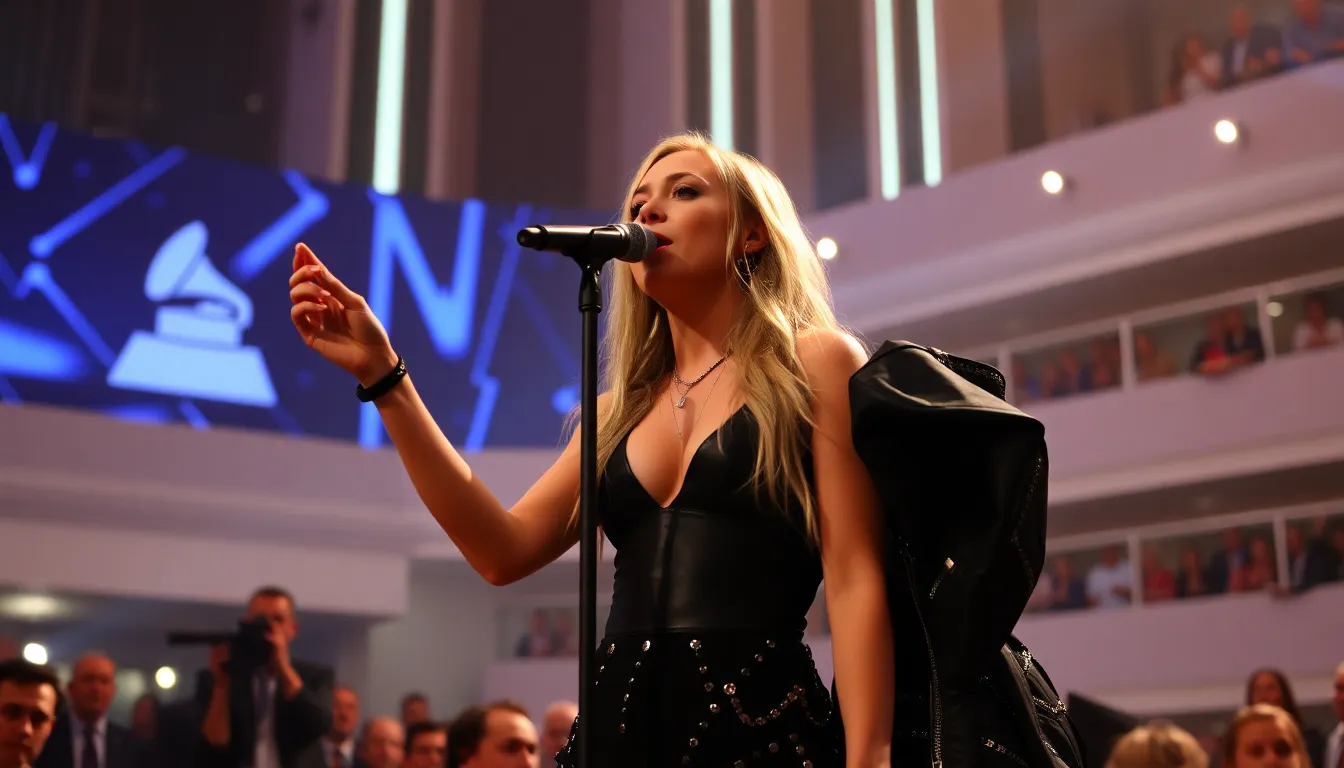
Historically, the Grammys have served as a platform for artists to not only celebrate their musical achievements but also to push boundaries and address societal issues. From the politically charged performances of artists like Bob Dylan and Public Enemy to contemporary acts like Billie Eilish and Lizzo, the awards show has a legacy of spotlighting voices that challenge the status quo. Carpenter’s bold use of explicit language during her performance is a continuation of this tradition, reflecting a growing acceptance of candid expression in mainstream music.
The evolution of lyrical content in pop music
Over the years, the lyrical content of pop music has evolved significantly, with artists increasingly using their platforms to express raw emotions and tackle difficult subjects. In the past, explicit language was often relegated to underground genres, but as societal norms shift, mainstream artists like Carpenter have begun to incorporate it into their work. This change not only mirrors the realities of modern life but also invites discussions about censorship and artistic freedom.
The use of explicit language in music has sparked debates about censorship and the responsibilities of artists. In recent years, there have been numerous instances where the boundaries of acceptable content have been tested, leading to a reevaluation of what is deemed appropriate for public consumption. Carpenter’s performance serves as a reminder of the ongoing dialogue surrounding artistic expression, particularly in environments like the Grammys, where the intersection of entertainment and morality is frequently scrutinized.
Ultimately, Sabrina Carpenter’s ‘Manchild’ performance at the Grammys marks a significant moment in the ongoing evolution of pop music, reflecting both personal and societal narratives. As artists continue to challenge conventions and push boundaries, the conversation surrounding the role of explicit content in music will likely persist, influencing future generations of musicians and their audiences.
The implications of explicit language in mainstream performances
Sabrina Carpenter’s performance at the Grammys, featuring explicit language, has sparked discussions among various stakeholders, including artists, record labels, broadcasting networks, and regulatory bodies. Each of these actors has distinct interests that shape their responses to the use of profanity in mainstream performances.
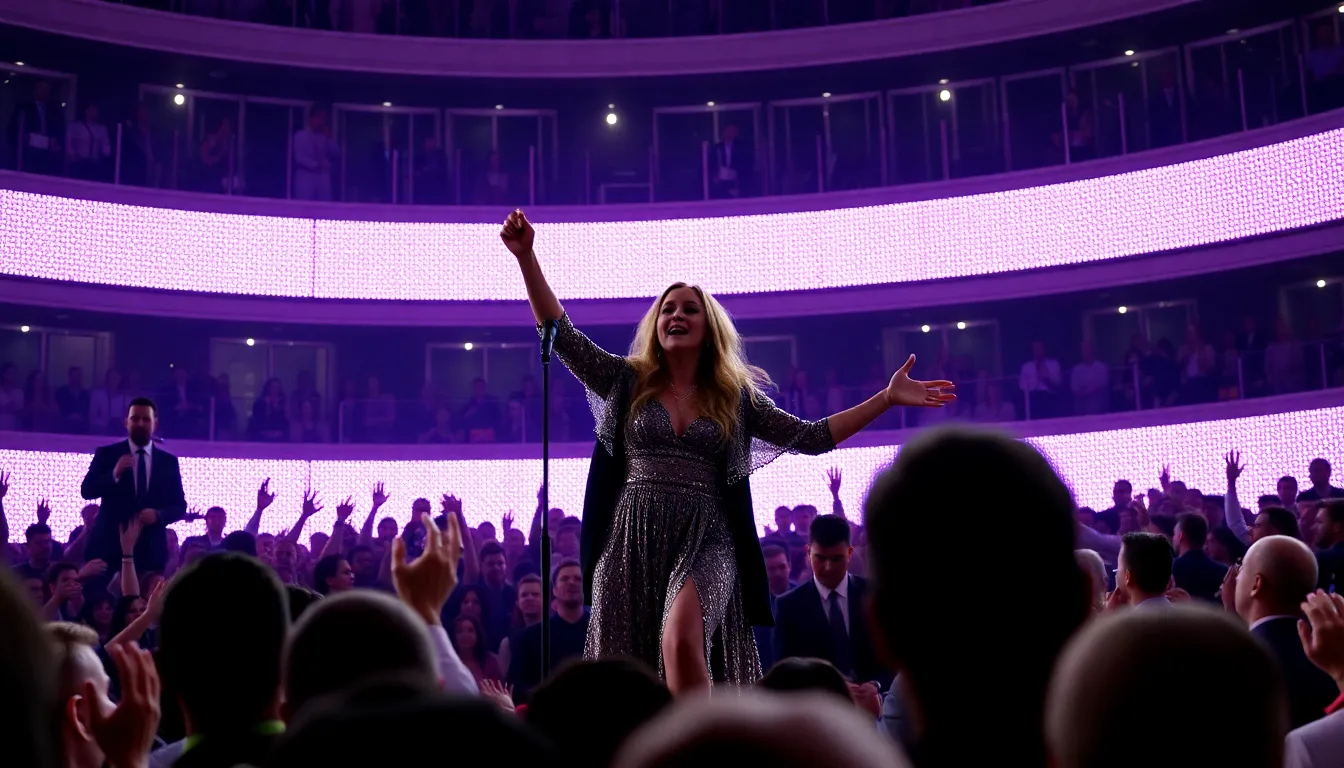
Artists like Carpenter often seek to express their authentic selves through their music and performances. The use of explicit language can be seen as a form of artistic freedom, allowing them to convey raw emotions and connect more deeply with their audience. However, this freedom can clash with the expectations of record labels and sponsors, who may prioritize a more sanitized image to appeal to broader demographics.
Broadcasting networks face the challenge of balancing creative expression with compliance to regulations set by governmental bodies, such as the Federal Communications Commission (FCC) in the United States. These regulations often impose fines for indecent content during certain hours, leading networks to carefully curate performances to avoid potential backlash and financial penalties.
- Artistic Expression: Artists advocate for creative freedom and the right to use language that reflects their lived experiences.
- Commercial Interests: Record labels and sponsors may push for more family-friendly content to maintain marketability and avoid alienating audiences.
- Regulatory Compliance: Broadcasting networks must navigate the legal landscape to avoid fines while still showcasing compelling performances.
- Audience Reception: Fans and viewers may have mixed reactions to explicit content, influencing future performance decisions and artist reputations.
In this complex landscape, the trade-offs between artistic integrity and commercial viability become apparent. As artists push boundaries, they must also consider the implications of their choices on their careers and the industry as a whole. The ongoing debate surrounding explicit language in performances reflects broader societal attitudes towards censorship, freedom of expression, and the evolving standards of what is deemed acceptable in popular culture, echoing themes found in Exploring the Severity of A.I. Delusions.
Audience reactions and industry responses to the performance
Sabrina Carpenter’s bold performance at the Grammys, particularly her use of explicit language, has stirred reactions across various demographics, including fans, parents, and industry professionals. The immediate audience, primarily young adults and teens, has largely embraced her authenticity and artistic expression, while some older viewers and parents have expressed concern over the appropriateness of her language during a widely televised event.
This performance impacts the music industry by prompting discussions around censorship and artistic freedom. Record labels and artists may feel encouraged to take more creative risks, potentially leading to a surge in content that challenges conventional norms. However, this could also lead to backlash from conservative groups advocating for stricter content regulations, creating a dichotomy in audience reception.
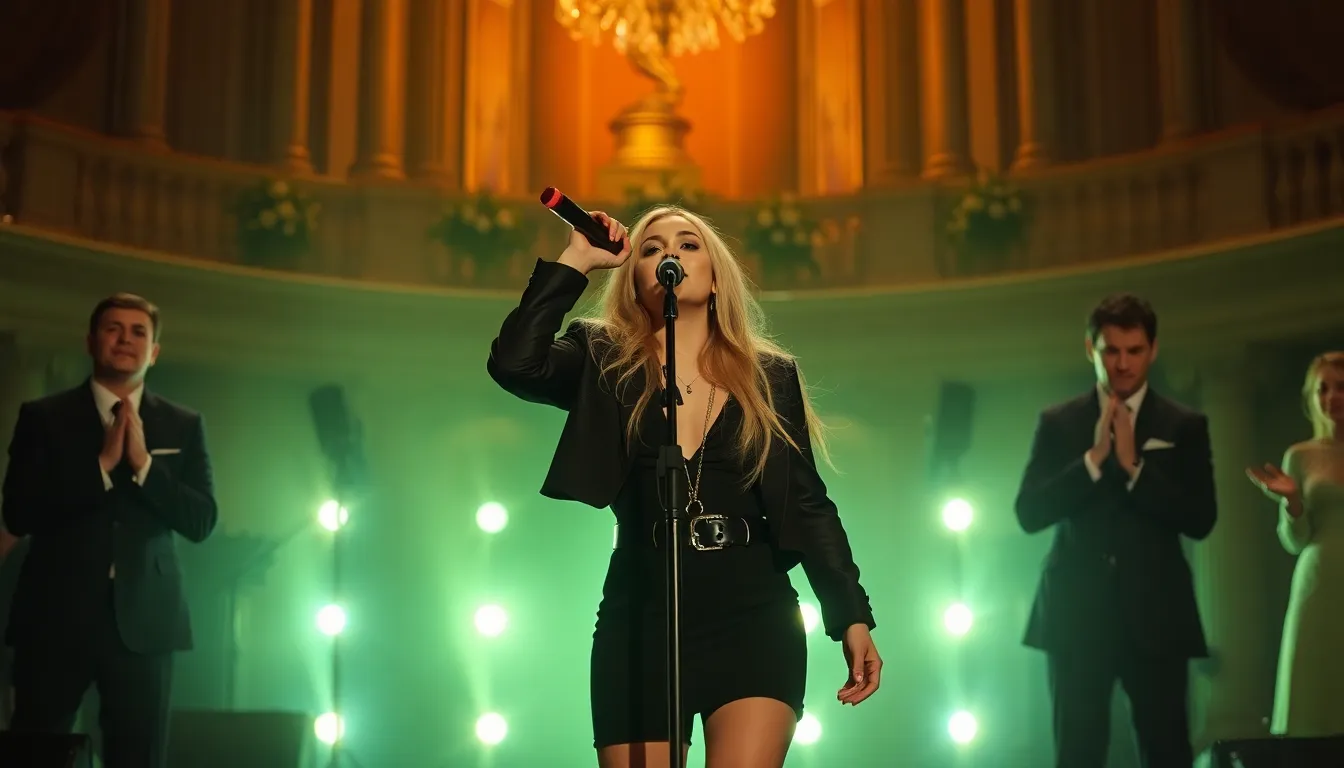
In the short term, businesses associated with the music and entertainment sectors may see fluctuations in engagement and sales. For instance, merchandise related to Carpenter’s performance could experience a spike, while platforms that host her music might face increased scrutiny regarding content moderation. Additionally, parents may reassess their media consumption choices, leading to changes in viewership patterns.
- Short-term impacts: Increased sales of merchandise, fluctuating streaming numbers.
- Mid-term impacts: Potential shifts in content regulation policies, changes in audience demographics.
- Risks: Backlash from conservative groups, potential loss of sponsorships for explicit content.
- Opportunities: Greater artistic freedom for artists, potential for new audience engagement strategies.
Regions with more conservative cultural values may see a stronger backlash, while urban areas with more liberal attitudes are likely to celebrate Carpenter’s performance. This geographical divide could influence how artists approach their performances and the type of content they produce in the future, as they navigate the complex landscape of audience expectations and regulatory pressures.
A: The audience had a mixed reaction, with some praising her boldness while others were shocked by the explicit language used during the performance. A: Carpenter aimed to express authenticity and connect with her audience on a deeper level, reflecting the raw emotions of her song ‘Manchild’. A: The performance tested censors, as it included several F-words, leading to discussions about the boundaries of language in live performances. A: ‘Manchild’ addresses themes of maturity and the challenges of growing up, highlighting the contrast between youthful behavior and adult responsibilities. A: Given her recent performance, it seems likely that Carpenter will continue to explore bold themes and language in her future work.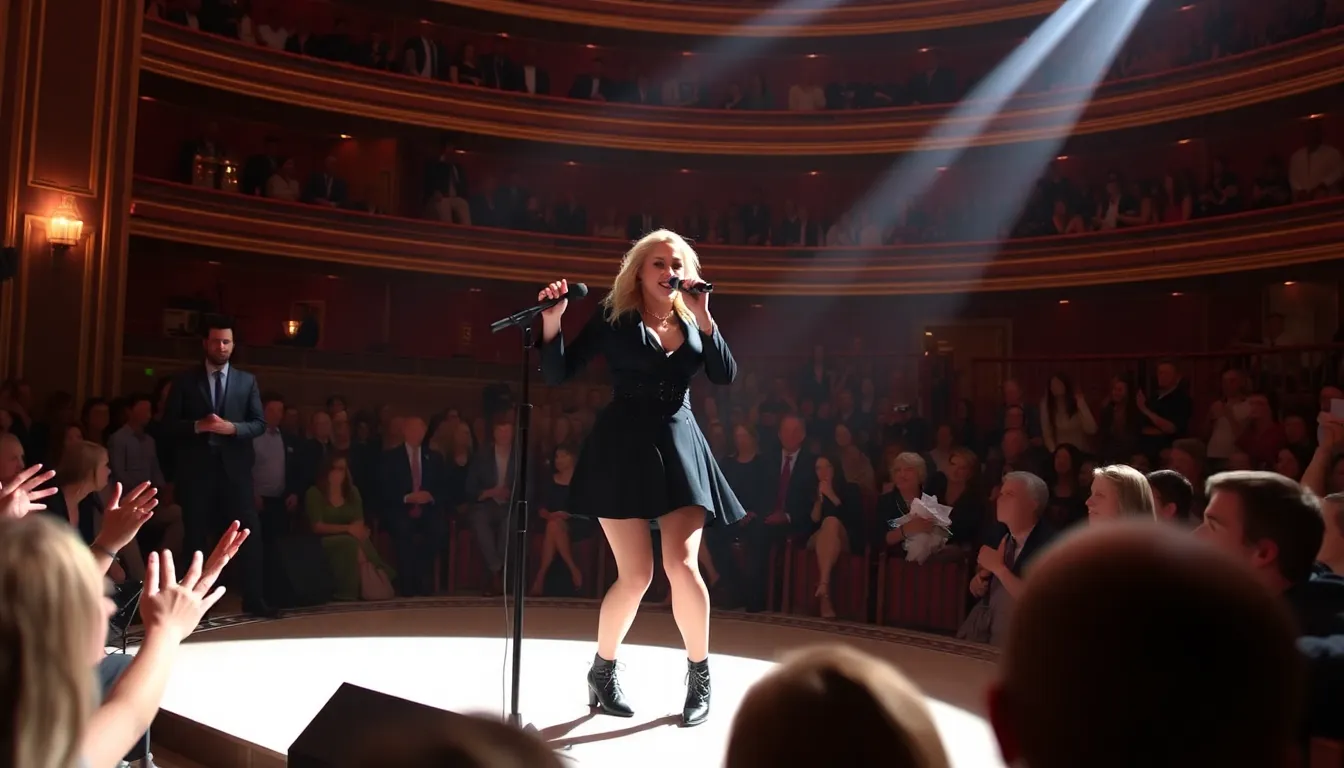
Frequently asked questions about Sabrina Carpenter’s performance
Key takeaways and future outlook for Sabrina Carpenter
Sabrina Carpenter’s bold performance at the Grammys, particularly her rendition of “Manchild,” has not only showcased her artistic evolution but also highlighted the ongoing conversation about artistic expression and censorship in the music industry. As she navigates the complexities of her career, Carpenter’s willingness to push boundaries may resonate with a generation seeking authenticity in their artists.
Looking ahead, Carpenter’s trajectory suggests a potential shift in how pop artists engage with their audiences, particularly regarding lyrical content and live performances. The reactions to her performance could influence other artists to embrace more candid expressions in their work, possibly reshaping industry standards for what is deemed acceptable in mainstream music.
- Expect increased discussions around censorship and artistic freedom in the music industry.
- Watch for potential collaborations with artists who share a similar ethos of authenticity and boldness.
- Monitor audience reactions to her future performances, as they may guide her artistic choices.
- Consider the impact of her performance on younger artists who may feel empowered to express themselves more freely.