


During her set, Carpenter included provocative language, notably using explicit F-words that tested the limits of live television censorship. This moment sparked discussions about the balance between artistic freedom and broadcast standards, raising questions about how far performers can push boundaries in high-profile settings like the Grammys. The inclusion of such language in a mainstream awards show is a rarity, making her performance a topic of conversation among fans and critics.
The reaction to Carpenter’s performance was mixed, with some praising her for authenticity and others expressing concern over the appropriateness of her language in a family-oriented event. This dichotomy reflects broader societal debates about the normalization of explicit content in popular culture and its implications for younger audiences. As a rising star, Carpenter’s choices may influence future performances and the expectations placed on artists at major events.
As the music industry continues to evolve, Carpenter’s Grammy performance stands as a pivotal moment that highlights the ongoing conversation about censorship, artistic expression, and the role of live performances in shaping public discourse. With her bold approach, Carpenter not only entertained but also challenged the status quo, making her a significant figure in the current landscape of music and performance art.
The significance of the Grammys in the music industry
The Grammy Awards, established in 1959, have long been regarded as the pinnacle of recognition in the music industry. This annual event honors artistic and technical excellence in the recording arts, making it a crucial platform for artists to showcase their talent and gain visibility. Over the decades, the Grammys have evolved, reflecting changing musical trends and cultural shifts, while also serving as a barometer for the industry’s health and direction.
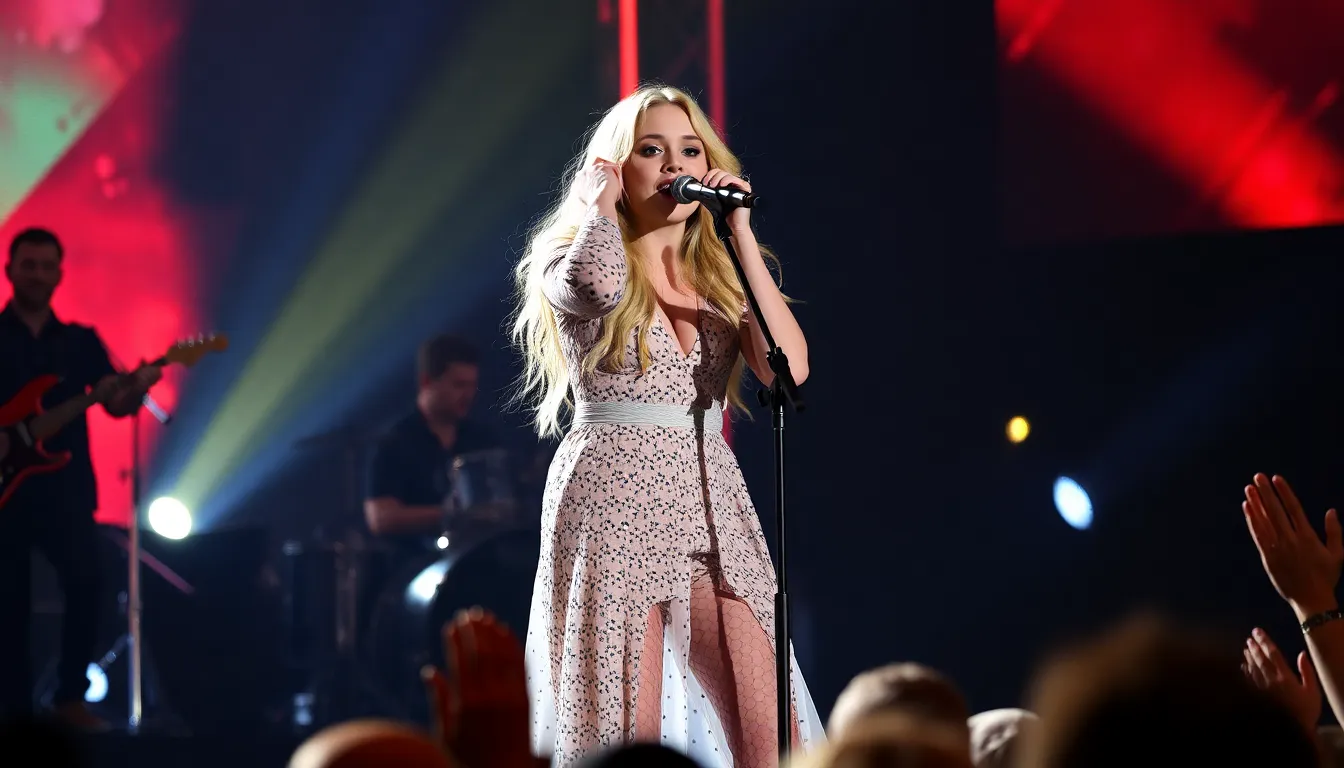
Historically, the Grammys have played a pivotal role in launching and solidifying the careers of numerous artists. Winning a Grammy can lead to increased sales, greater media exposure, and a lasting legacy within the industry. However, the awards have also faced criticism for their voting processes and perceived biases, particularly regarding genre representation and the recognition of diverse artists. Such controversies often spark discussions about the broader implications of these awards on the music landscape.
Impact of Cultural Shifts on Performance Norms
As societal norms evolve, so too do the expectations surrounding live performances at prestigious events like the Grammys. Artists are increasingly using their platforms to address social issues and express their authentic selves, which can challenge traditional boundaries. Sabrina Carpenter’s recent performance of “Manchild,” which included explicit language, is a prime example of this trend. Such moments reflect a growing acceptance of candid expression within the music industry, as well as the complexities of navigating censorship in a public forum.
The interplay between artistic expression and censorship has been a longstanding issue in the entertainment industry. The rise of social media and streaming platforms has further complicated this dynamic, allowing artists to reach audiences directly while also facing scrutiny from various stakeholders. Carpenter’s bold choice to incorporate F-words during her performance not only tested the limits of broadcast standards but also resonated with a younger audience that values authenticity over conformity.
Ultimately, the Grammys continue to serve as a significant touchpoint for discussions surrounding artistry, representation, and the evolving landscape of the music industry. As artists like Sabrina Carpenter push boundaries, they invite both applause and criticism, reflecting the ongoing dialogue about what it means to be a performer in today’s world.
Exploring the reactions to Carpenter’s bold choices
Sabrina Carpenter’s performance at the Grammys, particularly her rendition of “Manchild,” has sparked a significant conversation among various stakeholders in the music industry, including artists, record labels, and regulatory bodies. Each of these actors has distinct interests that shape their responses to Carpenter’s artistic expression and the language used in her performance.
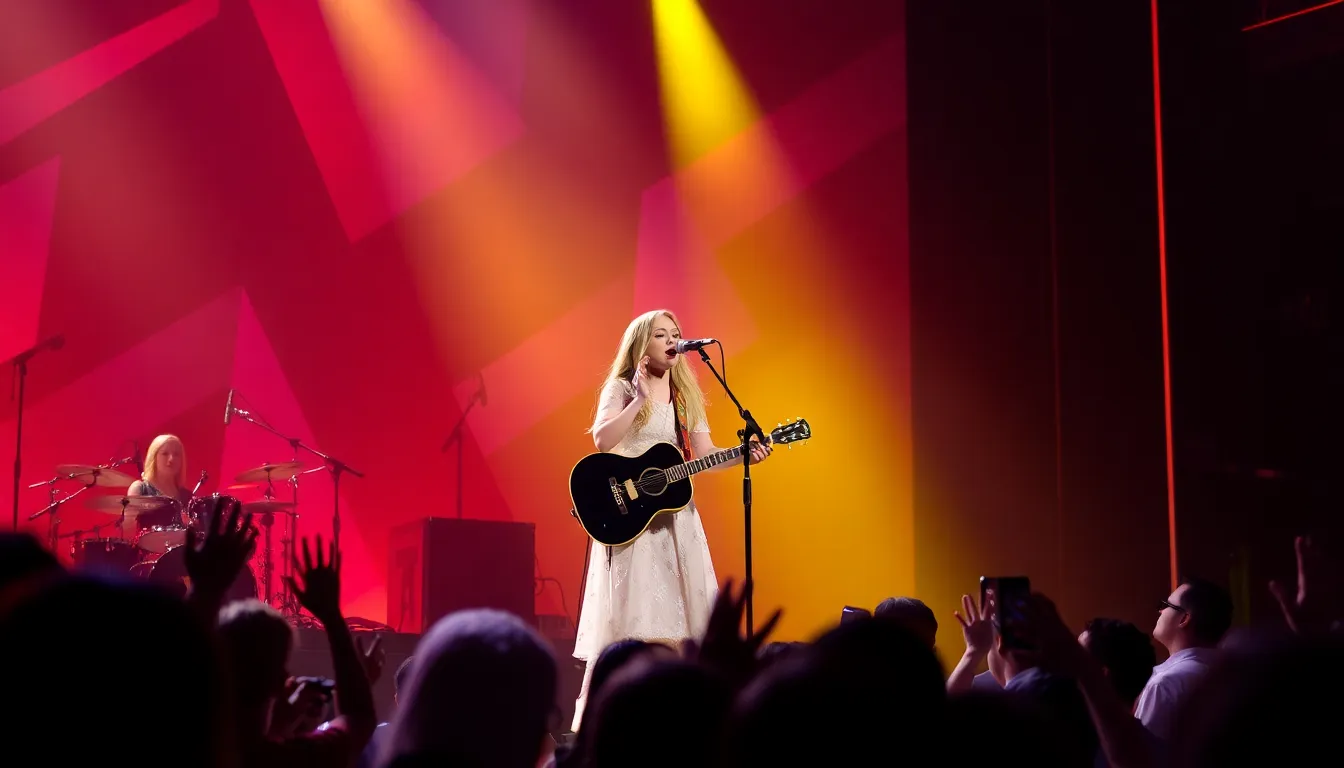
Artists like Carpenter often seek to push boundaries and express their individuality through their work. In this instance, Carpenter’s use of explicit language not only showcases her artistic freedom but also challenges the norms of mainstream performances. This bold choice may resonate with her fanbase, who appreciate authenticity and rawness in music, similar to the conversations sparked by other artists expressing their views.
Record labels, on the other hand, may have a vested interest in maintaining a certain image and adhering to industry standards. The use of explicit language can lead to conflicts regarding radio play and streaming services, where content guidelines may restrict the reach of such performances. Therefore, the balance between artistic expression and commercial viability remains a critical issue.
Regulatory bodies, including the Federal Communications Commission (FCC) in the United States, are tasked with overseeing broadcast content. The use of explicit language during a high-profile event like the Grammys could prompt discussions about censorship, particularly regarding what is deemed acceptable for public consumption. This raises questions about the limits of free speech in artistic contexts and the potential repercussions for artists who choose to challenge these boundaries.
- Artists advocating for creative freedom versus industry standards.
- Record labels balancing commercial interests with artistic expression.
- Regulatory bodies enforcing content guidelines and censorship.
- The impact of explicit language on audience reception and media coverage.
- Potential backlash or support from fans and advocacy groups.
The potential effects on artists and censorship
Sabrina Carpenter’s bold performance at the Grammys, featuring explicit language, has significant implications for various stakeholders within the music industry and beyond. Artists, record labels, and streaming platforms may find themselves navigating a complex landscape of artistic expression and regulatory scrutiny. The use of explicit language in mainstream performances could either challenge existing norms or reinforce censorship practices.
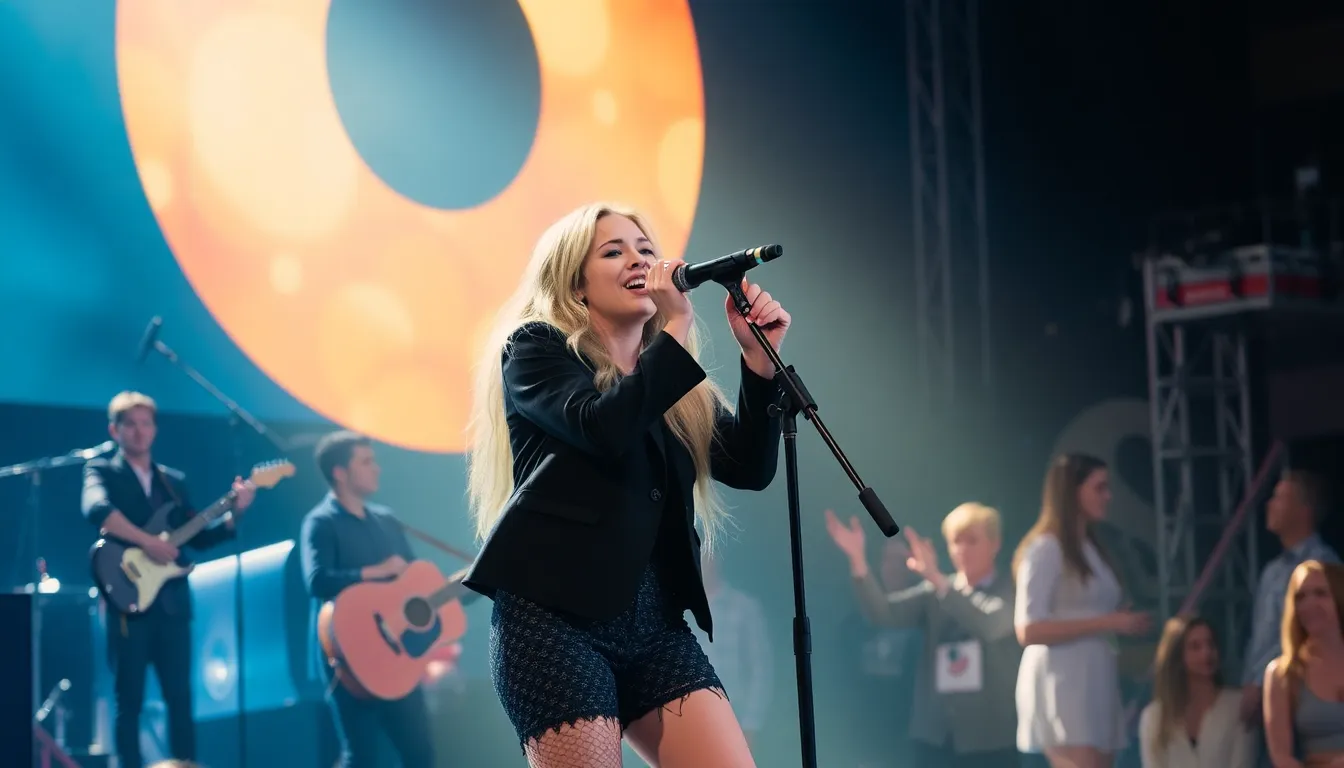
The immediate impact on artists is twofold. On one hand, performers may feel empowered to express their authentic selves, potentially leading to a surge in creativity and innovation in their work. On the other hand, they risk backlash from conservative audiences and industry gatekeepers who may impose stricter content guidelines. This situation could create a divide between artists who embrace explicit content and those who prefer to adhere to more traditional standards.
In the mid-term, the business landscape may shift as record labels reassess their marketing strategies. There could be a rise in demand for “clean” versions of songs and performances, catering to radio stations and family-friendly platforms. Conversely, this might open opportunities for niche markets that celebrate unfiltered artistic expression, allowing independent artists to flourish outside mainstream constraints.
- Risks: Potential backlash from audiences and advertisers, leading to financial repercussions.
- Opportunities: Increased visibility for artists who challenge norms and attract a dedicated fanbase.
- Industry Shift: Changes in content policies by streaming services and record labels.
Regions with more conservative cultural norms may experience heightened tensions as artists push boundaries, while more liberal areas could see a celebration of this type of expression. Additionally, policymakers might be prompted to revisit regulations surrounding artistic content in media, potentially leading to broader discussions about freedom of speech and artistic license.
A: Sabrina Carpenter’s performance of ‘Manchild’ was notable for its energetic delivery and the use of explicit language, which tested the boundaries of live television. A: The audience responded with enthusiasm, showcasing their support for Carpenter’s fearless artistic expression during the Grammys. A: Using explicit language at major events like the Grammys raises questions about censorship, artistic freedom, and the expectations placed on performers. A: While some viewers may have disapproved of the explicit content, many fans praised her for being authentic and bold in her artistic choices. A: Carpenter’s performance could inspire future artists to express themselves more freely, potentially shifting the norms around language and content in live performances.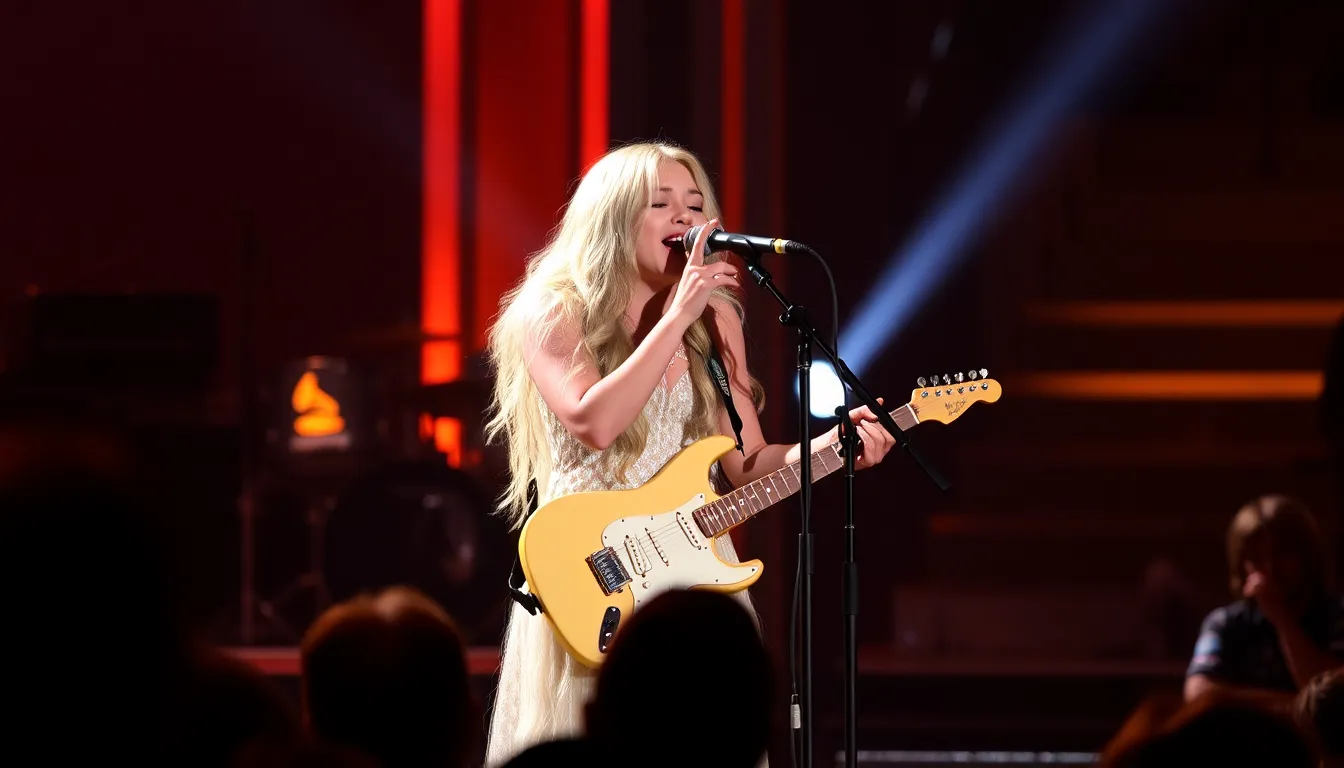
Frequently Asked Questions about the performance
Key takeaways from Sabrina Carpenter’s Grammy performance
Sabrina Carpenter’s performance at the Grammys showcased not only her vocal prowess but also her ability to push boundaries within the music industry. The bold use of language and themes in her song “Manchild” sparked conversations about artistic expression and the role of censorship in live performances. This moment reflects a broader trend where artists are increasingly willing to challenge societal norms and expectations, particularly in high-profile settings.
As the music industry continues to evolve, Carpenter’s performance serves as a reminder of the delicate balance between creativity and the constraints imposed by traditional media standards. Observers should consider the implications of her choices on future performances and the potential for more artists to follow suit in embracing authenticity over conformity.
- Artists may increasingly challenge censorship norms, leading to more provocative performances.
- The acceptance of explicit language in mainstream music could shift, influencing radio play and streaming platforms.
- Expect discussions around artistic freedom to intensify, impacting industry standards and practices.
- Carpenter’s boldness may inspire emerging artists to embrace their unique voices without fear of backlash.
- Live performances may become a key battleground for debates on freedom of expression in the arts.