


The air strike is part of Pakistan’s ongoing efforts to combat drug trafficking and its associated problems, which have become increasingly prevalent in the region. For more on similar incidents, you can read about dozens of medical workers killed in Israeli strikes on Lebanon. Afghan officials have condemned the strike, labeling it a violation of their sovereignty and expressing outrage over the loss of civilian lives.
Witnesses from the area described chaotic scenes following the air strike, with emergency services struggling to reach the site due to ongoing security concerns. The attack has reportedly affected not only those in the rehabilitation center but also nearby residents, highlighting the broader impact of military actions on civilian populations.
This incident underscores the fragile security situation in Afghanistan, where the Taliban government faces challenges in controlling various factions, including drug cartels. The repercussions of such military actions could further destabilize the region and complicate diplomatic relations between the two neighboring countries.
Understanding the background of drug rehabilitation in Afghanistan
Afghanistan has been at the epicenter of the global drug trade for decades, primarily due to its vast opium poppy cultivation. The country’s complex socio-political landscape, marked by decades of conflict, has exacerbated the drug problem, making it one of the largest producers of opium in the world. For further context on similar humanitarian issues, consider the article about a strike on a girls’ school in Iran. The rise in drug addiction has led to a pressing need for rehabilitation centers, which have become crucial in addressing the health crisis stemming from substance abuse.
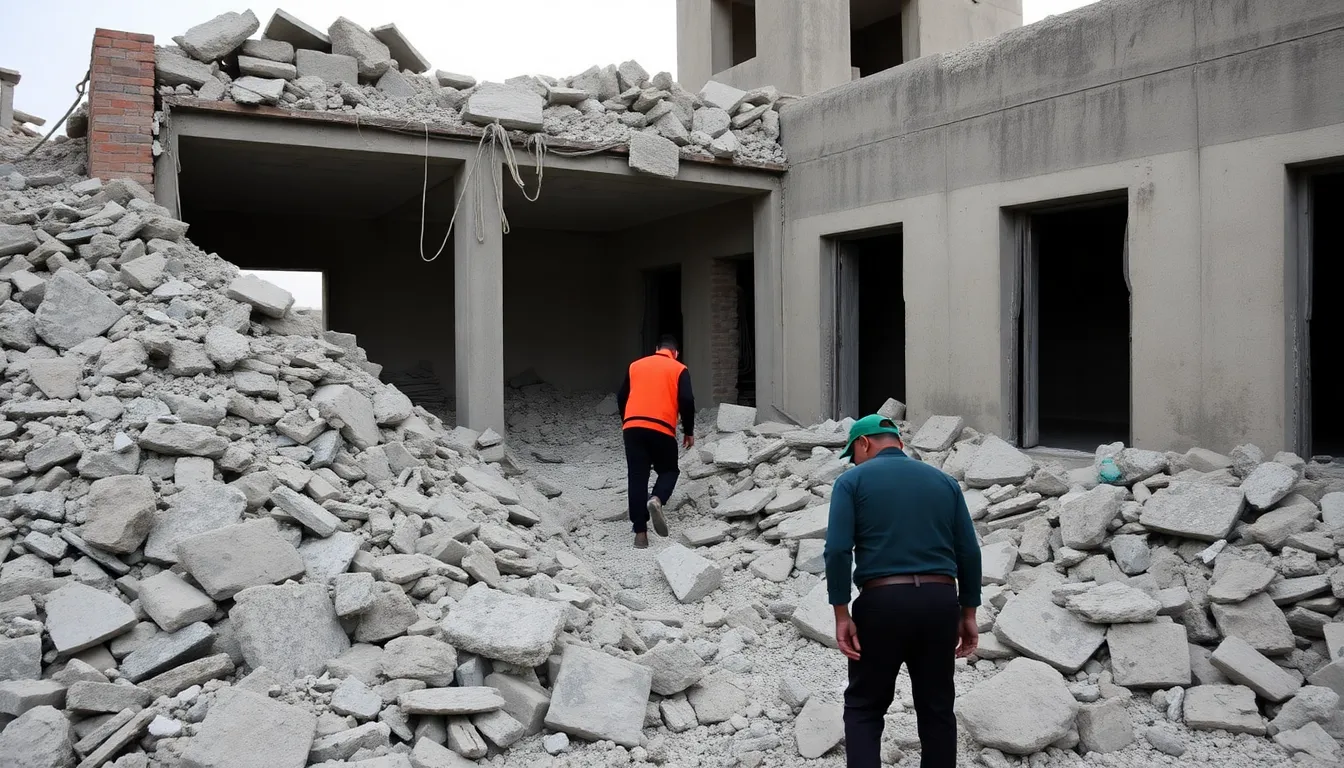
The historical context of drug addiction in Afghanistan can be traced back to the Soviet invasion in the late 1970s, which destabilized the region and led to a proliferation of the drug trade as a means of financing conflict. Over the years, various regimes, including the Taliban, have attempted to control opium production, but these efforts have often been undermined by ongoing violence and economic instability. As a result, drug rehabilitation centers have emerged as essential institutions, though they often operate under challenging conditions, lacking adequate resources and support.
The recent airstrike on a drug rehabilitation center in Kabul, which resulted in the tragic loss of at least 100 lives, highlights the intersection of drug policy and military operations in Afghanistan. This incident underscores the precarious situation faced by those seeking help for addiction, as well as the broader implications of military actions in civilian areas. The airstrike has drawn international condemnation and raised questions about the effectiveness and morality of using military force in such contexts.
The Role of International Aid and Intervention
International aid has played a significant role in shaping drug rehabilitation efforts in Afghanistan. Various NGOs and foreign governments have invested in programs aimed at combating addiction and providing support to rehabilitation centers. However, the effectiveness of these initiatives has often been hindered by corruption, lack of infrastructure, and ongoing violence. The reliance on foreign aid has created a dependency that complicates the long-term sustainability of rehabilitation efforts, leaving many individuals without the necessary support to overcome addiction.
Key stakeholders and implications of the air strike
The recent air strike in Kabul that resulted in the deaths of at least 100 individuals at a drug rehabilitation center has raised significant concerns among various stakeholders. These include the Pakistani government, the Afghan government, international humanitarian organizations, and local communities affected by drug addiction and violence. Each of these actors has distinct interests and perspectives regarding the implications of such military actions.
The Pakistani government, under pressure to combat drug trafficking and terrorism, may view the air strike as a necessary action to target drug lords and militant groups that exploit addiction for funding. However, this approach raises ethical questions about collateral damage and the impact on innocent civilians, which could further destabilize the region and fuel anti-Pakistan sentiments in Afghanistan.
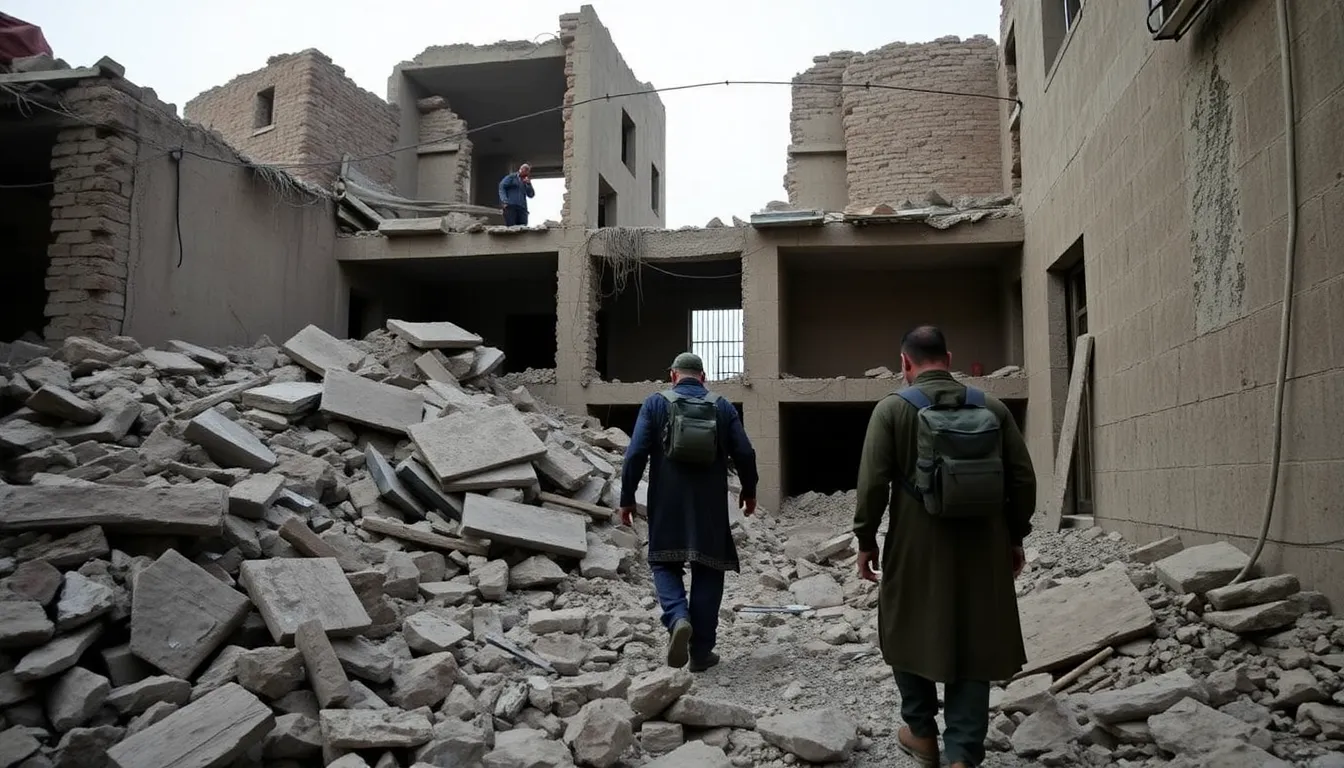
On the other hand, the Afghan government, while also concerned about drug trafficking, faces a dilemma in balancing its sovereignty with the need for external support. The air strike could be perceived as a violation of Afghan sovereignty, complicating diplomatic relations and potentially leading to retaliatory actions. The government must navigate these tensions while addressing the humanitarian crisis stemming from drug addiction.
International humanitarian organizations are likely to condemn the air strike, emphasizing the need for a focus on rehabilitation rather than military solutions. They advocate for a comprehensive approach that addresses the root causes of drug addiction, such as poverty and lack of access to healthcare, much like the challenges faced when it comes to reintroducing species, highlighted by the recent news on giant tortoises returning to Galápagos. The air strike could divert attention and resources away from these critical issues, leading to a worsening humanitarian situation.
- Increased tensions: Potential for heightened conflict between Pakistan and Afghanistan.
- Humanitarian crisis: Rising numbers of vulnerable populations affected by drug addiction.
- Legal implications: Issues surrounding the legality of cross-border military actions.
- International response: Possible sanctions or condemnation from global bodies.
- Public perception: Shifting attitudes towards military interventions in drug-related issues.
The impact of the air strike on local communities and drug policy
The recent air strike by Pakistan, which resulted in the tragic loss of at least 100 lives at a drug rehabilitation center in Kabul, has far-reaching implications for various groups and sectors. Primarily, the local communities in Kabul are deeply affected, as families mourn the loss of their loved ones and grapple with the aftermath of such violence. The incident has also sparked outrage among human rights organizations, which are calling for accountability and a reassessment of drug policies in the region.
In the short term, the immediate impact on daily life in Kabul will likely include heightened security measures and increased tensions between local communities and authorities. The drug rehabilitation center, which was meant to provide support and recovery options for individuals struggling with addiction, may now face closure or reduced funding due to the stigma associated with the air strike. This could lead to a rise in drug-related issues in the community as access to rehabilitation services diminishes.
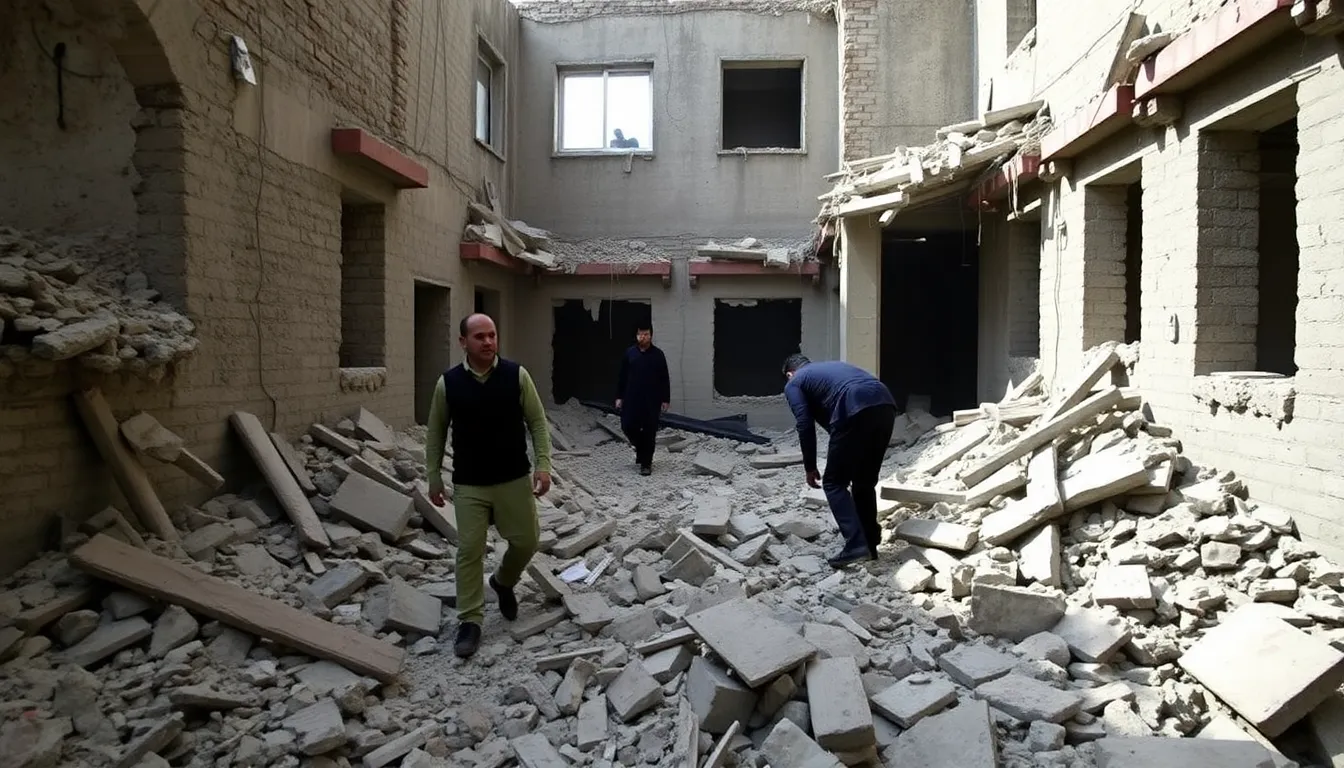
Mid-term impacts could involve shifts in drug policy as the Afghan government and international stakeholders reassess their strategies in combating drug abuse and trafficking. The air strike may lead to increased scrutiny of rehabilitation facilities and a push for more effective, humane approaches to drug addiction. However, there are risks associated with this, as the potential for further violence or retaliatory actions may escalate tensions within the region.
- Local Communities: Grief and loss, increased security measures.
- Human Rights Organizations: Calls for accountability and policy changes.
- Rehabilitation Services: Potential closures or funding cuts, leading to increased addiction issues.
- Drug Policy Reassessment: Opportunities for more effective approaches to addiction treatment.
Despite these challenges, there may also be opportunities for collaboration between local and international organizations to improve drug rehabilitation services and support systems. This tragic event could serve as a catalyst for reform, encouraging stakeholders to invest in sustainable solutions that prioritize health and recovery over punitive measures. The focus on community engagement and support could lead to innovative programs that address the root causes of addiction, ultimately benefiting society as a whole.
A: The air strike was reportedly part of Pakistan’s ongoing efforts to combat drug trafficking and terrorism, which they believe are linked to the operations of such facilities. A: The international community has expressed outrage over the high civilian casualties and called for accountability and restraint from all parties involved. A: This incident may severely hinder rehabilitation efforts, as fear and distrust could prevent individuals from seeking help at such facilities. A: Yes, both local and international bodies are expected to investigate the circumstances surrounding the air strike to determine accountability. A: Various NGOs and government agencies are working to provide support and compensation to the families affected by this tragic event.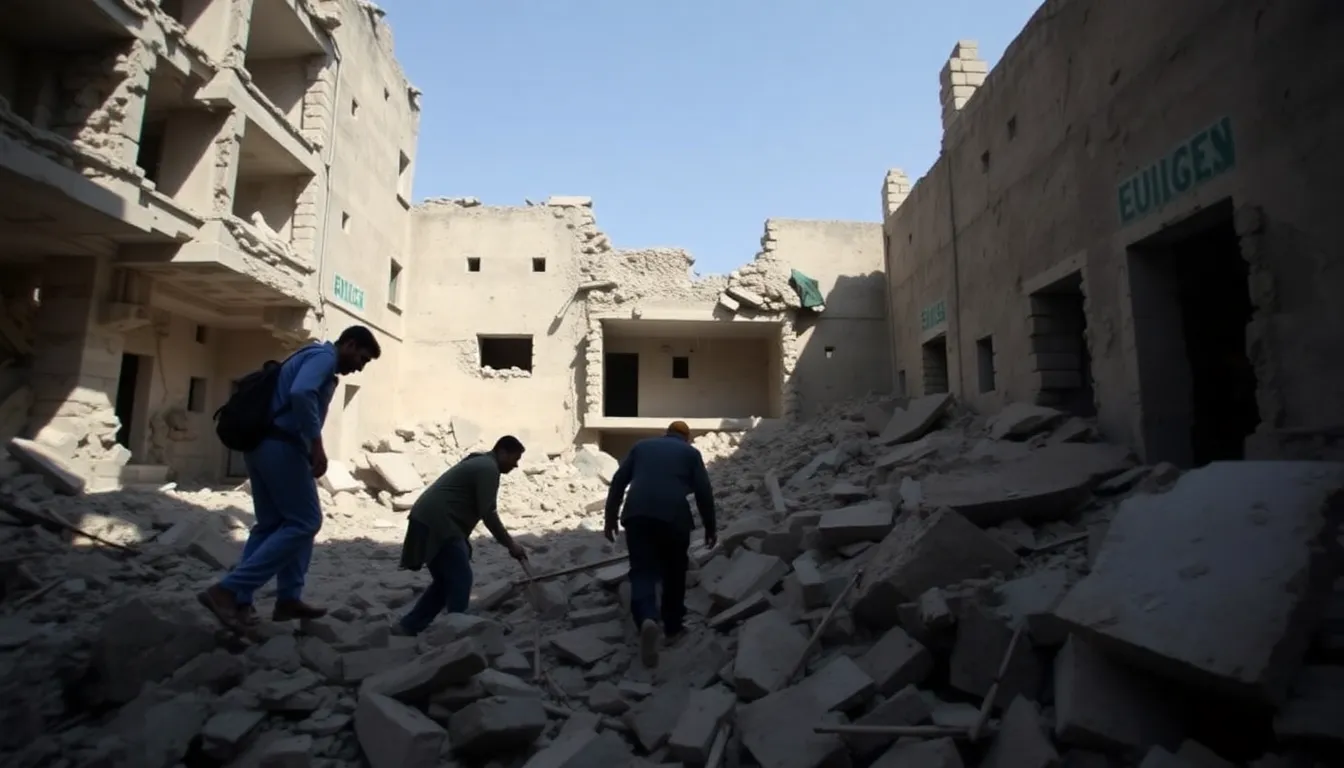
Frequently Asked Questions about the air strike
Key takeaways and future outlook on the situation
The recent air strike by Pakistan that resulted in the tragic loss of at least 100 lives at a Kabul drug rehabilitation center highlights the escalating tensions in the region and raises critical questions about the ongoing conflict and its humanitarian implications. This incident not only underscores the fragility of the current security situation in Afghanistan but also reflects the complex interplay of regional politics and the challenges faced by rehabilitation efforts in the country.
As the international community grapples with the aftermath of this event, it is essential to consider the broader ramifications for both local populations and foreign relations. The potential for increased instability in Afghanistan could lead to a surge in humanitarian crises, necessitating a coordinated response from neighboring countries and international organizations.
- Monitor the response from the Afghan government and its implications for internal security measures.
- Assess the potential for increased international intervention or support in the wake of humanitarian needs.
- Watch for shifts in regional alliances as neighboring countries react to Pakistan’s military actions.
- Evaluate the impact of this incident on drug rehabilitation programs and public health initiatives in Afghanistan.
- Consider the long-term effects on civilian trust in both local and international authorities in conflict zones.