


Despite the extensive efforts and the significant number of cases processed, the campaign has sparked debate regarding its effectiveness and underlying motives. Critics argue that the campaign serves as a tool for consolidating Xi’s power, allowing him to eliminate political rivals under the guise of fighting corruption. For a deeper exploration of political strategies, see Understanding Section 301 and Section 122 in Trump’s Tariff Strategy. The perception of selective enforcement raises questions about the true integrity of the initiative and its impact on governance.
Recent reports indicate that the campaign has intensified in the lead-up to the 20th National Congress of the Communist Party, held in October 2022. This event marked a crucial moment for Xi, as he secured a third term, further entrenching his authority. However, the persistence of corruption allegations and public discontent suggests that the campaign may not be addressing the root causes of corruption within the system.
As the campaign continues, it remains to be seen how it will evolve and what implications it will have for governance in China. The ongoing investigations and their outcomes could significantly influence the political landscape, as well as public trust in the Communist Party. The effectiveness of Xi’s measures will ultimately be judged not just by the number of officials prosecuted, but by the broader impact on systemic corruption and accountability.
The Historical Context of Corruption in China
Corruption has been a persistent issue in China, deeply rooted in its political and economic systems. The Communist Party of China (CPC), which has ruled since 1949, has faced ongoing challenges in maintaining control and legitimacy amidst widespread corruption. Historically, the lack of transparency and accountability within the party has fostered an environment where corrupt practices can thrive.
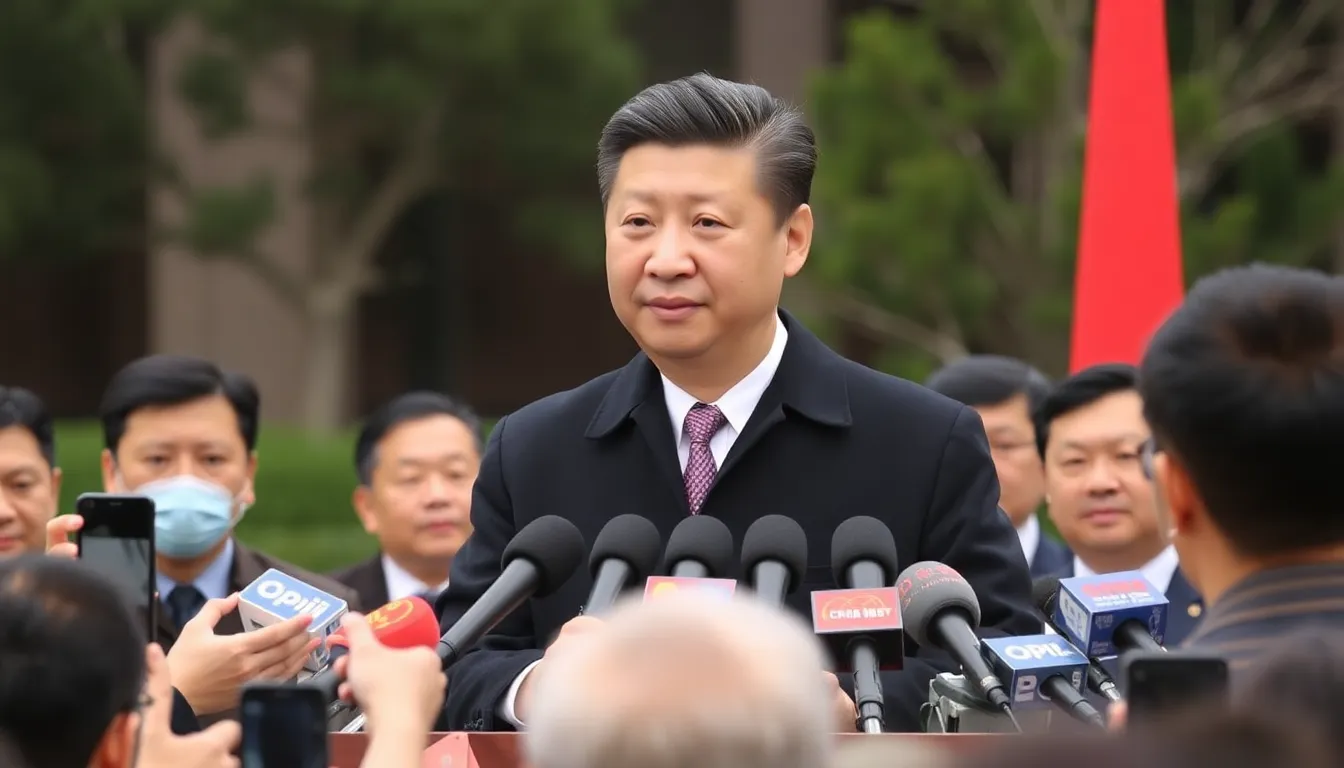
The economic reforms initiated in the late 1970s under Deng Xiaoping marked a significant turning point for China, transitioning from a planned economy to a more market-oriented one. While these reforms spurred unprecedented economic growth, they also created new opportunities for corruption, as officials gained increased power and discretion over resources. For further insight into how policy impacts businesses, check out Understanding the Impact of Immigration Policies on Businesses. The rapid urbanization and influx of foreign investment further complicated the landscape, often leading to the prioritization of personal gain over public service.
Key Milestones in the Anti-Corruption Campaign
In response to growing public discontent and the threat posed by corruption to its rule, the CPC launched a series of anti-corruption campaigns. The most notable began in 2012 under President Xi Jinping, who emphasized the need to combat both “tigers” (high-ranking officials) and “flies” (low-level bureaucrats). This campaign has led to the investigation and prosecution of millions of officials, signaling a more aggressive approach to tackling corruption.
Despite these efforts, many critics argue that the campaign is also a tool for consolidating Xi’s power, as it has been used to target political rivals and dissenters. Furthermore, the persistence of corruption suggests that systemic issues remain unaddressed, and the effectiveness of the current measures is called into question. As a result, the cycle of corruption continues to pose a significant challenge to the CPC’s governance and legitimacy.
Ultimately, the historical context of corruption in China reveals a complex interplay of political, economic, and social factors that have shaped the current landscape. While the anti-corruption purge has led to some high-profile arrests and reforms, the enduring nature of corruption indicates that deeper structural changes may be necessary for lasting impact.
Key Stakeholders and Issues Surrounding the Purge
The anti-corruption campaign initiated by Xi Jinping has involved numerous stakeholders, each with distinct interests and motivations. At the forefront is the Chinese Communist Party (CCP), which aims to maintain its legitimacy and control over the political landscape. Xi Jinping himself is a key actor, using the campaign to consolidate power and eliminate potential rivals within the party. The complexities of political narratives and their global implications can also be seen in other contexts, such as Pakistan conducting airstrikes against targets in Afghanistan.
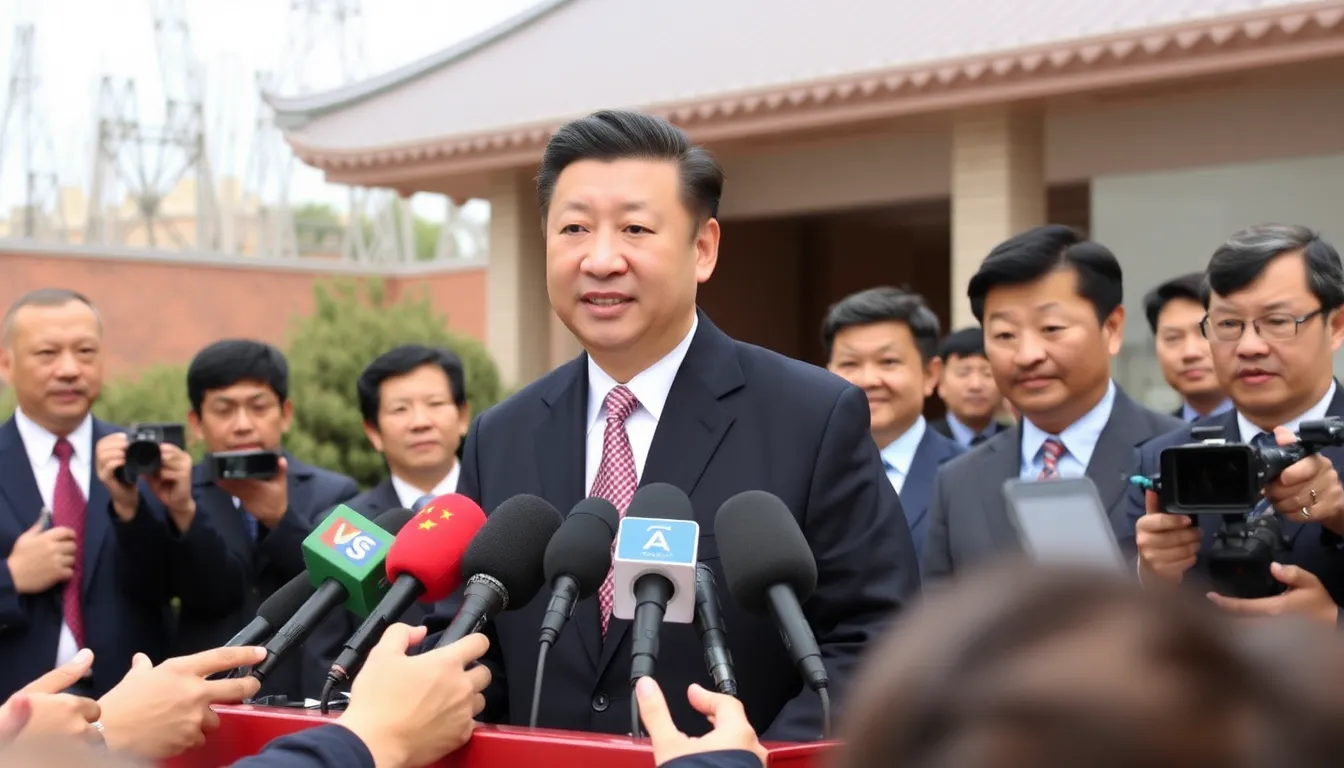
Another significant stakeholder is the general public, which has shown a mix of support and skepticism regarding the purge. Many citizens welcome efforts to combat corruption, viewing it as a necessary step towards greater accountability. However, there are concerns about the potential misuse of the campaign as a tool for political repression.
International observers, including foreign governments and human rights organizations, also play a role in this discourse. Their interest lies in understanding the implications of Xi’s actions on governance, rule of law, and human rights in China. The global response can influence China’s diplomatic relations and economic partnerships.
- Internal Party Dynamics: The purge has created tensions within the CCP, as factions vie for power and influence.
- Economic Impact: The crackdown on corruption may disrupt business operations and investments, as officials fear repercussions.
- Legal Ramifications: The lack of transparency in the purge raises questions about the legal processes involved and the rights of those accused.
- Public Trust: While some support the campaign, others worry it could undermine trust in government institutions if perceived as politically motivated.
- International Relations: The anti-corruption efforts may affect China’s standing on the global stage, influencing trade and diplomatic relations.
The Impact of the Purge on Society and Governance
The ongoing corruption purge initiated by Xi Jinping has far-reaching implications for various sectors of Chinese society. Key groups affected include government officials, business leaders, and everyday citizens. As millions of officials have been scrutinized and removed from their positions, the ripple effects are being felt across multiple industries, particularly those reliant on government contracts and approvals.
In the short term, the purge has led to significant disruptions in daily life and business operations. With many officials replaced or under investigation, decision-making processes within local governments have slowed, causing delays in project approvals and public services. Citizens may experience longer wait times for essential services, while businesses face uncertainty regarding regulatory compliance and market access.
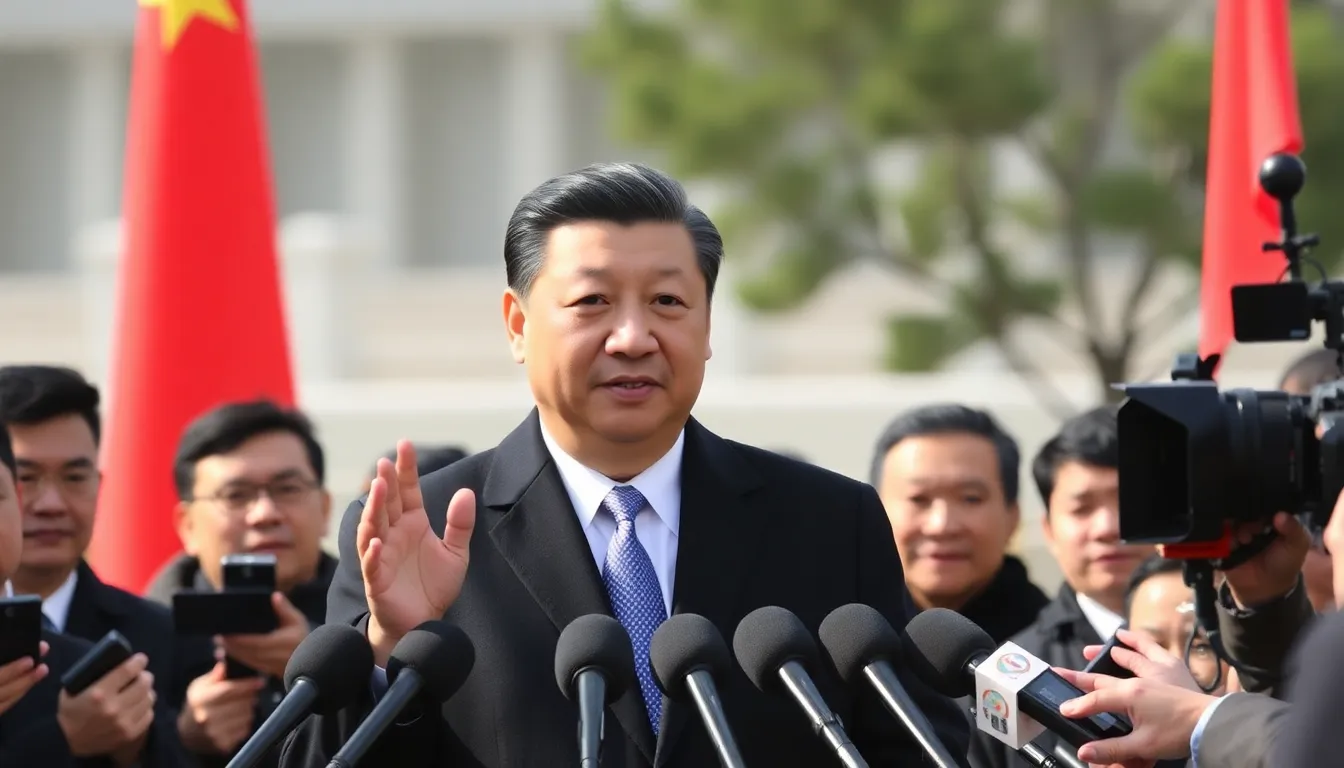
Mid-term impacts are likely to manifest in shifts in policy and governance structures. As the purge continues, there is a risk of creating a culture of fear among officials, potentially stifling innovation and risk-taking in governance. However, this could also lead to a more transparent and accountable government if the purge successfully roots out corruption and promotes ethical standards.
- Risks: Increased bureaucracy, potential for policy paralysis, and public distrust in government.
- Opportunities: Potential for reform, improved governance practices, and a chance for new leaders to emerge.
- Industry Impact: Sectors such as construction, technology, and finance may face volatility as they navigate the changing political landscape.
Regions with a history of corruption may see more immediate changes as local leaders are replaced, potentially leading to a more equitable distribution of resources. However, the effectiveness of these changes will depend on the ability of new officials to implement reforms and engage with the communities they serve.
A: Xi’s anti-corruption campaign began in 2012 as part of his broader agenda to strengthen the Communist Party’s control and restore public trust in the government. A: Millions of officials have faced investigations since the campaign’s inception, highlighting the extensive nature of the purge. A: The primary goals include eliminating corruption within the party, consolidating Xi’s power, and ensuring the party’s legitimacy among the public. A: While the campaign has led to significant arrests and public awareness, critics argue that it may not address the systemic issues of corruption. A: Officials found guilty can face severe penalties, including imprisonment, fines, and loss of political status. A: Public perception is mixed; some view it as a necessary reform, while others see it as a tool for political purging.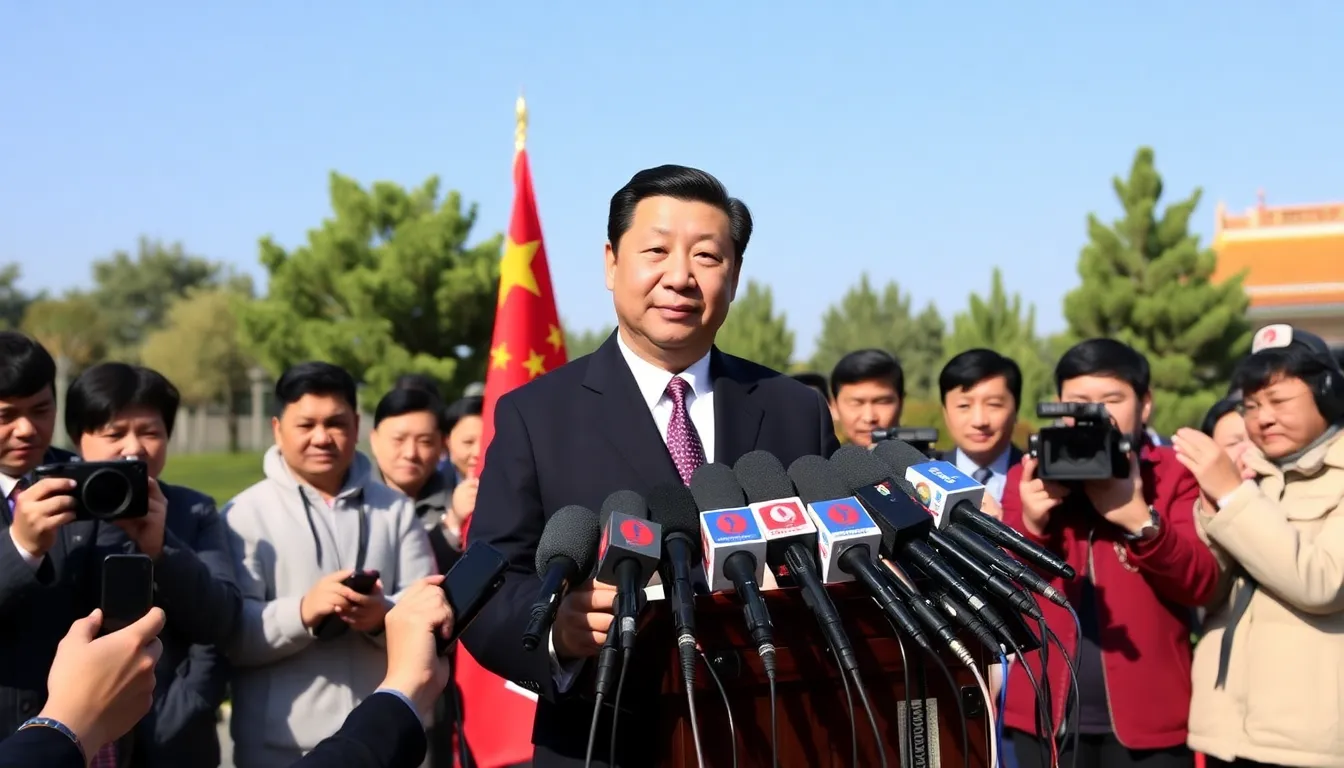
Frequently Asked Questions about the Corruption Purge
Key Takeaways and Future Outlook on Corruption in China
The ongoing anti-corruption campaign led by Xi Jinping has resulted in the removal of millions of officials, yet questions remain regarding its effectiveness and long-term impact. The persistence of corruption at various levels of government suggests that deeper systemic issues may not be adequately addressed by punitive measures alone. As the campaign evolves, understanding its implications for governance and public trust in China becomes increasingly critical.
Looking ahead, observers should consider how the outcomes of this campaign could shape the political landscape and influence economic policies. The balance between maintaining party control and addressing public discontent will be a delicate one, potentially affecting Xi’s leadership and China’s future trajectory.
- Continued scrutiny of local governance: The effectiveness of anti-corruption measures may lead to increased vigilance and transparency demands from the public.
- Impact on economic policy: Ongoing corruption issues could affect foreign investment and economic stability, prompting a reevaluation of regulatory frameworks.
- Shifts in political dynamics: The campaign may alter power structures within the Communist Party, influencing future leadership succession and policy directions.
- Public perception and trust: The long-term success of Xi’s campaign will depend on restoring faith in government institutions and addressing the root causes of corruption.