


The attack occurred during school hours, when many students were present, leading to a catastrophic loss of life. Eyewitness accounts describe scenes of chaos and panic as families rushed to the site to search for their loved ones. The local authorities have initiated an investigation, but the circumstances surrounding the strike remain unclear. This incident draws attention to the urgent need for improved safety measures in educational settings.
This tragic event highlights the ongoing challenges faced by civilians in conflict zones, particularly children who are often the most vulnerable. The international community is calling for accountability and a reassessment of military operations that endanger non-combatants, especially in educational settings.
As the situation develops, humanitarian organizations are mobilizing to provide support to the affected families and survivors. The strike has ignited protests and calls for justice across the country, emphasizing the need for a renewed focus on protecting schools and ensuring the right to education for all children.
Understanding the context of the strike on educational institutions
The tragic strike on the girls’ school, which reportedly killed at least 175 individuals, is emblematic of the broader tensions and crises facing Iran. Over the past few decades, the country has experienced significant political upheaval, economic sanctions, and social unrest, all of which have contributed to a volatile environment, particularly for vulnerable populations such as women and children. This history underscores the importance of international scrutiny and support for women’s rights in conflict zones.
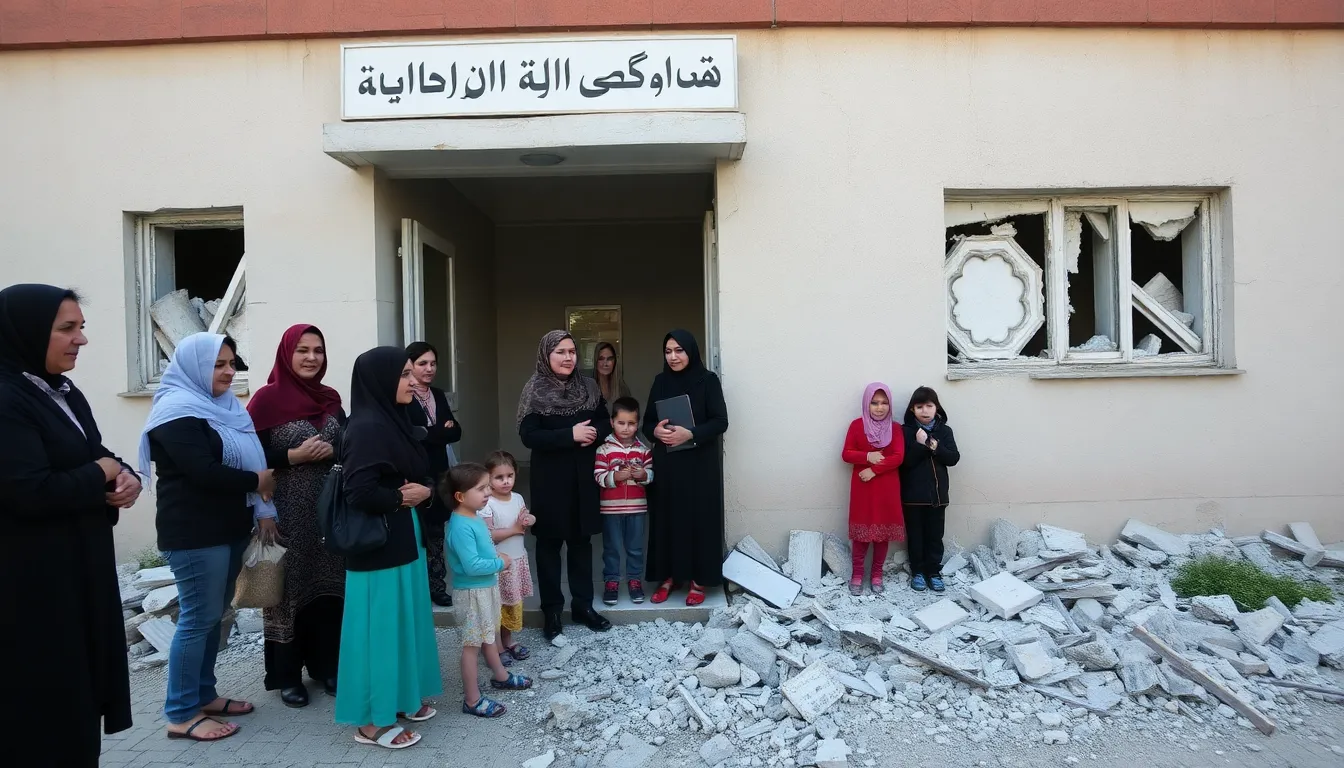
Historically, Iran has faced numerous conflicts and political strife, particularly since the 1979 Islamic Revolution, which led to the establishment of a theocratic regime. This shift significantly altered the landscape of civil rights, especially for women, who have often been relegated to subordinate roles in society. The education of girls has been a contentious issue, with various regimes oscillating between promoting and suppressing female education, often influenced by prevailing political ideologies and external pressures.
Recent escalations of violence
In recent years, the situation has been exacerbated by international sanctions and economic crises, leading to widespread dissatisfaction among the populace. Protests against government policies have become increasingly common, with many citizens demanding greater freedoms and rights. These protests have often been met with violent crackdowns, further entrenching the cycle of conflict and fear. The targeting of educational institutions, particularly those for girls, can be seen as a deliberate tactic to instill fear and suppress dissent, undermining the progress made in female education over the past decades.
The international community has also played a role in shaping the current landscape, with various countries imposing sanctions that have crippled Iran’s economy. This isolation has not only affected the general populace but has also limited resources for education and social services, leaving many vulnerable to the impacts of violence and instability. As the situation evolves, the implications for educational access and safety remain critical, raising urgent questions about the future of Iran’s youth.
Key stakeholders and issues surrounding the attack
The tragic strike on a girls’ school in Iran, which reportedly resulted in the deaths of at least 175 individuals, raises significant concerns regarding the safety of educational institutions in conflict zones. Key stakeholders in this incident include the Iranian government, local communities, international human rights organizations, and the families of the victims. Each of these actors has distinct interests and perspectives on the implications of this attack, highlighting the need for effective advocacy to protect the rights of affected individuals.
The Iranian government, facing increasing scrutiny over its handling of domestic security, has a vested interest in controlling the narrative surrounding the incident. They may seek to downplay the attack’s severity or shift blame onto external forces to maintain public confidence and quell dissent. In contrast, local communities are likely to demand accountability and justice for the victims, emphasizing the need for protection of schools and children in their areas.
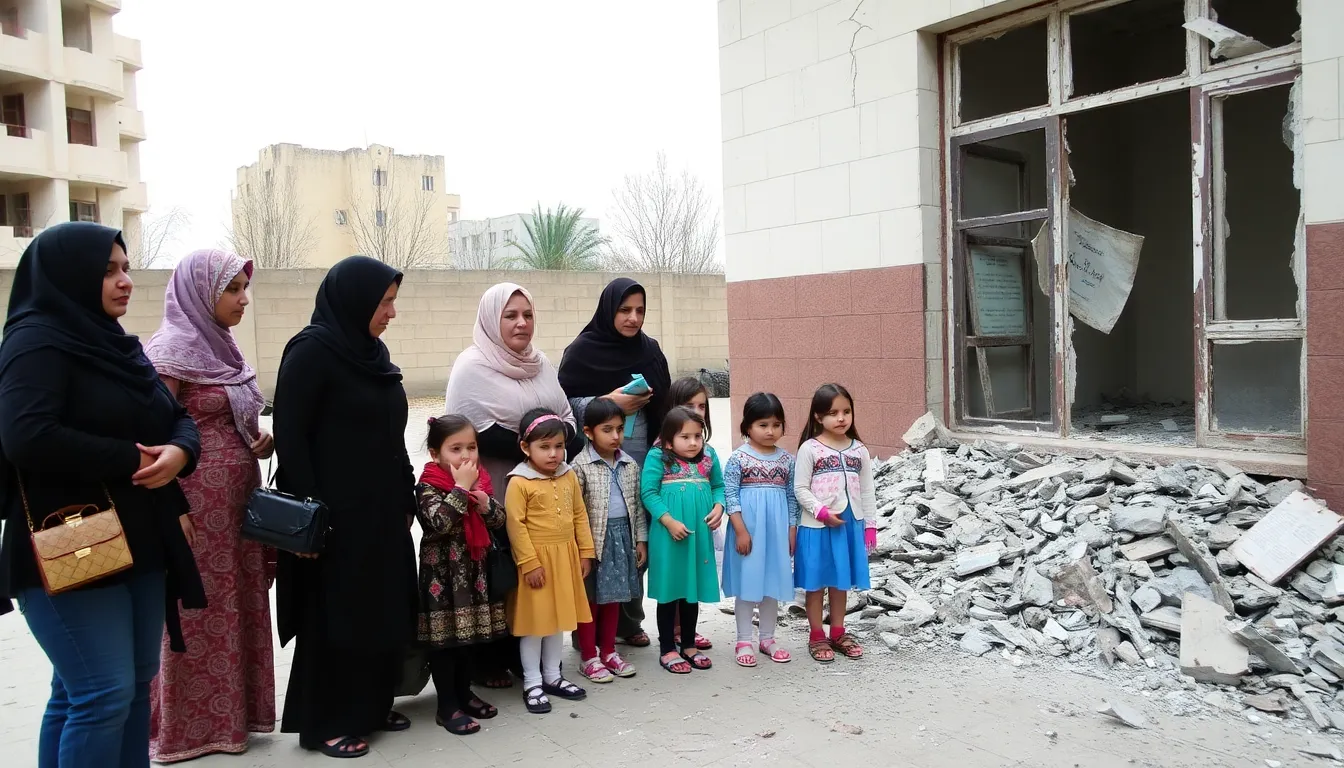
International human rights organizations, such as Amnesty International and Human Rights Watch, are also key players in this scenario. They advocate for the rights of individuals affected by violence and may call for investigations into the attack. These organizations often face challenges in accessing affected regions, which complicates their ability to report accurately and hold perpetrators accountable.
- Human Rights Violations: The attack raises serious concerns about violations of children’s rights and the protection of educational facilities under international law.
- Political Ramifications: The incident could lead to increased political instability within Iran, as citizens demand accountability and change.
- International Response: How the global community reactswhether through sanctions, condemnation, or supportwill influence future relations with Iran.
- Media Coverage: The portrayal of the event in both local and international media will shape public perception and potentially impact governmental actions.
- Community Resilience: Local responses to the tragedy may involve community organizing and advocacy for better protection and support for students.
The impact of the strike on the community and education
The recent strike on a girls’ school in Iran has far-reaching implications for various groups, particularly the local community, the education sector, and women’s rights advocates. The immediate loss of life, with at least 175 reported fatalities, highlights the vulnerability of educational institutions in conflict zones. This tragedy not only devastates families but also sends shockwaves through the entire community, affecting the emotional and psychological well-being of survivors and witnesses.
In the short term, the strike has disrupted educational activities, leaving many students without access to safe learning environments. Parents may be hesitant to send their children to school due to safety concerns, which could lead to a significant decline in school enrollment rates. The education sector, already strained by political and economic challenges, faces further setbacks as resources are diverted to address security and mental health needs.
In the mid-term, the repercussions may extend to policy changes regarding school safety and security. The government may be pressured to implement stricter measures to protect educational institutions, potentially reshaping the educational landscape. However, this could also lead to increased militarization of schools, which may not necessarily enhance safety but could foster an atmosphere of fear and mistrust.
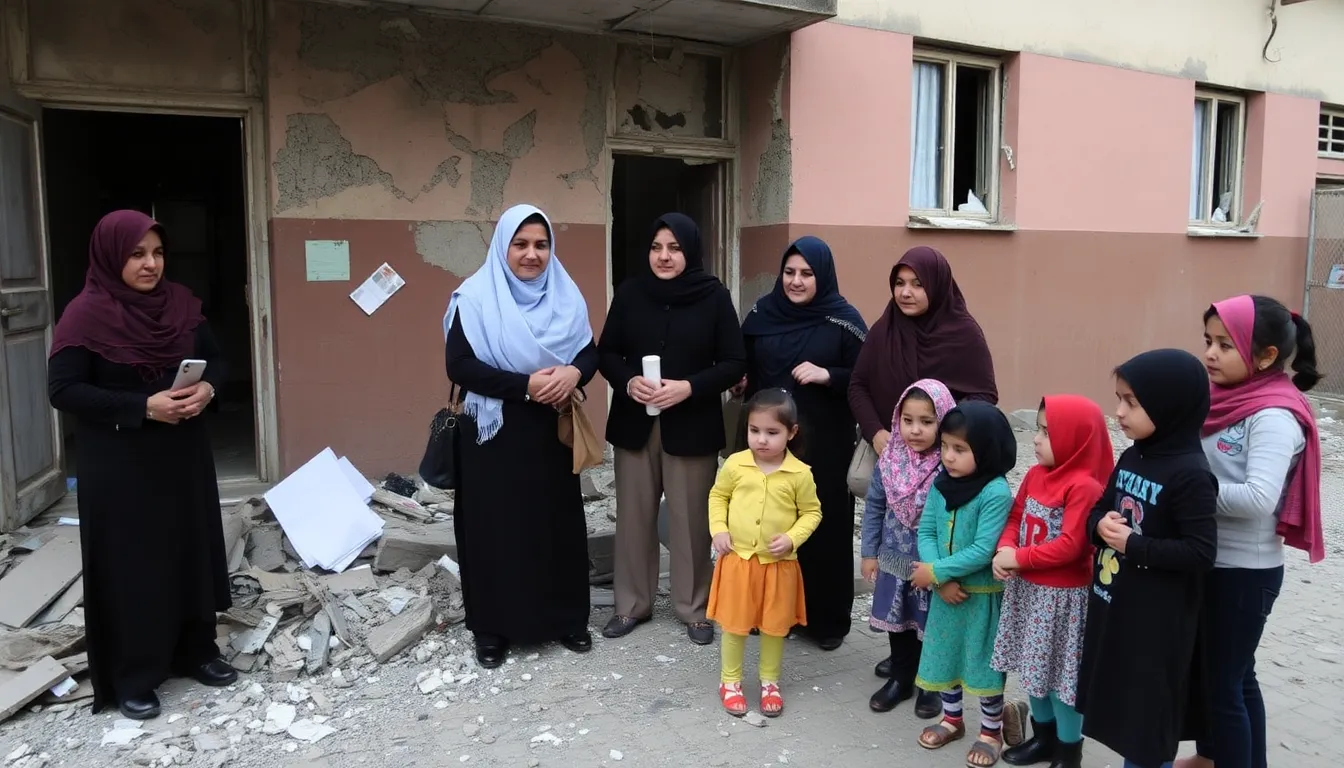
- Community Impact: Emotional trauma and loss of community cohesion.
- Education Sector: Decreased enrollment and potential school closures.
- Policy Changes: Stricter security measures in schools.
- Women’s Rights: Setbacks in the fight for gender equality in education.
While the risks are significant, there may also be opportunities for advocacy and reform. Human rights organizations may gain momentum in their efforts to promote safe educational environments for girls. Additionally, this tragedy could galvanize international attention and support for educational initiatives, leading to increased funding and resources aimed at rebuilding and securing schools in conflict-affected areas.
A: The strike targeted a girls’ school in Iran, resulting in the tragic deaths of at least 175 students. Reports indicate that the attack was sudden and caused widespread panic. A: The Iranian government has condemned the attack and promised to investigate the circumstances surrounding it. However, there are concerns about accountability and transparency. A: The international community has expressed outrage and concern over the attack, calling for justice and support for the affected families and communities. A: This tragic incident raises significant concerns about the safety of girls’ education in Iran, potentially leading to increased restrictions or fears among families. A: Yes, investigations are reportedly underway to determine the perpetrators of the strike and the motivations behind it.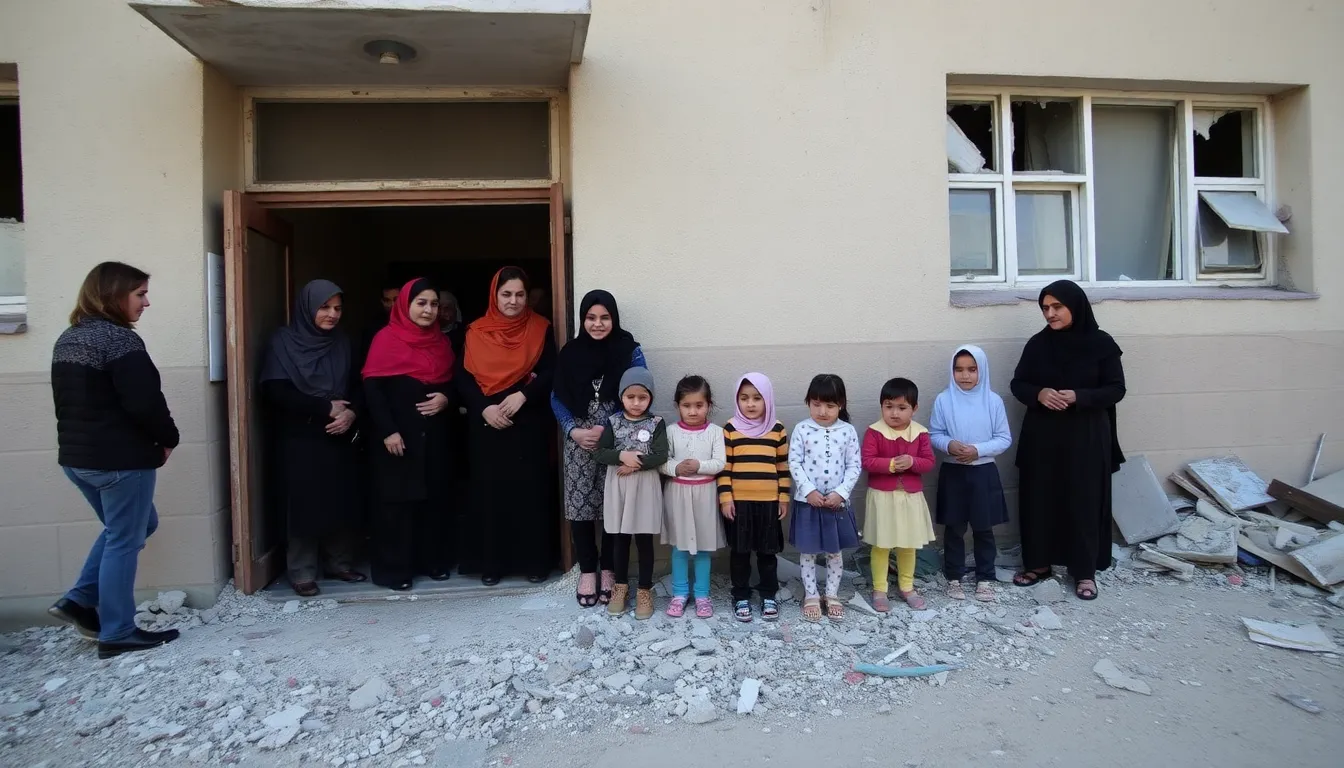
Frequently asked questions about the school strike
Key insights and future outlook on the situation
The tragic strike on a girls’ school in Iran, resulting in the deaths of at least 175 individuals, underscores the critical need for international scrutiny and humanitarian response. This incident highlights the ongoing vulnerabilities faced by civilians, particularly women and children, in conflict zones. As the situation develops, it is essential to monitor the implications for regional stability and the potential for increased international intervention.
In the aftermath of this attack, the global community may witness a shift in diplomatic relations with Iran, especially concerning human rights discussions. Additionally, this event may catalyze grassroots movements within Iran and beyond, advocating for educational rights and protection for vulnerable populations.
- Increased international pressure on Iran regarding human rights violations may follow this incident.
- Potential for heightened activism and advocacy for the protection of educational institutions in conflict areas.
- Monitoring the Iranian government’s response and any shifts in policy regarding civilian safety is crucial.
- Watch for possible changes in regional dynamics and alliances as countries react to the incident.
- Expect humanitarian organizations to ramp up efforts in supporting affected families and communities.