


Simultaneously, gasoline prices have surged, driven by seasonal demand and refinery maintenance schedules. As of mid-October 2023, the average price of gasoline in the United States climbed to $3.80 per gallon, reflecting a significant increase compared to the previous month. This rise in gasoline prices is particularly concerning for consumers, as it impacts transportation costs and overall inflation. For more details on related topics, you may also explore our article on the race to the moon between China and the US.
The interplay between oil and gasoline prices is critical for both consumers and the broader economy. Higher gasoline prices can lead to increased costs for goods and services, potentially triggering a ripple effect across various sectors. Furthermore, as countries navigate energy transitions and supply chain challenges, the stability of oil prices remains a key issue for policymakers and industry stakeholders alike. It would be insightful to consider how these fluctuations compare to other significant economic events in our post on Farage’s gift controversy.
Additionally, the Organization of the Petroleum Exporting Countries (OPEC) and its allies have been closely monitoring production levels to stabilize prices. Recent meetings have highlighted the group’s commitment to adjusting output in response to market conditions, which could influence future price trends. As the global energy landscape evolves, the balance between oil supply and demand will continue to be a focal point for economic discussions.
Understanding the factors behind the price changes
The recent fluctuations in oil prices, particularly the spike to a four-year high, can be attributed to a complex interplay of geopolitical tensions, supply chain disruptions, and changing demand dynamics. Historically, oil prices have been sensitive to international relations, especially in regions rich in oil reserves. Events such as conflicts in the Middle East or sanctions on oil-producing countries often lead to immediate price increases as markets react to perceived threats to supply. For readers interested in the broader implications of economic changes, our article on Crimson Desert developers’ bonus may provide an intriguing perspective.
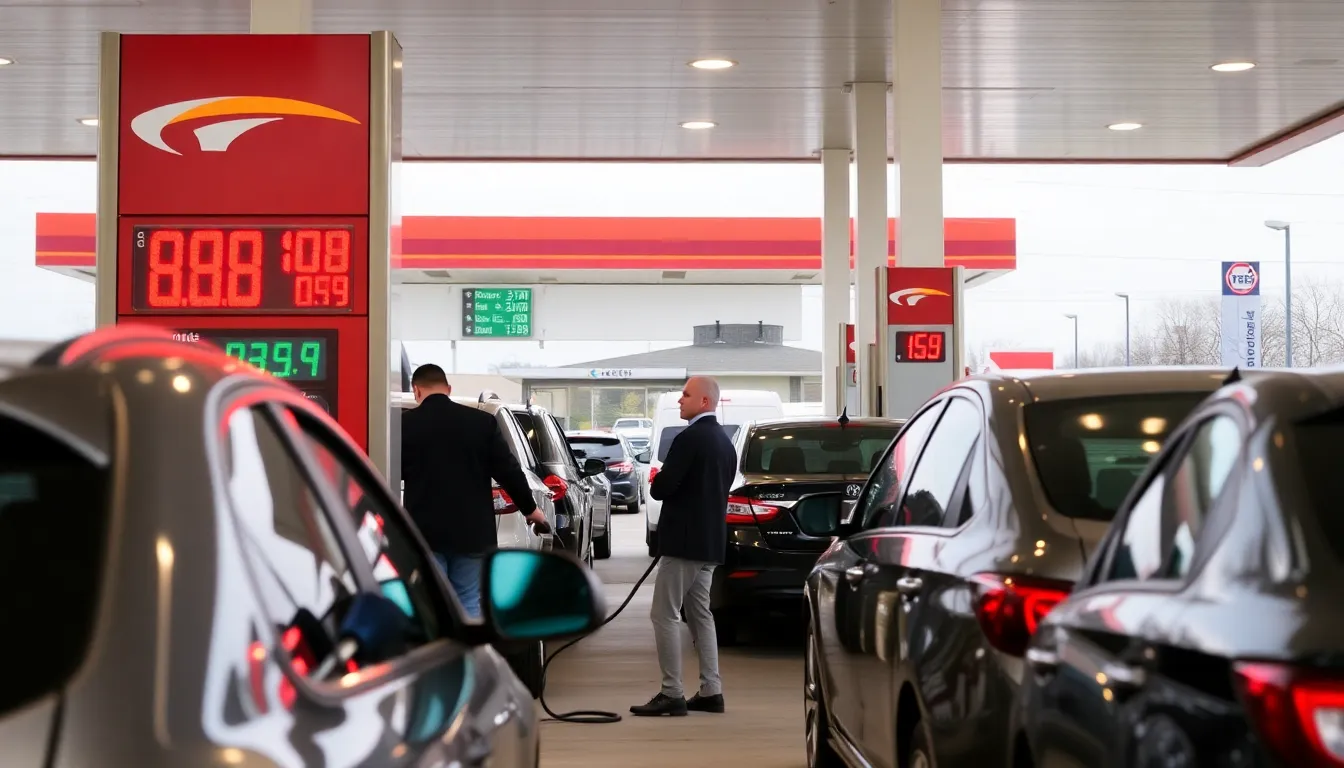
In recent years, the COVID-19 pandemic significantly altered global oil consumption patterns. Initially, lockdowns led to an unprecedented drop in demand, causing prices to plummet. However, as economies began to reopen, demand surged faster than anticipated, leading to a rapid recovery in prices. This rebound was further exacerbated by OPEC+ production cuts aimed at stabilizing the market, which inadvertently contributed to the current high prices as supply struggled to keep pace with the recovering demand.
Key Milestones in Oil Price Trends
Several key milestones have shaped the current landscape of oil prices. The 2014 oil price crash, driven by a surge in U.S. shale production and OPEC’s decision to maintain output, serves as a reminder of how quickly market dynamics can shift. Conversely, the 2021 energy crisis, marked by a spike in natural gas prices and supply chain issues, has created a ripple effect across the energy sector, pushing gasoline prices higher and contributing to inflationary pressures worldwide.
Additionally, the geopolitical landscape remains a significant factor. Tensions between major oil-producing nations, such as Russia and the United States, continue to impact market sentiment. Sanctions and trade policies can disrupt supply chains, leading to price volatility. As countries strive to transition to renewable energy sources, the oil market is also navigating the uncertainty of future demand, further complicating the pricing landscape.
As we move forward, understanding these historical and contextual factors will be crucial for analysts and consumers alike in navigating the complexities of the oil market and its broader economic implications.
Key stakeholders and issues influencing the oil market
The oil market is shaped by a variety of stakeholders, each with distinct interests and influences. Key actors include oil-producing countries, major oil corporations, consumers, and regulatory bodies. Each group plays a crucial role in determining oil prices and market dynamics.
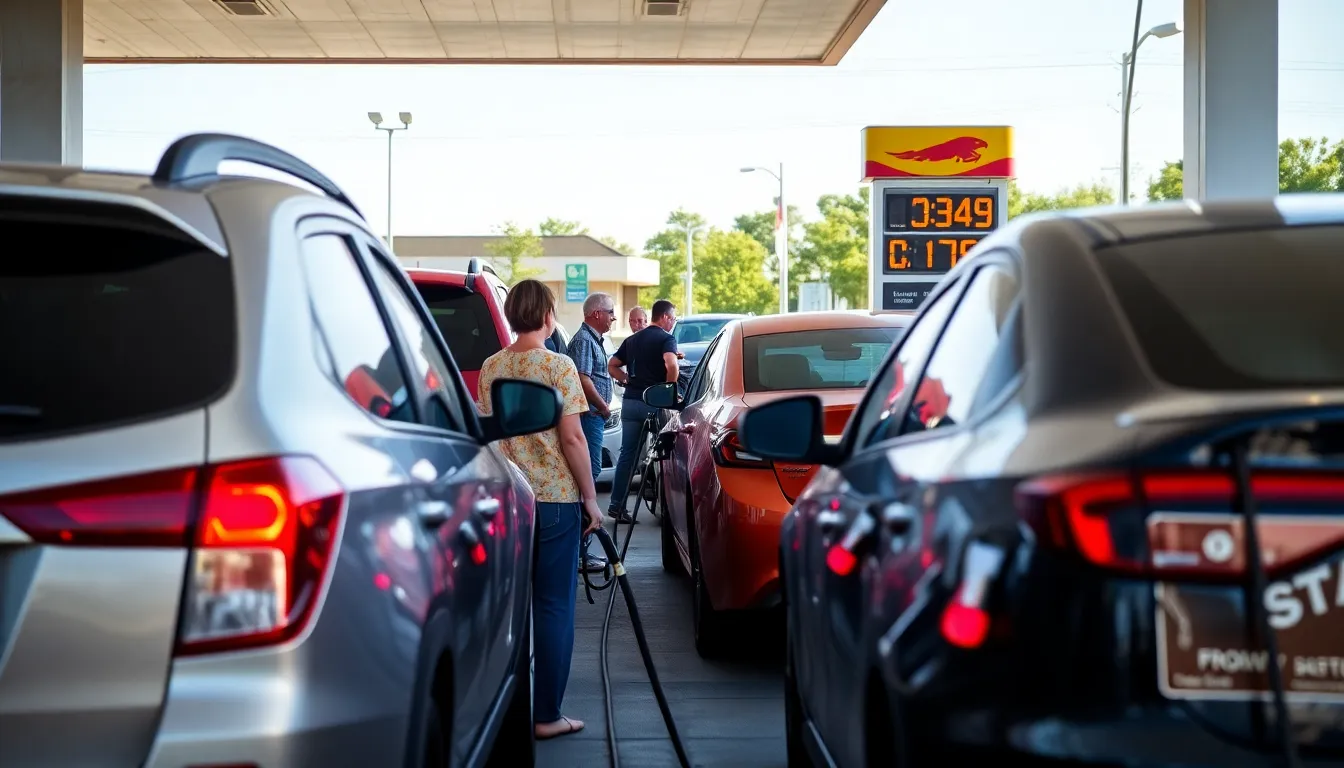
OPEC (Organization of the Petroleum Exporting Countries) is a significant player, as it coordinates production levels among member countries to manage supply and influence prices. Their interest lies in maintaining stable prices to ensure revenue for member nations, many of which rely heavily on oil exports. Conflicts can arise when member countries have differing priorities, such as the need for increased production to boost national economies versus the desire to keep prices high.
Major oil companies, such as ExxonMobil and BP, also have a vested interest in oil prices. These corporations seek to maximize profits through exploration, production, and refining activities. Their strategies may include lobbying for favorable regulations, investing in alternative energy sources, or engaging in mergers and acquisitions to enhance market position. Trade-offs often emerge between short-term profit maximization and long-term sustainability goals.
- Consumer interests: As gasoline prices rise, consumers face increased costs, leading to potential backlash against oil companies and governments.
- Environmental regulations: Governments are under pressure to implement stricter regulations to combat climate change, which can conflict with oil production interests.
- Global economic conditions: Economic downturns can reduce demand for oil, affecting prices and the viability of oil-dependent economies.
- Geopolitical tensions: Conflicts in oil-rich regions can disrupt supply chains and lead to price volatility, impacting global markets.
- Technological advancements: Innovations in renewable energy and extraction methods can shift the balance of power in the energy market.
Legal and economic issues also play a crucial role in shaping the oil market. Regulatory frameworks governing exploration and production can vary significantly by country, affecting investment decisions and operational costs. Additionally, fluctuating currency values and trade policies can impact the profitability of oil transactions, creating further complexity in the market landscape.
How rising gasoline prices affect consumers and the economy
The recent surge in gasoline prices, following a four-year high in oil prices, has significant implications for various groups and industries. Consumers, particularly those reliant on personal vehicles for commuting, are likely to feel the immediate impact in their daily lives. Increased fuel costs can lead to higher expenses for households, particularly affecting low- and middle-income families who spend a larger portion of their income on transportation.
Industries such as transportation and logistics are also heavily affected. Rising fuel prices increase operational costs for trucking companies and airlines, which may lead to higher prices for goods and services. This ripple effect can contribute to inflationary pressures across the economy, impacting everything from grocery bills to travel costs.
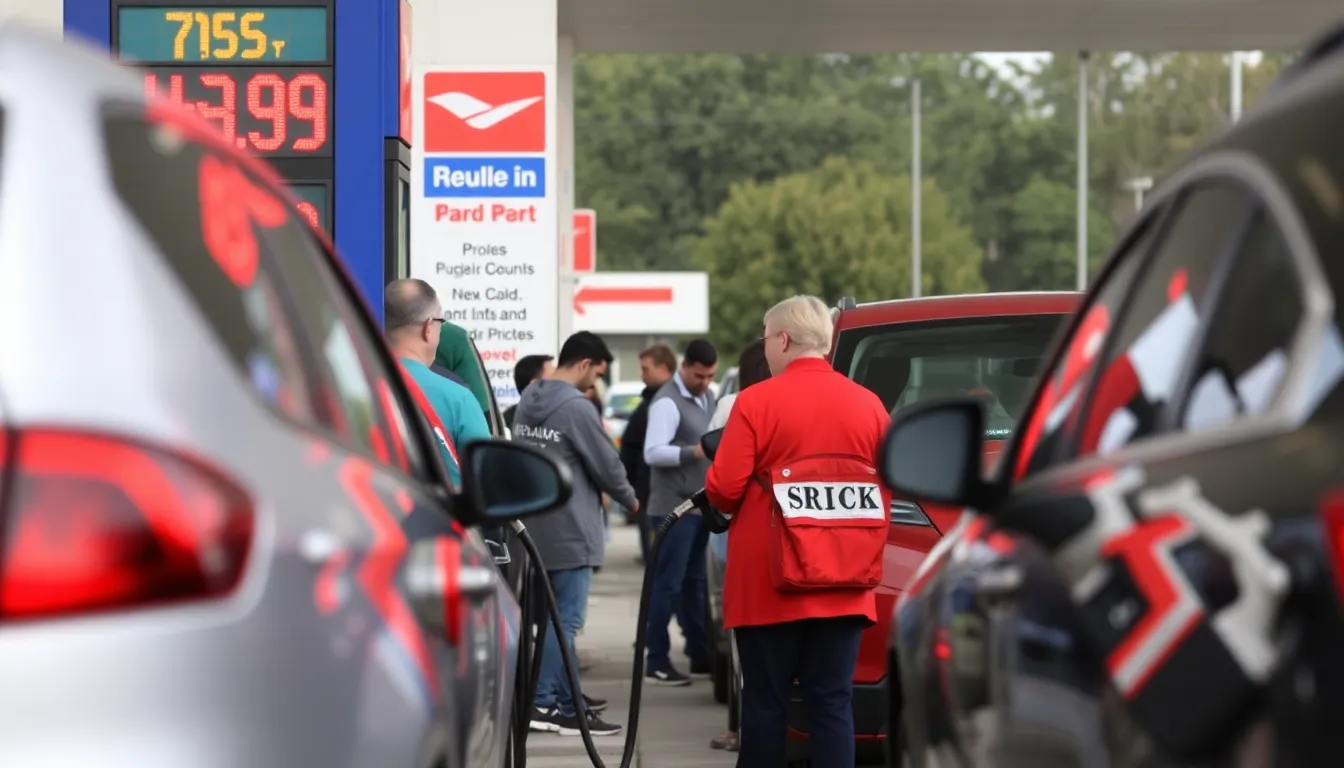
Regions that are heavily dependent on oil production or have limited public transportation options may experience more pronounced effects. For example, rural areas may face challenges as residents have fewer alternatives to driving long distances, thereby increasing their vulnerability to price spikes. Conversely, urban areas with better public transit systems might mitigate some of the impacts.
- Short-term impacts: Increased commuting costs for consumers.
- Mid-term impacts: Potential inflation in goods and services due to higher transportation costs.
- Risks: Economic slowdown if consumer spending declines significantly.
- Opportunities: Growth in alternative transportation solutions, such as electric vehicles and public transit investments.
As policymakers respond to these challenges, there may be opportunities to promote energy efficiency and sustainable practices. Incentives for electric vehicle adoption or investments in public transportation infrastructure could emerge as viable solutions to alleviate some of the burden associated with rising gasoline prices.
A: Oil prices surged due to a combination of supply constraints and increased global demand. Factors such as geopolitical tensions and production cuts by major oil-producing countries contributed to this rise. A: Rising gasoline prices directly impact consumers by increasing transportation costs, which can lead to higher prices for goods and services. This can strain household budgets and affect consumer spending. A: Analysts predict that oil prices may remain volatile, influenced by ongoing geopolitical events and changes in supply and demand dynamics. Seasonal factors and economic recovery rates will also play a significant role. A: Yes, alternatives such as electric vehicles, biofuels, and public transportation can reduce dependence on gasoline. Increased investment in renewable energy sources is also essential for long-term sustainability. A: Fluctuations in oil prices can significantly influence inflation rates, consumer spending, and economic growth. Higher oil prices can lead to increased production costs for businesses, affecting profitability.
Frequently asked questions about oil and gasoline prices
Key takeaways and future outlook for oil and gasoline prices
The recent fluctuations in oil prices, reaching a four-year high before cooling slightly, underscore the ongoing volatility in the energy market. As gasoline prices surge, consumers and businesses alike are feeling the impact, prompting a closer examination of potential future trends. Factors such as geopolitical tensions, supply chain disruptions, and seasonal demand shifts will play crucial roles in shaping the trajectory of both oil and gasoline prices in the coming months.
Monitoring these developments will be essential for stakeholders across various sectors. The interplay between crude oil prices and refined products like gasoline highlights the interconnectedness of the energy market and the importance of strategic planning for businesses and consumers alike.
- Watch for potential geopolitical developments that could influence oil supply and prices.
- Monitor seasonal demand patterns, particularly as travel and economic activities fluctuate.
- Keep an eye on OPEC+ decisions regarding production levels, which can significantly affect market dynamics.
- Consider the impact of alternative energy sources and technologies on future oil demand.
- Stay informed about regulatory changes that may affect fuel prices and consumer behavior.