


Current developments in the lunar race
As of late 2023, the competition between China and the United States to return to the Moon has intensified, with both nations ramping up their lunar exploration efforts. China has made significant strides in its lunar program, successfully landing its Chang’e 6 mission on the Moon in December 2023, which aims to bring back samples from the lunar south pole. This mission marks a critical step in China’s long-term goal of establishing a sustainable presence on the Moon, further detailed in our article on geopolitical dynamics.
In response, NASA is pushing forward with its Artemis program, which aims to land astronauts on the Moon by 2025. The Artemis III mission is set to include the first woman and the next man on the lunar surface, showcasing the U.S. commitment to lunar exploration. The recent successful test flight of the Space Launch System (SLS) rocket in November 2023 has bolstered confidence in the program’s timeline.
Moreover, both countries are investing heavily in technology and infrastructure to support their lunar ambitions. China has announced plans for a lunar research station, intended to be operational by the late 2020s, while the U.S. is collaborating with international partners to develop the Lunar Gateway, a space station that will orbit the Moon and support future missions.
The implications of this race extend beyond scientific exploration; they encompass geopolitical dynamics and technological leadership. As both nations aim to assert their dominance in space, the outcomes of these lunar missions could influence global partnerships and the future of space exploration. The next few years will be pivotal in determining whether the tortoise or the hare will prevail in this renewed lunar race.
Historical background of lunar exploration
The race to the Moon began in the mid-20th century, fueled by the Cold War rivalry between the United States and the Soviet Union. The Soviet Union’s launch of Sputnik in 1957 marked the start of the space age and ignited a fierce competition for technological supremacy. This rivalry culminated in the U.S. Apollo program, which successfully landed astronauts on the Moon in 1969, with Apollo 11 being the most notable mission. Neil Armstrong and Buzz Aldrin’s historic moonwalk symbolized not only a technological achievement but also a significant political victory for the United States, as discussed in our overview of national pride in technological advancements.
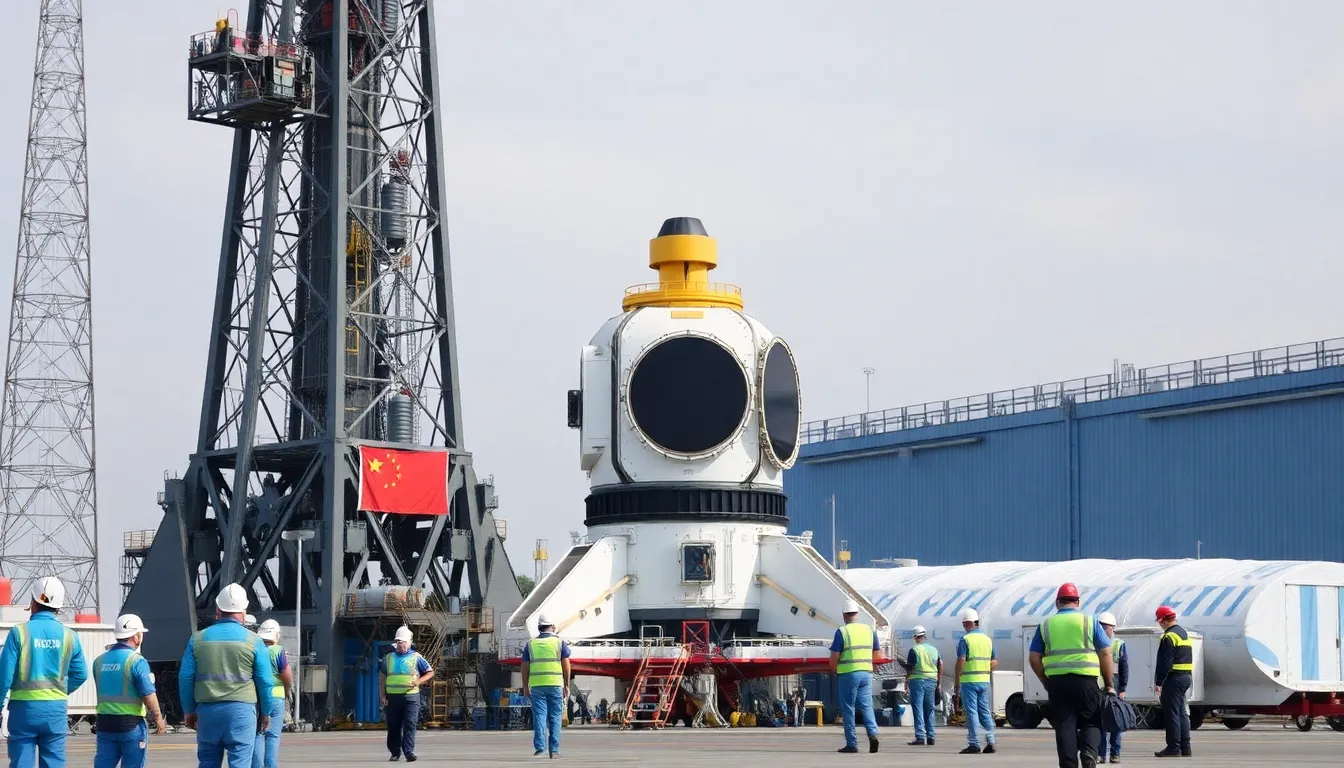
After the Apollo missions, lunar exploration waned as priorities shifted towards other scientific endeavors and space station development. The focus on the Moon diminished, and the U.S. largely stepped back from lunar missions, while the Soviet Union faced its own challenges, leading to a decline in its space program. This period of inactivity lasted for decades, with the Moon becoming a distant memory in the public imagination and a secondary concern for space agencies.
In the 21st century, renewed interest in lunar exploration emerged, driven by advancements in technology and a growing recognition of the Moon’s potential resources. China, with its ambitious space program, made significant strides, launching its Chang’e series of missions. The successful landing of Chang’e 4 on the far side of the Moon in 2019 marked a historic achievement, showcasing China’s capabilities and ambitions in space exploration.
Political motivations and economic implications
The resurgence of lunar exploration is not merely a scientific endeavor; it is deeply intertwined with national pride, geopolitical strategy, and economic interests. Both the U.S. and China view lunar exploration as a pathway to establish dominance in space. The Moon is seen as a potential source of valuable resources, such as helium-3, which could be used for future energy needs. As nations vie for leadership in space, the outcomes of their lunar missions could have lasting implications for international relations and economic competition, much like the recent prisoner swaps illustrating shifting alliances.
As the landscape of lunar exploration evolves, the question remains: will China, often characterized as the “tortoise” in this race, ultimately outpace the “hare” of the United States? The answer may depend on a combination of technological advancements, political will, and the ability to sustain long-term investments in space exploration.
Key stakeholders and their motivations
The race back to the moon involves a variety of stakeholders, each with distinct motivations and interests. The primary actors include national governments, private aerospace companies, and international space agencies, all of which play crucial roles in shaping the lunar exploration landscape.
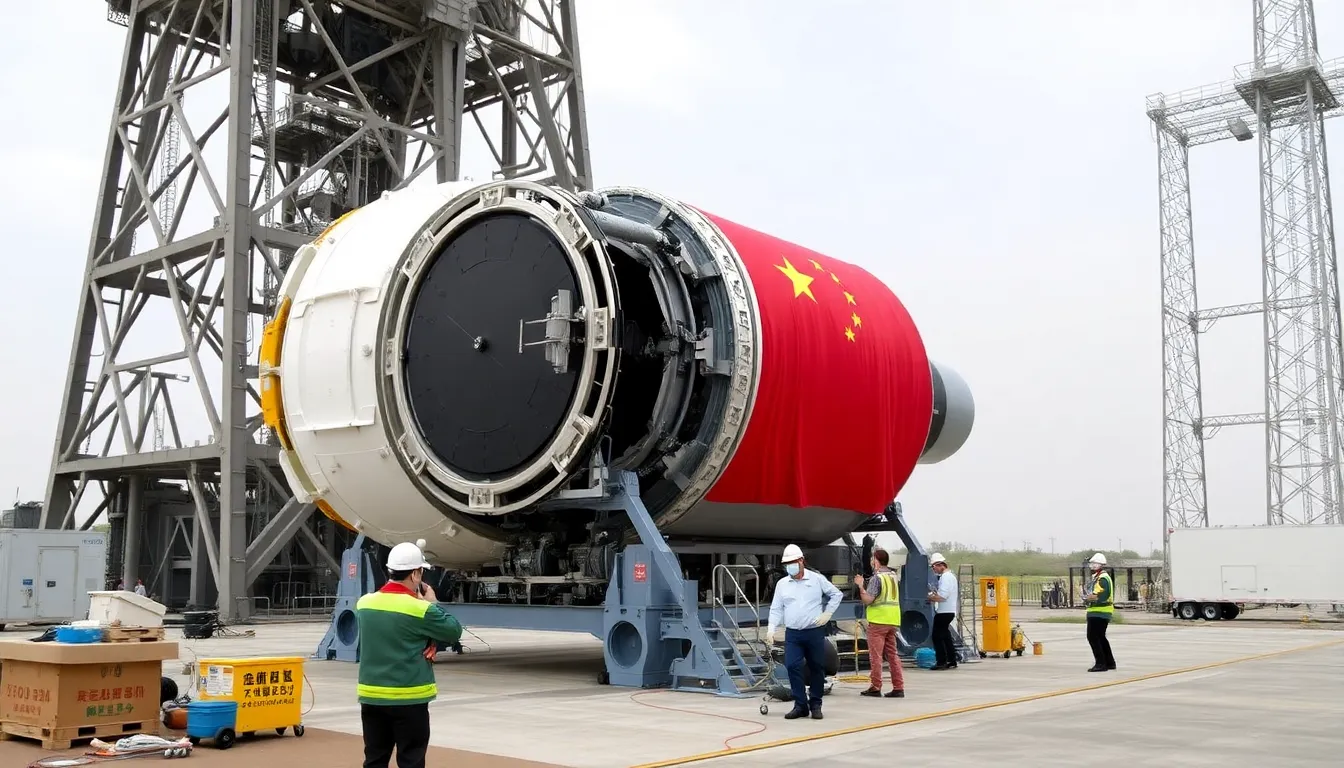
At the forefront are the governments of the United States and China. The United States, through NASA, aims to re-establish its dominance in space exploration, driven by national pride, technological leadership, and the potential for economic benefits from lunar resources. Conversely, China views its lunar ambitions as a means to showcase its technological advancements and enhance its global standing, while also seeking to secure strategic resources that could bolster its economic growth.
Private aerospace companies, such as SpaceX and Blue Origin in the U.S., are also significant players. Their interests lie in commercializing space travel and exploration, which includes potential lunar mining operations and tourism. These companies seek to partner with governments to share the costs and risks associated with lunar missions while also capitalizing on emerging markets.
- Technological competition: The U.S. and China are in a race to develop advanced technologies for lunar exploration, which could have broader implications for space travel and satellite deployment.
- Resource acquisition: Both nations are interested in the moon’s potential resources, such as helium-3 and rare minerals, which could be pivotal for future energy needs and technological advancements.
- International cooperation vs. rivalry: The geopolitical landscape influences whether countries will collaborate on lunar missions or view each other as competitors, impacting future space treaties and regulations.
Key legal issues also arise, particularly concerning the Outer Space Treaty and the governance of lunar resources. The interpretation of these laws will affect how nations approach lunar exploration and whether they can claim ownership of resources found on the moon. The economic implications of these legal frameworks will play a significant role in determining the feasibility of private sector involvement in lunar missions.
How this race affects global space policies
The competition between China and the United States to return to the Moon is reshaping global space policies and influencing various stakeholders. Governments, private companies, and international organizations are closely monitoring the developments, as the outcomes will have far-reaching implications for space exploration and collaboration.
In the short term, industries involved in aerospace technology, satellite manufacturing, and telecommunications are likely to experience increased investment and innovation. The heightened focus on lunar missions may lead to partnerships between private companies and government agencies, fostering a more robust space economy. Regions with established aerospace sectors, such as California and Texas in the U.S. or Guangdong and Beijing in China, may see a surge in job creation and economic activity.
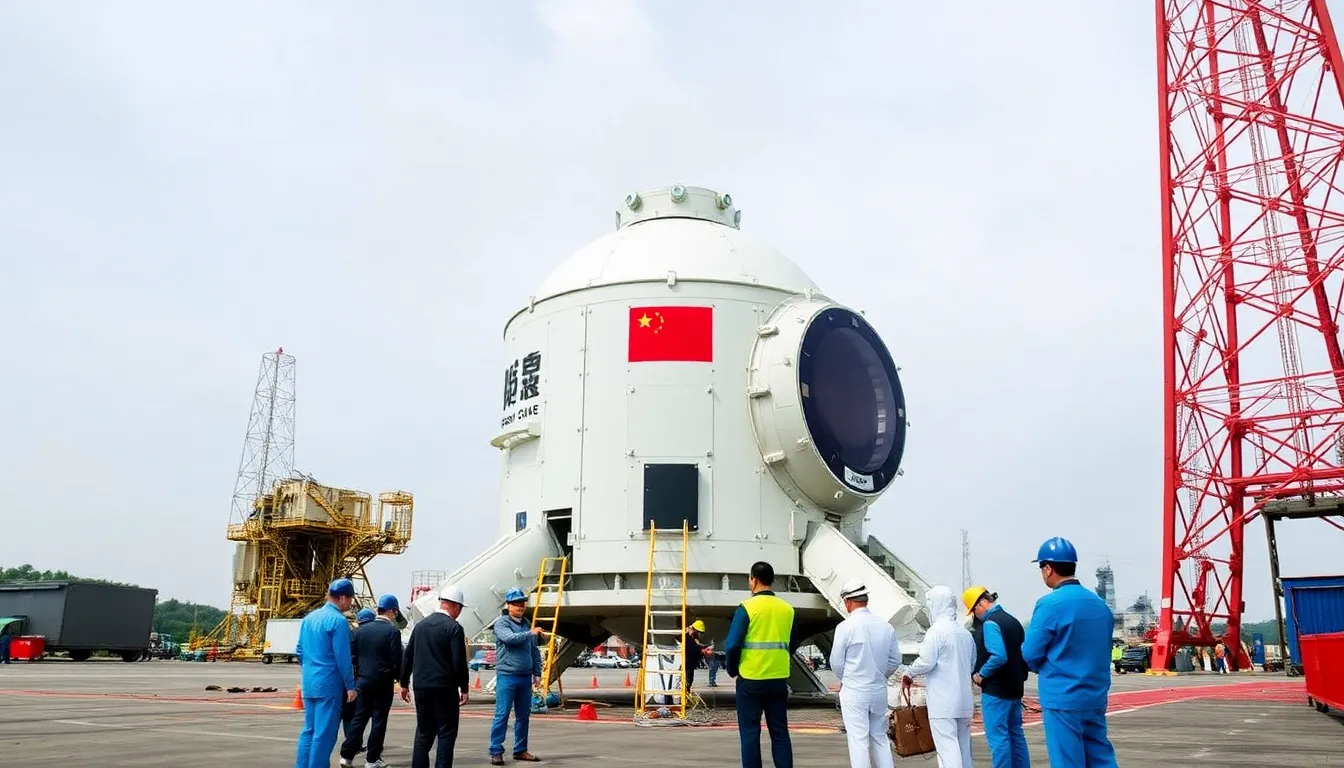
However, this race also presents risks, particularly in terms of geopolitical tensions. As nations vie for dominance in space, there is a potential for conflict over lunar resources and territory. This could lead to stricter space policies and regulations, impacting international cooperation in space exploration. Countries that do not have a strong presence in the space race may feel marginalized, potentially leading to a divide in technological advancements.
- Short-term impacts: Increased funding for space programs, job creation in aerospace sectors.
- Mid-term impacts: Development of new technologies, potential for international partnerships or conflicts.
- Opportunities: Growth of private space ventures, advancements in satellite technology and telecommunications.
- Risks: Geopolitical tensions, potential for conflict over lunar resources.
As both nations push forward with their lunar ambitions, the implications for global space policies will become increasingly evident. The outcomes of this race will not only affect the two superpowers but also set the tone for international collaboration and competition in space for years to come.
A: China’s lunar program aims to establish a sustainable presence on the moon, conduct scientific research, and ultimately pave the way for future manned missions to Mars. A: The US plans to enhance its lunar missions through the Artemis program, which aims to return astronauts to the moon and establish a long-term presence by the end of the decade. A: Both China and the US are developing advanced spacecraft, landers, and rovers equipped with cutting-edge technology for scientific research and resource extraction on the moon. A: The moon serves as a strategic location for testing technologies, conducting research, and potentially using its resources to support missions to Mars and beyond.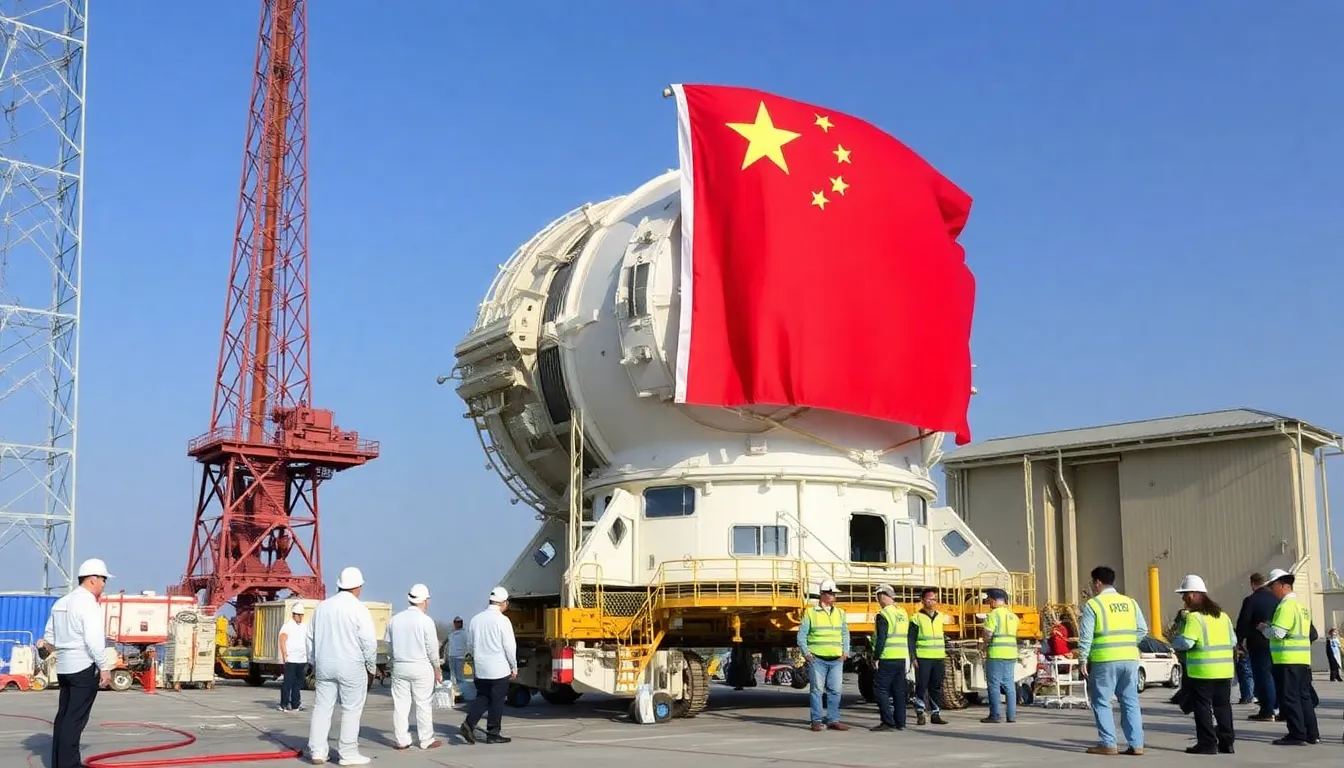
Frequently asked questions about lunar exploration
Future outlook on lunar exploration initiatives
The ongoing competition between China and the United States in lunar exploration signifies a pivotal moment in space exploration history. As both nations ramp up their efforts, the implications extend beyond scientific discovery to geopolitical dynamics, technological advancements, and international collaboration in space. The race back to the moon not only highlights the capabilities of each nation but also their strategic priorities in establishing a presence on the lunar surface.
Monitoring the developments in lunar missions will provide insights into future space policies and potential collaborations. As both countries advance their lunar ambitions, the outcomes may reshape global partnerships and influence the direction of space exploration for years to come.
- Technological Innovation: Watch for advancements in propulsion and robotics that may emerge from lunar missions, potentially benefiting other sectors.
- Geopolitical Implications: The outcomes of lunar exploration may influence international relations, particularly in space governance and resource sharing.
- Commercial Opportunities: The involvement of private companies in lunar missions could lead to new business models and investment in space-related technologies.
- International Collaboration: Potential partnerships may arise as nations recognize the benefits of working together on shared lunar goals.