


Overview of the Recent Prisoner Swap
In a significant diplomatic development, a prisoner swap involving Belarus, Poland, and several other nations has successfully resulted in the release of ten individuals. The exchange took place on October 15, 2023, amidst ongoing tensions in the region, highlighting the complexities of international relations and humanitarian efforts, similar to past events where such swaps were pivotal in negotiations.
The individuals involved in the swap included prisoners held for various offenses, with some accused of political dissent. This exchange has drawn attention from human rights organizations and political analysts, who view it as a potential step towards easing strained relations between the countries involved.
Belarusian officials confirmed the completion of the swap, stating that it was conducted in a secure manner and facilitated by intermediaries from other nations. Meanwhile, Polish authorities expressed satisfaction with the outcome, emphasizing the importance of dialogue and cooperation in resolving such sensitive issues.
This event marks a notable moment in the ongoing discourse surrounding prisoner rights and diplomatic negotiations in Eastern Europe. As nations continue to navigate their complex relationships, the implications of this swap may influence future diplomatic engagements and humanitarian initiatives.
Historical Context of Belarus-Poland Relations
The relationship between Belarus and Poland has been shaped by a complex history marked by territorial changes, cultural ties, and political tensions. Following the dissolution of the Soviet Union in 1991, Belarus emerged as an independent state, but its historical connections to Poland remained significant. The two countries share a border and have a long history of interaction, which includes periods of both cooperation and conflict.
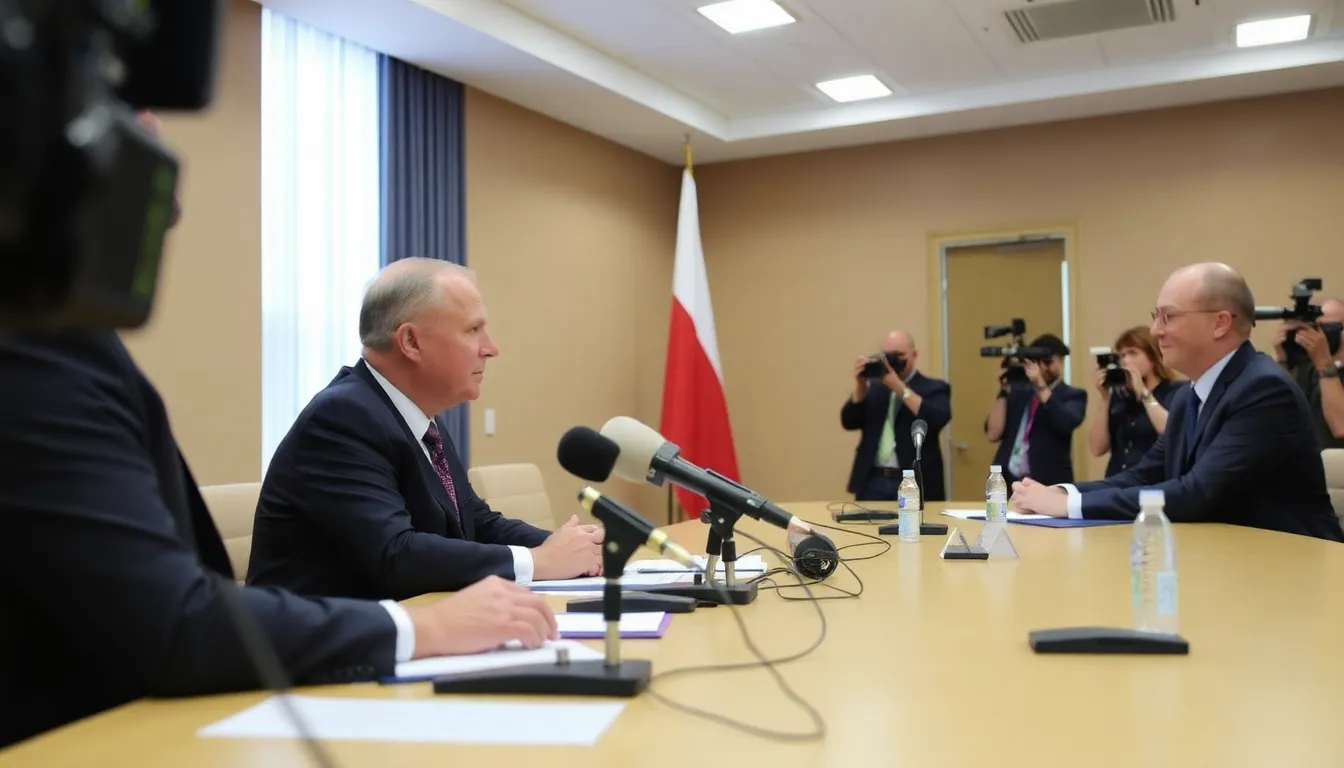
In the early 20th century, the region experienced significant upheaval, particularly during the interwar period when Poland regained independence after World War I. The borders established during this time included a substantial Belarusian population within Poland. This historical context has contributed to ongoing cultural and ethnic ties, but also to disputes over national identity and territorial integrity.
In recent years, political relations have been strained, particularly following the controversial presidential elections in Belarus in 2020, which led to widespread protests and international condemnation of the Belarusian government’s crackdown on dissent. Poland, along with other European nations, has been vocal in its support for Belarusian opposition movements, further complicating bilateral relations and drawing parallels with historical shifts in regional power dynamics.
Prisoner Swaps as a Diplomatic Tool
Prisoner swaps have been utilized as a diplomatic tool in international relations, often serving as a means to ease tensions and foster dialogue between conflicting nations. The recent agreement involving Belarus, Poland, and other nations to exchange prisoners is a significant milestone in their diplomatic interactions. This move not only reflects a willingness to engage in dialogue but also highlights the importance of humanitarian considerations in international relations.
Historically, such exchanges have been seen as a way to build trust and pave the way for further negotiations. The successful completion of this recent swap may indicate a potential thaw in relations, suggesting that both countries are interested in exploring avenues for cooperation despite their differences.
Key Stakeholders and Issues Involved in the Swap
The recent prisoner swap involving Belarus, Poland, and other nations highlights a complex web of stakeholders, each with distinct interests and motivations. Key actors in this scenario include the governments of Belarus and Poland, international organizations, and the individuals directly involved in the swap. Understanding their roles is crucial to grasping the broader implications of this event.
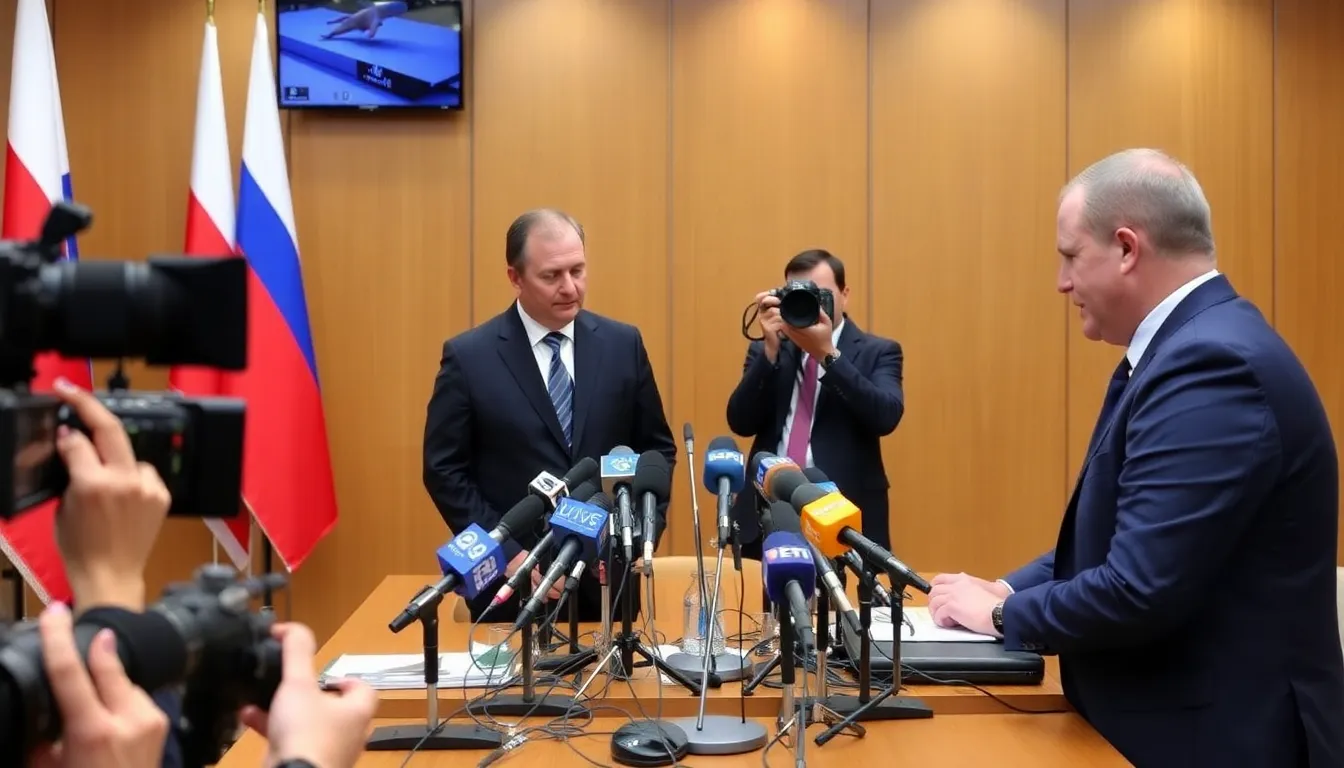
Belarus, under President Alexander Lukashenko, seeks to bolster its international standing amid ongoing tensions with Western nations. The release of prisoners may be viewed as a gesture of goodwill aimed at improving diplomatic relations and securing economic support. Conversely, Poland, which has been critical of Belarusian policies, aims to safeguard its national interests while navigating the delicate balance of regional diplomacy.
International organizations, such as the European Union and the United Nations, play a pivotal role in mediating such exchanges. Their involvement often reflects broader geopolitical dynamics, including human rights considerations and regional stability, much like the complexities observed in other recent global diplomatic efforts.
- Human Rights Concerns: The swap raises questions about the treatment of prisoners and the adherence to international human rights standards.
- Geopolitical Implications: The exchange could shift power dynamics in Eastern Europe, influencing future diplomatic relations.
- Legal Frameworks: The legality of the swap under international law may be contested, particularly regarding the rights of the prisoners involved.
- Public Sentiment: The reaction of the public in both Belarus and Poland could impact future negotiations and governmental policies.
In summary, the prisoner swap serves as a microcosm of larger geopolitical tensions, illustrating how individual actors’ interests can converge or clash in the pursuit of broader strategic goals. The outcome of this event may set precedents for future exchanges and influence the diplomatic landscape in the region.
Impact on Diplomatic Relations and Affected Families
The recent prisoner swap between Belarus, Poland, and other nations has significant implications for various groups, including the families of those released, diplomatic entities, and the broader geopolitical landscape. Families of the freed prisoners experience immediate emotional relief, while their reintegration into society poses both challenges and opportunities.
In the short term, the swap may lead to a thaw in diplomatic relations between Belarus and Poland, potentially opening avenues for further negotiations on humanitarian issues. This could impact regional stability, as both nations navigate their relationships with larger entities such as the European Union and Russia.
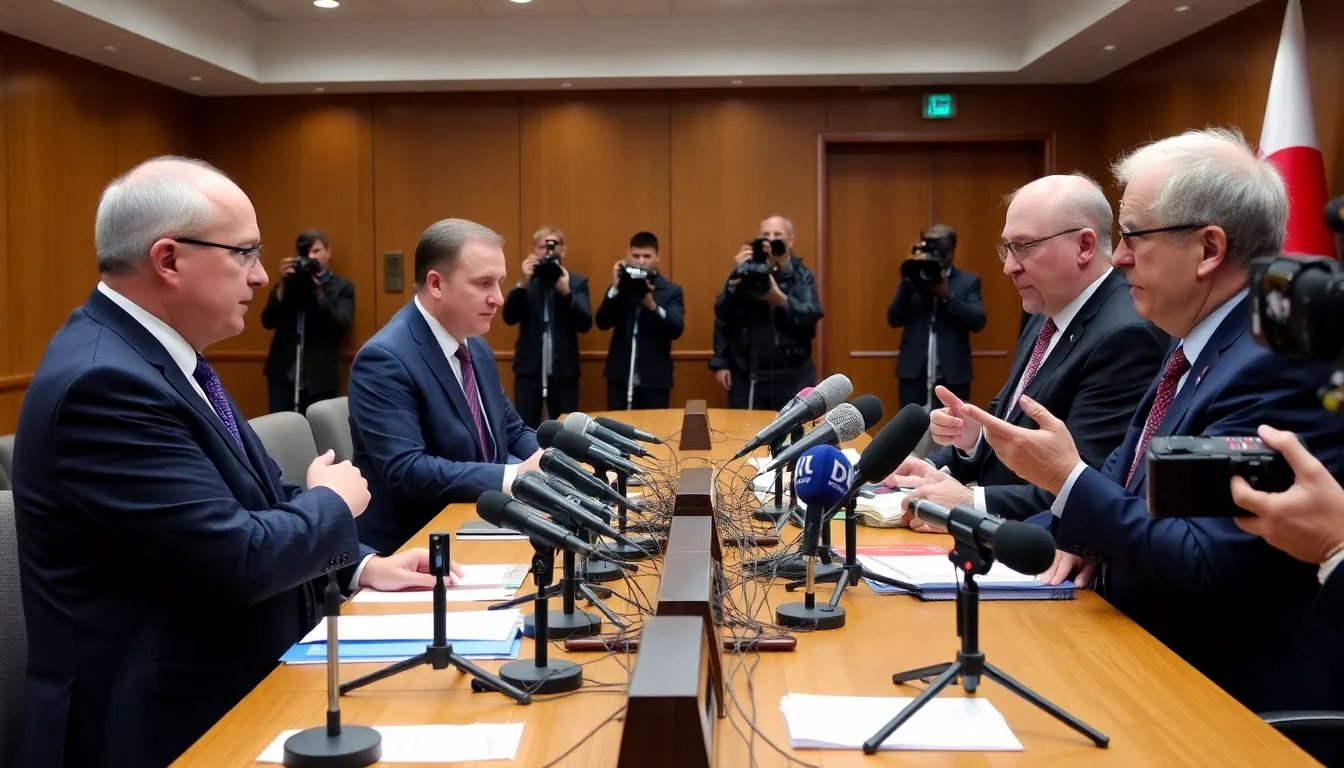
Industries such as tourism and trade may also feel the effects of improved diplomatic ties. Enhanced cooperation could facilitate smoother trade routes and increased travel opportunities between the nations involved. However, this optimism must be tempered with caution, as the political landscape remains volatile.
- Families of released prisoners: Experience emotional relief and potential financial strain during reintegration.
- Diplomats and government officials: Face pressure to maintain momentum in negotiations and manage public sentiment.
- Businesses: May benefit from increased trade opportunities but should prepare for potential regulatory changes.
In the mid-term, the success of the swap could lead to more comprehensive discussions on human rights and political prisoners, influencing policy changes within the involved nations. However, there is a risk that backlash from hardline factions could undermine these diplomatic efforts, resulting in renewed tensions.
A: The prisoner swap aimed to improve diplomatic relations between Belarus and Poland while addressing humanitarian concerns for the individuals involved. A: A total of ten individuals were exchanged between Belarus, Poland, and other nations as part of this diplomatic effort. A: The swap may signal a thawing of relations between Belarus and Poland, potentially leading to further diplomatic negotiations in the future. A: While specific conditions were not publicly disclosed, such exchanges typically involve negotiations regarding the treatment and future of the exchanged individuals. A: Families of the freed individuals have expressed relief and gratitude, highlighting the emotional significance of the swap for those affected.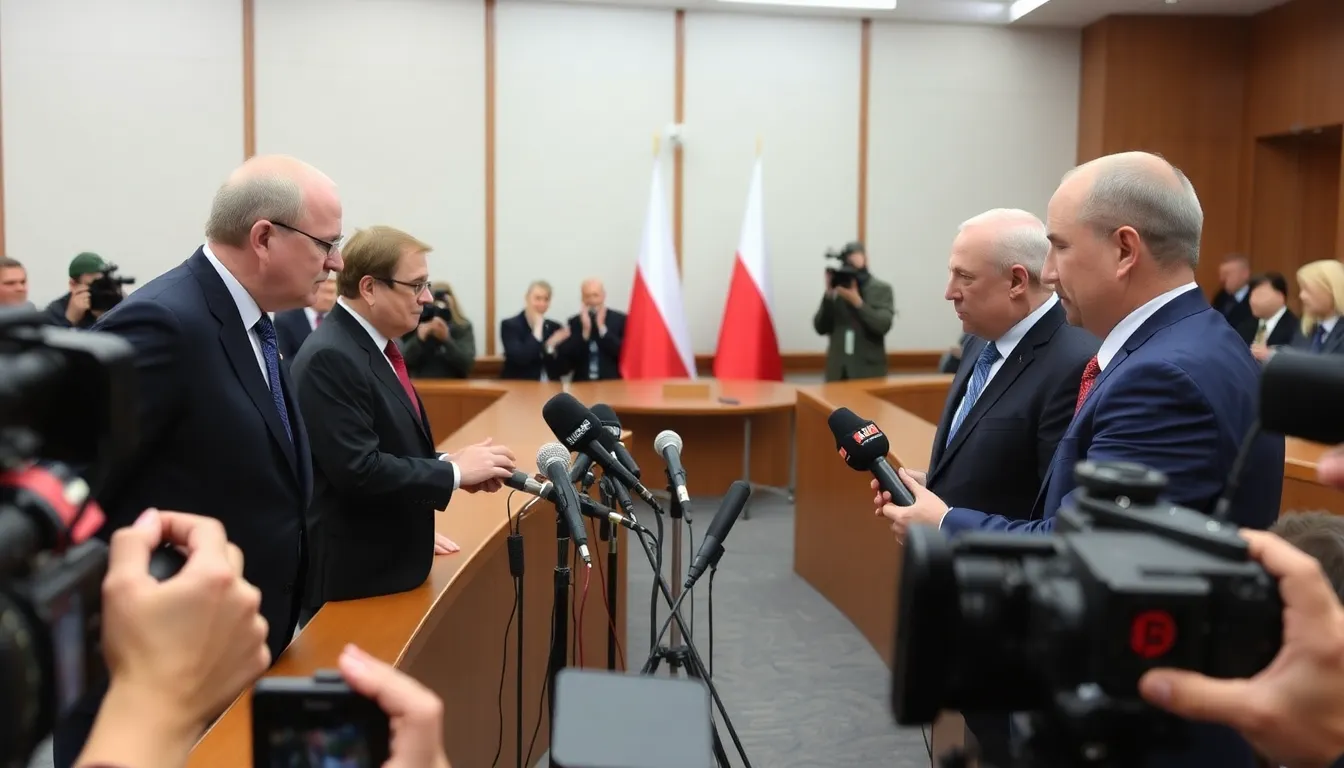
Frequently Asked Questions About the Prisoner Swap
Future Implications and Key Takeaways from the Swap
The recent prisoner swap involving Belarus, Poland, and other nations marks a significant diplomatic maneuver that could reshape regional relations and influence future negotiations. This event not only highlights the complexities of international diplomacy but also underscores the potential for collaboration among countries with historically strained ties. As nations navigate the aftermath of this exchange, the implications for security, human rights, and bilateral relations will be closely monitored.
In the coming months, the focus will likely shift to how this swap affects ongoing dialogues regarding political prisoners and human rights issues. The willingness of countries to engage in such exchanges may pave the way for more comprehensive discussions on broader geopolitical concerns, including trade and security agreements.
- The swap may encourage similar negotiations in the future, signaling a shift towards more pragmatic diplomatic relations.
- Watch for potential changes in public opinion regarding government policies on prisoner treatment and human rights.
- This event could lead to increased pressure on other nations to engage in dialogue surrounding political prisoners.
- Monitor how this exchange impacts the balance of power in the region, particularly between Belarus and its neighbors.
- The success or failure of this swap may influence future collaborations on humanitarian grounds.