


The ban, announced by the Ministry of Industry and Information Technology on October 10, 2023, is aimed at addressing concerns over security and the potential misuse of drone technology. For more on regulatory actions in technology, see our article on major airline bans.
Major drone manufacturers, including DJI, are expected to be impacted by this ban, as Beijing serves as a critical hub for technology and innovation in China. The decision comes at a time when the global drone market is experiencing rapid growth, raising questions about how this restriction will affect China’s position in the industry, similar to the challenges discussed in our piece about the pursuit of immortality among the wealthy.
Furthermore, this ban aligns with the Chinese government’s ongoing efforts to enhance control over emerging technologies, particularly in sensitive areas. By restricting drone sales, authorities aim to ensure that the use of such technologies remains compliant with national security protocols and does not undermine public order; this mirrors concerns addressed in our exploration of brain stimulation technology.
Background on China’s Regulatory Environment for Drones
China has rapidly emerged as a global leader in drone technology, with significant investments in both commercial and military applications. The country’s drone industry has seen exponential growth over the past decade, driven by advancements in technology and increasing demand for aerial surveillance, agriculture, and logistics. However, this rapid development has also raised concerns regarding safety, security, and privacy, leading to a more stringent regulatory environment.
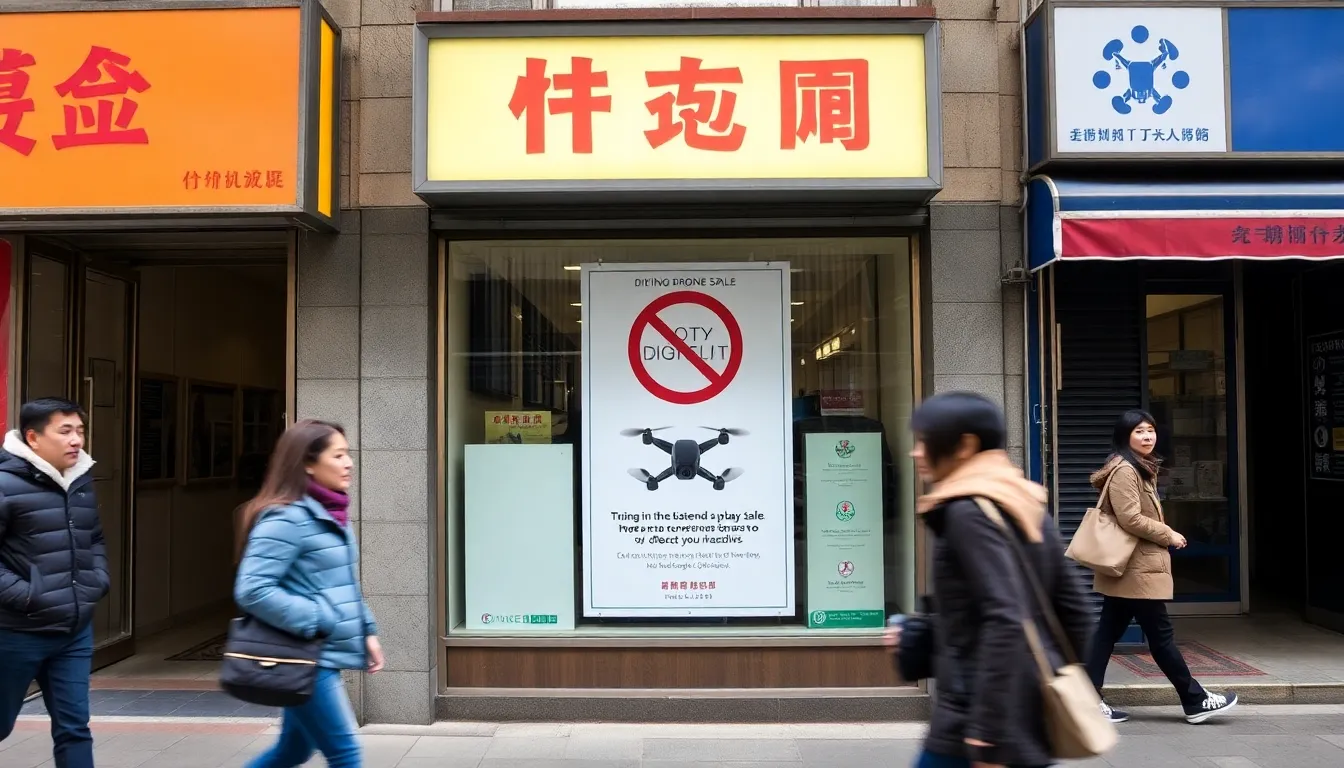
Historically, the Chinese government has maintained strict controls over various sectors, especially those with potential implications for national security. The introduction of the Civil Aviation Administration of China (CAAC) regulations in 2016 marked a pivotal moment in the governance of drone operations. These regulations established a framework for drone registration, pilot licensing, and operational limitations, aimed at mitigating risks associated with the burgeoning drone market.
Political Motivations Behind the Ban
In recent years, Beijing has increasingly focused on the potential threats posed by unmanned aerial vehicles (UAVs) in urban environments. The city’s dense population and strategic significance make it a focal point for government surveillance and control. Incidents involving rogue drone operations, particularly those that have disrupted public events or posed security risks, have prompted authorities to take decisive action, including the recent ban on drone sales in the capital.
Economically, the move to restrict drone sales in Beijing can also be seen as a measure to protect domestic manufacturers while ensuring that the technology remains under state control. By limiting the availability of drones in sensitive areas, the government aims to foster a more secure environment for its citizens, while simultaneously encouraging innovation within the bounds of regulatory oversight.
As the landscape of drone technology continues to evolve, China’s regulatory framework is likely to adapt as well. The balance between fostering innovation and ensuring public safety will remain a critical challenge for policymakers, as they navigate the complexities of modern technology in a rapidly changing world.
Key Stakeholders and Issues Surrounding the Ban
The recent decision by the Chinese government to ban drone sales in Beijing has raised significant concerns among various stakeholders. The primary actors involved include the Chinese government, local businesses, drone manufacturers, and consumers. Each of these groups has distinct interests that are impacted by the ban, leading to a complex web of conflicts and trade-offs.
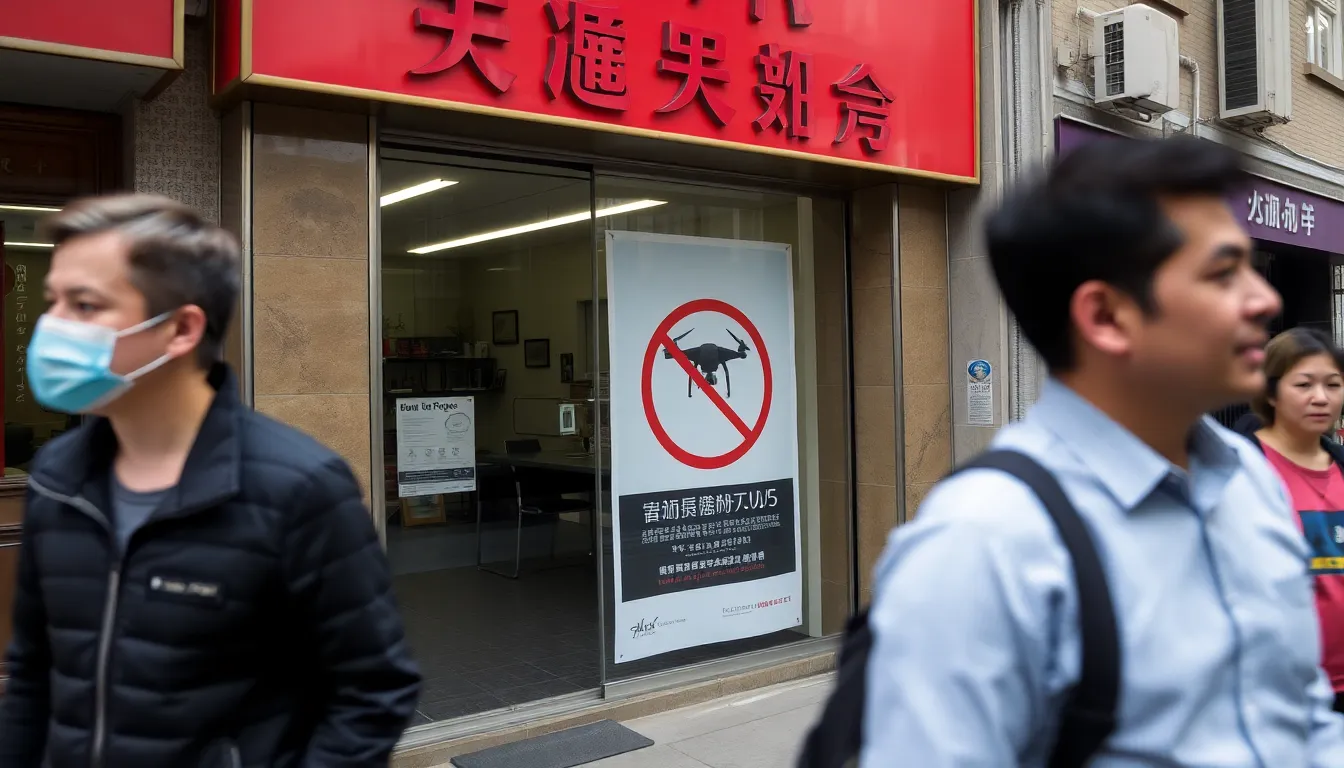
The Chinese government aims to enhance security and regulate airspace in urban areas, particularly in Beijing, which is a political and cultural hub. This move is perceived as a way to mitigate potential risks associated with unregulated drone usage, such as privacy violations and safety hazards. However, this regulatory approach may stifle innovation and economic growth within the drone industry.
Local businesses and drone manufacturers are significantly affected by the ban. Many of these companies have invested heavily in research and development, anticipating a growing market for commercial and recreational drones. The ban could lead to financial losses and job reductions, as companies may struggle to adapt to the new regulatory environment. Additionally, this situation raises questions about the future of drone technology in China and its competitiveness on a global scale.
Consumers, including hobbyists and professionals who utilize drones for various applications, also face challenges due to the ban. The restriction on sales limits access to the latest technology and services, which could hinder creative and practical uses of drones in sectors such as agriculture, photography, and delivery services. This creates a potential divide between urban and rural areas regarding technological access.
- Government Interests: Enhance security and manage airspace effectively.
- Business Concerns: Financial losses and reduced market opportunities for drone manufacturers.
- Consumer Impact: Limited access to drone technology and services for hobbyists and professionals.
- Economic Trade-offs: Balancing safety regulations with the need for innovation and economic growth.
- Global Competitiveness: Potential decline in China’s position in the global drone market.
Who Will Be Affected by the Drone Sales Ban?
The recent ban on drone sales in Beijing will have a significant impact on various groups, industries, and regions. Primarily, the restrictions will affect drone manufacturers, retailers, and consumers within the capital city. The ban is likely to disrupt the supply chain for companies that rely on drones for commercial purposes, including agriculture, real estate, and logistics. Additionally, hobbyists and tech enthusiasts who use drones for personal recreation will also feel the effects of this policy change.
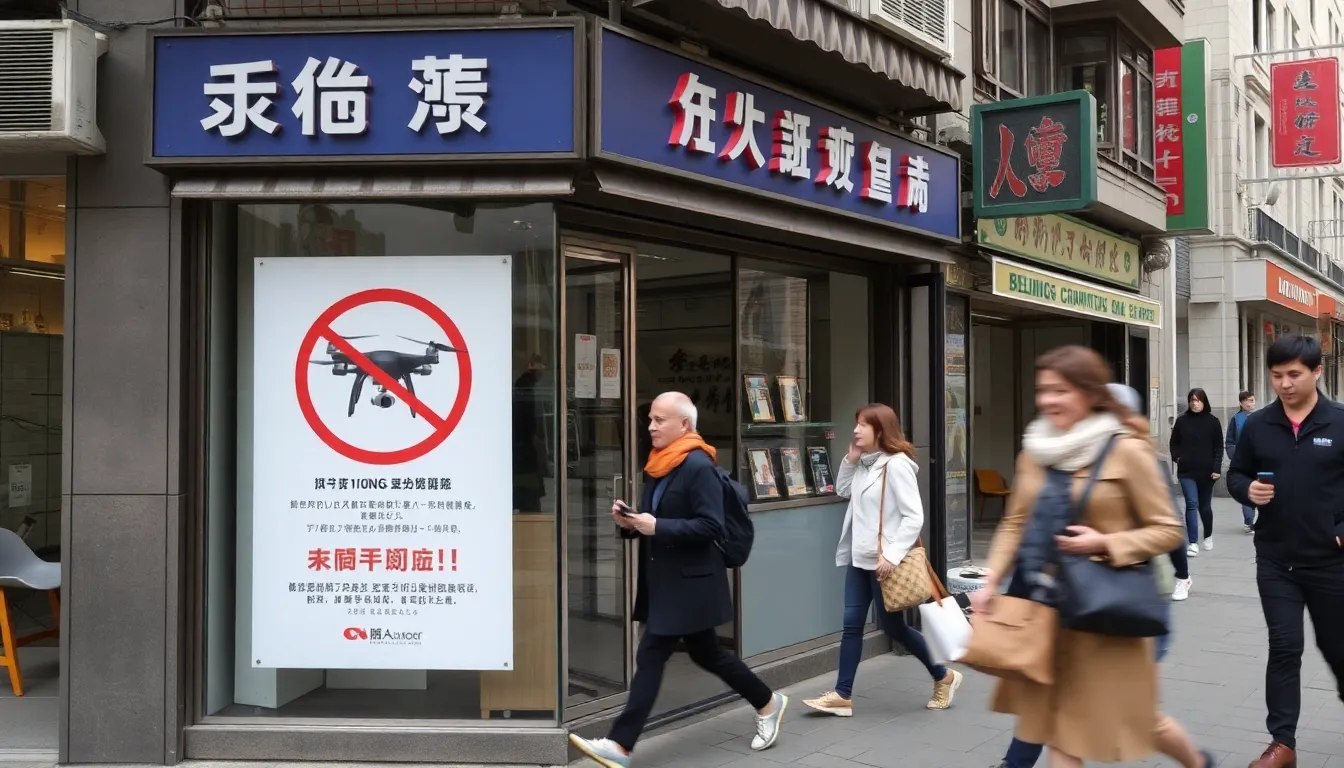
In the short term, businesses that sell drones or utilize them for operations may experience a decline in sales and revenue. Retailers may face excess inventory, while companies that incorporate drones into their workflows will need to seek alternative solutions or technologies. This sudden shift could lead to layoffs in the drone retail sector and related industries, impacting local economies. Furthermore, the ban may hinder technological innovation in the drone sector, as companies may be less inclined to invest in research and development.
In the mid-term, the policy could lead to a more significant shift in public perception regarding drone usage and regulation. As the government enforces stricter controls, there may be a growing demand for legal and compliance services to navigate the changing landscape. This could create opportunities for businesses specializing in regulatory consulting and compliance technology. Additionally, companies that pivot to alternative technologies, such as ground-based delivery systems, may find new avenues for growth.
- Short-term impacts: Decline in sales and potential layoffs.
- Mid-term impacts: Increased demand for compliance services and alternative technologies.
- Risks: Disruption of supply chains and reduced innovation.
- Opportunities: Growth in consulting and technology sectors.
Overall, the ban on drone sales in Beijing will reverberate across multiple sectors, prompting both challenges and new business opportunities as stakeholders adapt to the evolving regulatory environment.
A: The ban is primarily aimed at enhancing security and regulating airspace usage. Authorities are concerned about the potential misuse of drones for surveillance and other illegal activities. A: Manufacturers may face significant losses due to reduced sales opportunities in a major market. Companies will need to adapt their strategies to comply with new regulations. A: Certain types of drones, especially those used for commercial purposes and approved by the government, may still be allowed. However, personal use drones are largely restricted. A: Drone enthusiasts may find it challenging to purchase new devices or parts. The ban limits recreational use, affecting hobbyists and community events. A: The specific timeline for the implementation of the ban has not been disclosed yet, but it is anticipated to be enforced in the near future.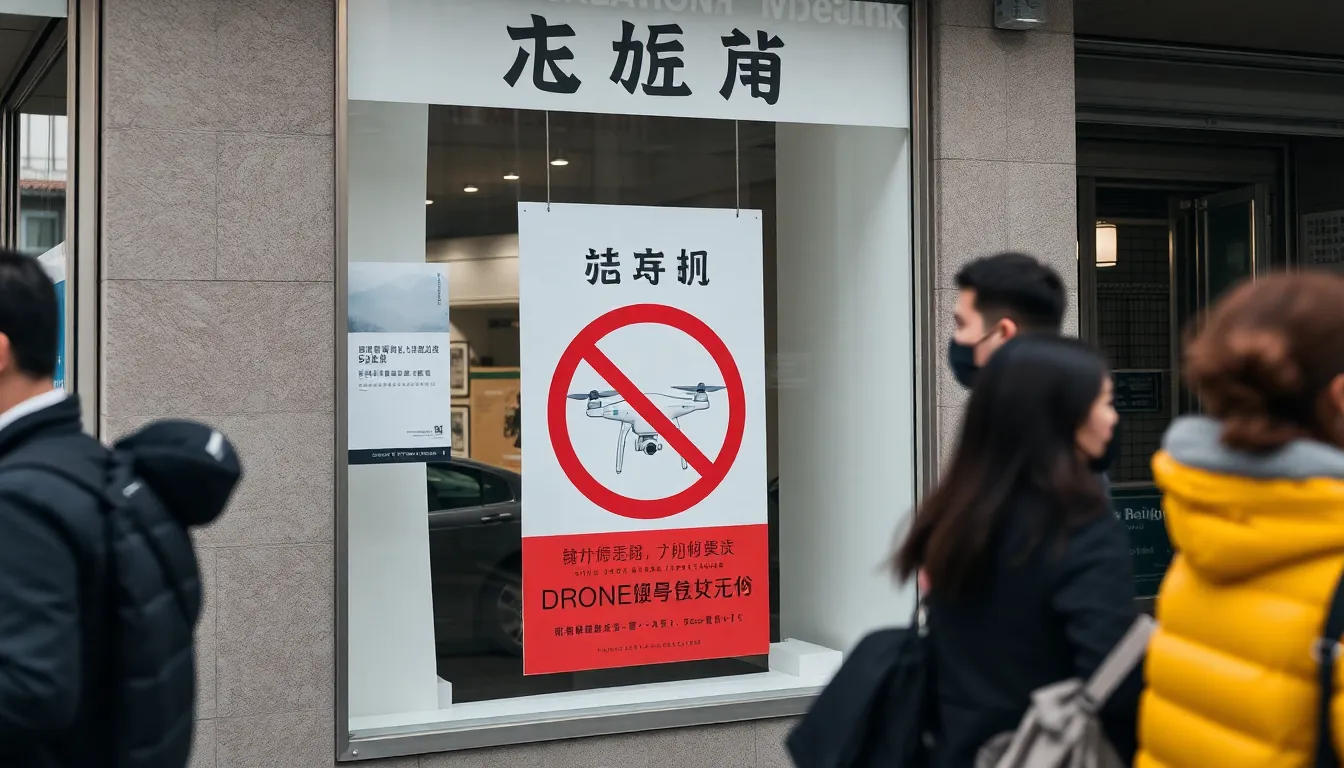
Frequently Asked Questions About the Ban
Key Insights and Future Outlook on Drone Sales in China
The recent ban on drone sales in Beijing reflects China’s growing concerns over security and regulatory control in a rapidly evolving technological landscape. This measure is indicative of broader governmental efforts to manage the proliferation of unmanned aerial vehicles, which can pose risks if left unchecked. As the global drone market continues to expand, the implications of this ban may resonate beyond China, influencing international trade dynamics and technological collaborations.
Stakeholders, including manufacturers and consumers, should closely monitor how these regulations evolve and their potential impact on the industry. The shift in policy may lead to increased investment in domestic drone technology and innovation, as companies adapt to the new regulatory environment while ensuring compliance with government standards.
- Increased focus on domestic drone production may stimulate local economies and innovation.
- International drone manufacturers may need to reassess their strategies for entering or operating in the Chinese market.
- Potential for enhanced surveillance and security measures as the government tightens control over drone usage.
- Watch for shifts in consumer behavior as public sentiment towards drones evolves in response to regulatory changes.
- Future collaborations between tech firms and government entities could reshape the landscape of drone technology development.