


The airline announced the policy change on October 15, 2023, emphasizing the importance of a respectful and safe environment for both staff and passengers. By taking this stance, the airline aims to ensure that its employees can perform their duties without the fear of being filmed or misrepresented online. This decision is in line with the growing movement in various industries to protect individual privacy.
Industry experts note that this policy reflects a growing trend among airlines to address the challenges posed by social media and the viral nature of video content. As incidents of unauthorized filming have risen, airlines are recognizing the need to protect their staff’s dignity and privacy while maintaining a positive travel experience for customers.
Passengers are encouraged to respect the privacy of airline employees and to seek permission before recording any interactions. This initiative not only aims to foster a more respectful atmosphere onboard but also seeks to mitigate the potential for negative publicity that can arise from unauthorized recordings.
Understanding the rise of privacy concerns in the airline industry
In recent years, the airline industry has faced increasing scrutiny regarding passenger privacy and the rights of employees. The proliferation of smartphones equipped with high-quality cameras has made it easier for passengers to record interactions with airline staff, leading to a growing number of incidents where employees are filmed without consent. This trend has sparked debates about the balance between transparency and privacy, prompting airlines to take a stand on the issue, similar to the way regulatory bodies navigate privacy laws.

Historically, the airline industry has been a microcosm of broader societal changes regarding privacy and surveillance. With the rise of social media, incidents that were once confined to personal experiences can now be broadcast to a global audience in real-time. This shift has raised concerns about the potential for harassment and the misuse of recorded content, compelling airlines to implement policies that protect their employees while still ensuring passenger rights are respected, an ongoing challenge for many sectors.
The Role of Social Media
Social media platforms have played a pivotal role in shaping public perception and behavior. Viral videos can quickly escalate situations and lead to public outrage, often without full context. This phenomenon has led to a heightened awareness of the potential consequences of filming airline staff, prompting airlines to establish clear guidelines regarding recording policies. The goal is not only to safeguard employees but also to maintain a respectful and safe environment for all passengers.
Furthermore, legal frameworks surrounding privacy rights have evolved, with various jurisdictions implementing stricter regulations on recording individuals without consent. Airlines must navigate this complex landscape, balancing the need for operational transparency with the legal and ethical implications of privacy violations. As a result, the recent ban on filming staff without consent reflects a broader trend within the industry to prioritize the well-being of employees while addressing the concerns of passengers.
Ultimately, the decision to ban secret filming highlights a significant shift in the airline industry’s approach to privacy. By taking proactive measures, airlines aim to foster a culture of respect and accountability, ensuring that both passengers and staff can engage in a safe and secure travel experience.
Key stakeholders and implications of the new filming policy
The recent decision by major airlines to prohibit passengers from secretly filming staff without consent has sparked a multifaceted discussion among various stakeholders. Key actors include airline companies, their employees, passengers, regulatory bodies, and privacy advocates. Each group has distinct interests that shape their perspectives on this policy.
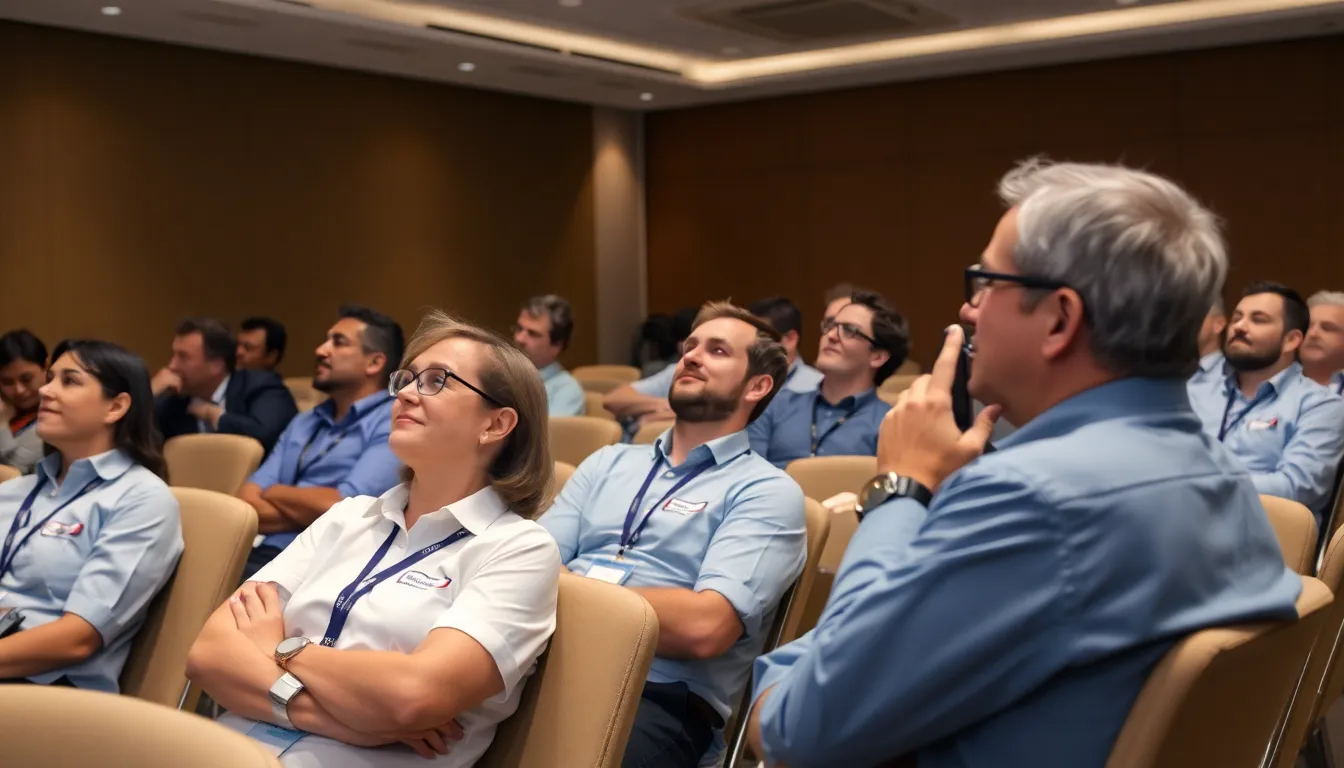
Airlines are primarily motivated by the need to protect their staff from harassment and ensure a safe working environment. By banning unauthorized filming, they aim to mitigate potential conflicts and maintain a professional atmosphere. Employees, including flight attendants and ground staff, often express concerns about being filmed without consent, which can lead to misuse of footage and invasion of privacy.
Passengers, on the other hand, may have mixed reactions. While some support the policy as a necessary measure for staff protection, others may view it as an infringement on their rights to document their travel experiences. This tension raises important questions about the balance between personal freedom and the rights of employees in the workplace.
Regulatory bodies may also play a role in this discussion, as they are tasked with establishing guidelines that protect both consumer rights and employee welfare. Legal implications surrounding privacy laws and consent are central to this debate, as varying jurisdictions may interpret these issues differently. Furthermore, economic considerations come into play, as airlines must navigate customer satisfaction while safeguarding their workforce.
- Airlines aim to create a safe work environment for employees.
- Employees seek protection from potential harassment and privacy violations.
- Passengers may feel their rights to document experiences are being curtailed.
- Regulatory bodies must balance consumer rights with employee protections.
- Legal and economic implications impact how airlines implement this policy.
Effects on passengers, staff, and the airline market
The recent decision by major airlines to ban passengers from secretly filming staff without consent impacts various groups, including passengers, airline employees, and the broader airline industry. This policy shift is particularly relevant in regions with high tourist traffic, where interactions between staff and passengers are frequent and diverse.
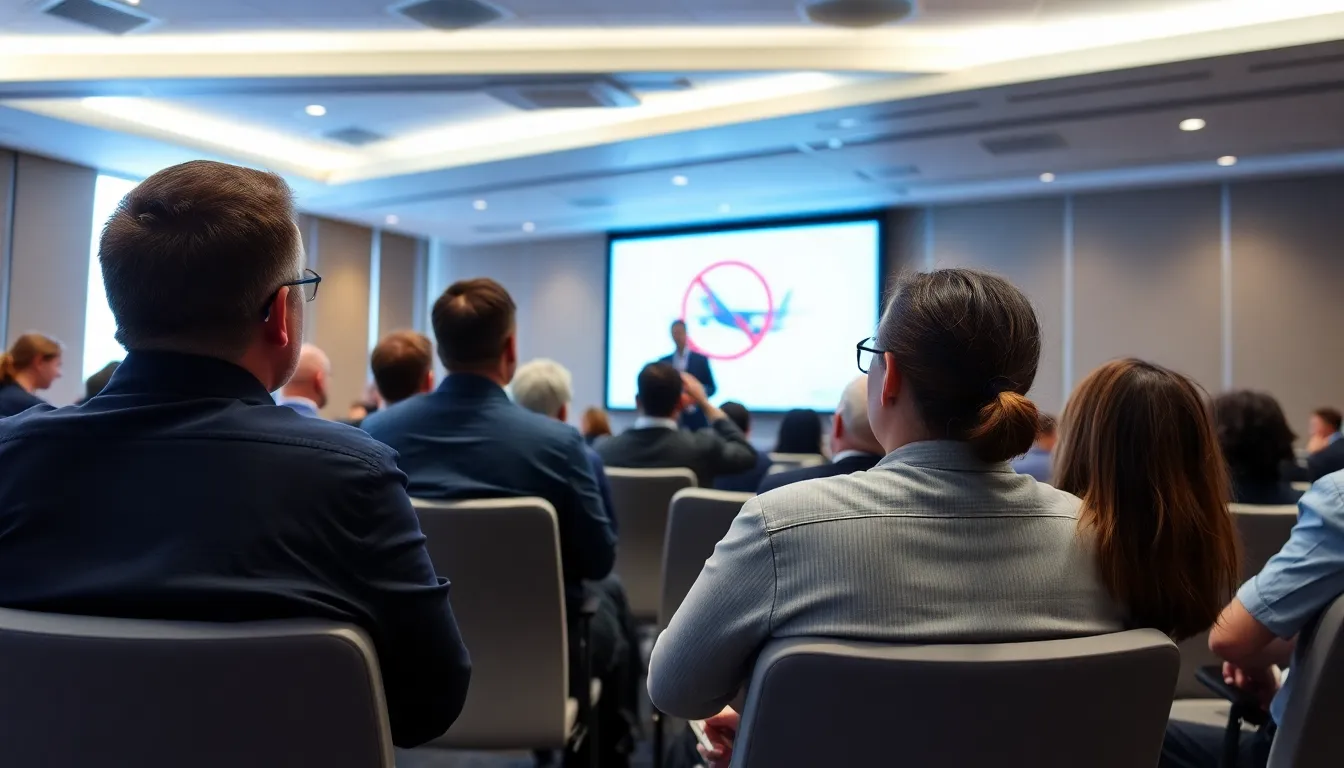
In the short term, this ban may lead to a more respectful atmosphere during flights, potentially reducing incidents of harassment and conflict between passengers and crew. Passengers may feel more at ease knowing that their interactions are not subject to unauthorized recording, while staff can perform their duties without the fear of being filmed without consent.
However, the policy could also lead to confusion among passengers regarding what constitutes acceptable behavior. Some may perceive this as an infringement on their rights, leading to pushback from consumer advocacy groups. In the mid-term, airlines may need to invest in clearer communication strategies and signage to educate travelers about the new rules.
On the business side, airlines might experience a mixed impact. While the ban could enhance employee morale and job satisfaction, it may also deter some customers who value transparency and the ability to document their experiences. This duality presents both risks and opportunities for airlines as they navigate customer expectations.
- Risks: Potential backlash from passengers who feel their rights are restricted.
- Opportunities: Improved staff morale and enhanced customer service quality.
- Industry Impact: Airlines may need to adjust policies and training to align with new regulations.
A: The airline has implemented this ban to protect the privacy of its employees and ensure a safe working environment. Unauthorized filming can lead to harassment and breaches of personal privacy. A: Passengers caught filming staff without consent may face removal from the flight, legal action, or being banned from future travel with the airline. A: The airline plans to train its staff to recognize unauthorized filming and report incidents to security personnel, who will take appropriate action. A: Generally, the ban applies to all filming of staff without consent. However, passengers may film in public areas where filming is permitted, as long as it does not involve staff. A: Initial reactions from passengers have been mixed, with some supporting the protection of staff privacy while others express concern over restrictions on personal freedom.
Frequently asked questions about the filming ban
Future outlook on airline privacy policies and passenger behavior
The recent decision by a major airline to prohibit passengers from secretly filming staff without consent marks a significant shift in the industry’s approach to privacy and safety. This policy not only aims to protect employees from potential harassment and invasion of privacy but also reflects a growing awareness of the ethical implications surrounding technology use in public spaces. As airlines navigate this evolving landscape, understanding the balance between passenger rights and staff privacy will be crucial.
Moving forward, airlines may need to implement clearer guidelines and enhance communication with passengers regarding acceptable behavior. The implications of this policy could extend beyond the airline in question, potentially influencing industry-wide standards and shaping customer expectations regarding privacy and consent in various travel contexts.
- Airlines may adopt similar policies, creating a unified standard for staff privacy across the industry.
- Increased training for staff on handling situations involving filming and privacy concerns may become commonplace.
- Passengers could become more aware of their actions and the potential consequences of filming in public spaces.
- Legal implications surrounding consent and privacy in travel could lead to further regulatory scrutiny and changes.
- Airlines might explore technology solutions to manage filming and ensure compliance with privacy policies.