


The production features a mix of professional dancers and talented students, highlighting the growing interest in ballet among the Kenyan youth. With a diverse cast, the ballet aims to reflect the cultural richness of Kenya while staying true to the original choreography by Marius Petipa and the music composed by Pyotr Ilyich Tchaikovsky. This adaptation not only celebrates the holiday season but also serves as a platform for aspiring dancers, such as those in the local ballet programs.
The Nutcracker’s relevance extends beyond entertainment; it plays a vital role in fostering appreciation for the arts in Kenya. The performances have garnered support from various stakeholders, including local businesses and cultural organizations, which recognize the importance of the arts in community building. As the ballet continues to draw crowds, it underscores the potential for growth in Kenya’s performing arts scene.
In light of recent challenges faced by the arts sector due to the pandemic, the successful staging of this ballet serves as a beacon of hope for artists and audiences alike. The event has sparked discussions about the future of performing arts in Kenya and the need for sustained investment in cultural initiatives. As the curtain rises on this beloved classic, it offers a moment of joy and reflection for many in the community, reminiscent of the themes found in other performing arts productions.
Understanding the significance of ballet in Kenyan culture
Ballet, traditionally associated with Western culture, has found a unique place in Kenya’s diverse artistic landscape. The introduction of ballet to the country can be traced back to the late 20th century, when a handful of dance schools began offering classes, aiming to blend classical techniques with local dance forms. This fusion has not only enriched the artistic expression but has also allowed ballet to resonate with Kenyan audiences in a way that honors both its origins and local traditions.
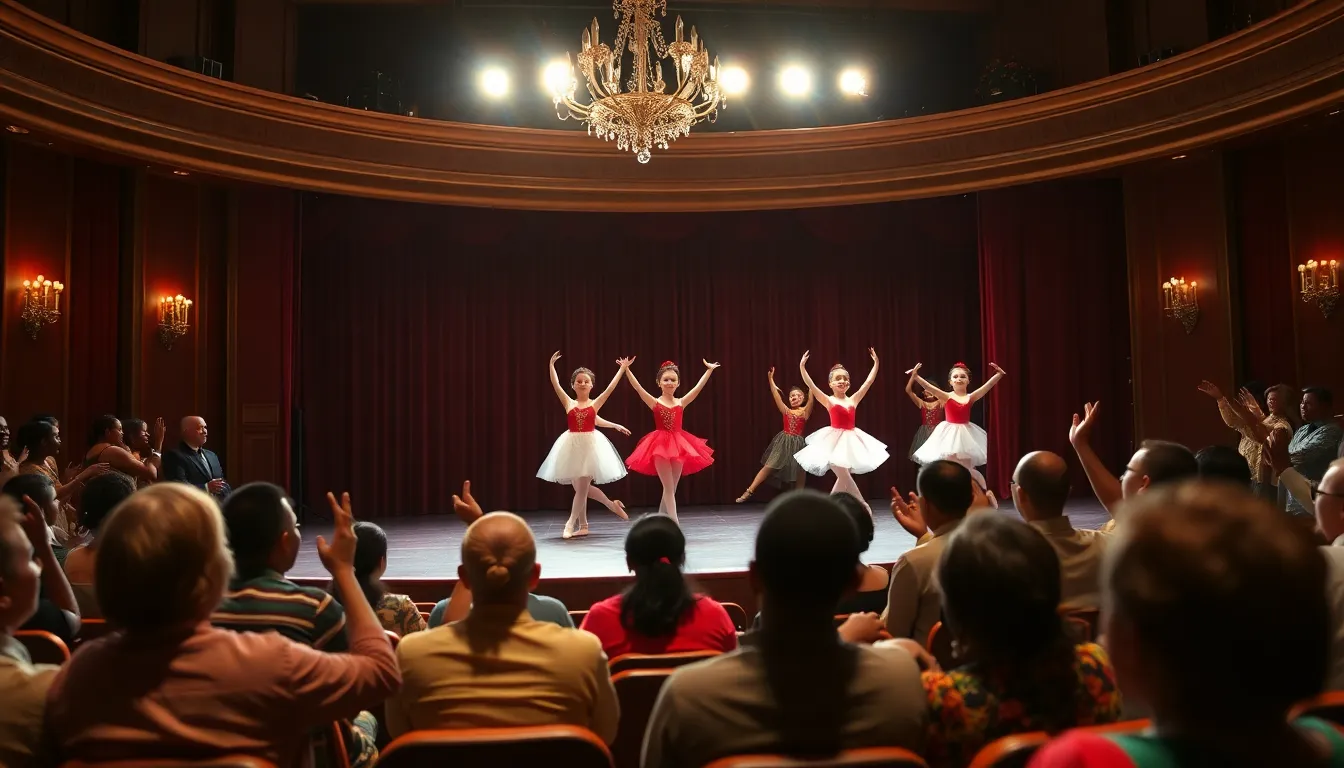
The political landscape of Kenya has also played a role in the evolution of ballet within its borders. Following independence in 1963, there was a strong push to promote African culture and identity. Ballet companies and schools emerged as platforms for young Kenyans to explore and express their cultural narratives through dance, challenging the notion that ballet was solely a Western art form.
Economically, the growth of ballet in Kenya has been supported by various initiatives and sponsorships aimed at promoting the arts. The establishment of the Kenya National Ballet in 2001 marked a significant milestone, providing a structured environment for dancers to train and perform. This institution has not only elevated the standards of ballet in the country but has also created opportunities for international collaborations, showcasing Kenyan talent on global stages.
The role of community and education
Community involvement has been crucial in fostering a love for ballet among the youth. Schools and non-profit organizations have introduced ballet programs in underserved areas, making the art form accessible to a broader demographic. These initiatives not only cultivate talent but also instill discipline and creativity in young people, contributing to a vibrant cultural scene that celebrates both local and global influences, just as seen in the recent pressures faced by various artists including those in other creative fields.
As Kenya continues to embrace its artistic heritage, the Nutcracker ballet has emerged as a symbol of this cultural evolution. The adaptation of such a classic ballet into the Kenyan context exemplifies the country’s ability to reinterpret and celebrate the arts, making it a significant event in the local cultural calendar.
Key stakeholders and their roles in the production
The production of ‘The Nutcracker’ ballet in Kenya involves a diverse array of stakeholders, each with distinct interests and contributions. These include local ballet companies, government bodies, sponsors, and the community at large. Understanding their roles is crucial to grasping the dynamics of this cultural event.
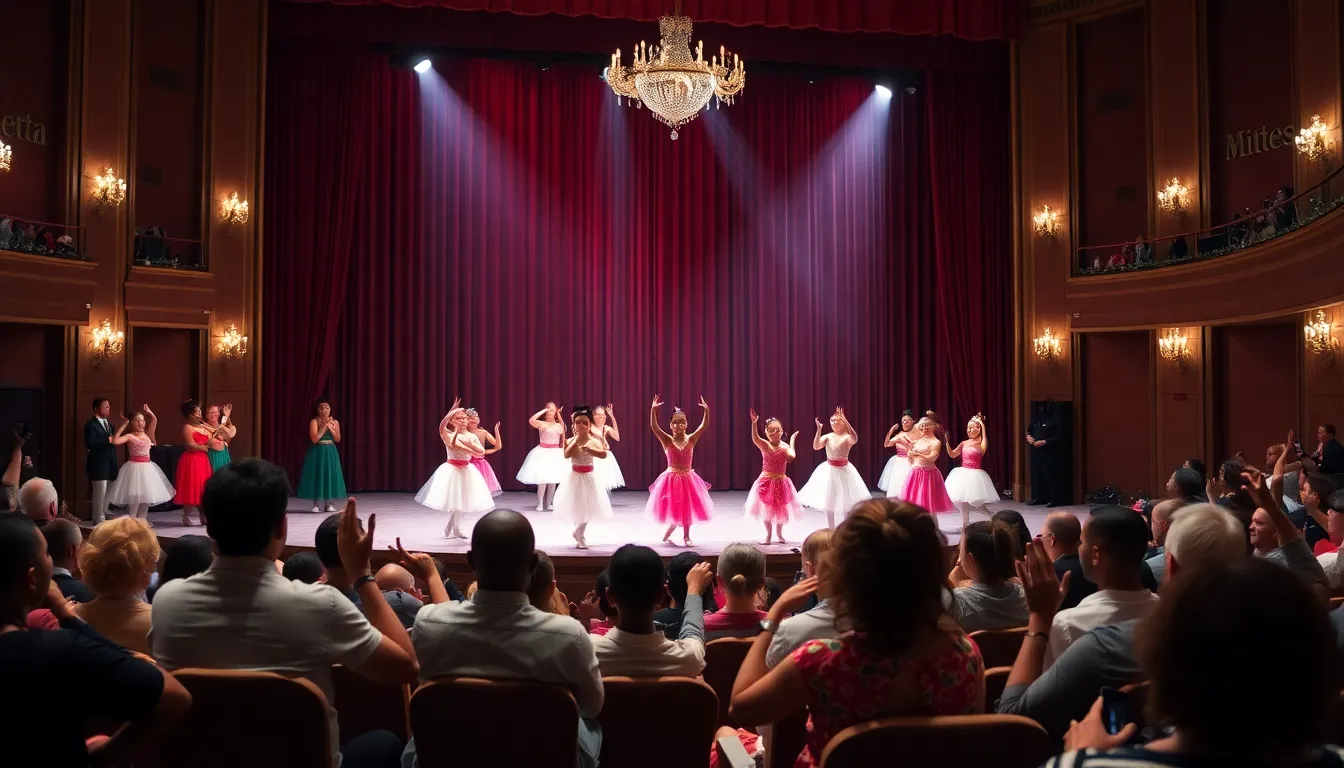
Local ballet companies, such as the Kenya Ballet Theatre, are at the forefront of the production. Their primary interest lies in showcasing Kenyan talent and promoting the art of ballet within the country. By staging ‘The Nutcracker’, they aim to attract a wider audience and elevate the profile of ballet in Kenya, which has traditionally been overshadowed by other art forms.
Government entities, including the Ministry of Culture and Heritage, play a significant role in supporting the arts through funding and policy-making. Their involvement is driven by a desire to promote cultural heritage and tourism. However, there are often trade-offs between supporting local arts and addressing broader economic issues, such as infrastructure development and education.
- Funding and sponsorship: Securing financial backing from both public and private sectors is crucial for the production’s success.
- Community engagement: Engaging local communities can create a supportive environment, but it may also lead to conflicting interests regarding cultural representation.
- Legal considerations: Copyright issues related to the original choreography and music must be navigated to ensure compliance and avoid legal disputes.
- Economic impact: The production has the potential to boost local economies through increased tourism and related business opportunities.
In addition to these stakeholders, the audience itself plays a pivotal role. Their reception of the performance can influence future productions and funding opportunities. As interest in ballet grows, there may be a shift in the cultural landscape of Kenya, highlighting the importance of collaboration among all parties involved.
The impact of The Nutcracker on the local arts scene
The Nutcracker ballet, with its enchanting music and captivating choreography, has the potential to significantly influence various sectors within Kenya. Primarily, the local arts community, including dancers, choreographers, and theater companies, stands to benefit from increased visibility and engagement. This production not only showcases local talent but also attracts international attention, potentially leading to more collaborative projects and funding opportunities.
In the short term, the ballet’s performance can stimulate local businesses, particularly those in the hospitality and tourism sectors. Restaurants, hotels, and transportation services may experience increased demand as audiences flock to attend the performances. Additionally, local artisans and vendors can benefit from the influx of visitors, creating a vibrant marketplace around the event.
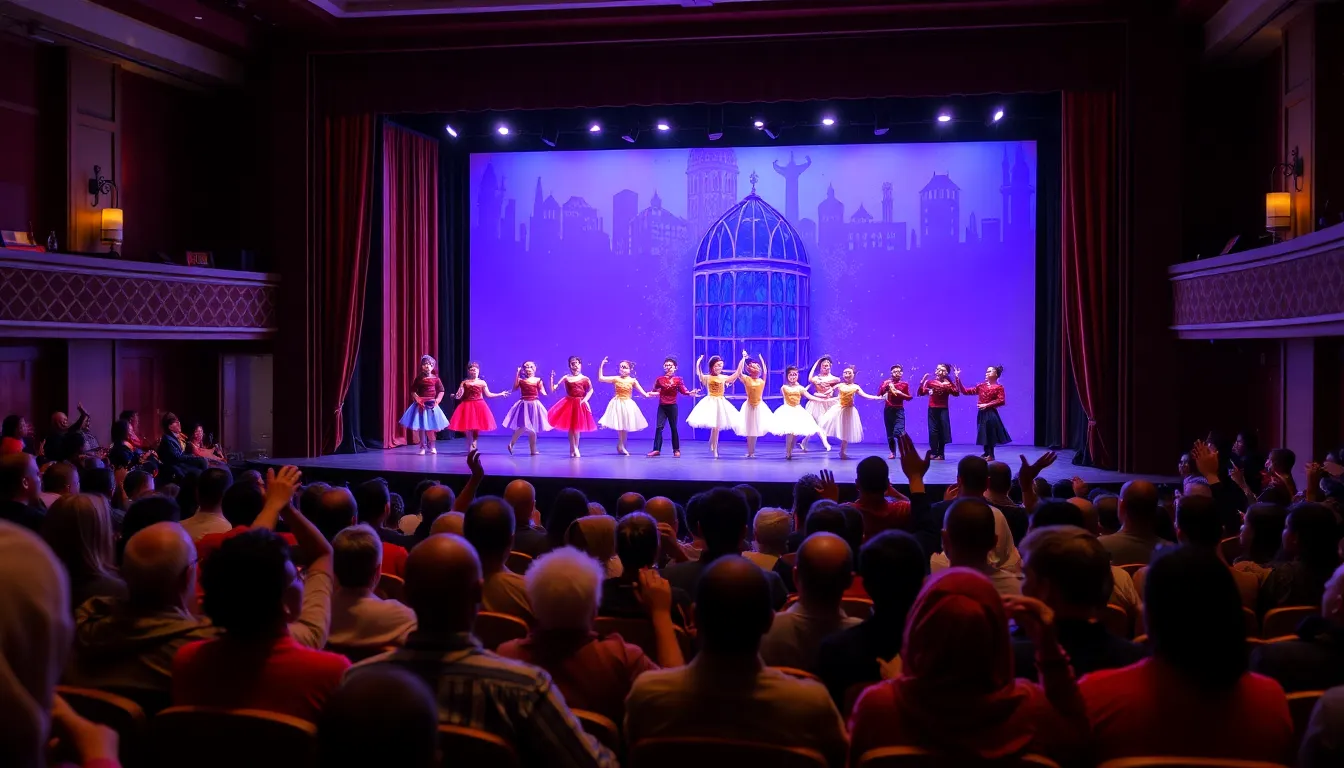
However, there are also risks involved. If the production does not meet audience expectations or if ticket sales are lower than projected, it could lead to financial losses for the organizers and participating artists. Furthermore, the focus on a single event may overshadow other local productions, potentially diverting attention and resources away from them.
- Short-term impacts: Increased local business revenue, heightened interest in the arts.
- Mid-term impacts: Potential for more arts funding, opportunities for international collaborations.
- Risks: Financial losses, overshadowing of other local events.
In the mid-term, the success of The Nutcracker could lead to a more robust arts policy within Kenya, encouraging government and private sector investment in the performing arts. This could foster a more sustainable environment for artists and arts organizations, ultimately enriching the cultural landscape of the region.
A: The Nutcracker ballet tells the story of a young girl named Clara who receives a nutcracker doll and embarks on a magical journey. It features iconic characters and beautiful music, making it a beloved holiday classic. A: The Nutcracker was performed in various venues across Kenya, with notable shows taking place during the festive season. Specific dates and locations can vary each year. A: The production features talented dancers from local ballet schools and professional companies, showcasing a mix of experienced artists and emerging talent. A: The Kenyan production of The Nutcracker incorporates local cultural elements, including traditional music and dance styles, creating a unique fusion that resonates with the audience. A: Efforts are made to ensure The Nutcracker is accessible to diverse audiences, including affordable ticket pricing and performances in various locations to reach wider communities.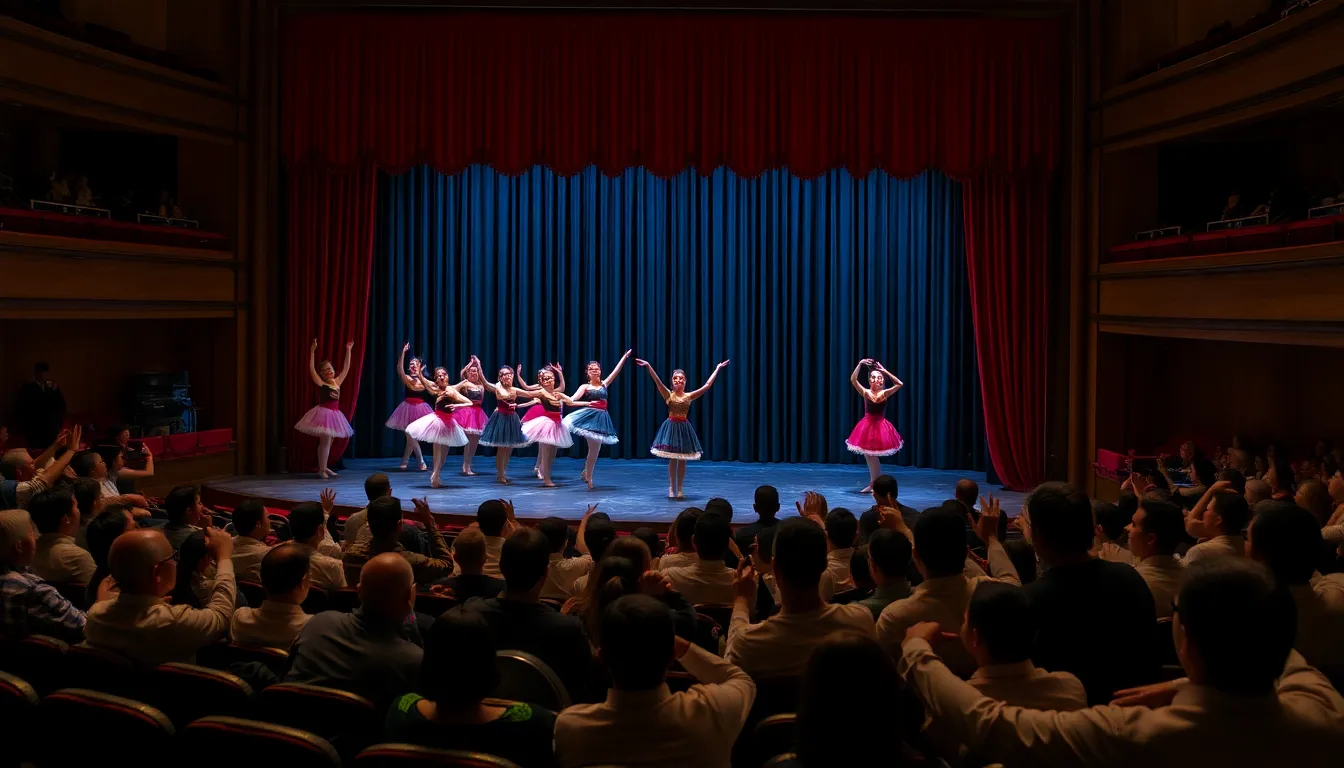
Frequently asked questions about The Nutcracker ballet in Kenya
Looking ahead: The future of ballet in Kenya
The Nutcracker ballet’s recent performances in Kenya highlight a growing interest in the arts, particularly in classical ballet. This cultural phenomenon not only showcases local talent but also emphasizes the potential for ballet to influence the broader artistic landscape in the country. As more productions gain visibility, the future of ballet in Kenya appears to be on a promising trajectory, fostering both appreciation and participation in the art form.
With increasing support from local communities and international collaborations, ballet can serve as a bridge for cultural exchange and artistic innovation. The enthusiasm surrounding productions like The Nutcracker suggests that we may see a burgeoning ballet scene that could inspire future generations of dancers and audiences alike.
- Expect a rise in local ballet schools and training programs to nurture homegrown talent.
- Increased collaboration between Kenyan artists and international ballet companies may lead to unique productions that blend cultural elements.
- Community engagement initiatives could enhance audience participation and appreciation for ballet as a vital art form.
- Watch for potential government and private sector support aimed at promoting the arts, which could further elevate the status of ballet in Kenya.