


The pressure intensified during the recent UK Open, where Menzies was eliminated in the first round, highlighting a troubling trend in his game. This performance, coupled with a string of losses in other tournaments, has led to discussions among fans and analysts about the mental and emotional toll on the player and how it relates to the broader pressures in professional sports.
As Menzies grapples with these challenges, the broader darts community is also reflecting on the increasing competitiveness of the sport. With emerging players consistently challenging established stars, the need for resilience and adaptability has never been greater, putting additional pressure on athletes like Menzies, much like the changing dynamics in media and business that impact various sports.
This situation underscores a pivotal moment in Menzies’ career, as he must navigate not only the technical aspects of his game but also the psychological demands that come with being in the spotlight. The coming weeks will be crucial for him as he seeks to regain his form and confidence on the oche, amid the concerns about the financial sustainability of professional sports.
Understanding the current landscape of professional darts
The world of professional darts has undergone significant transformation over the past few decades, evolving from a pub game into a globally recognized sport. This shift has been marked by the establishment of professional leagues, increased sponsorship, and the rise of televised events that have brought the sport into the living rooms of millions. The Professional Darts Corporation (PDC), founded in 1993, has been at the forefront of this evolution, creating a structured environment that attracts top talent and generates substantial revenue.

Historically, darts was often viewed as a pastime, primarily enjoyed in social settings. However, the late 20th century saw a surge in interest, particularly in the UK, where the sport began to gain a foothold in mainstream culture. Iconic players like Eric Bristow and Phil Taylor became household names, paving the way for a new generation of players. This cultural shift has been accompanied by a growing recognition of darts as a legitimate sport, complete with its own set of rules, competitions, and professional standards.
Economically, the growth of professional darts has been fueled by lucrative broadcasting deals and sponsorship agreements. Major tournaments, such as the World Darts Championship and the Premier League, attract large audiences and significant financial backing. This influx of money has allowed players to earn substantial incomes, but it has also introduced pressures and expectations that can be overwhelming. The competitive nature of the sport means that players like Cameron Menzies face intense scrutiny and must constantly perform at their best to succeed.
The impact of mental health on players
As the stakes in professional darts have risen, so too have the mental health challenges faced by players. The pressure to maintain performance levels in front of large crowds and the media can lead to significant stress and anxiety. Menzies, like many others, has found himself grappling with these pressures, highlighting a growing concern within the sport about the mental well-being of its athletes. This issue has prompted discussions about the need for better support systems and resources for players, as the demands of the sport continue to escalate.
Key stakeholders and issues surrounding Menzies and the sport
In the evolving landscape of professional darts, several key stakeholders are at play, each with distinct interests that impact the sport’s trajectory. Among the most prominent figures is Cameron Menzies, a competitive player whose recent performances have sparked discussions about the integrity and future of the game. His rise in the sport highlights both personal ambition and the broader implications for darts as it gains popularity.
Another crucial actor is the Professional Darts Corporation (PDC), which governs the sport and is responsible for organizing tournaments and setting regulations. The PDC’s interests lie in maintaining the sport’s integrity and commercial viability, ensuring that it continues to attract fans and sponsors. Conflicts may arise when player behavior or controversies, such as Menzies’ recent challenges, threaten the image and financial stability of the organization.
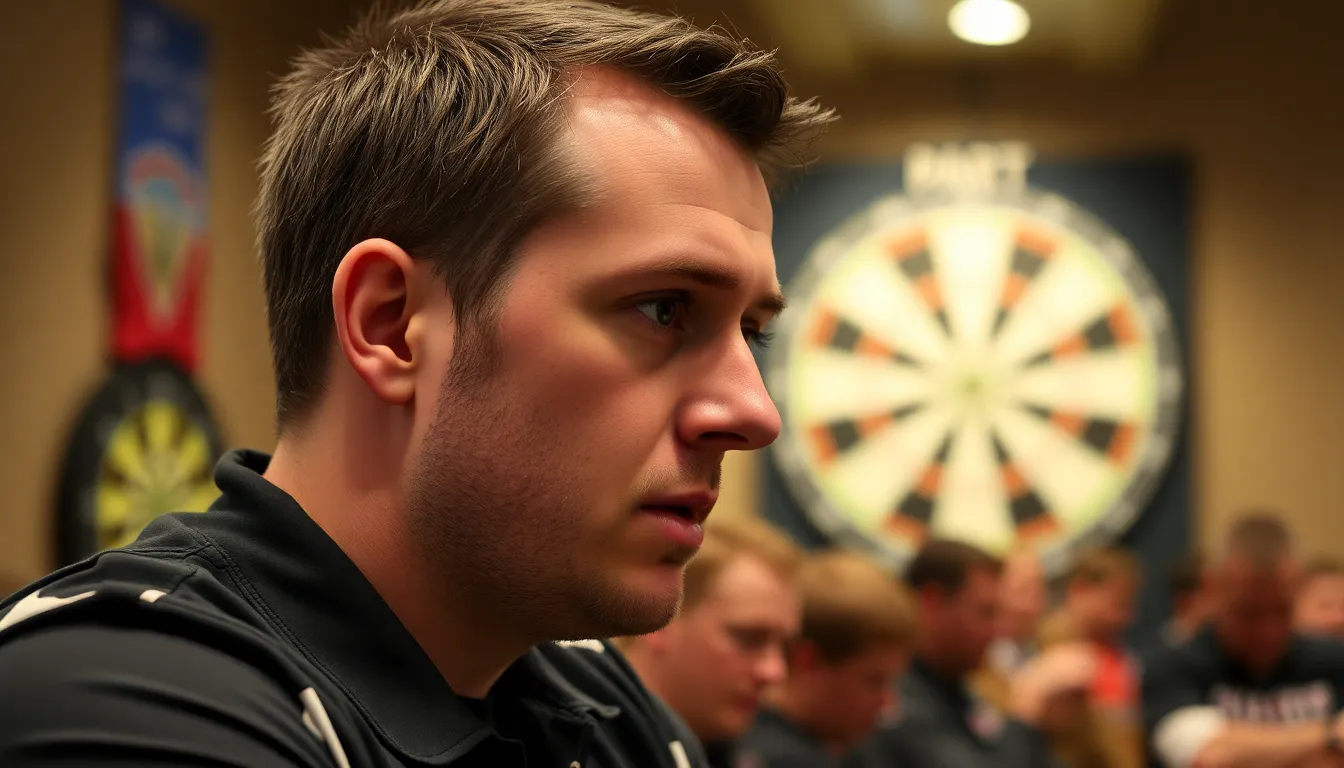
Additionally, fans and sponsors play a significant role in shaping the dynamics of professional darts. Fans seek entertainment and authenticity in the sport, while sponsors are driven by the potential for brand visibility and engagement. The tension between maintaining a competitive spirit and the commercial aspects of the sport can create trade-offs that affect how the game is perceived and marketed.
- Cameron Menzies: His performance and conduct can influence public perception and the sport’s integrity.
- Professional Darts Corporation (PDC): Responsible for enforcing rules and ensuring fair play, facing pressure to respond to controversies.
- Fans: Their loyalty and engagement can shift based on how issues are handled, impacting attendance and viewership.
- Sponsors: Their investment in the sport can be jeopardized by negative publicity, affecting financial support for players and events.
Legal issues may also emerge, particularly concerning player contracts, sponsorship agreements, and the enforcement of rules. As the sport evolves, the balance between player autonomy and organizational control will be crucial in navigating conflicts and ensuring a sustainable future for darts. The ongoing dialogue among these stakeholders will ultimately shape the direction of the sport in the coming years.
How Menzies’ struggles affect fans and the darts community
The recent challenges faced by Cameron Menzies resonate deeply within the darts community, impacting not only the players but also the fans and the broader industry. This situation brings to light the vulnerabilities in the sport, highlighting the emotional investment of fans and the economic stakes for various stakeholders.
Fans of darts, particularly those who have followed Menzies’ career, may experience a sense of disappointment and concern. The emotional connection to players can lead to a decline in engagement or attendance at events, which in turn affects local economies that thrive on match-day activities. The potential loss of fan interest could result in decreased ticket sales and merchandise revenue.
Moreover, the darts industry, including sponsors, event organizers, and broadcasters, faces short-term risks. If the narrative surrounding Menzies continues to be negative, it could deter sponsors from investing in the sport, fearing a tarnished brand image. In the mid-term, this could lead to reduced funding for tournaments and fewer opportunities for emerging talent.
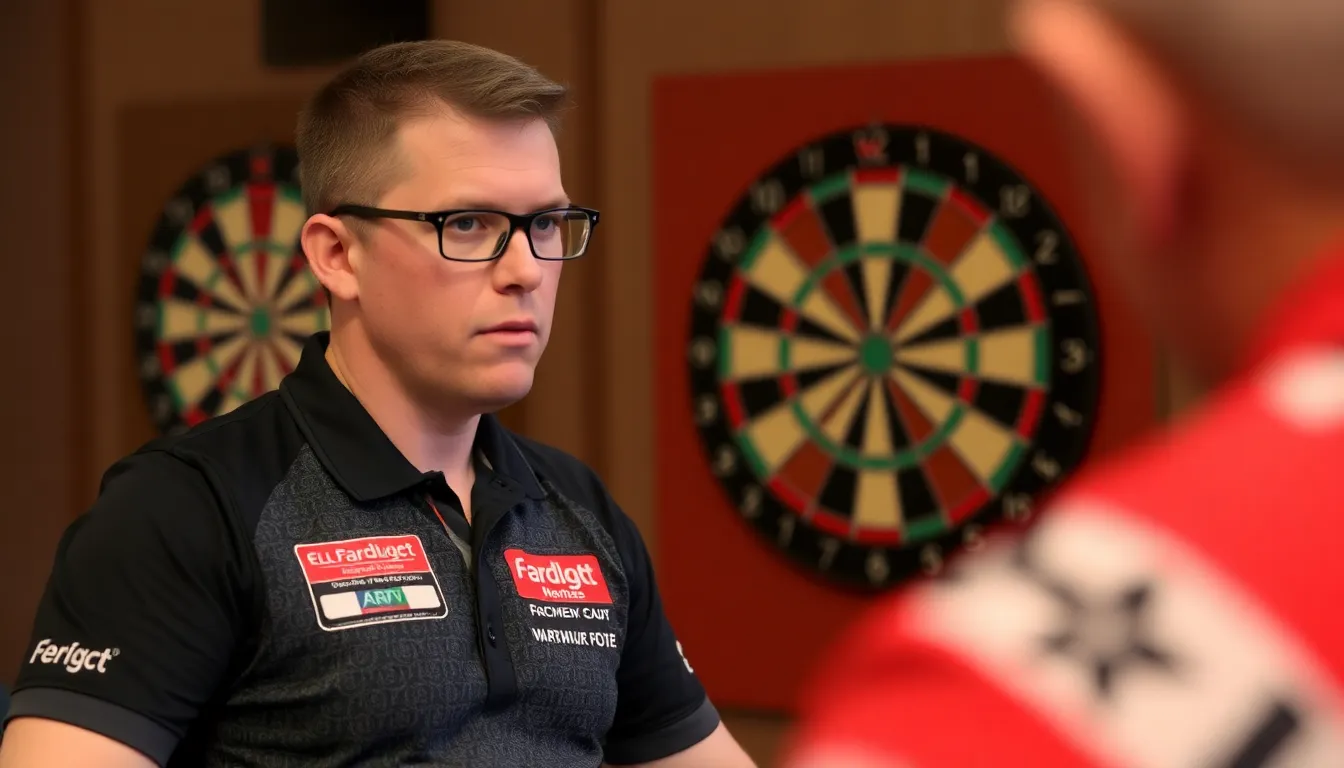
- Short-term impact: Decreased fan engagement and ticket sales.
- Mid-term impact: Potential loss of sponsorship and funding for events.
- Opportunities: Increased focus on mental health support for players.
- Opportunities: New narratives and marketing strategies to attract fans.
However, there are also potential opportunities that could arise from this uncomfortable truth. The focus on Menzies’ struggles may prompt a broader conversation about mental health in sports, encouraging organizations to implement better support systems for players. This could lead to a more resilient community, fostering a culture of openness and support.
A: Cameron Menzies is dealing with significant pressure during competitions, which has led to inconsistent performances and heightened scrutiny from fans and analysts. A: The challenges faced by players like Menzies can impact viewer engagement and the overall perception of the sport, potentially affecting its growth. A: The darts community is grappling with issues related to player mental health, competition integrity, and the need for better support systems for athletes. A: Fans can show their support by attending matches, engaging positively on social media, and advocating for better mental health resources within the sport. A: Yes, there are ongoing discussions among governing bodies to implement strategies aimed at improving player welfare and addressing mental health concerns.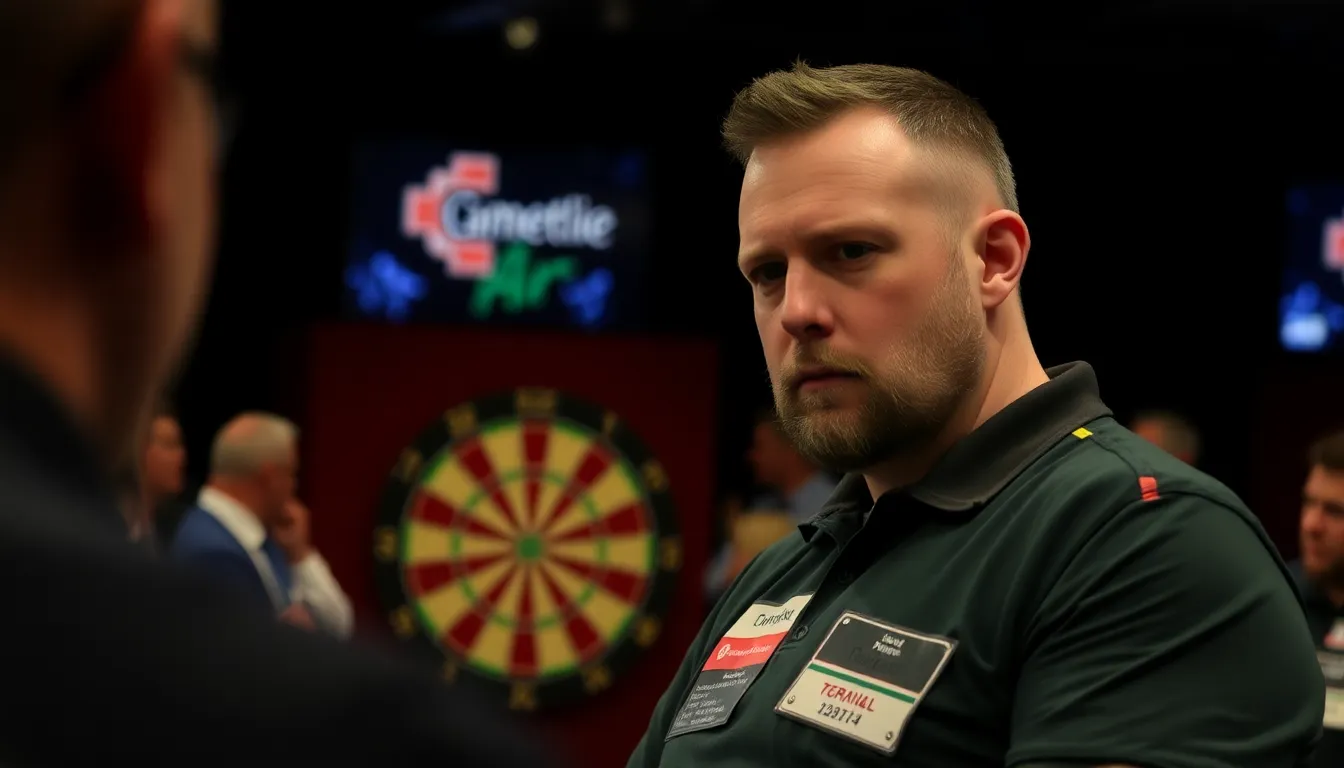
Frequently asked questions about Cameron Menzies and darts
Looking ahead: The future of Cameron Menzies and darts
The recent performance of Cameron Menzies has brought to light significant challenges within the sport of darts, reflecting broader issues that may impact players and fans alike. As Menzies navigates the pressures of competition, it becomes clear that the sport must address the mental and emotional demands placed on its athletes, particularly in high-stakes environments.
Looking forward, the implications of Menzies’ experience could serve as a catalyst for change in how the sport supports its players. The balance between competitive spirit and mental well-being will likely shape the future of darts, influencing training, support systems, and fan engagement.
- Increased focus on mental health resources for players may become a priority in professional darts.
- Expect discussions around the need for a more supportive environment during high-pressure tournaments.
- Watch for potential changes in training regimens that incorporate psychological resilience techniques.
- The response from governing bodies could redefine player support and competition structures moving forward.
- Fan engagement strategies may evolve to foster a deeper understanding of the challenges players face.