


The contamination has been linked to the use of firefighting foams at military installations, particularly at Kirtland Air Force Base and Holloman Air Force Base. In 2020, the U.S. Department of Defense acknowledged the widespread presence of PFAS at numerous military sites, prompting calls for urgent remediation efforts. This situation mirrors other instances of environmental concerns, as seen in the Musée d’Orsay where public interests play a vital role.
New Mexico state officials are actively seeking federal assistance to address the contamination, emphasizing the need for comprehensive cleanup measures. In November 2022, the New Mexico Environment Department announced plans to conduct extensive testing and monitoring of water sources near these bases to assess the extent of PFAS pollution. This aligns with the broader national discussions reflected in a recent article about leadership challenges and environmental accountability.
The situation has sparked a broader discussion about environmental accountability and public health, as local communities express concerns over potential exposure. Advocacy groups are urging the military to prioritize the cleanup of contaminated sites, highlighting the long-term implications for both the environment and public safety. As evidenced by the inquiries into public health, the need for transparency and action is paramount.
Understanding the origins and implications of forever chemicals
The term ‘forever chemicals’ refers to a group of synthetic substances known as per- and polyfluoroalkyl substances (PFAS), which are characterized by their remarkable resistance to degradation in the environment. These chemicals have been widely used since the 1940s in various applications, including non-stick cookware, waterproof clothing, and firefighting foam, particularly at military bases. Their persistence in the environment and human body has raised significant health concerns, leading to a growing demand for cleanup efforts, particularly in states like New Mexico.
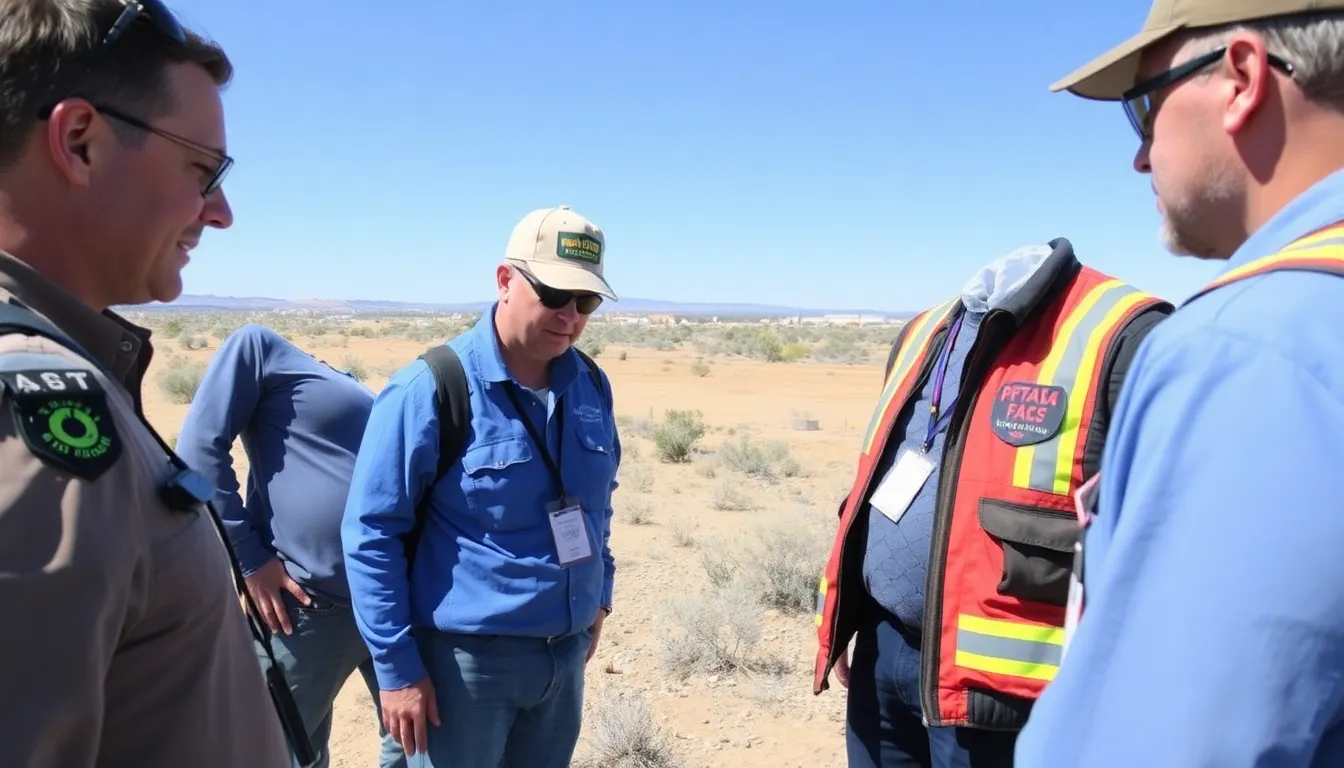
The widespread use of PFAS in military operations can be traced back to the need for effective firefighting agents. Aqueous film-forming foams (AFFF), which contain PFAS, have been utilized for decades to extinguish flammable liquid fires. However, the realization that these chemicals do not break down naturally has prompted environmentalists and health advocates to push for regulatory changes and clean-up initiatives, especially in areas surrounding military installations.
The political landscape and regulatory responses
In recent years, the political landscape surrounding PFAS has evolved significantly. State governments, including New Mexico, have begun to take action against the contamination caused by these chemicals. Legislative measures have been introduced to regulate PFAS levels in drinking water and to mandate the cleanup of contaminated sites. This shift reflects a growing public awareness of the potential health risks associated with PFAS exposure, including cancer and liver damage.
Key milestones in the fight against PFAS contamination include the U.S. Environmental Protection Agency’s (EPA) establishment of health advisories for certain PFAS compounds and the inclusion of PFAS in the list of contaminants of emerging concern. These developments have spurred local governments and agencies to implement testing and remediation efforts, aiming to protect public health and restore contaminated environments.
The economic implications of PFAS contamination are also significant. Cleanup efforts can be costly, often requiring substantial funding from both federal and state sources. As New Mexico seeks to address the legacy of forever chemicals at military bases, the state faces the challenge of balancing environmental health with economic considerations, as it navigates the complexities of remediation and public safety.
Key stakeholders and their roles in the cleanup process
The issue of ‘forever chemicals’ at military bases in New Mexico involves a complex web of stakeholders, each with distinct interests and responsibilities. The primary actors include federal and state governments, military organizations, environmental advocacy groups, and local communities affected by contamination.
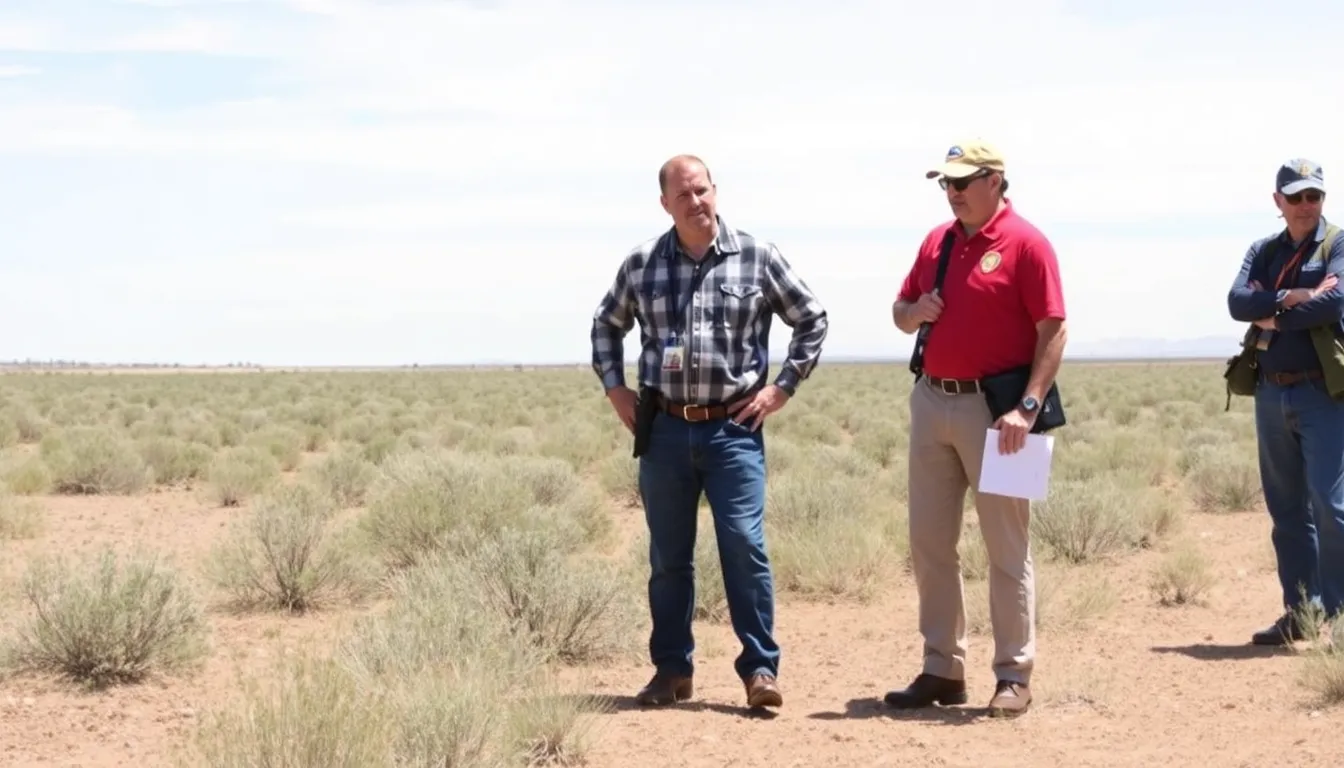
The U.S. Department of Defense (DoD) is a central player, tasked with managing military installations and ensuring the safety of personnel and surrounding communities. Their interest lies in mitigating liability and addressing environmental concerns while maintaining operational readiness. However, the DoD faces pressure from various advocacy groups demanding more stringent cleanup measures and transparency regarding contamination levels.
New Mexico’s state government, particularly the Environment Department, plays a crucial role in enforcing state regulations and advocating for the health of its residents. Their interest is in holding the federal government accountable for cleanup efforts, ensuring that the state’s environmental standards are met, and protecting public health. This often leads to conflicts over the pace and extent of remediation efforts.
- Local communities: Residents living near military bases are directly impacted by contamination, leading to concerns about water quality and health risks.
- Environmental organizations: Groups like the Sierra Club and local advocacy coalitions push for comprehensive cleanup plans and increased transparency from military and government entities.
- Economic considerations: The cleanup process involves significant financial implications, including potential costs to taxpayers and the military budget, raising questions about funding priorities.
- Legal frameworks: Existing laws regarding hazardous waste management and environmental protection play a critical role in shaping cleanup strategies and responsibilities.
As these stakeholders navigate their interests, the tension between immediate remediation needs and long-term economic implications remains a significant challenge. The outcome of this conflict will not only affect the health of local communities but also set precedents for how similar situations are handled across the country.
The effects of contamination on local communities and ecosystems
The contamination of military bases in New Mexico with ‘forever chemicals’ significantly impacts local communities, particularly those living near these installations. Residents are at risk of exposure to harmful substances that can lead to serious health issues, including cancer, liver damage, and reproductive problems. Vulnerable populations, such as children and the elderly, may face heightened risks due to their developing or weakened immune systems.
Industries reliant on clean water and healthy ecosystems, such as agriculture and tourism, are also affected. Local farmers may find their crops contaminated, leading to economic losses and food safety concerns. Additionally, the tourism sector could suffer as visitors may be deterred by negative publicity surrounding environmental health and safety.
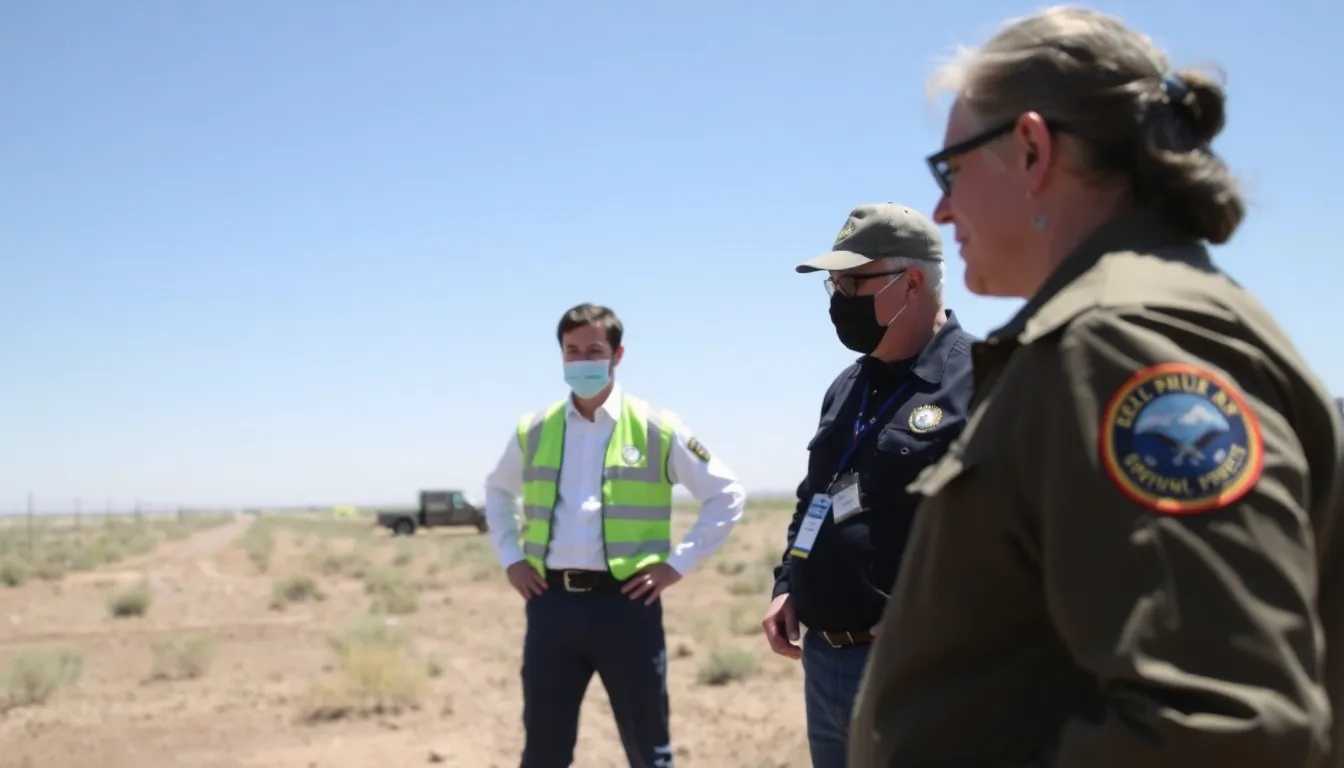
In the short term, the contamination may lead to increased healthcare costs for affected individuals and families, as well as potential legal battles for compensation. Local governments may face pressure to allocate resources for cleanup efforts, diverting funds from other essential services. In the mid-term, policy changes could arise, pushing for stricter regulations on chemical use and waste disposal, which could reshape industry practices.
- Health risks for local populations
- Economic impact on agriculture and tourism
- Increased healthcare and legal costs
- Potential for policy reform and stricter regulations
While the situation poses significant risks, it also presents opportunities for innovation and development in environmental cleanup technologies. Companies specializing in remediation efforts may find new markets and funding opportunities as communities and governments seek effective solutions to address contamination. Furthermore, increased awareness of environmental health issues could lead to greater community engagement and advocacy for sustainable practices.
A: Forever chemicals, known as PFAS, are synthetic substances that do not break down in the environment. They are often used in firefighting foams and various industrial applications. A: Exposure to forever chemicals has been linked to various health issues, including cancer, liver damage, and immune system effects. Long-term exposure can pose significant risks to public health. A: New Mexico is implementing measures to clean up contaminated military bases, including regulatory actions and collaboration with federal agencies to ensure public safety. A: Yes, there are ongoing lawsuits against manufacturers of PFAS and military entities responsible for the contamination, seeking accountability and remediation. A: Residents can protect themselves by using water filtration systems, staying informed about local water quality reports, and advocating for environmental regulations.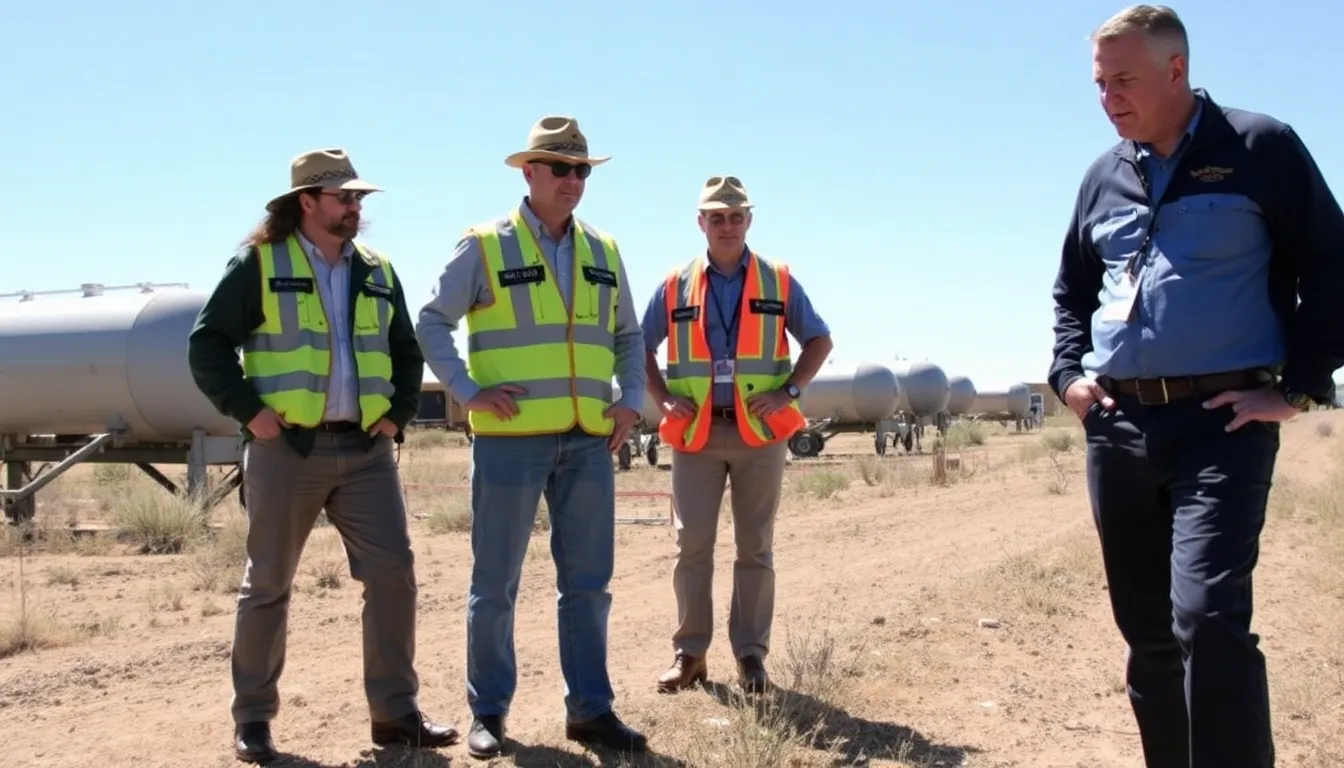
Frequently asked questions about forever chemicals and military base cleanup
Future outlook on military base cleanups and environmental health
The presence of ‘forever chemicals’ at military bases in New Mexico raises significant concerns about environmental health and public safety. As the state pushes for comprehensive cleanup efforts, the implications extend beyond immediate remediation. It highlights the need for a proactive approach to managing hazardous substances and ensuring that communities are protected from long-term contamination risks.
Monitoring and regulation will be crucial as New Mexico navigates the complexities of cleaning up these sites. Stakeholders, including government agencies, environmental organizations, and local communities, must collaborate to develop effective strategies that prioritize public health while also addressing the historical legacy of military operations.
- Increased regulatory scrutiny: Expect heightened oversight from state and federal agencies regarding the management of hazardous chemicals at military sites.
- Community involvement: Local communities will likely play a more active role in advocating for transparency and accountability in cleanup efforts.
- Long-term health studies: Ongoing research will be essential to understand the health impacts of exposure to these chemicals, informing future policies.
- Funding opportunities: The situation may open avenues for federal and state funding aimed at environmental restoration and public health initiatives.
- Prevention of future contamination: Lessons learned from these cleanups could lead to stricter regulations on chemical usage in military operations nationwide.