


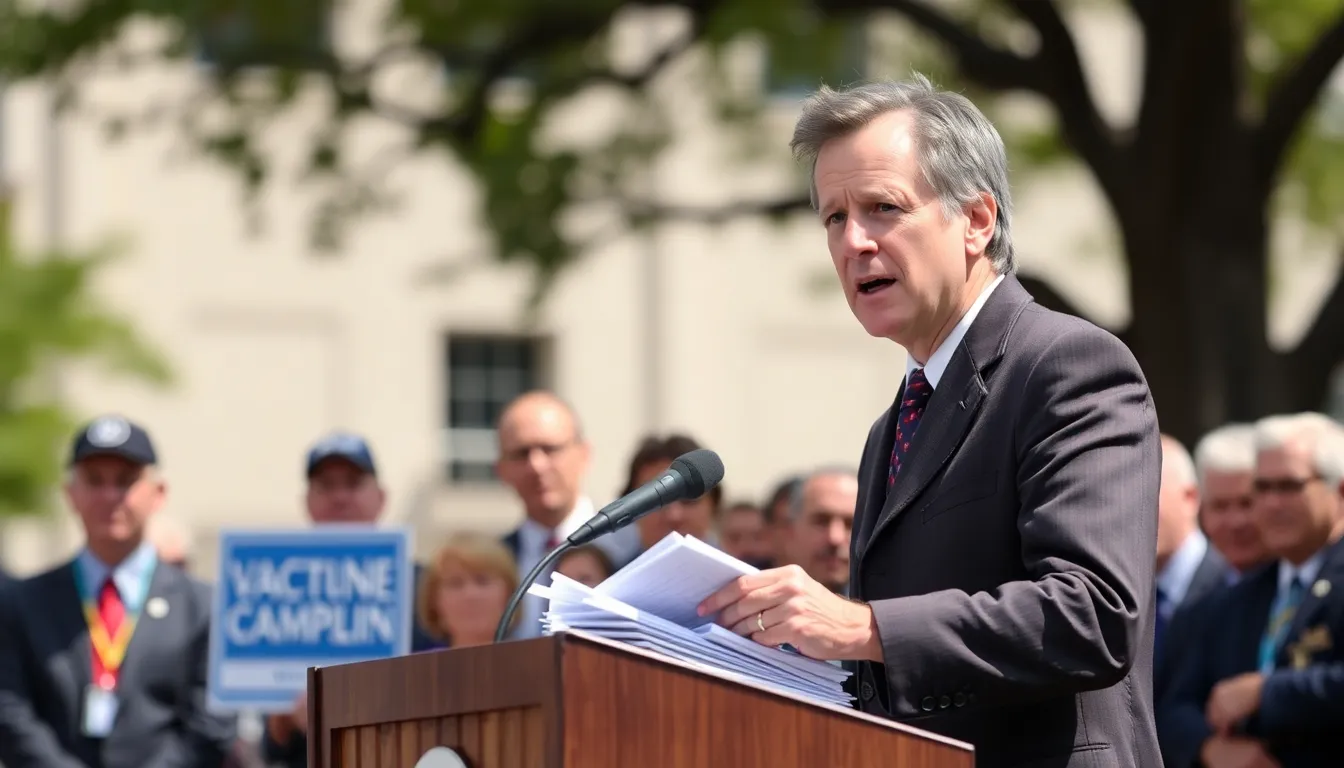
The inquiry has been fueled by a series of events, including a notable rally in Washington, D.C. on October 14, 2023, where vaccine safety advocates gathered to voice their concerns. Attendees at the rally included prominent figures from the anti-vaccine movement, many of whom have been inspired by Kennedy’s longstanding advocacy against vaccine mandates. This gathering underscored the growing discontent among certain segments of the population regarding government health policies.
Furthermore, recent surveys indicate that public trust in vaccines has waned, with a significant portion of the population expressing doubts about their safety. According to a poll conducted in September 2023, over 30% of respondents reported concerns about vaccine side effects, a sentiment that reflects the broader implications of the inquiry. As discussions surrounding vaccine safety intensify, the role of influential figures like Kennedy becomes increasingly significant in shaping public opinion.
In response to these developments, several lawmakers have begun to scrutinize vaccine policies more closely, potentially leading to legislative changes. Some states are considering bills that would require more transparency from pharmaceutical companies regarding vaccine ingredients and side effects. This shift in focus highlights the potential for a broader debate on public health and individual rights, with Kennedy at the forefront of this movement.
Understanding the historical context of vaccine skepticism
The skepticism surrounding vaccines is not a new phenomenon; it has roots that trace back to the very inception of vaccination in the late 18th century. The introduction of the smallpox vaccine by Edward Jenner in 1796 was met with both enthusiasm and resistance. Early opposition was fueled by fears of the unknown, religious beliefs, and a lack of understanding of the scientific principles behind vaccination. This skepticism has evolved over the years, influenced by various social, political, and economic factors.
In the 20th century, the rise of anti-vaccine movements gained momentum, particularly during the 1970s and 1980s when reports emerged linking vaccines to adverse health outcomes. The infamous 1998 study by Andrew Wakefield, which falsely claimed a connection between the MMR vaccine and autism, ignited a firestorm of controversy that continues to impact public perception of vaccines today. Despite the study being retracted and discredited, its effects linger, leading to increased vaccine hesitancy among certain populations.
Political factors also play a significant role in the discourse surrounding vaccines. In recent years, prominent figures, including politicians and public influencers, have used their platforms to amplify vaccine skepticism. The rise of social media has further exacerbated this issue, allowing misinformation to spread rapidly and reach wider audiences. This has led to a polarized environment where public health measures, such as vaccination campaigns, are often met with resistance.
The Economic Implications of Vaccine Hesitancy
The economic impact of vaccine skepticism is profound, affecting healthcare systems, public health initiatives, and overall societal well-being. Increased vaccine hesitancy can lead to outbreaks of preventable diseases, resulting in higher healthcare costs and lost productivity. Moreover, the pharmaceutical industry faces challenges in maintaining public trust, which can hinder the development and distribution of new vaccines. As vaccine inquiries, such as those driven by figures like RFK Jr., gain traction, the broader implications for public health and economic stability become increasingly apparent.
Key stakeholders and their positions on vaccine inquiries
Robert F. Kennedy Jr. (RFK Jr.) has emerged as a central figure in the ongoing debate surrounding vaccine safety and efficacy. His advocacy has drawn attention to various concerns regarding vaccine policies and their implications for public health. As a prominent anti-vaccine activist, RFK Jr. represents a faction of the population that is skeptical of governmental and pharmaceutical narratives regarding vaccination.
Government agencies such as the Centers for Disease Control and Prevention (CDC) and the Food and Drug Administration (FDA) are key stakeholders in this inquiry. Their primary interest lies in maintaining public trust in vaccination programs, which are essential for controlling infectious diseases. These agencies face the challenge of balancing public health interests with the growing concerns voiced by vaccine skeptics.
Pharmaceutical companies also play a significant role in this discourse. With substantial investments in vaccine development, their interests are tied to the successful rollout and public acceptance of vaccines. However, they must navigate the scrutiny brought on by RFK Jr.’s inquiries, which question the safety and transparency of vaccine trials and manufacturing processes.
- Public Health Implications: The ongoing debate impacts vaccination rates and herd immunity, potentially leading to outbreaks of preventable diseases.
- Legal and Regulatory Challenges: Increased scrutiny may lead to calls for greater transparency and regulation in vaccine development and approval processes.
- Economic Considerations: Vaccine hesitancy can affect market dynamics for pharmaceutical companies and healthcare providers, influencing funding and research priorities.
- Social Trust: The conflict highlights the need for effective communication strategies to rebuild trust between the public and health authorities.
- Political Ramifications: The inquiry into vaccines has become a polarizing issue, influencing political discourse and public policy related to health and safety regulations.
The potential impact on public health and vaccine policies
Robert F. Kennedy Jr.’s inquiry into vaccines is expected to have wide-ranging implications for various groups, including public health organizations, vaccine manufacturers, and the general public. As he raises questions about vaccine safety and efficacy, these stakeholders may find themselves in a challenging position, navigating increased scrutiny and potential shifts in public perception.
In the short term, the inquiry could lead to heightened media attention and public discourse surrounding vaccination. This may result in a temporary decline in vaccination rates as skepticism grows among certain demographics. Parents, particularly those with young children, may become more hesitant to vaccinate, impacting herd immunity and potentially leading to outbreaks of preventable diseases.
In the mid-term, if Kennedy’s inquiry gains traction, policymakers may feel pressured to reevaluate existing vaccine mandates and public health policies. This could lead to legislative changes that either strengthen or weaken vaccination requirements, depending on the prevailing public sentiment. Additionally, healthcare providers may need to adjust their communication strategies to address concerns raised by the inquiry.
- Risks: Increased vaccine hesitancy, potential outbreaks of diseases, and legislative changes that could undermine public health initiatives.
- Opportunities: Enhanced dialogue about vaccine safety, potential innovation in vaccine development, and increased funding for public health education campaigns.
Regions with historically low vaccination rates may experience the most significant impacts, as local health departments grapple with the consequences of public skepticism. Conversely, communities that prioritize vaccination may see a renewed commitment to public health initiatives as a response to the inquiry.
A: RFK Jr. has been a prominent figure advocating for vaccine safety and has initiated various investigations into vaccine-related issues, despite maintaining a low public profile. A: Recent public health debates and rising vaccine hesitancy have led to renewed interest and scrutiny regarding vaccine safety and efficacy. A: His position has polarized public opinion, with some seeing him as a champion for health freedom, while others view him as promoting misinformation. A: The inquiry could influence vaccine policies, public trust in health authorities, and ultimately affect vaccination rates. A: Yes, ongoing investigations may lead to legal challenges or changes in regulations surrounding vaccine development and distribution.
Frequently Asked Questions about RFK Jr. and vaccine inquiries
Looking ahead: The future of vaccine inquiries and public perception
The ongoing discourse surrounding vaccine safety and efficacy has been propelled into the spotlight, largely due to the efforts of figures like RFK Jr. While his public silence may suggest a strategic approach, the implications of his inquiries are far-reaching. As public interest in vaccine-related issues grows, understanding the dynamics of this debate becomes increasingly crucial.
Future developments will likely hinge on how public health authorities respond to emerging concerns and the narratives shaped by influential figures. The intersection of science, politics, and public sentiment will play a pivotal role in determining the trajectory of vaccine inquiries and the overall trust in vaccination programs.
- Monitor shifts in public opinion regarding vaccine safety, particularly among younger demographics.
- Observe how health organizations adapt their communication strategies in response to rising skepticism.
- Watch for potential legislative changes inspired by heightened public inquiry into vaccine policies.
- Consider the role of social media in amplifying or mitigating vaccine-related discussions and misinformation.
- Evaluate the impact of high-profile advocates on the broader conversation about public health and vaccination efforts.