


The new stage lengths will be shorter, encouraging drivers to race more aggressively rather than conserve fuel for the entirety of the event. This move comes in response to feedback from fans and teams alike, who have expressed frustration over the strategic fuel-saving tactics that have at times overshadowed the excitement of on-track competition. For a deeper look into how such strategies impact racing, check out this article.
In recent seasons, fuel strategy has become a focal point in many races, leading to situations where drivers would slow their pace to stretch their fuel mileage rather than compete for position. By altering the stage lengths, NASCAR aims to promote a more dynamic racing environment, where drivers are incentivized to push their cars to the limit throughout the race.
The decision has garnered mixed reactions within the racing community, with some praising the initiative for enhancing race action, while others worry it may disrupt established strategies that teams have developed over time. As NASCAR continues to adapt to the evolving landscape of motorsport, this adjustment represents a proactive step towards maintaining the excitement and unpredictability that fans expect from the sport. Notably, NASCAR has a storied history and has seen various changes in strategy, similar to trends discussed in this overview.
Understanding the background of NASCAR’s decision
NASCAR has a storied history that dates back to its inception in 1948, rooted in the Southern United States and closely tied to the culture of stock car racing. Over the decades, the organization has evolved, introducing various regulations and race formats to enhance competition and maintain fan engagement. The decision to adjust stage lengths at Talladega reflects a broader trend within the sport to address strategic racing tactics that have emerged in recent years, particularly concerning fuel conservation.
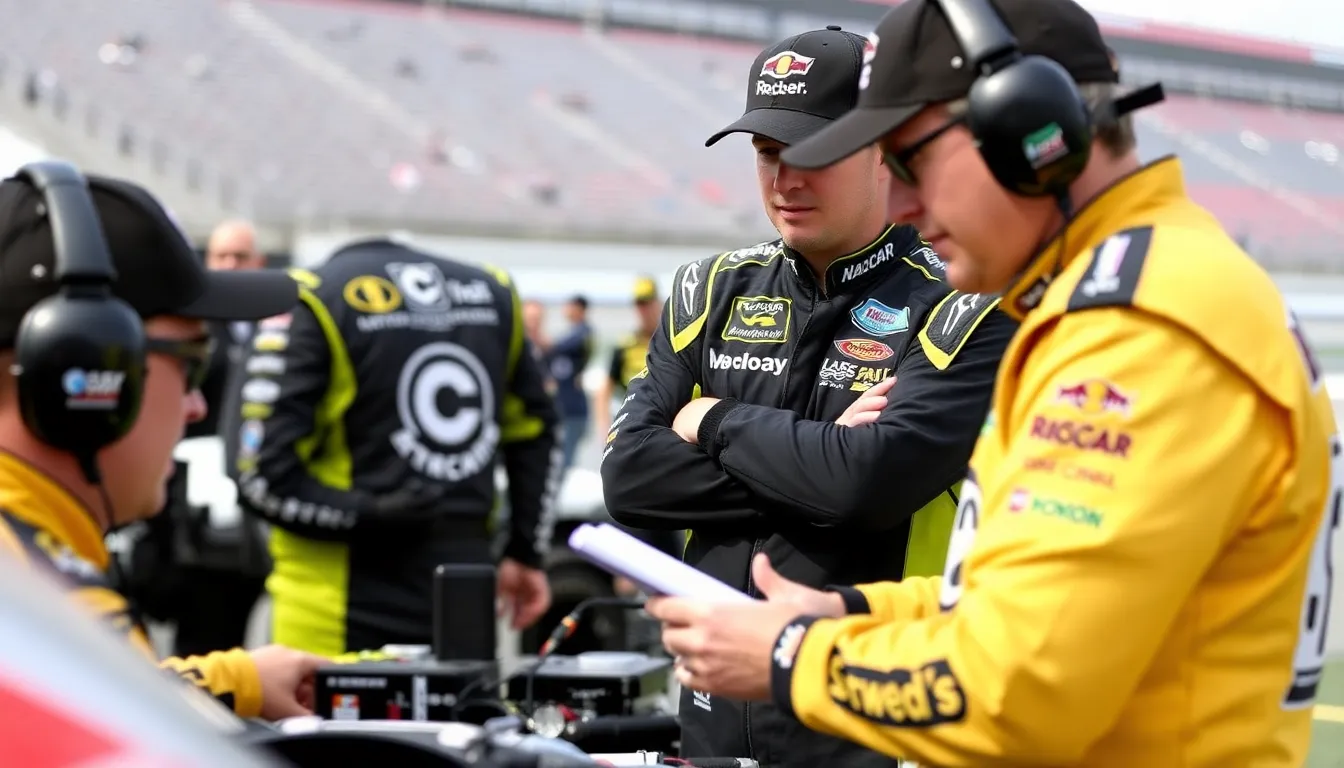
Historically, fuel management has played a significant role in stock car racing, especially on superspeedways like Talladega, where drafting and speed are critical. However, as teams have become more adept at optimizing fuel usage, the potential for drivers to adopt overly conservative strategies has increased. This has led to races that, at times, lack the excitement and unpredictability that fans expect. NASCAR’s leadership recognized that without intervention, the integrity of the competition could be compromised.
The Evolution of Race Strategy
In recent seasons, NASCAR has implemented several changes aimed at enhancing the racing experience. These include the introduction of stage racing, which has altered the dynamics of how teams approach fuel management. By adjusting the stage lengths specifically for Talladega, NASCAR aims to discourage teams from focusing solely on fuel savings, thereby promoting a more aggressive racing style. This decision is part of a broader initiative to ensure that races remain thrilling from start to finish, aligning with the expectations of a diverse fan base. Such changes reflect a commitment that we can also see in the gaming industry, where companies like Sony are taking strong measures against poor quality, as explored in this article.
Previous adjustments to race formats, such as the introduction of playoffs and varying stage lengths, have shown NASCAR’s commitment to adapting to the evolving landscape of motorsport. By proactively addressing fuel-saving tactics, NASCAR not only seeks to maintain competitive balance but also to enhance the overall entertainment value of its events, ensuring that fans remain engaged and invested in the outcomes of each race.
Analyzing the implications for teams and drivers
The decision by NASCAR to adjust the stage length at Talladega is a significant move that reflects the organization’s ongoing efforts to enhance the competitiveness of its races. This adjustment primarily affects teams and drivers, who are now required to rethink their strategies in terms of fuel management and race pacing.
One of the main actors in this scenario is NASCAR itself, which aims to maintain the excitement of its races while ensuring that teams do not resort to fuel-saving tactics that could detract from the overall spectacle. By shortening the stage lengths, NASCAR hopes to encourage more aggressive racing and reduce the likelihood of drivers conserving fuel instead of competing for position.
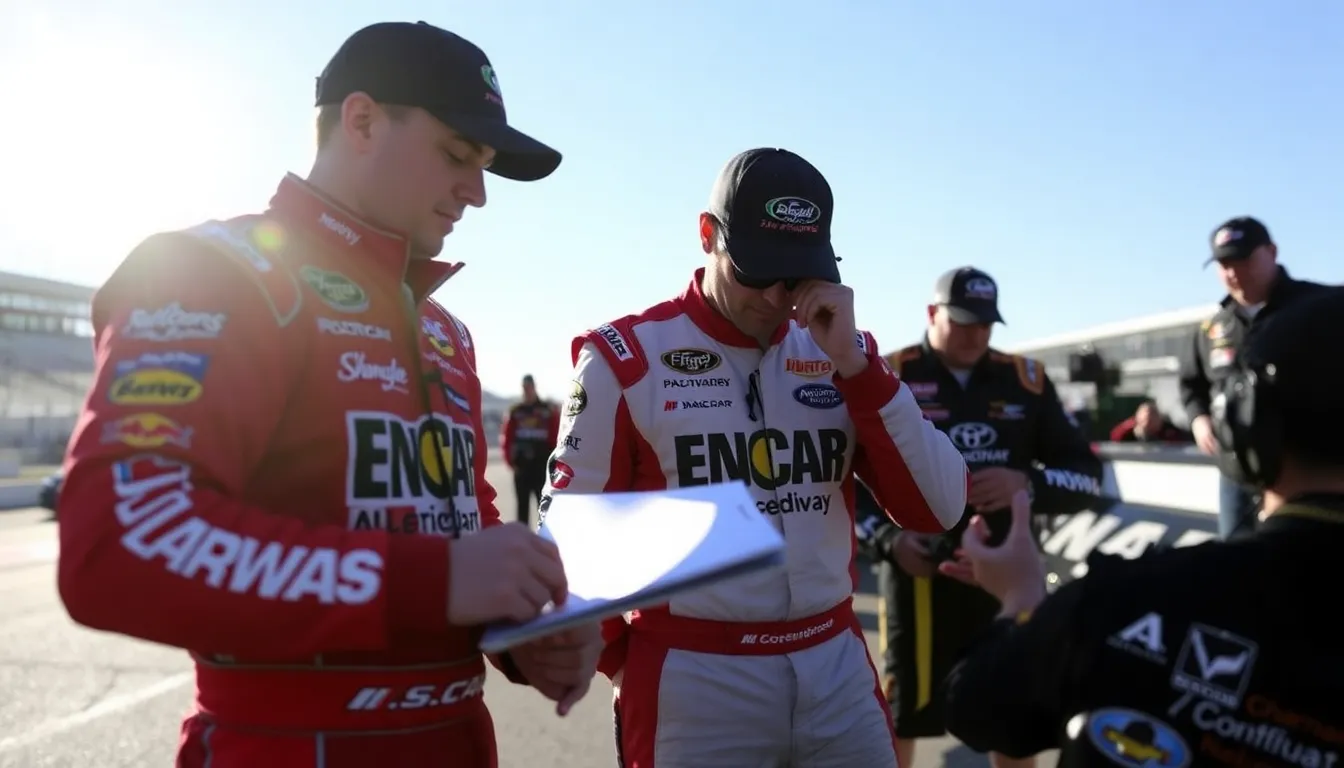
Teams and drivers, on the other hand, have varying interests in this change. For some, the new stage lengths may allow for more opportunities to compete for points, while others might face challenges in adjusting their strategies. The potential for increased on-track action could benefit teams that excel in aggressive racing, while those that typically rely on fuel conservation may find themselves at a disadvantage.
- Increased Competition: Shorter stages may lead to more lead changes and overtakes, enhancing fan engagement.
- Fuel Strategy Re-evaluation: Teams will need to adapt their pit strategies to align with the new stage lengths.
- Impact on Driver Performance: Drivers known for aggressive racing may thrive, while those who focus on strategy might struggle.
- Fan Reactions: The change could attract more viewers looking for dynamic racing, but may alienate fans who prefer strategic elements.
- Economic Considerations: Teams must balance the costs of potential changes in pit strategies against the benefits of improved performance.
The adjustment also raises legal and economic considerations. Teams must navigate NASCAR’s regulations while also managing their budgets effectively in a sport where financial resources can significantly impact performance. The balance between competitive integrity and economic viability remains a critical issue as teams adapt to these new stage lengths.
Impact on race strategies and fan experience
The recent adjustment to the stage length in NASCAR’s Talladega Cup race is set to affect various stakeholders, including drivers, teams, sponsors, and fans. By modifying the race format, NASCAR aims to minimize fuel-saving tactics that can detract from the excitement of racing, thereby creating a more engaging experience for spectators.
Drivers and teams will need to reevaluate their strategies in response to the new stage lengths. This change may lead to a shift in how teams approach pit stops and fuel management, potentially increasing the competitiveness of the race. Teams that adapt quickly could gain a significant advantage, while those that struggle to adjust may face challenges in performance.
In the short term, fans can expect a more thrilling race atmosphere, as the new stage lengths are likely to encourage more aggressive driving and overtaking. This could lead to more action-packed races, ultimately enhancing the overall viewing experience. Additionally, sponsors may see increased engagement as the excitement of the races draws larger audiences, benefiting their brand visibility.
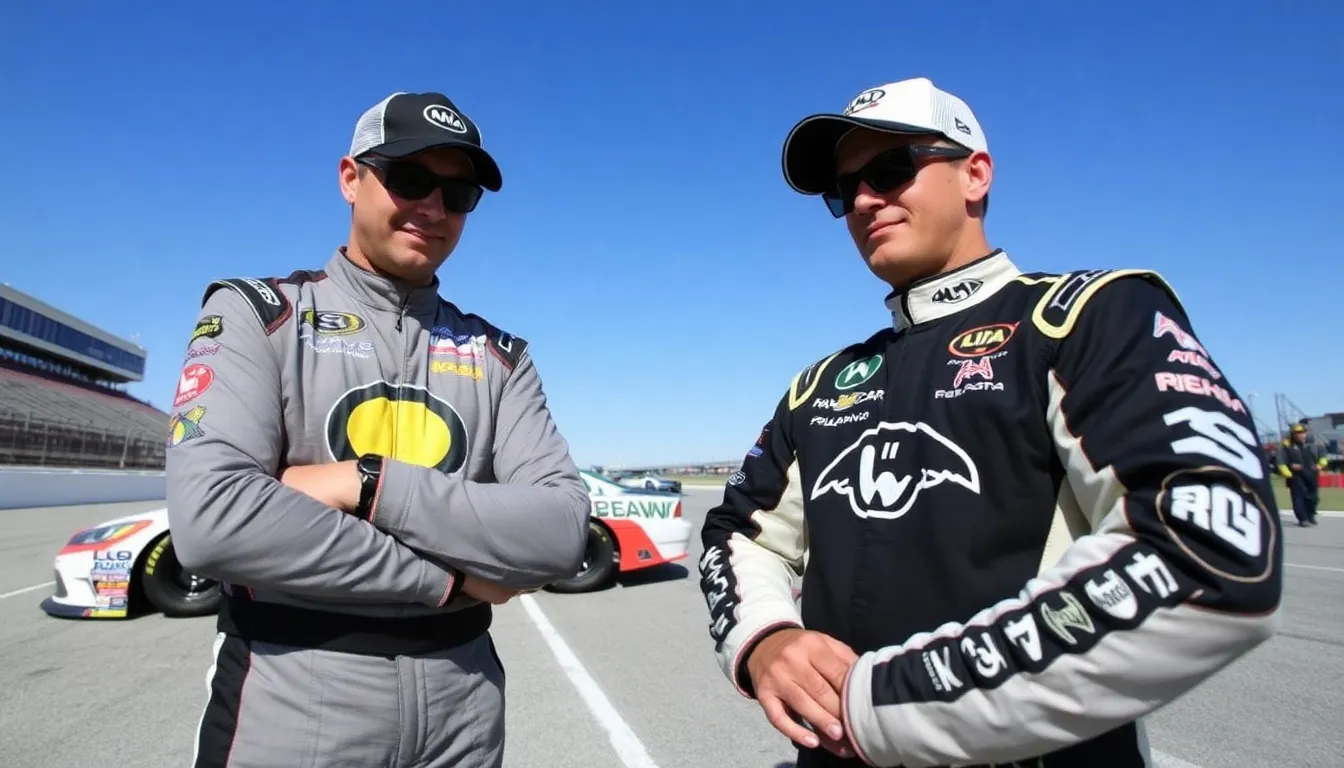
- Short-term impacts: More aggressive racing strategies, increased fan engagement, and heightened sponsor visibility.
- Mid-term impacts: Potential shifts in team performance dynamics, changes in sponsorship deals, and evolving fan expectations.
- Risks: Teams that fail to adapt may fall behind, and the complexity of strategy changes could lead to increased errors during races.
- Opportunities: Teams that successfully innovate their strategies could gain a competitive edge, while fans may enjoy a more entertaining product.
Regions hosting NASCAR events may also experience economic impacts, as increased attendance could boost local businesses. Restaurants, hotels, and retail stores near racetracks stand to benefit from higher foot traffic, which can lead to increased sales and job creation in those areas.
A: NASCAR adjusted the stage lengths to discourage teams from using fuel-saving tactics that could compromise the competitive nature of the races. A: Teams will need to adapt their strategies, possibly leading to more aggressive driving and less emphasis on fuel conservation during key stages. A: Drivers and teams may have mixed reactions; some may welcome the change for more exciting racing, while others might be concerned about the increased risk of accidents. A: The overall race duration may not significantly change, but the pacing and strategy employed by teams will likely be altered. A: NASCAR is always evaluating its rules and formats, and similar adjustments may be considered for other events based on feedback and performance.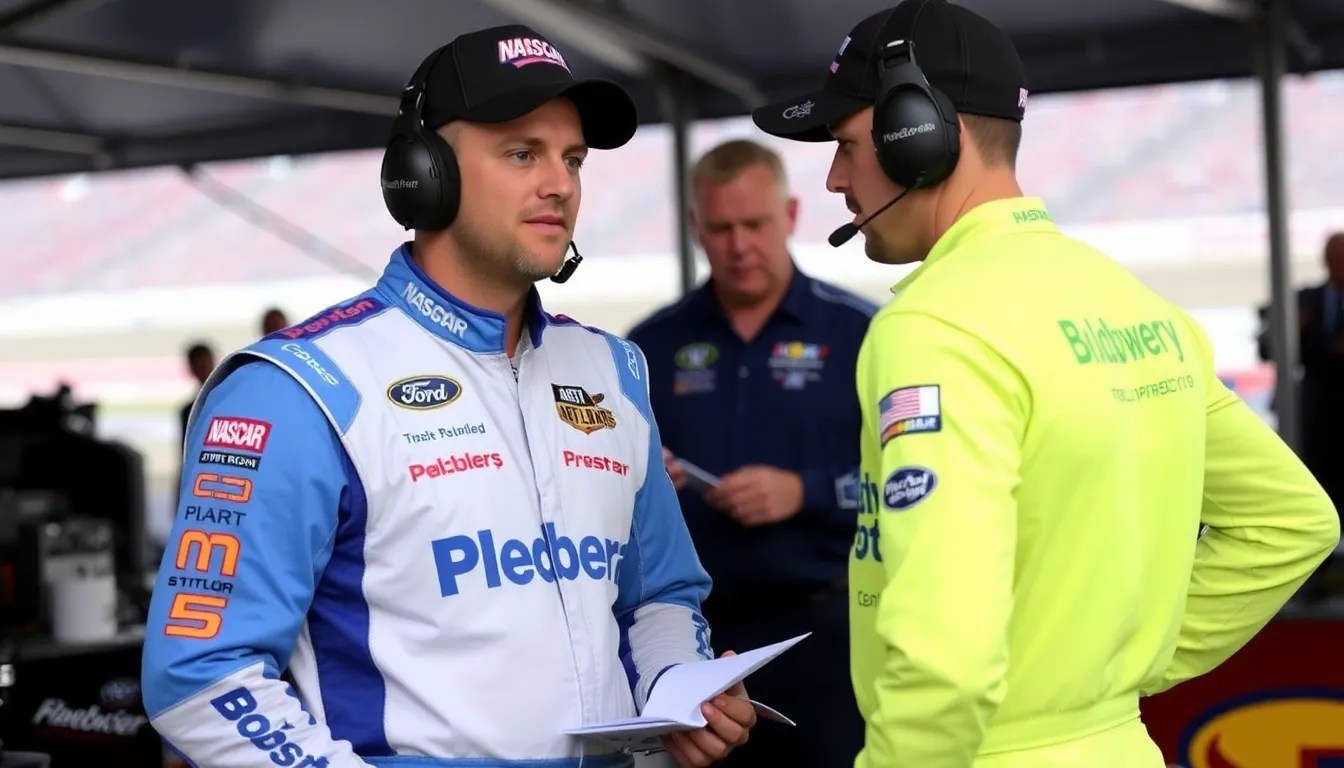
Frequently asked questions about the stage length changes
Key takeaways and future outlook for NASCAR races
The adjustment of stage lengths at Talladega is a significant move by NASCAR aimed at enhancing the competitive nature of the races. By addressing fuel-saving tactics, NASCAR is signaling its commitment to maintaining excitement and unpredictability on the track. This change not only impacts race strategy but also the overall viewer experience, as teams will need to adapt quickly to the new dynamics.
As teams and drivers prepare for this shift, several implications will unfold in the coming races. Observing how teams adjust their strategies will provide insight into the effectiveness of this rule change and its potential ripple effects across the season.
- Watch for changes in pit strategies as teams adapt to the new stage lengths.
- Expect increased competition as drivers push harder without the safety net of fuel conservation.
- Monitor fan reactions to the changes, as heightened excitement could lead to increased viewership.
- Consider how this rule might influence race outcomes and championship standings throughout the season.
- Keep an eye on driver feedback, which could shape future regulations and adjustments in NASCAR.