


The AI team, which had been working on innovative projects to enhance gaming experiences, was seen as a key component of Take-Two’s future strategy. For more insights on industry trends, check out our article on supply chain shifts.
Industry experts are closely monitoring the implications of this decision, as it reflects a growing trend among gaming companies to reassess their investment in artificial intelligence. With competitors continuing to explore AI advancements, Take-Two’s choice to downsize its team may hinder its competitive edge in the rapidly evolving gaming landscape.
Furthermore, the layoffs come at a time when the gaming industry is grappling with economic pressures and changing consumer preferences. Stakeholders are concerned that this move could impact not only the company’s innovation pipeline but also its ability to attract and retain top talent in a highly competitive field.
Understanding the background of Take-Two’s AI initiatives
Take-Two Interactive, a major player in the video game industry known for franchises like Grand Theft Auto and NBA 2K, has been exploring the integration of artificial intelligence (AI) into its gaming products for several years. The push towards AI was largely driven by the industry’s growing demand for more immersive and responsive gaming experiences. As technology advanced, gaming companies began to invest heavily in AI to enhance player engagement and streamline game development processes.
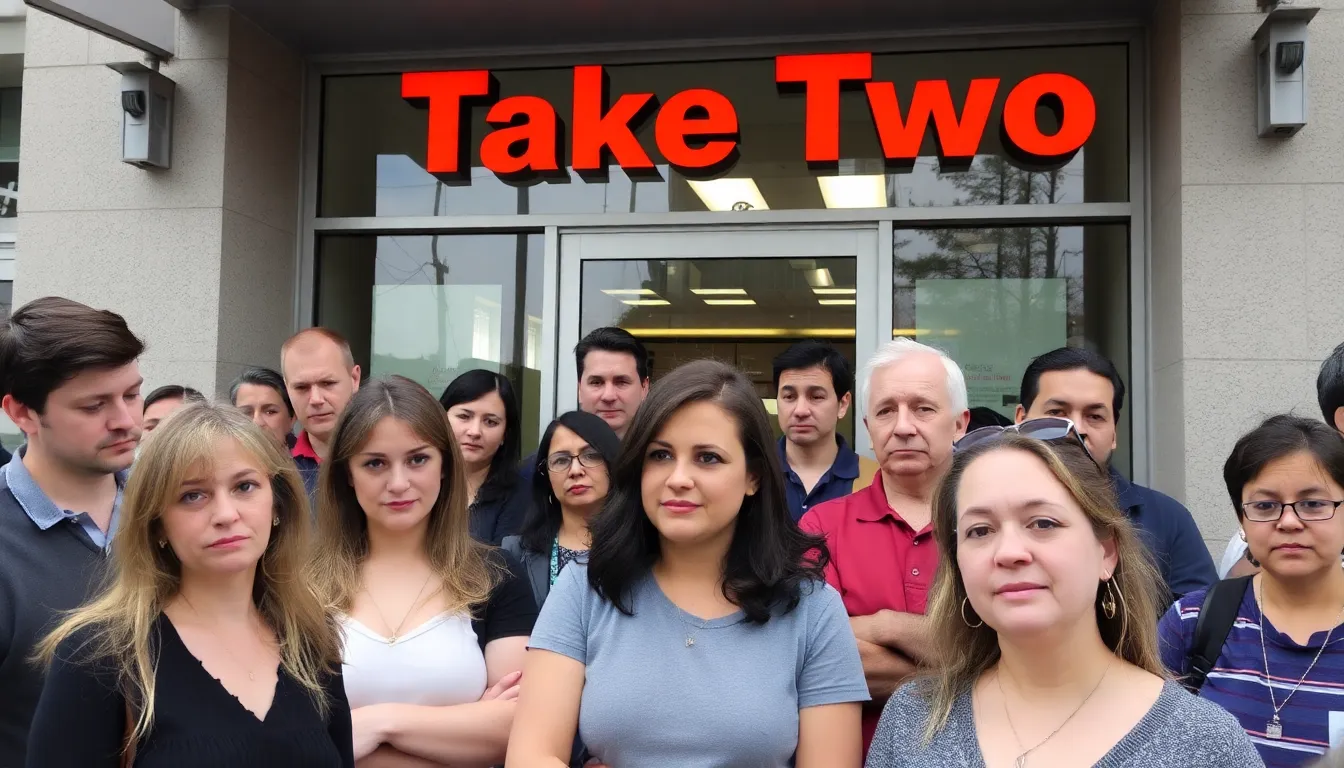
In the early 2020s, Take-Two made significant strides in AI development, establishing a dedicated team to focus on innovative AI solutions. This period marked a broader trend within the gaming sector, where companies sought to leverage AI for everything from procedural content generation to player behavior analysis. You can explore parallel advancements in the automotive industry by reading about Rolls-Royce’s first electric car.
By late 2023, Take-Two’s financial performance began to show signs of strain, prompting a reevaluation of its strategic priorities. The company faced increased competition from both established rivals and emerging indie developers who were utilizing AI in novel ways. As a result, Take-Two’s leadership decided to pivot away from its ambitious AI projects, ultimately leading to the decision to lay off the AI team. This move reflects a broader trend in the industry where companies are reassessing their investments in AI amidst economic uncertainties.
The Impact of Economic Factors
The decision to disband the AI team at Take-Two underscores the impact of economic factors on corporate strategy. With inflation rates rising and consumer spending patterns shifting, many gaming companies are prioritizing immediate profitability over long-term innovation. This has led to a wave of layoffs across the sector, as firms seek to streamline operations and focus on core competencies. Take-Two’s situation is emblematic of these broader economic pressures, highlighting the delicate balance between innovation and financial viability in today’s gaming landscape.
Analyzing the implications for stakeholders in the gaming industry
The recent decision by Take-Two Interactive to lay off its AI team has raised significant concerns among various stakeholders in the gaming industry. This move not only affects the employees directly involved but also has broader implications for the company’s future projects and the competitive landscape of the gaming sector.
One of the primary actors in this scenario is Take-Two Interactive itself, which has a vested interest in maintaining profitability and shareholder confidence. By reducing its workforce, the company aims to cut costs amid economic pressures and shifting market dynamics. However, this decision may hinder its ability to innovate and stay competitive in an industry increasingly driven by advancements in artificial intelligence.

Employees within the AI team are directly impacted by this decision, facing job loss and uncertainty about their future. This situation raises ethical considerations regarding job security and the treatment of talent in a rapidly evolving technological landscape. The layoffs may also lead to a talent drain, as skilled professionals seek opportunities elsewhere, further complicating Take-Two’s ability to leverage AI technologies in its game development.
Additionally, the gaming community and consumers are stakeholders who may feel the repercussions of this decision. As AI plays a crucial role in enhancing game experiences, the reduction of resources in this area could result in less innovative and engaging products, much like the reactions people had to the cancellation of Shy Girl.
- Economic Impact: The layoffs reflect broader economic challenges faced by the gaming industry, including rising development costs and changing consumer preferences.
- Innovation Challenges: Reducing the AI team may impede Take-Two’s ability to stay at the forefront of gaming technology, affecting future game releases.
- Talent Retention: The risk of losing skilled professionals to competitors may weaken Take-Two’s capacity to innovate in AI-driven gaming.
- Consumer Expectations: Players may experience a decline in game quality and innovation, leading to potential backlash against the company.
In summary, the layoffs at Take-Two Interactive highlight a complex interplay of interests and challenges that resonate throughout the gaming industry. Stakeholders must navigate these developments carefully, weighing the immediate economic benefits against the long-term implications for innovation and community trust.
The potential impact on employees and the gaming market
The recent decision by Take-Two to lay off its AI team has significant implications for various stakeholders in the gaming industry. Primarily, the affected employees, who are now facing job uncertainty, represent a skilled workforce that has contributed to the advancement of AI technologies in gaming. This development not only impacts their immediate livelihoods but also raises concerns about the future of innovation within the company.
In the broader context of the gaming market, the layoffs could signal a shift in how companies prioritize AI development amidst economic pressures. As Take-Two reassesses its strategic focus, other firms in the industry may follow suit, leading to a potential retrenchment in AI investments. This could stifle advancements in game development, affecting the overall quality and creativity of new releases.
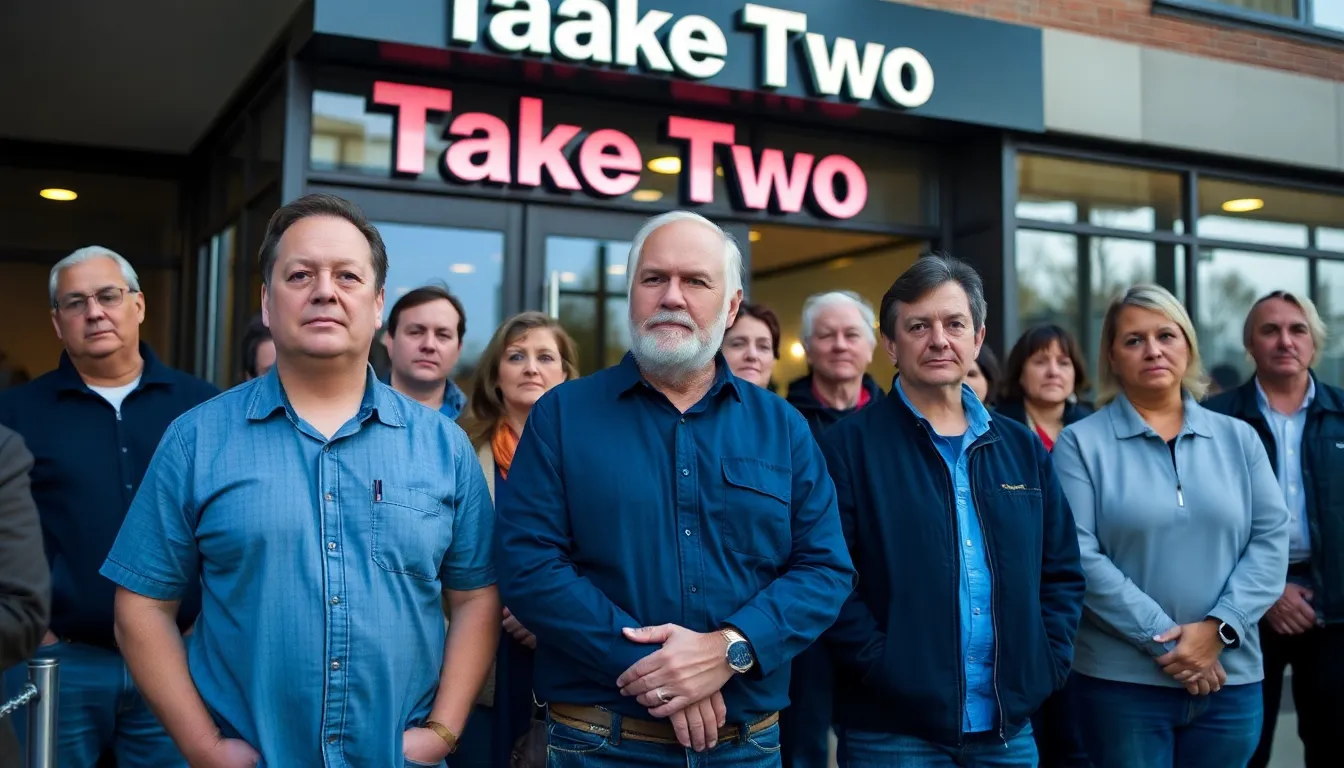
Short-term impacts include a potential slowdown in project timelines as remaining teams adjust to the loss of expertise. Game developers and studios may experience delays in incorporating AI features that enhance gameplay or streamline production processes. In contrast, the mid-term effects could manifest as a gap in the market for AI-driven gaming solutions, creating opportunities for smaller companies or startups to fill this void.
- Employee impact: Job losses and uncertainty for skilled professionals.
- Industry shift: Potential decrease in AI investment across the gaming sector.
- Market opportunities: New entrants may emerge to capitalize on gaps left by larger firms.
While the layoffs represent a risk to innovation and employee stability, they may also encourage a re-evaluation of strategies within the industry. Companies that adapt quickly could harness new technologies or approaches, potentially leading to a more diversified gaming landscape in the long run.
A: Take-Two’s decision to lay off its AI team is part of a broader restructuring effort aimed at optimizing costs and focusing on core gaming projects. A: The exact number of employees affected by the layoffs has not been disclosed, but it is expected to be significant given the size of the AI team. A: The layoffs suggest a shift in strategy for Take-Two, potentially indicating a reduced focus on AI technology in favor of traditional gaming development. A: Competitors may see this as an opportunity to attract talent from Take-Two’s AI team, potentially enhancing their own AI capabilities in gaming. A: While the current layoffs suggest a pullback, Take-Two may still explore AI opportunities in the future, depending on market demands and technological advancements.
Frequently asked questions about the layoffs
Key takeaways and future outlook for Take-Two
The recent decision by Take-Two to lay off its AI team marks a significant shift in the company’s strategy regarding artificial intelligence in gaming. This move raises questions about the future direction of AI integration within their projects and the potential impact on both development processes and game quality. As the industry continues to evolve, the implications of this decision could resonate beyond Take-Two, influencing competitors and the broader gaming landscape.
Investors and industry analysts should closely monitor how Take-Two reallocates its resources post-layoffs and whether this will lead to a renewed focus on traditional game development methods or a pivot towards other technological advancements. Additionally, the reaction from the gaming community and developers will be crucial in understanding the long-term effects of this strategic shift.
- Watch for potential shifts in Take-Two’s game development strategy that may prioritize traditional methods over AI enhancements.
- Observe how this decision influences competitor strategies regarding AI in gaming.
- Consider the implications for talent acquisition and retention within the gaming industry as companies reassess their AI capabilities.
- Evaluate the potential impact on game quality and innovation in upcoming Take-Two releases.
- Monitor community feedback and developer responses, as they may shape future initiatives and partnerships in AI technology.