


This new understanding stems from the application of advanced imaging techniques, such as functional magnetic resonance imaging (fMRI), which have allowed scientists to observe brain activity in patients who do not exhibit outward signs of awareness. A study conducted by researchers at the University of Cambridge involved 60 patients, revealing that a significant number responded to commands through specific brain patterns, indicating a form of cognitive processing. For more insights on the impact of technology in science, check out our article on Scientists and Humor: A Surprising Disconnect.
The implications of these findings are profound, affecting not only clinical practices but also legal and ethical discussions surrounding end-of-life care. As healthcare providers reassess how they diagnose and treat vegetative patients, families may face difficult decisions regarding treatment options and quality of life considerations.
Moreover, these revelations raise questions about the criteria used to define consciousness and the moral responsibilities of medical professionals in caring for patients with severe brain injuries. As the dialogue continues, it is crucial for society to engage with these developments, ensuring that patients receive the respect and care they deserve, regardless of their perceived state of awareness. This topic intersects with ongoing discussions around ethical considerations in various fields.
Exploring the Background of Vegetative States and Awareness
The concept of vegetative states has long been a topic of intrigue and concern within both the medical community and society at large. A vegetative state is characterized by a patient’s wakefulness without awareness, often following severe brain injury. Historically, patients in these states were thought to have no cognitive function, leading to a general acceptance of their condition as irreversible. The prevailing belief in the lack of awareness has shaped both medical practices and ethical considerations surrounding end-of-life decisions.
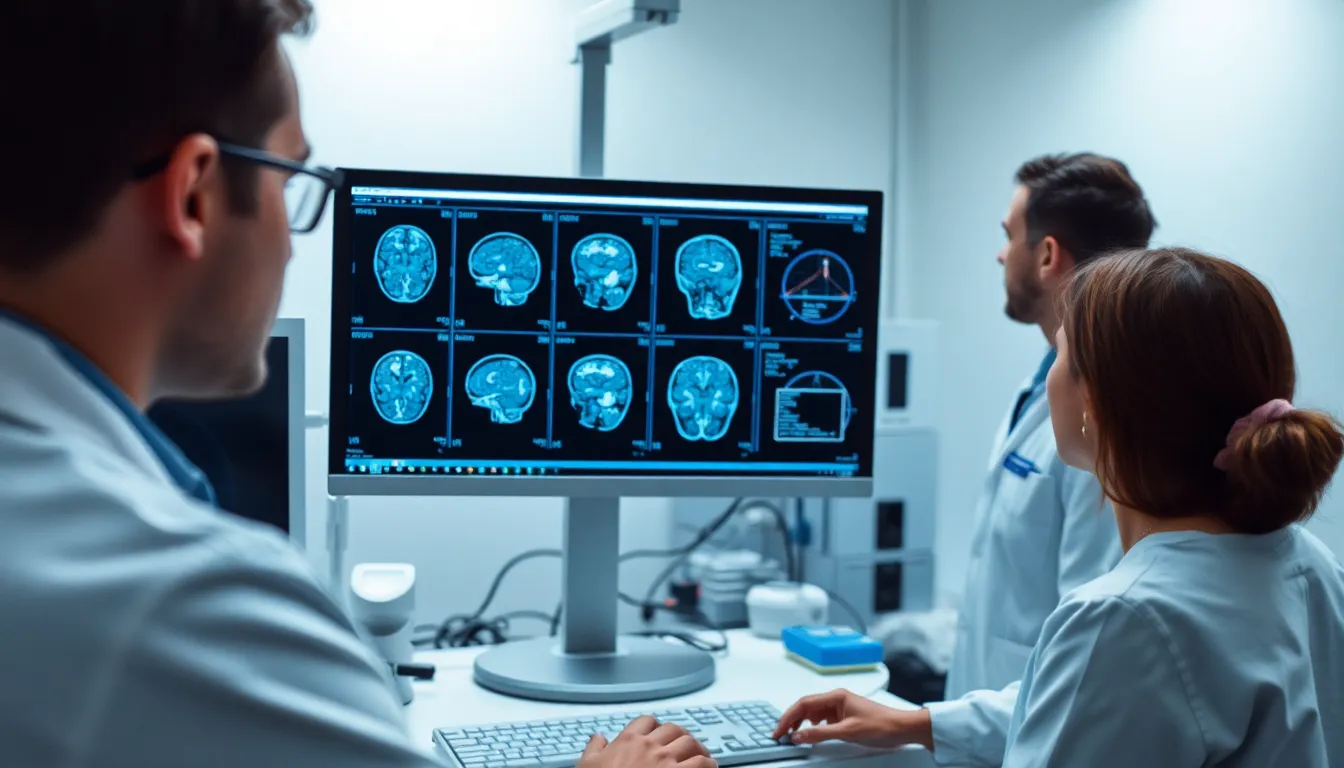
In the 1970s and 1980s, the introduction of advanced neuroimaging technologies began to challenge these assumptions. Studies utilizing functional MRI and EEG have revealed that some patients diagnosed as being in a vegetative state may retain a degree of cognitive function, responding to stimuli in ways that suggest awareness. This shift in understanding has not only altered the clinical approach to treatment but has also sparked a broader societal debate about the rights of patients and the ethical implications of their care, akin to how we should consider our interactions with voice assistants and AIs.
Key Milestones in Research and Awareness
Several key milestones have marked the evolution of our understanding of vegetative states. One significant case was that of Terry Schiavo in the early 2000s, which brought national attention to the ethical dilemmas surrounding life support and the decision-making process for patients deemed unresponsive. This case highlighted the need for clearer definitions and protocols in assessing patient awareness.
Moreover, a landmark study published in 2006 by Adrian Owen and his team provided compelling evidence that some patients previously classified as vegetative could respond to commands through brain activity patterns. This research has paved the way for further investigations into the cognitive abilities of these patients, prompting a re-evaluation of their potential for communication and interaction.
As the conversation around vegetative states continues to evolve, it underscores the importance of ongoing research and the need for a compassionate approach to patient care. The blending of medical science with ethical considerations has opened new avenues for understanding human consciousness and the complexities of life in states previously thought to be devoid of awareness.
Analyzing Key Stakeholders and Ethical Implications
The discourse surrounding vegetative patients and their potential awareness involves a diverse range of stakeholders, each with distinct interests and perspectives. Key actors include medical professionals, bioethicists, patients’ families, advocacy groups, and healthcare policymakers. Understanding their roles is crucial to grasping the broader implications of recent research findings.
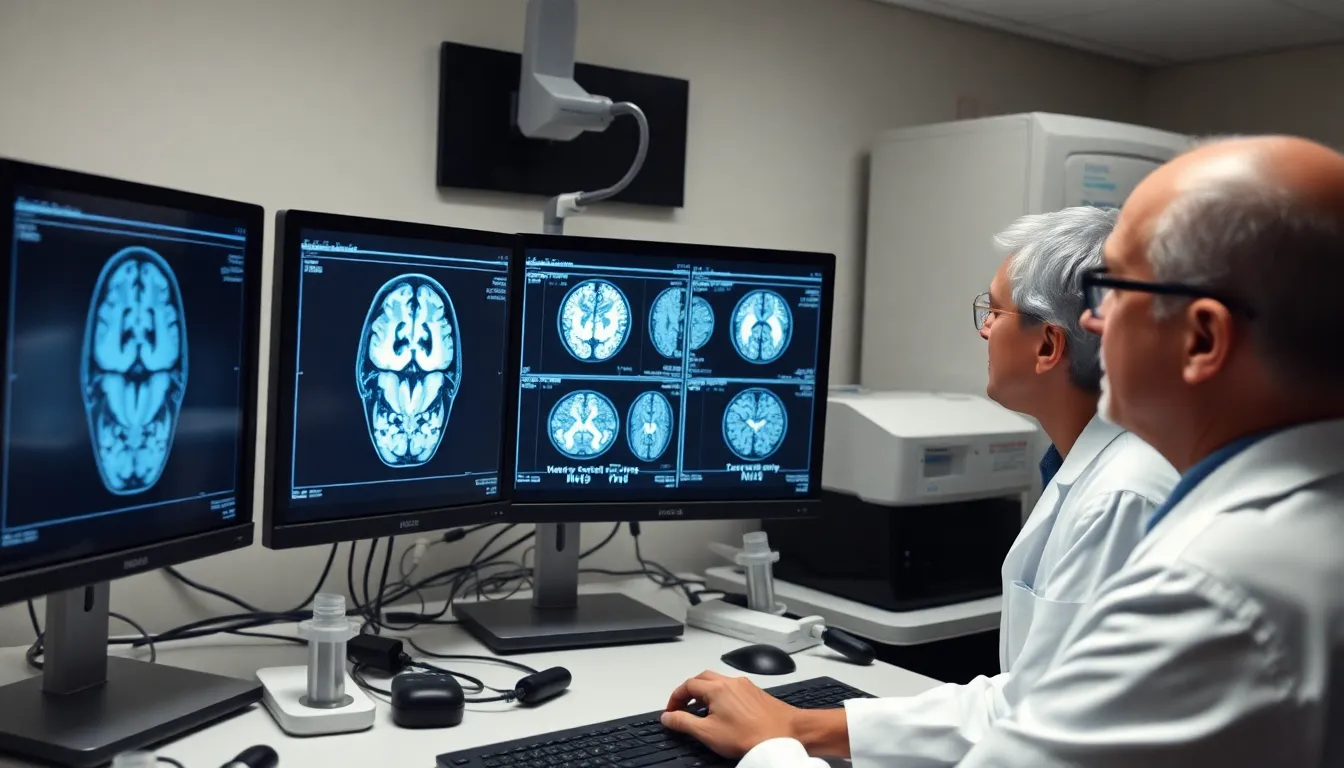
Medical professionals, including neurologists and rehabilitation specialists, are at the forefront of this discussion. Their interest lies in improving diagnostic tools and treatment options for patients in vegetative states. As new studies suggest that some patients may have levels of awareness previously unrecognized, the medical community faces the challenge of adapting practices and ensuring informed consent.
Families of vegetative patients are significantly impacted by these findings. Many families grapple with the emotional and ethical dilemmas regarding the care and treatment of their loved ones. They often seek clarity about the patient’s condition and may face conflicts regarding the continuation of life-sustaining measures. The emotional toll of these decisions can lead to advocacy for more comprehensive policies to protect patient rights.
Advocacy groups play a pivotal role in raising awareness and influencing public policy. Organizations focused on disability rights emphasize the need for respect and dignity for individuals with severe brain injuries. They advocate for research that not only seeks to understand awareness in vegetative patients but also promotes their rights and the ethical treatment of such individuals. These groups often highlight the potential for exploitation and the need for stringent regulations to prevent abuse.
- Legal Issues: The legal landscape surrounding end-of-life decisions is complex, with varying laws across jurisdictions that can impact patient rights and family decisions.
- Economic Considerations: The costs associated with long-term care for vegetative patients can strain healthcare systems, prompting discussions about resource allocation and funding.
- Ethical Dilemmas: The possibility of awareness raises profound ethical questions about the value of life and the criteria for determining quality of life.
- Research Funding: As interest in this area grows, securing funding for further research becomes essential to explore the implications of awareness in vegetative states.
In summary, the intersection of medical research, ethical considerations, and legal frameworks shapes the ongoing dialogue about vegetative patients. As new insights emerge, stakeholders must navigate these complexities to ensure that the rights and dignity of individuals are upheld while addressing the interests of all parties involved.
Impact on Families and Medical Practices
The revelation that vegetative patients may possess a higher level of awareness than previously understood has profound implications for families, healthcare providers, and policymakers. Families of patients in vegetative states may find renewed hope or face new challenges as they navigate the complexities of care and decision-making. This newfound understanding can lead to emotional turmoil, as relatives grapple with the possibility of their loved ones being more aware than they had believed.
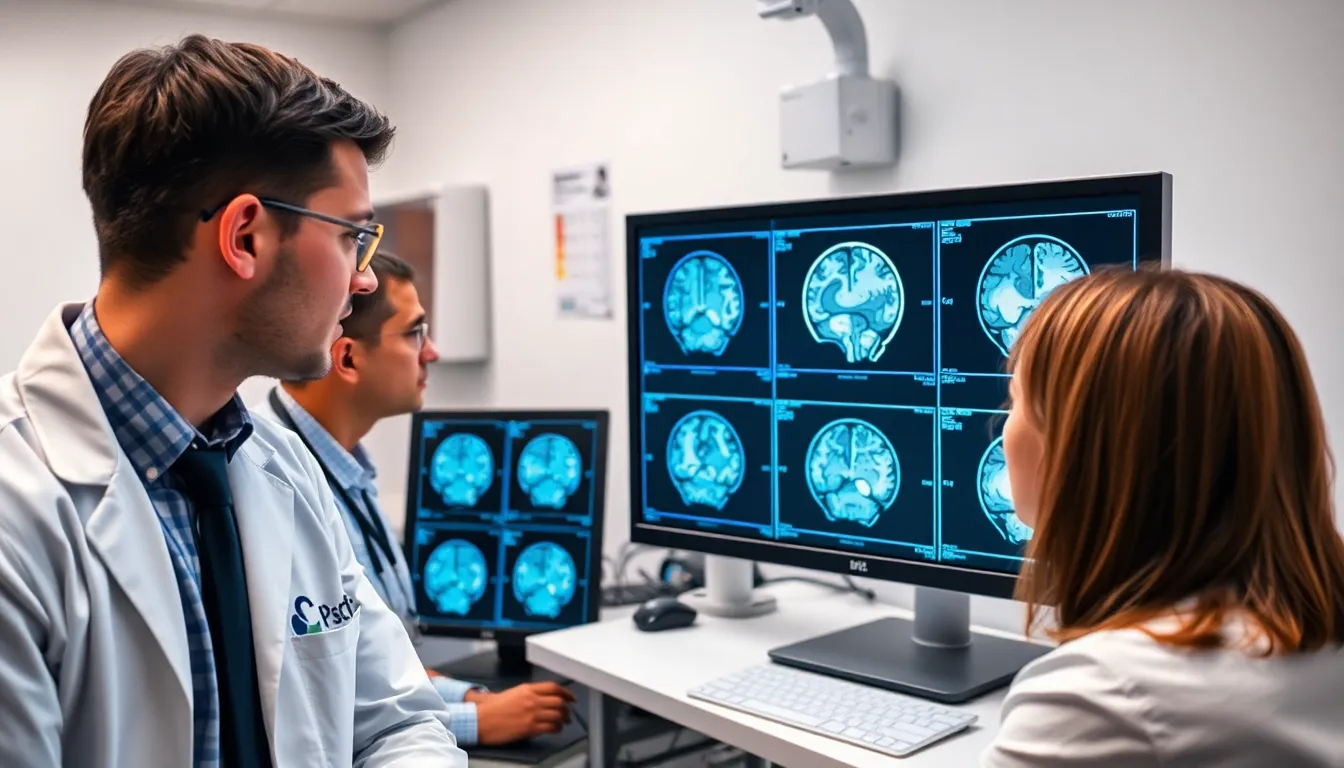
Healthcare providers will need to reassess their approaches to diagnosis and treatment for patients diagnosed with disorders of consciousness. This may involve adopting more advanced neuroimaging techniques and assessments to better understand patient awareness. As a result, medical practices may see an increase in demand for specialized training in neuroethics and patient communication.
In terms of policy, healthcare systems may face pressure to revise guidelines regarding the treatment of vegetative patients. This could lead to changes in funding allocations for research and rehabilitation services, as well as increased advocacy for patient rights. The legal landscape surrounding end-of-life decisions may also shift, prompting lawmakers to consider new regulations that reflect the potential for awareness in these patients.
- Families: Emotional challenges and potential shifts in care dynamics.
- Healthcare Providers: Need for advanced training and diagnostic tools.
- Policy Makers: Pressure to revise treatment guidelines and patient rights legislation.
- Research Institutions: Opportunities for funding and studies on patient awareness.
While there are significant risks associated with these developments, such as increased emotional strain on families and ethical dilemmas for healthcare providers, there are also opportunities. Research institutions may find new avenues for funding and collaboration, while healthcare providers can enhance their practices by integrating comprehensive assessments of patient awareness into their protocols. This could lead to more personalized and effective care strategies, ultimately benefiting patients and families alike.
A: Awareness in vegetative patients refers to the ability to respond to stimuli or have some level of consciousness, which may not be visible externally. A: Researchers use advanced imaging techniques and behavioral assessments to identify signs of awareness that were previously overlooked. A: Recognizing awareness can influence treatment decisions, potentially leading to more personalized care and ethical considerations regarding patient rights. A: Yes, misdiagnosing awareness can lead to inappropriate care decisions and emotional distress for families. A: Families can engage in therapeutic interactions and advocate for continued assessment of awareness, ensuring their loved ones receive appropriate care.
Frequently Asked Questions About Vegetative Awareness
Key Insights and Future Directions in Understanding Awareness
The emerging research on vegetative patients suggests a more nuanced understanding of consciousness and awareness than previously recognized. As advanced neuroimaging techniques continue to uncover signs of cognitive processing in patients once deemed unresponsive, the implications for medical practice, ethical considerations, and family dynamics become increasingly significant. This evolving landscape invites a re-evaluation of how we approach care and communication with these individuals.
Future studies should focus on refining diagnostic tools and exploring the potential for rehabilitation. The recognition of awareness in vegetative states not only alters the clinical approach but also raises important questions about consent, quality of life, and the psychological impact on families. As we advance, it is crucial to maintain a compassionate and informed perspective on the experiences of these patients.
- Continued research into neuroimaging techniques may provide deeper insights into the levels of awareness in vegetative patients.
- Healthcare providers should consider integrating findings of awareness into treatment plans and discussions with families.
- Ethical frameworks must evolve to address the complexities surrounding consent and decision-making for individuals with fluctuating levels of consciousness.
- Support systems for families should be enhanced to help them navigate the emotional challenges posed by the new understanding of patient awareness.
- Ongoing education for medical professionals about the implications of awareness in vegetative states is essential for improved patient care.